8 Things to Know About Trains in China (2026 Guide)
A practical guide to trains in China: high-speed, sleeper and conventional services, how to book, which station to use, and how to plan routes.
On this page
Last updated November 2026: trains in China fall into three groups for visitors, which are high-speed G and D services, conventional Z, T and K trains, and overnight sleepers. Your first practical step is booking a seat with passport details that match your ID. The eight points below explain how the system fits together and send you to the detailed guides.
Featured image: 罗布泊, CC BY 3.0, via Wikimedia Commons.
8 Things to Know About Trains in China
China Railway runs the network and sells tickets through its official 12306 service. Rules and timetables here were checked in November 2026, and the operator's own 12306 English portal remains the final word on anything that changes.
1. Learn the train-number prefixes
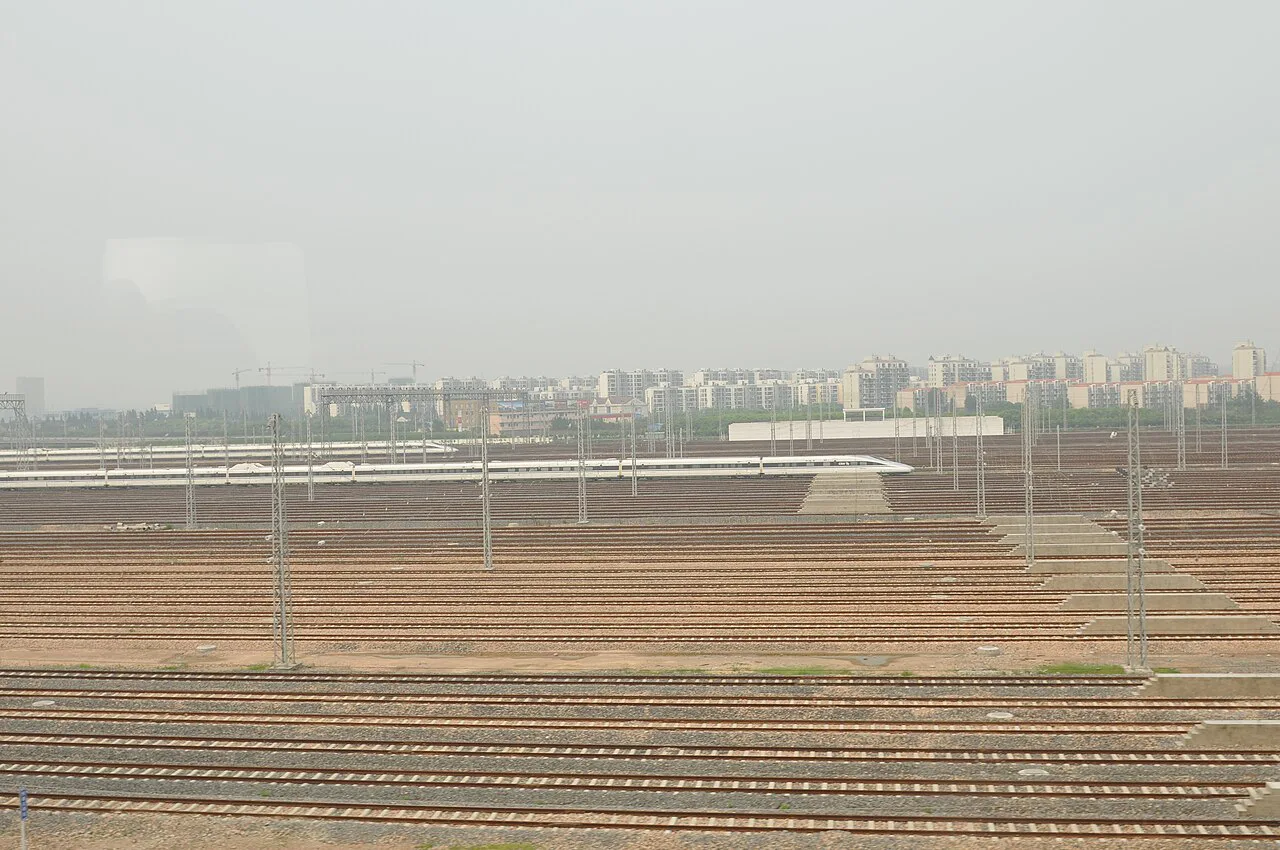
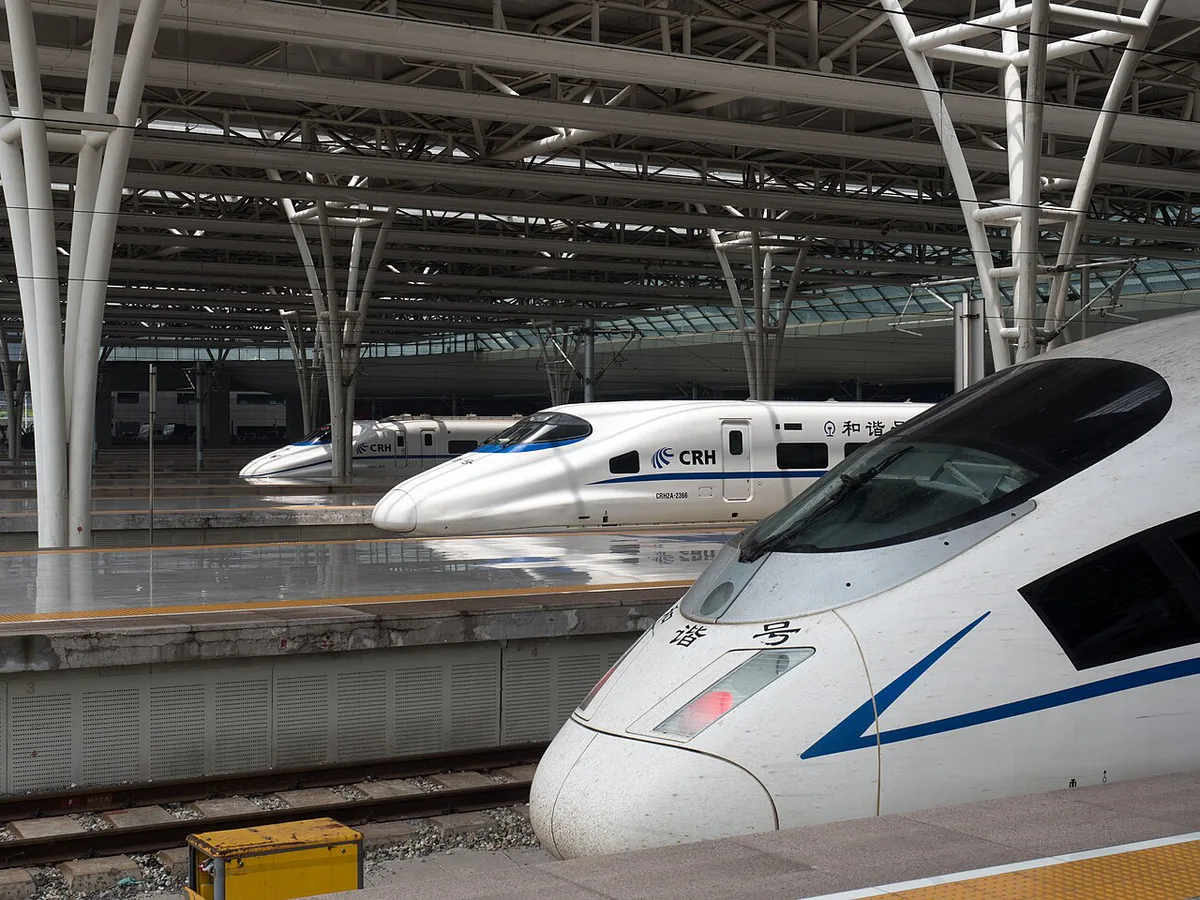
Every train carries a letter that tells you its speed tier. G and D numbers are high-speed or bullet trains, and they suit most visitor routes. Z, T and K numbers are conventional trains. They stop more often and take longer, but they reach places the fast lines skip.
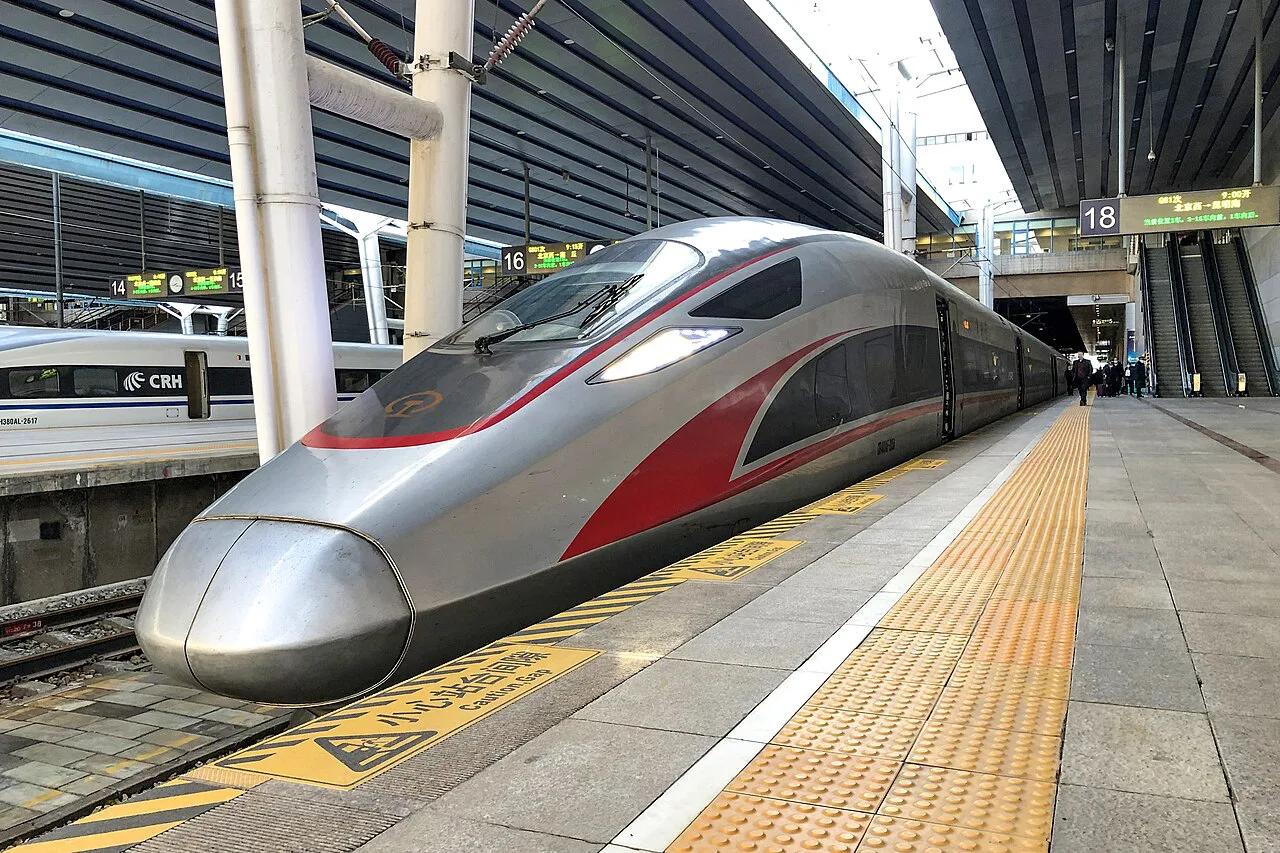
Newer high-speed sets are known as Fuxing trains. Our Fuxing train guide explains what to expect on board. Skip the K trains if you are short on time, since a daytime G train between the same cities is usually much quicker.
2. Pick a seat class before you search
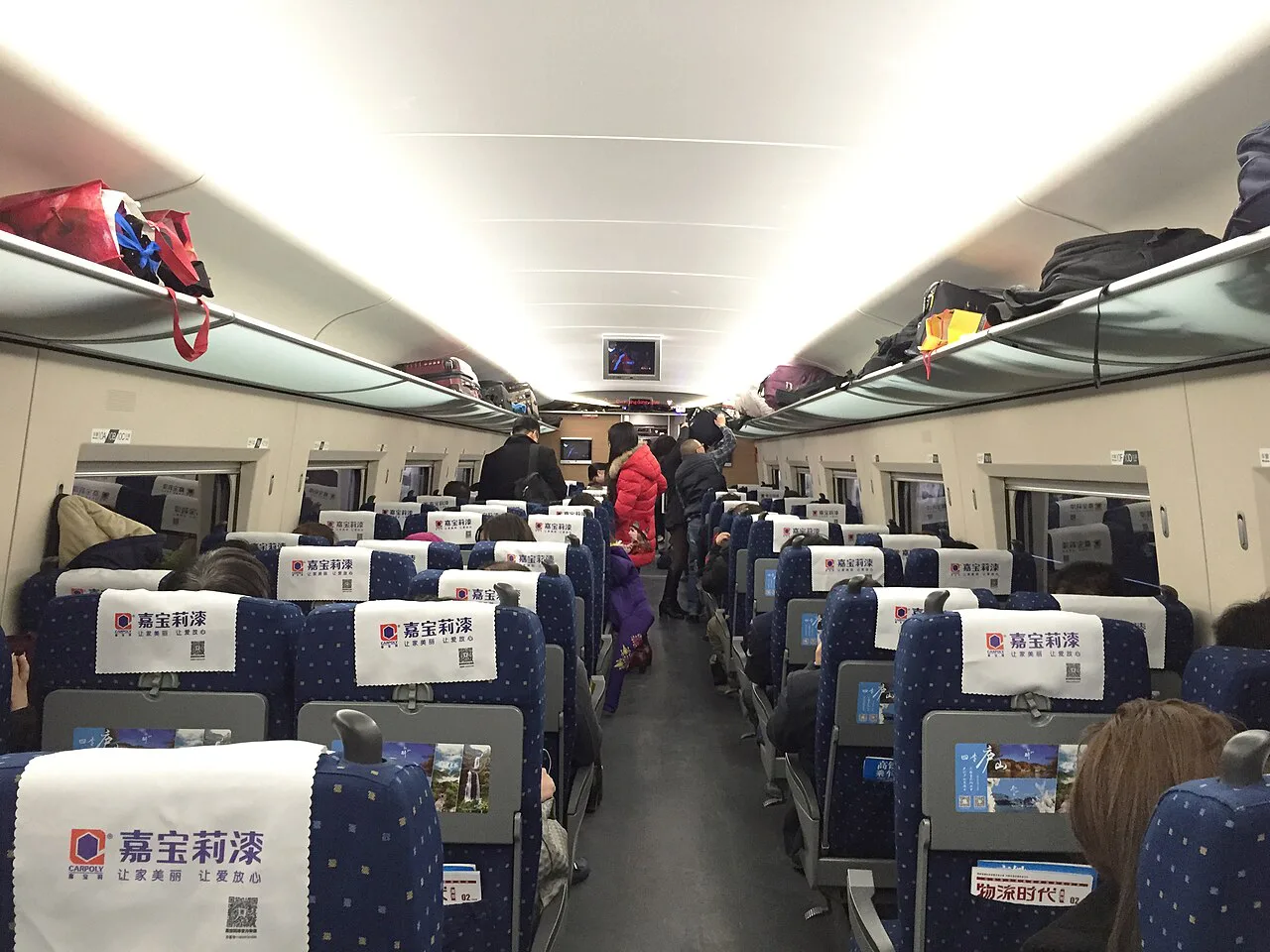
Each train offers several seat grades, and the choice changes comfort, legroom and price. Our China train classes guide compares them. Second class is the standard bullet-train seat. First class gives wider seats and fewer passengers per carriage.
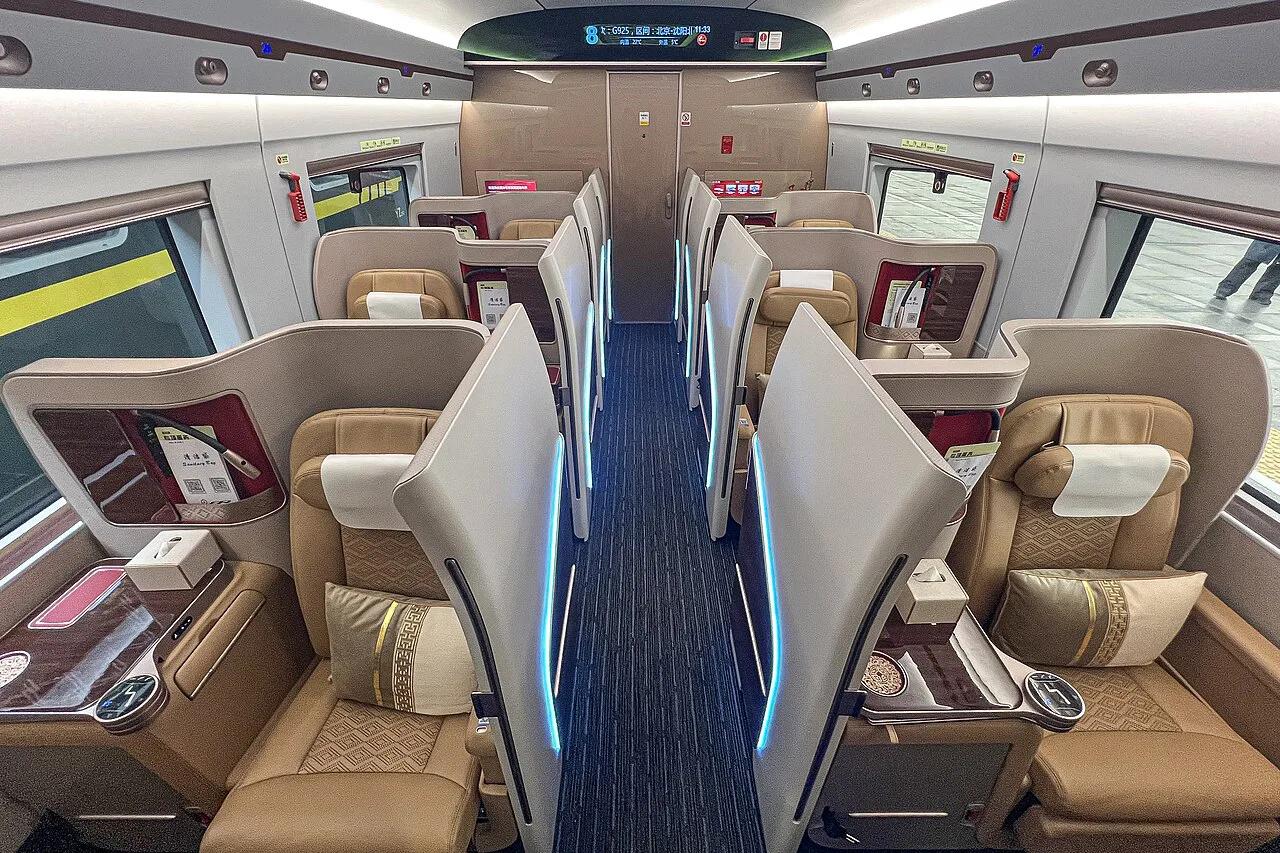
Business class is the top tier on fast trains. Read about high-speed business class if you want lounge access and a quieter cabin. Travellers on a short hop of an hour or less rarely need to pay for the upgrade.
3. Use sleeper trains for long overnight legs
A sleeper saves a hotel night on a long journey. You board in the evening and wake up in the next city. Berths come in several grades, from open bunks to closed compartments. Our China sleeper trains guide sets out the differences.
Overnight trains are slower than G services on the same line. Choose one for the experience or the saved night, not for speed. Light sleepers and anyone with a tight schedule should take a daytime bullet train instead.
4. Book with your passport details
Foreign visitors can ride China's trains using their passport details. Book with the same passport information you will carry on the day. The name on the ticket must match your passport, so enter it carefully. Our guide to booking train tickets walks through each step.
The 12306 app guide covers the official channel. Prefer an English interface? Trip.com train tickets are the agent option, which usually trades a service fee for convenience. Ticket-release windows and fees are set by the railway, so read them on the official site before you plan around a date.
5. Choose the right station in multi-station cities
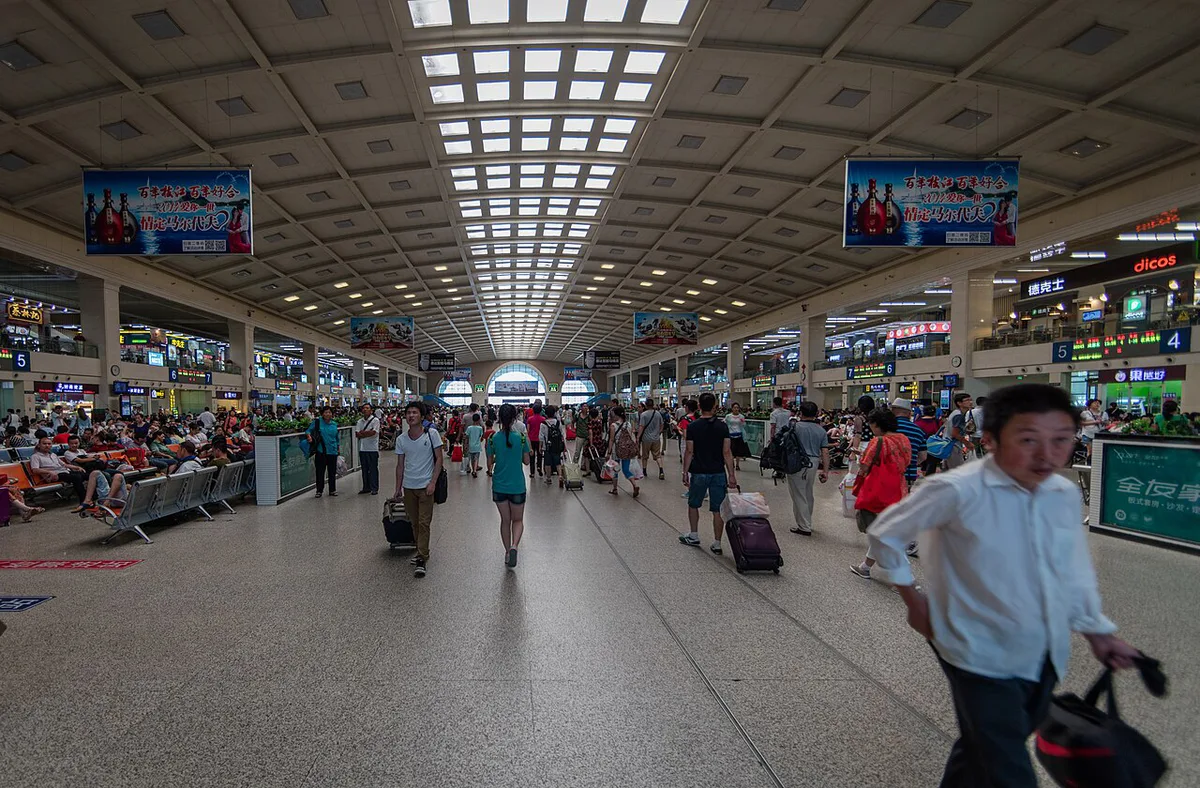
Big cities have several stations, and the name on your ticket decides where you must go. Wrong-station mistakes cost travellers more than almost anything else. Start with our China train stations guide. Beijing has two main high-speed hubs. Beijing South and Beijing West serve different routes. Shanghai splits between Shanghai Hongqiao and the central Shanghai Railway Station: Which Station, Metro & Tips.
Guangzhou's fast services use Guangzhou South. Sichuan arrivals often land at Chengdu East. Xi'an's bullet trains stop at Xi'an North, which sits apart from the older central station.
6. Allow time at the station
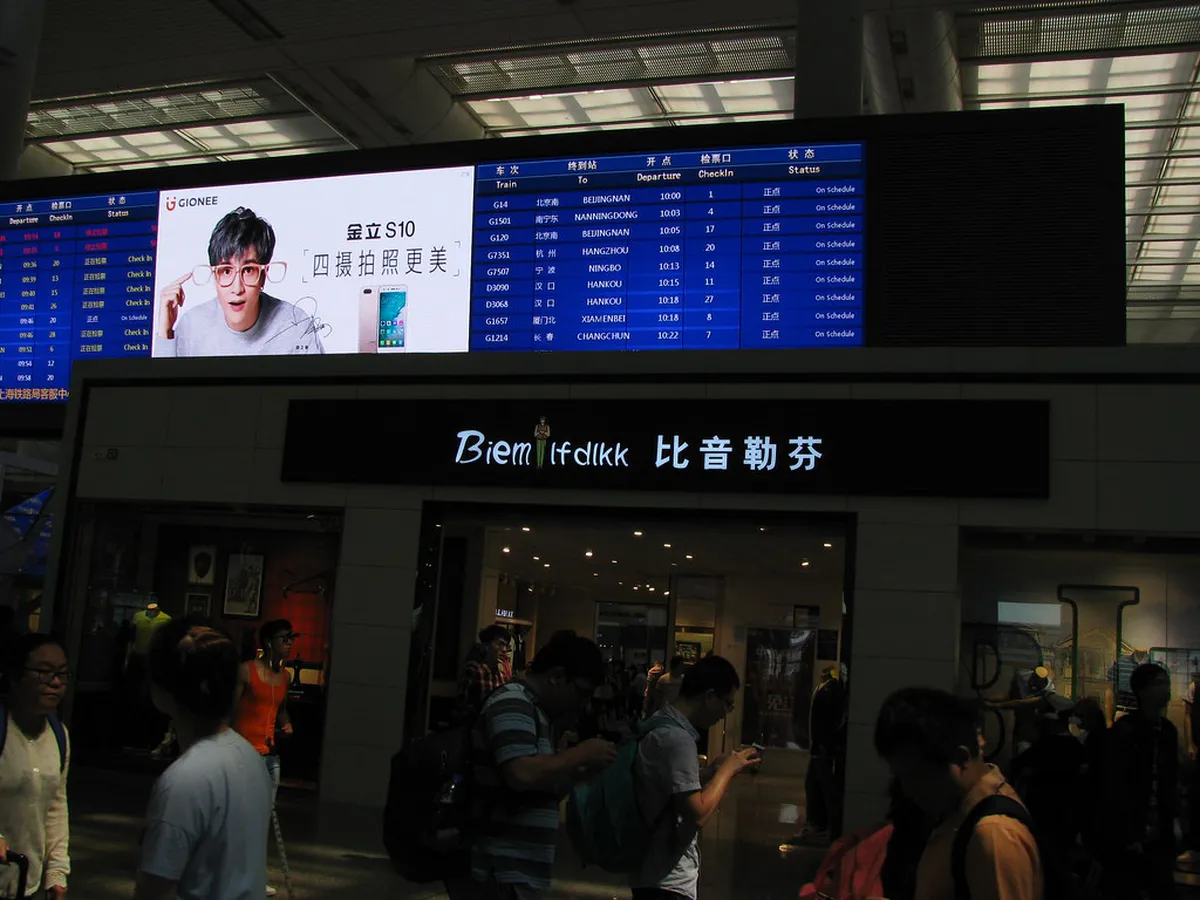
Big stations are large, busy and security-screened. Arrive about 45 to 60 minutes before departure at a large station. You will pass an identity check and a bag scan before you reach the platform. Keep your passport in your hand, not buried in a bag. Check the gate and waiting hall on the departure board once you are inside.
Rules on bag size and handling are covered in our China train luggage guide. Travellers with large suitcases should add extra minutes for lifts and queues.
7. Decide between train and flight
High-speed rail wins on mid-range routes. Stations sit closer to city centres than most airports, and you skip long check-in and boarding queues. Beijing to Shanghai takes about 4.5 hours by bullet train. Beijing to Chengdu takes about 7.5 hours, which is where flying starts to look better.
Count door-to-door time, not only the ride. Add the transfer to the station or airport at both ends. Anyone heading to remote areas with no rail link should fly or use a coach.
8. Plan the whole travel day
A train time affects hotel check-in, luggage storage, meals and sightseeing. An early departure means an early checkout and a bag to carry. A late arrival can leave you with no check-in help. Pick a hotel near your arrival station when you can.
Leave a buffer of at least a couple of hours between a train and any onward flight or tour. Keep connections loose, because a delayed first leg can break a tight second leg.
China high-speed corridors at a glance
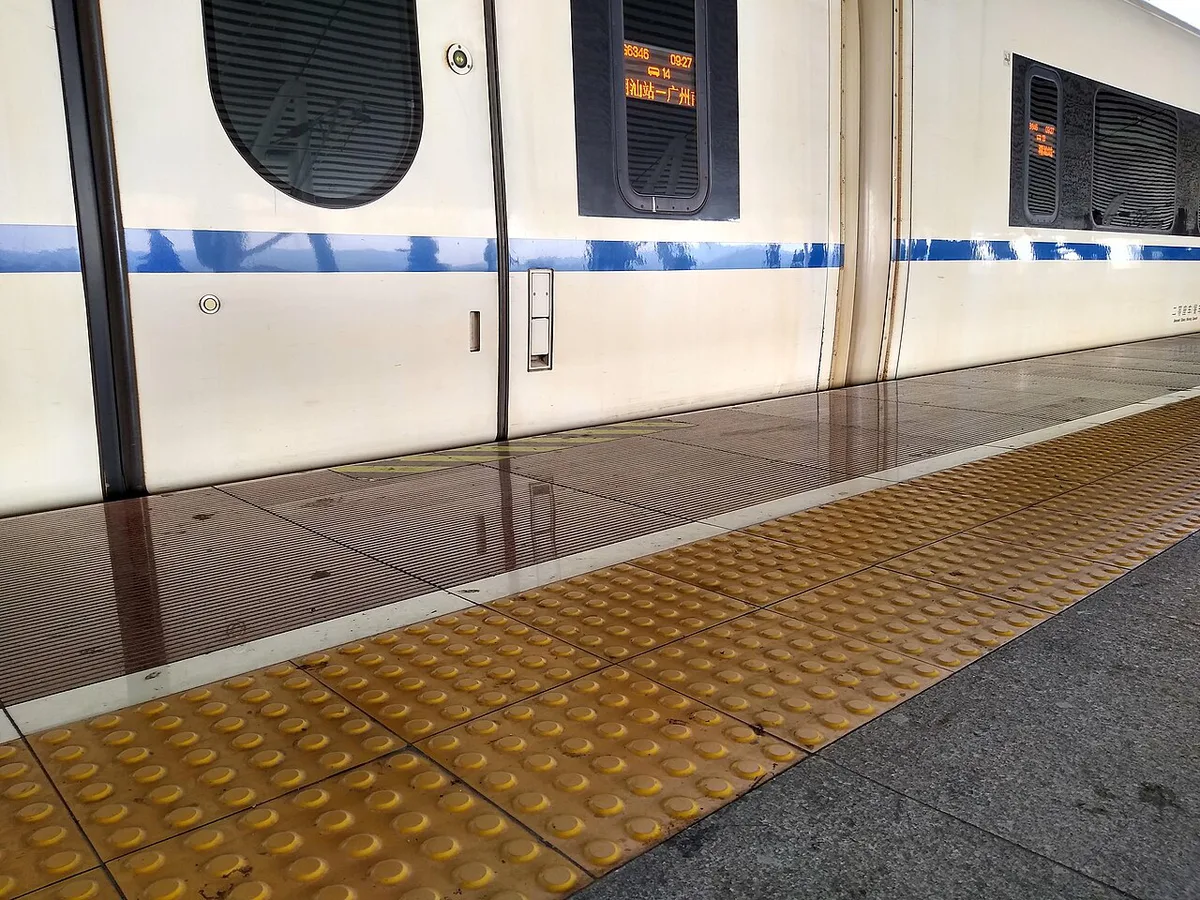
Distances and times below are typical rail figures for the fastest bullet-train services. China Railway's long-term network plan aims for 16 major high-speed routes, 8 north-south and 8 east-west, by the end of 2030. New sections open over time, so see our China Railway Map: How to Read the Network and Plan a Route for the current picture.
About 15 minutes on the Hong Kong to Shenzhen line means station transfers at both ends can matter more than the ride itself.
| Route | Rail distance | Typical bullet-train time |
|---|---|---|
| Beijing to Shanghai | 1,318 km | About 4.5 hours |
| Beijing to Xi'an | 1,216 km | About 4.5 hours |
| Beijing to Chengdu | 1,874 km | About 7.5 hours |
| Shanghai to Xi'an | 1,509 km | About 7 hours |
| Shanghai to Hangzhou | 201 km | About 1 hour |
| Beijing to Tianjin | 130 km | About 30 minutes |
| Hong Kong to Guangzhou | 141 km | About 1 hour |
| Hong Kong to Shenzhen | 26 km | About 15 minutes |
Mistakes to avoid on trains in China
Five errors cause most missed trains. Travellers book the wrong station in a city with two or more. They enter a name that differs from their passport. They arrive with only 20 minutes to spare at a major hub. They plan a tight connection with no slack. They also leave booking until the day before a busy travel date. Fix these before you leave your hotel and your journey will run smoothly.
Arriving with only 20 minutes to spare at a major hub falls well short of the 45 to 60 minutes the station guidance advises.
For the crossings from Hong Kong into mainland China, see our Hong Kong to China guide.
Explore More Guides
Keep planning your trip with these guides.
Guides
- How to Book Train Tickets in China: 12306 vs Trip.com (2026)
- Book China Trains With a Passport
- Trip.com China Train Tickets
- China Train Classes Explained
- China Train Stations: How They Work and Which One to Use
- China Train Luggage Rules
- China Railway Map: How to Read the Network and Plan a Route
- Fuxing Train: How to Ride & Book It in China
- China High-Speed Train Business Class
- China Sleeper Trains: Classes, Booking & Which to Pick
- Beijing South Railway Station: Metro, Trains & First-Timer Guide
- Beijing West Railway Station: Getting There, Trains & Tips
- Shanghai Hongqiao Railway Station: Airport, Metro and Tickets Guide
- Shanghai Railway Station: Which Station, Metro & Tips
- Guangzhou South Railway Station Guide
- Chengdu East Railway Station: Getting There & Tips
- Xi'an North Railway Station Guide
Notes on Asia's railways
Optional updates when we revise our train and route guides.
You might also like
Continue reading
More guides you'll find useful