China Railway Map: How to Read the Network and Plan a Route
Use this China railway map guide to understand the high-speed grid, read train prefixes, pick the right big-city station and turn the map into a route.
On this page
Last updated November 2026. A china railway map shows a high-speed grid of main north-south and east-west corridors, with slower conventional and sleeper services filling the gaps between them. Read it as a connection diagram first, then use it to choose endpoints, stations and train types for your trip.
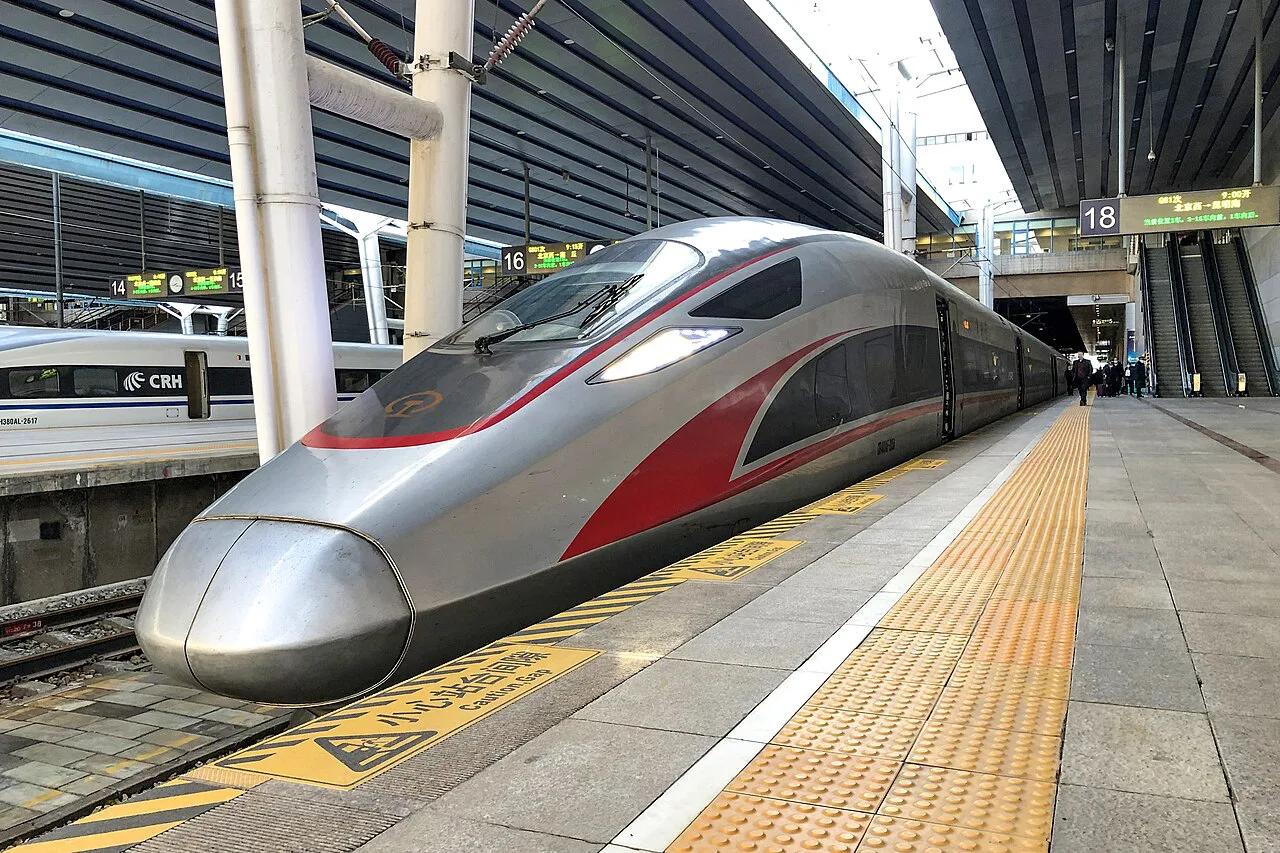
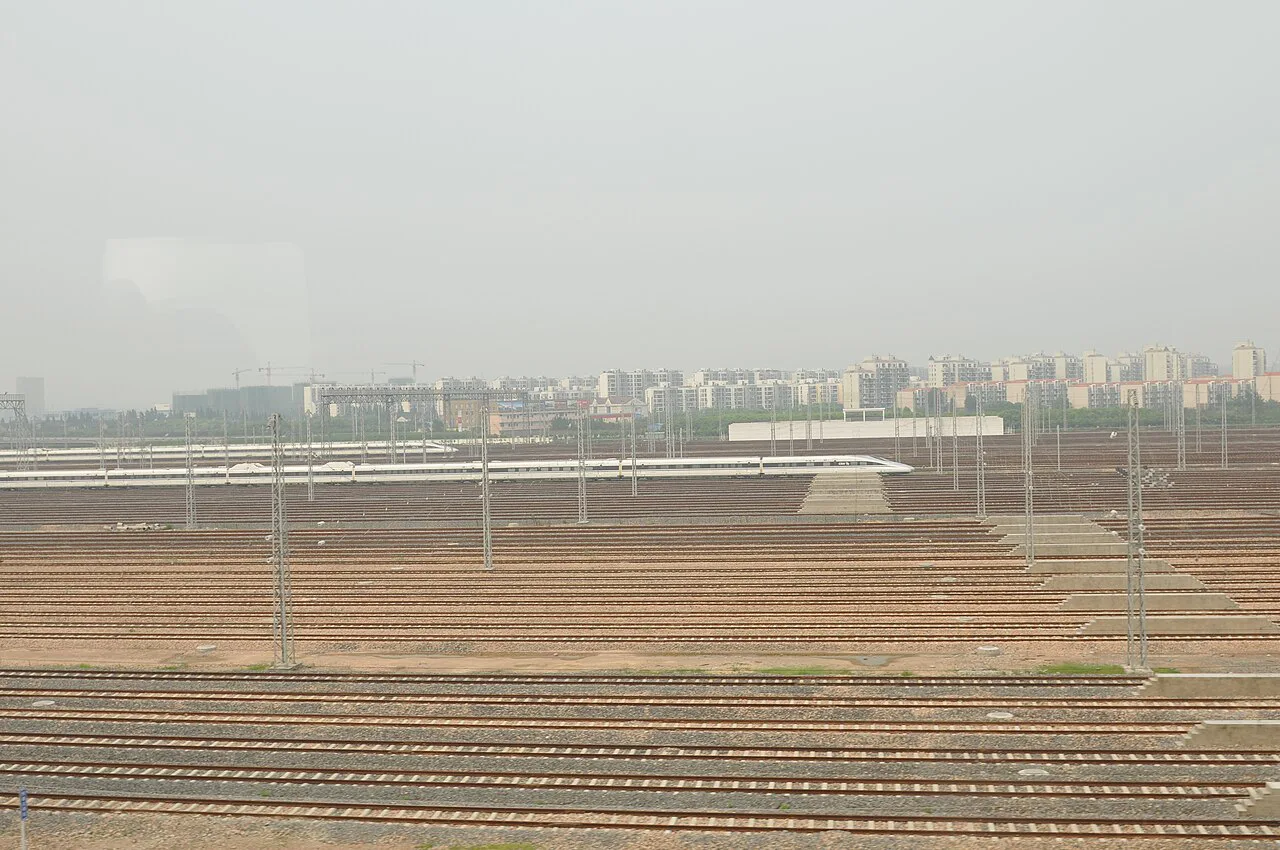
Featured image: N509FZ, CC BY-SA 4.0, via Wikimedia Commons.
China railway map: what the network looks like
China's rail system is built around what planners call the "eight vertical and eight horizontal" high-speed grid. Think of it as a frame of long corridors that link the big coastal cities with the interior. Older conventional lines run alongside and between those corridors. They reach towns that high-speed track skips.
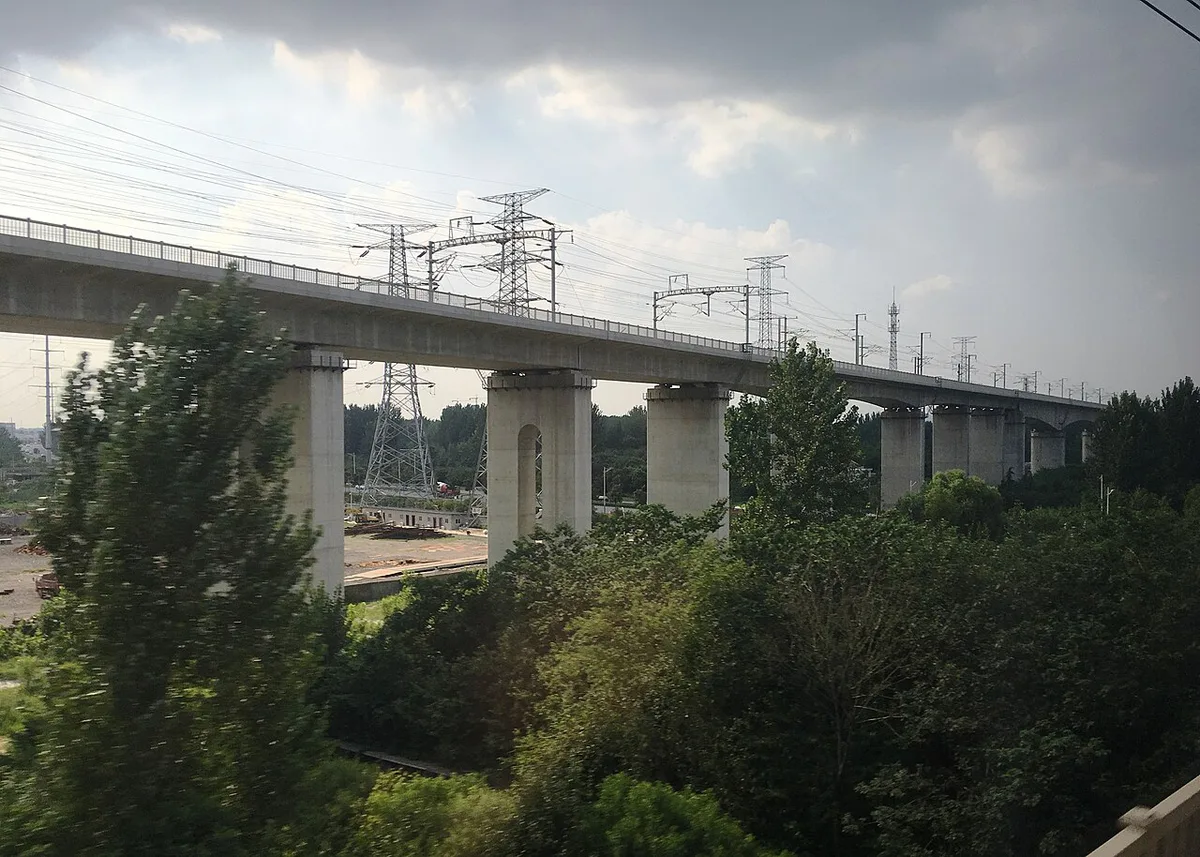
A good map draws the two layers differently. High-speed lines usually appear as bold or coloured strokes, and conventional lines as thinner ones. For a current official view of the network, start with China Railway's official site. If you want a printable image, pick an openly licensed network map from Wikimedia Commons and credit its licence in your own notes.
Your first decision is simple. Find your start and end cities on the map, then see whether a bold high-speed stroke joins them. If one does, high-speed is likely your fastest option. Our China train travel guide covers the wider picture.
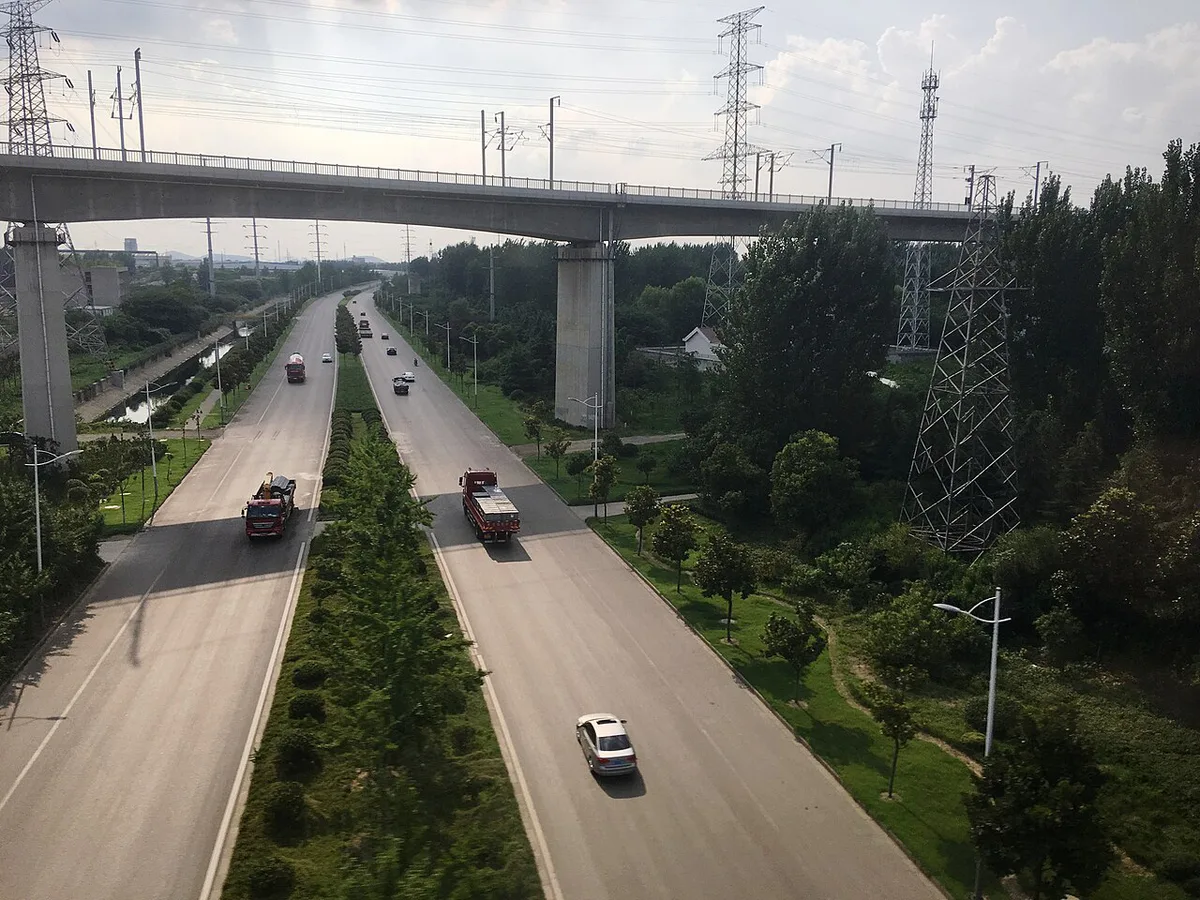
How to read the lines and train prefixes
A map shows which cities connect. It does not show how often trains run or how long a journey takes. Treat it as a first filter, then check timetables before you commit.
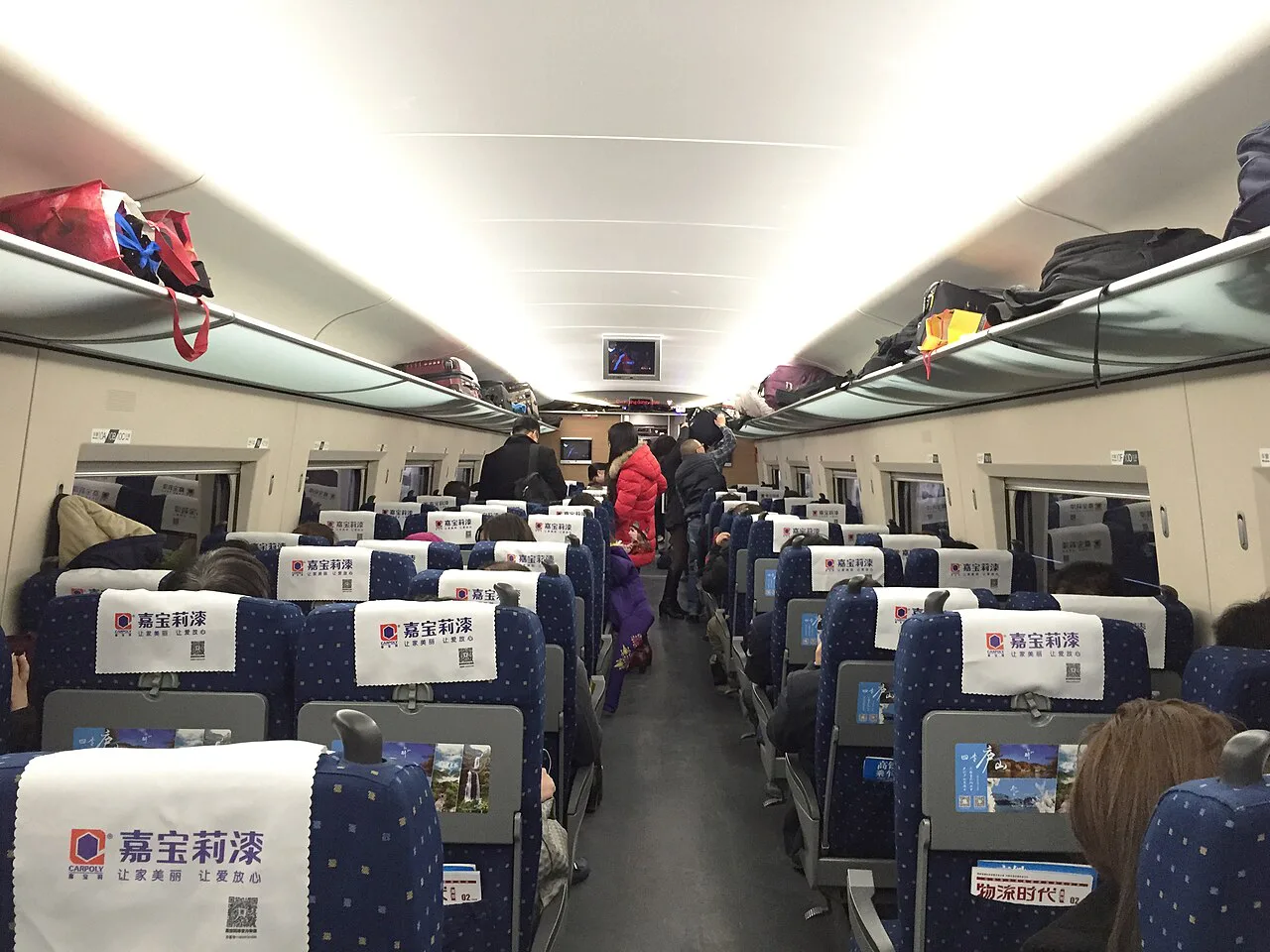
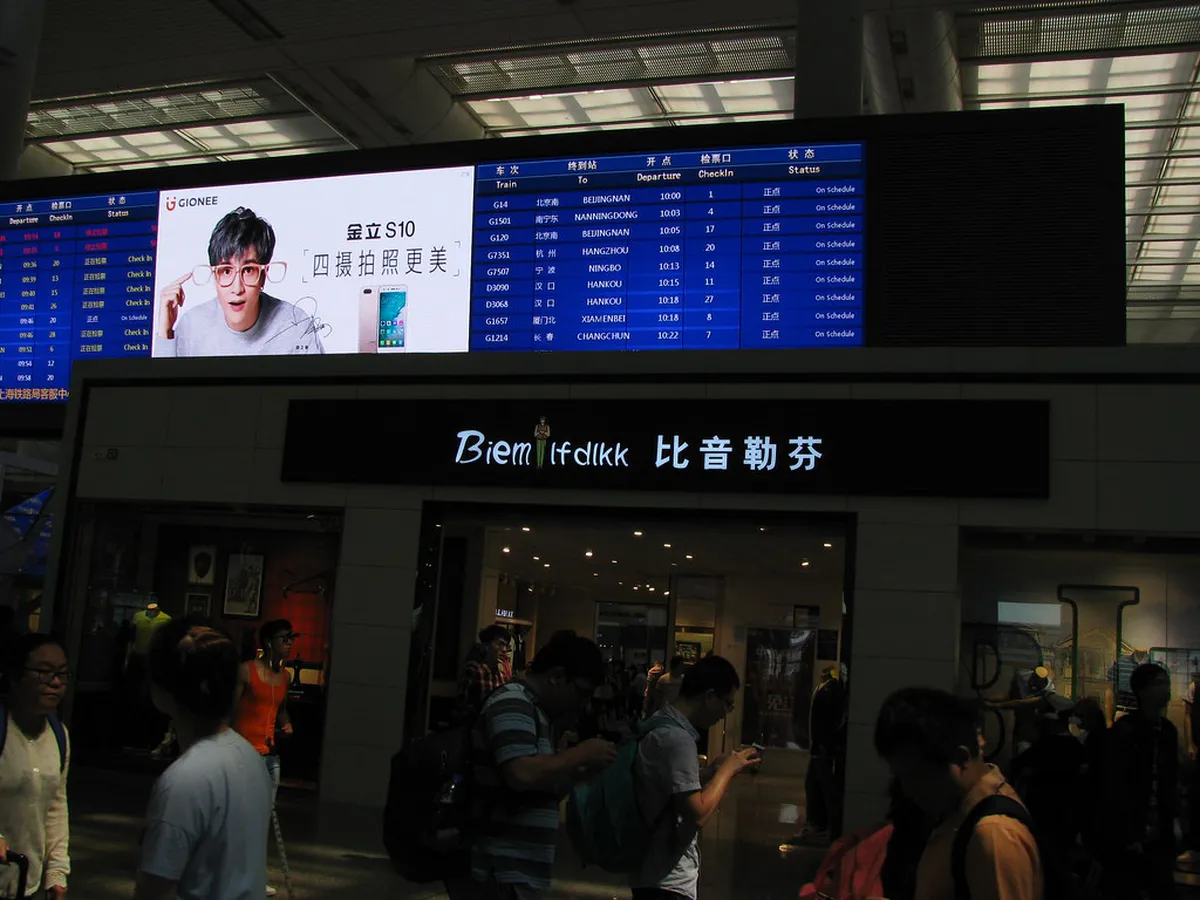
Train numbers start with a letter, and that letter tells you the service type. G and D prefixes mark high-speed and fast electric services. C marks short intercity trains. Z, T and K prefixes mark conventional services, and these include many overnight trains. Our guide to China Train Classes Explained: Second, First, Business, Sleepers explains each category and seat type.
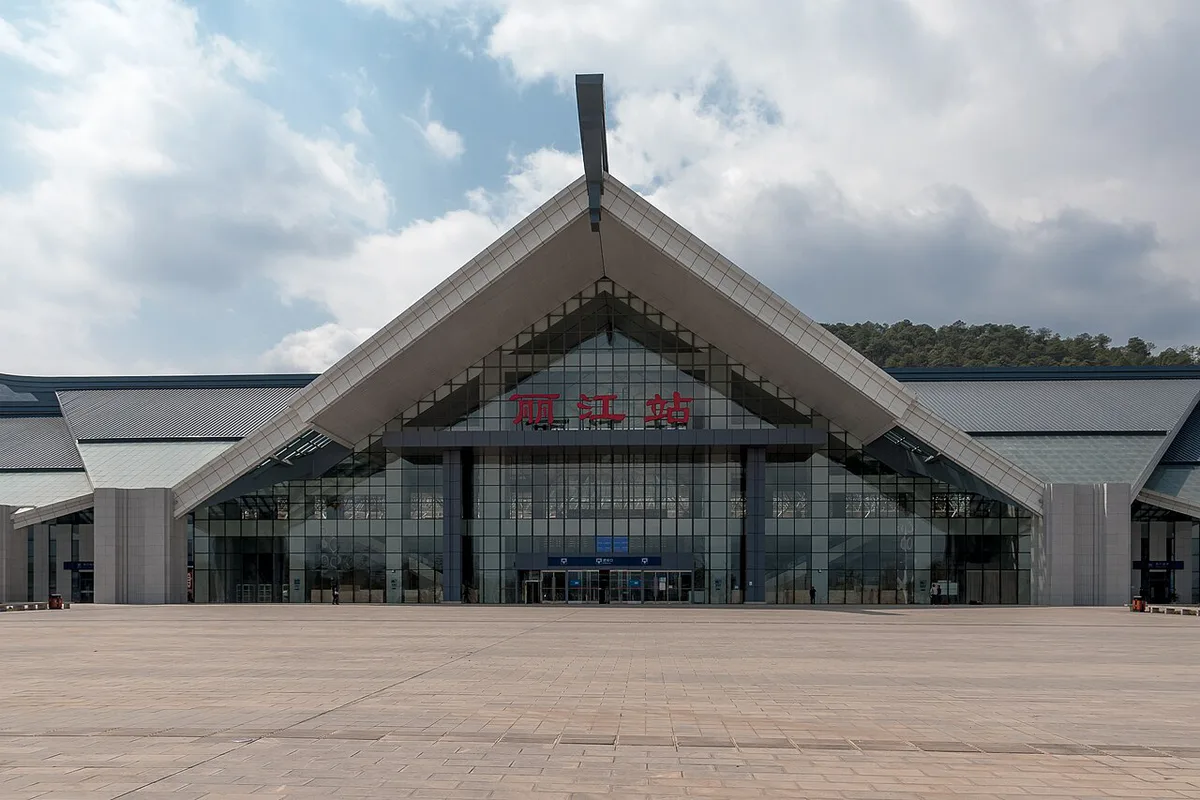
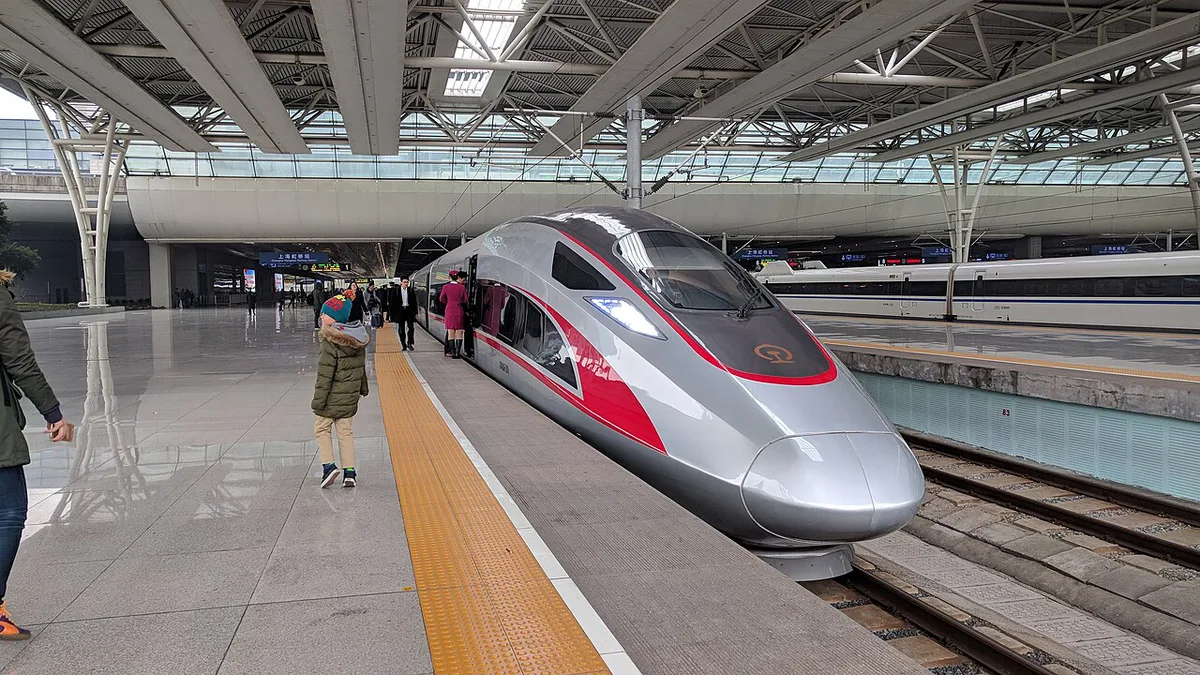
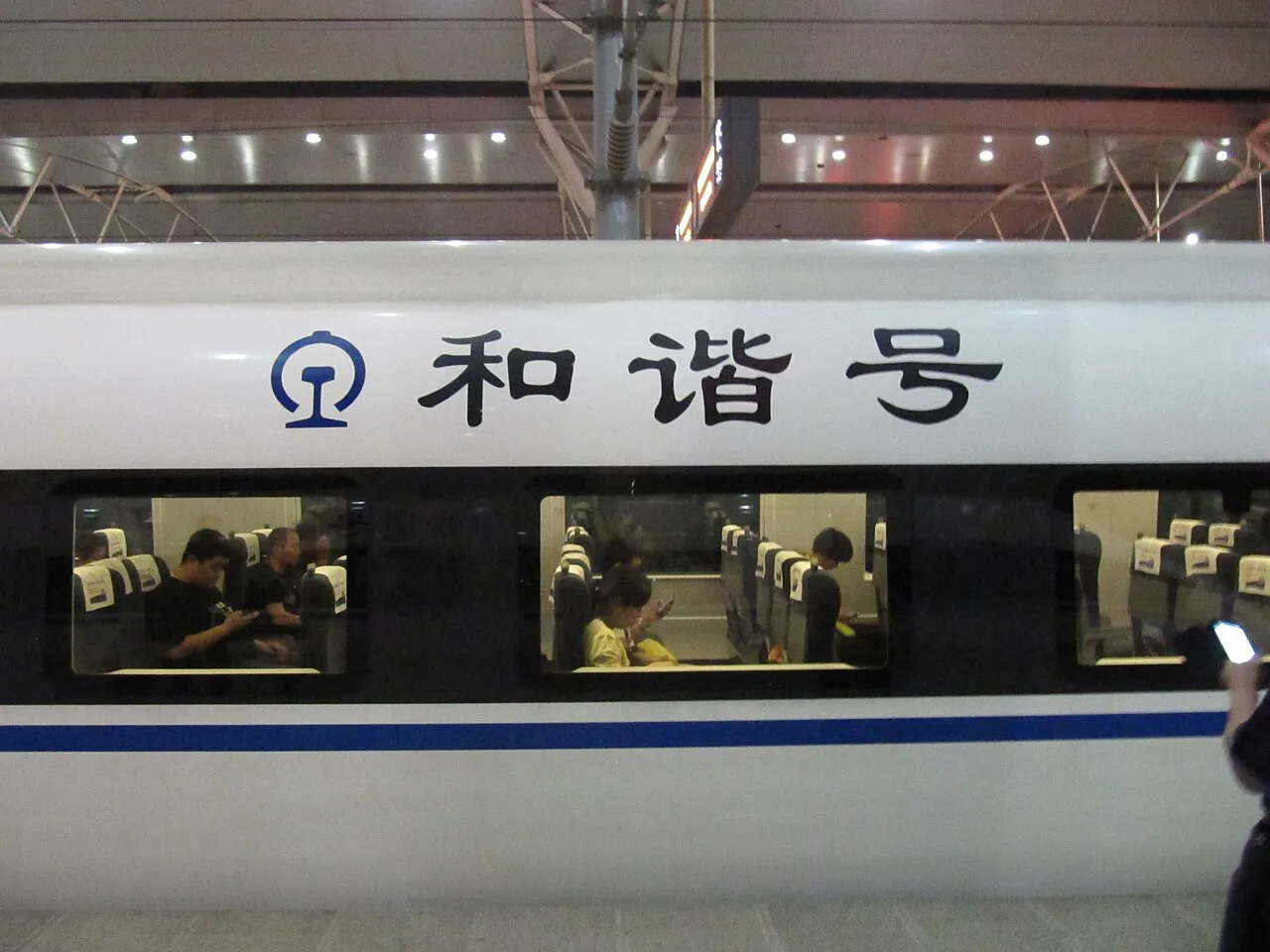
On the newest trains, you will often see the Fuxing brand name. Details are in our Fuxing train guide.
The practical rule is easy. Faster trains cost more. Slower trains cost less, and a sleeper can replace a hotel night. Fares vary by train type and date, so compare them on the booking platform you plan to use.
Main corridors on the China railway map
You do not need to learn every line. Most first trips use a handful of corridors, grouped here by region.
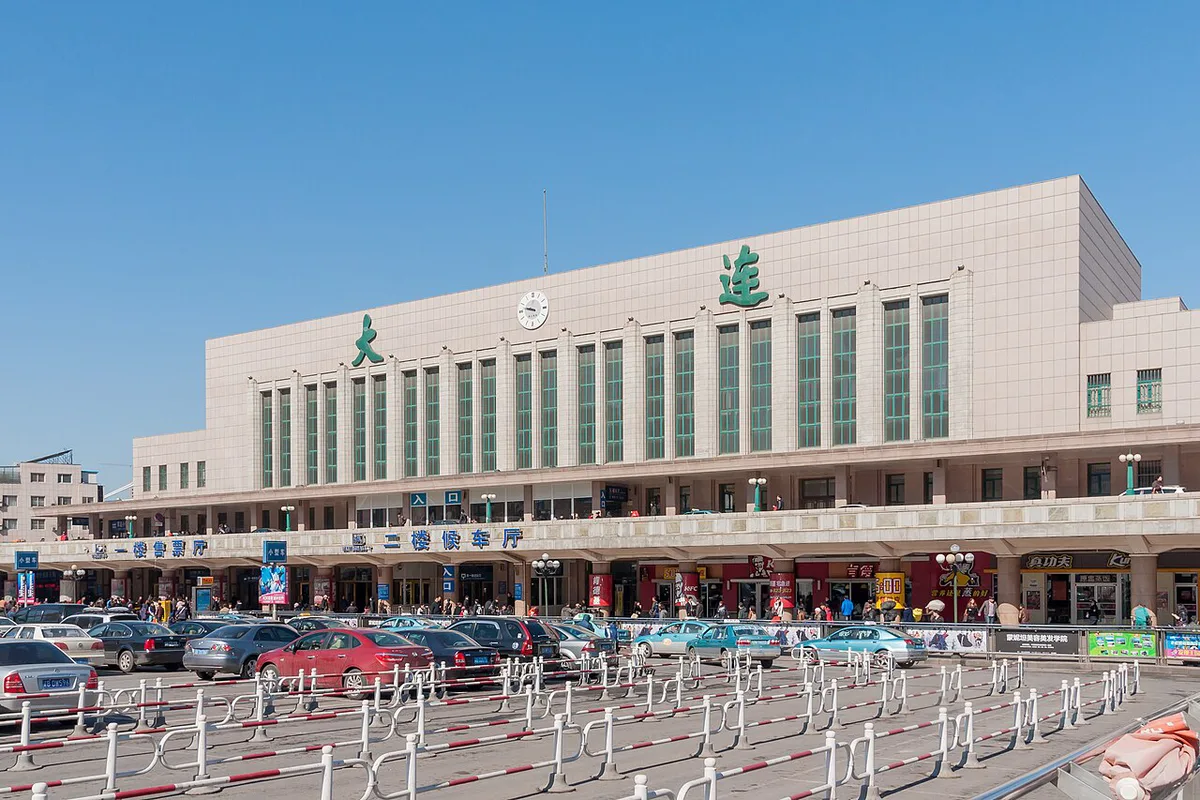
- East coast: the Beijing–Shanghai axis is the busiest tourist corridor. It links the capital with Shanghai through the eastern provinces.
- North and west: Beijing to Xi'an is the classic route to the terracotta warriors region. Xi'an has its own high-speed station, covered in our Xi'an North station guide.
- Southwest: Chengdu is the hub for Sichuan and the wider southwest. Shanghai–Kunming is another long east-west corridor that crosses the middle of the country.
- South: Beijing–Guangzhou runs the length of the country. Guangzhou is the gateway to the Pearl River Delta.
Use the map to plan a route in five steps

This short method turns a map into an itinerary. Work through it in order.
- Pick your endpoints. Choose the cities you actually want to sleep in, not just the ones on the line.
- Check for a direct high-speed line. If a bold stroke joins them, look up G and D trains on the 12306 English portal.
- Find the transfer city. If no direct line exists, trace the map to the nearest hub where two corridors cross.
- Compare train against flight. On long distances, add airport transfers and security time to the flight, and add station transfers to the train.
- Choose the train type. Take high-speed if you are short on time, or a sleeper if you want to save a hotel night.
Big-city station traps the map hides
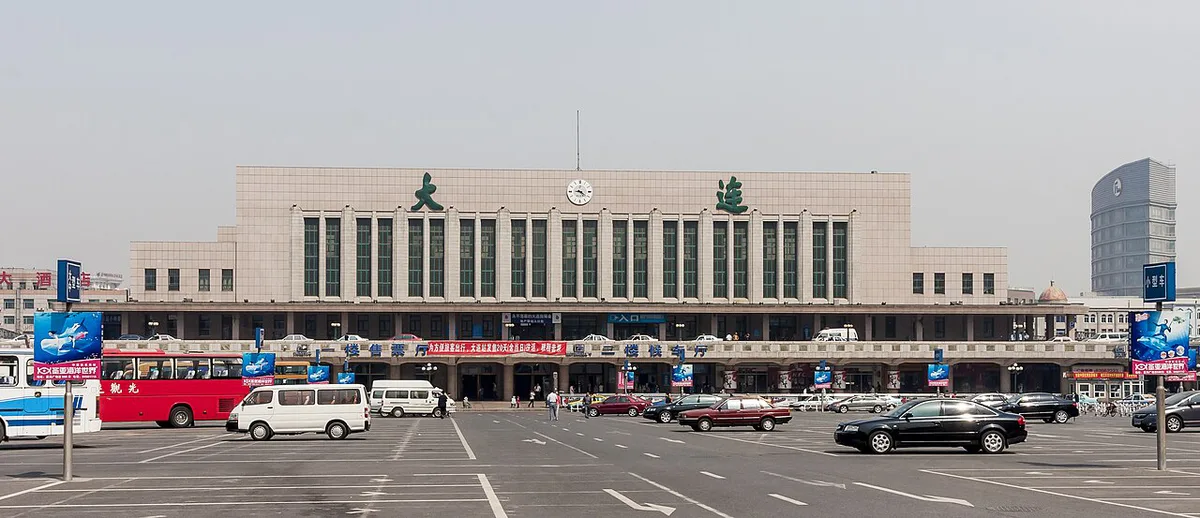
A city dot on the map hides the fact that Beijing, Shanghai and Guangzhou each have several major stations. Booking the right city but the wrong station can add a long metro ride to your day. Our China train stations guide explains how stations are named and organised.
In Beijing, compare Beijing South station with Beijing West station before you pay. In Shanghai, read about Shanghai Hongqiao and the older Shanghai Railway Station: Which Station, Metro & Tips. In Guangzhou, the main high-speed hub is covered in our Guangzhou South station guide. Chengdu travellers should read about Chengdu East station.
Treat the journey from your hotel to the station as part of the trip. Use the city's metro map to estimate it: Beijing Subway, Shanghai Metro and Guangzhou Metro each publish their own network maps. A fast train that leaves from a distant station can lose its advantage once you add the transfer. Families with bags should also read our China train luggage rules.
Sleeper trains vs high-speed trains
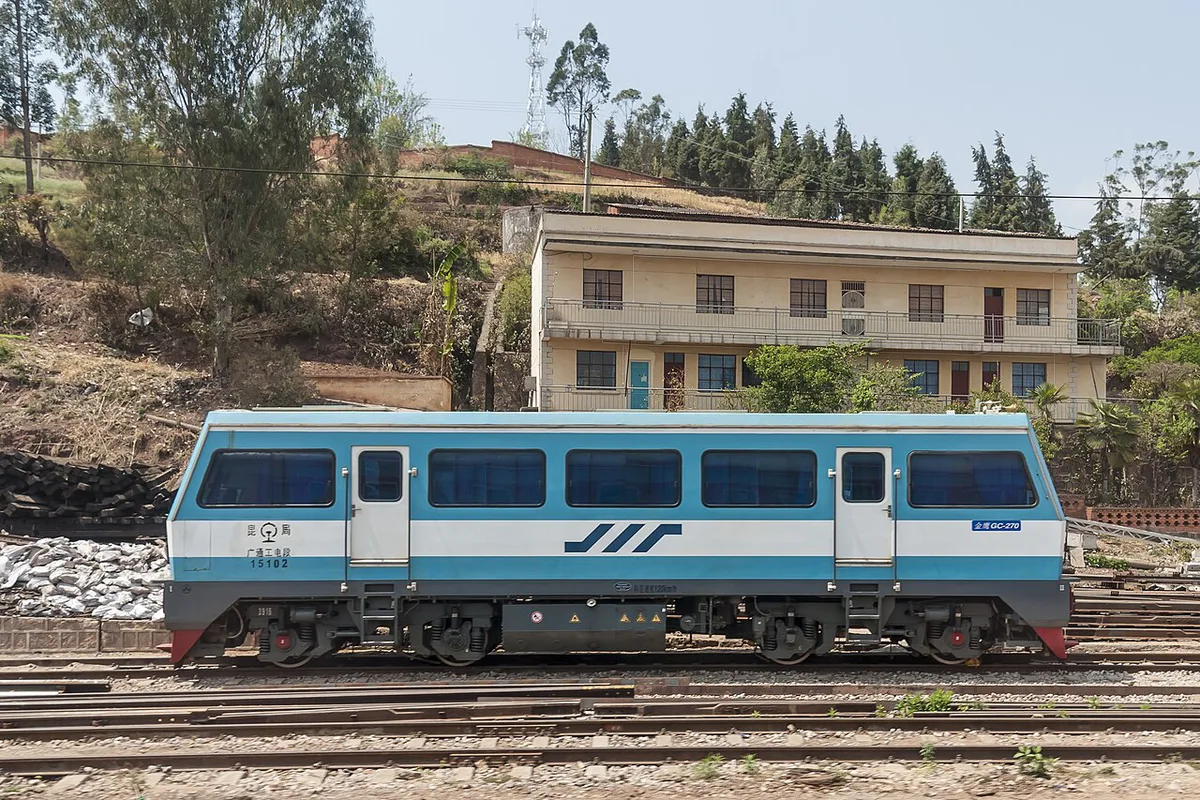
Long routes on the map are where a sleeper makes sense. You board in the evening, sleep on the train and arrive in the morning. That saves a hotel night and a daytime of travel. Read our China sleeper trains guide before you choose a berth type.
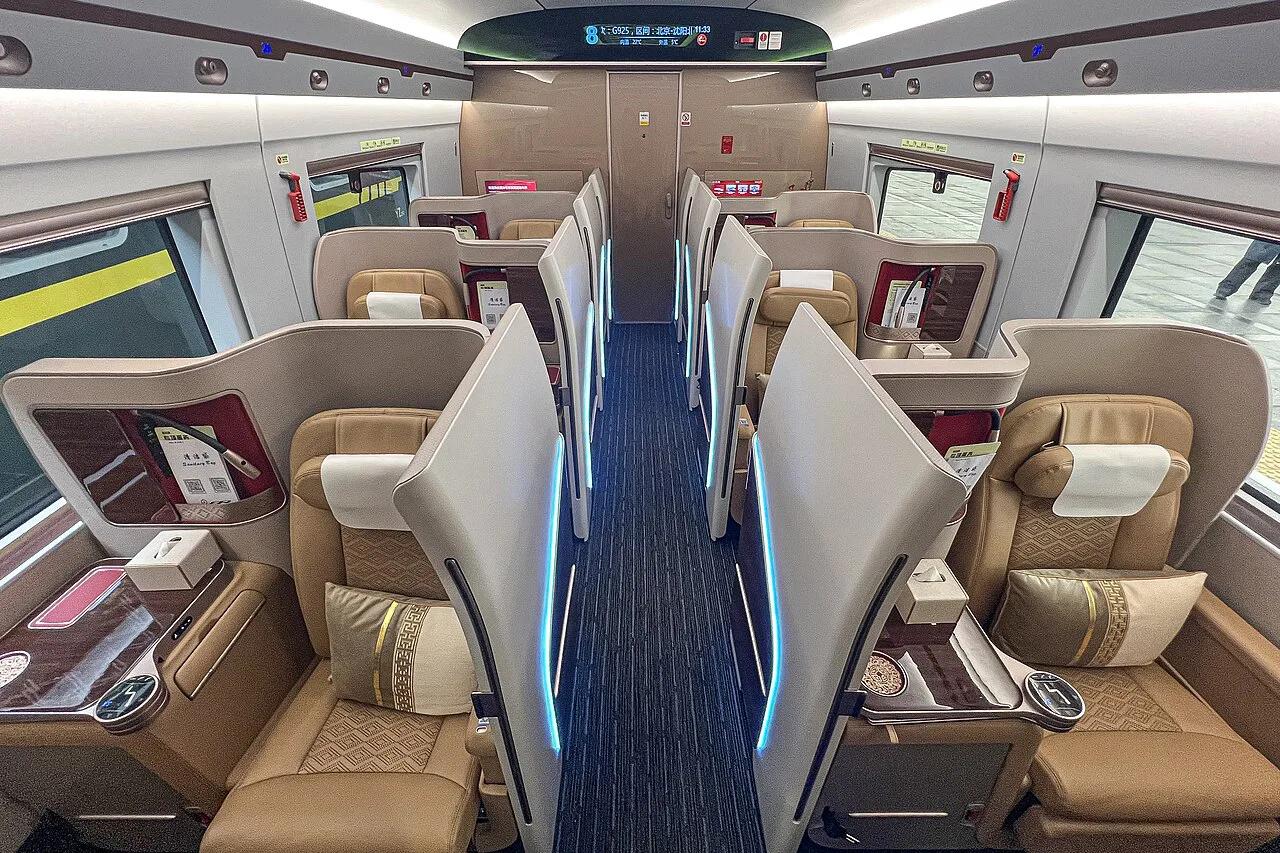
High-speed wins when time is short. It also suits first-timers, because stations and signage are easier to handle on those services. If you want more space and a quieter cabin, see our guide to high-speed business class.
Match the train to the traveller. Budget travellers lean towards conventional services, and families with luggage often prefer a direct high-speed train with no transfer. Travellers short on time should stay on the bold lines.
Map caveats: construction, holidays and timetables
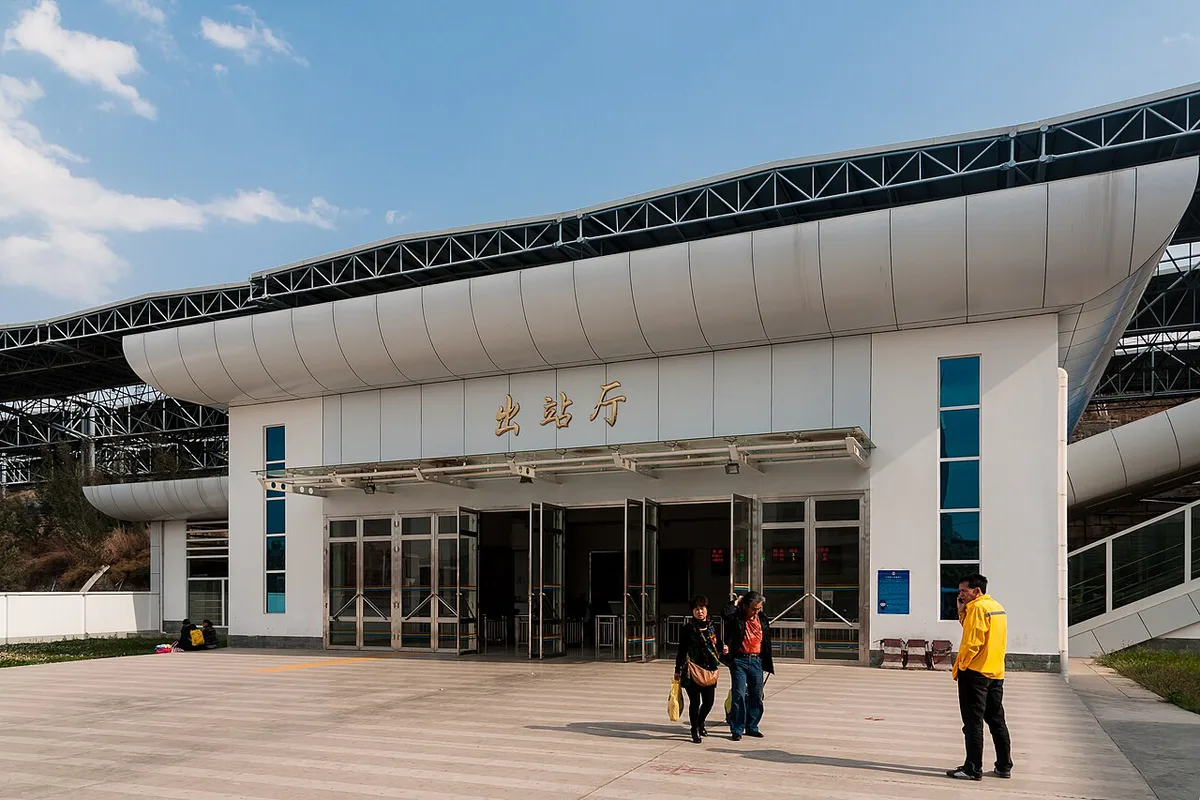
A map can be out of date. New lines open and timetables change, so check the official timetable before you build a fixed itinerary. Lines under construction may still appear on some maps.
Peak holidays are the other limit. Popular trains sell out and ticket sale windows restrict last-minute changes. Book early for travel around national holidays.
Booking and next steps
Once your route is clear, move to booking. Our guide to booking train tickets in China covers the full process. Many visitors use the 12306 English: Book China Trains With a Passport directly. Others prefer an English-language agent such as Trip.com for China train tickets.
Matching the G and D prefixes from the train numbers against 12306 lets you confirm a fast service before you book.
Save your planned route as a short list of cities, stations and train types. Then check each leg against the current timetable before you pay.
Notes on Asia's railways
Optional updates when we revise our train and route guides.
You might also like
Continue reading
More guides you'll find useful