
Guangzhou South Railway Station Guide: Getting There
Plan your trip through Guangzhou South Railway Station: how to get there, how early to arrive, ticket tips and onward routes, with the key trade-offs.
On this page
Last updated November 2026: Guangzhou South Railway Station (广州南站) is Guangzhou's main high-speed rail hub, in Panyu district and well south of the old city center. It handles trains on the Beijing–Guangzhou line and the Guangzhou–Shenzhen–Hong Kong line to Hong Kong West Kowloon. Check that your ticket says Guangzhou South before you leave the hotel, and use our China train guide for the wider network.
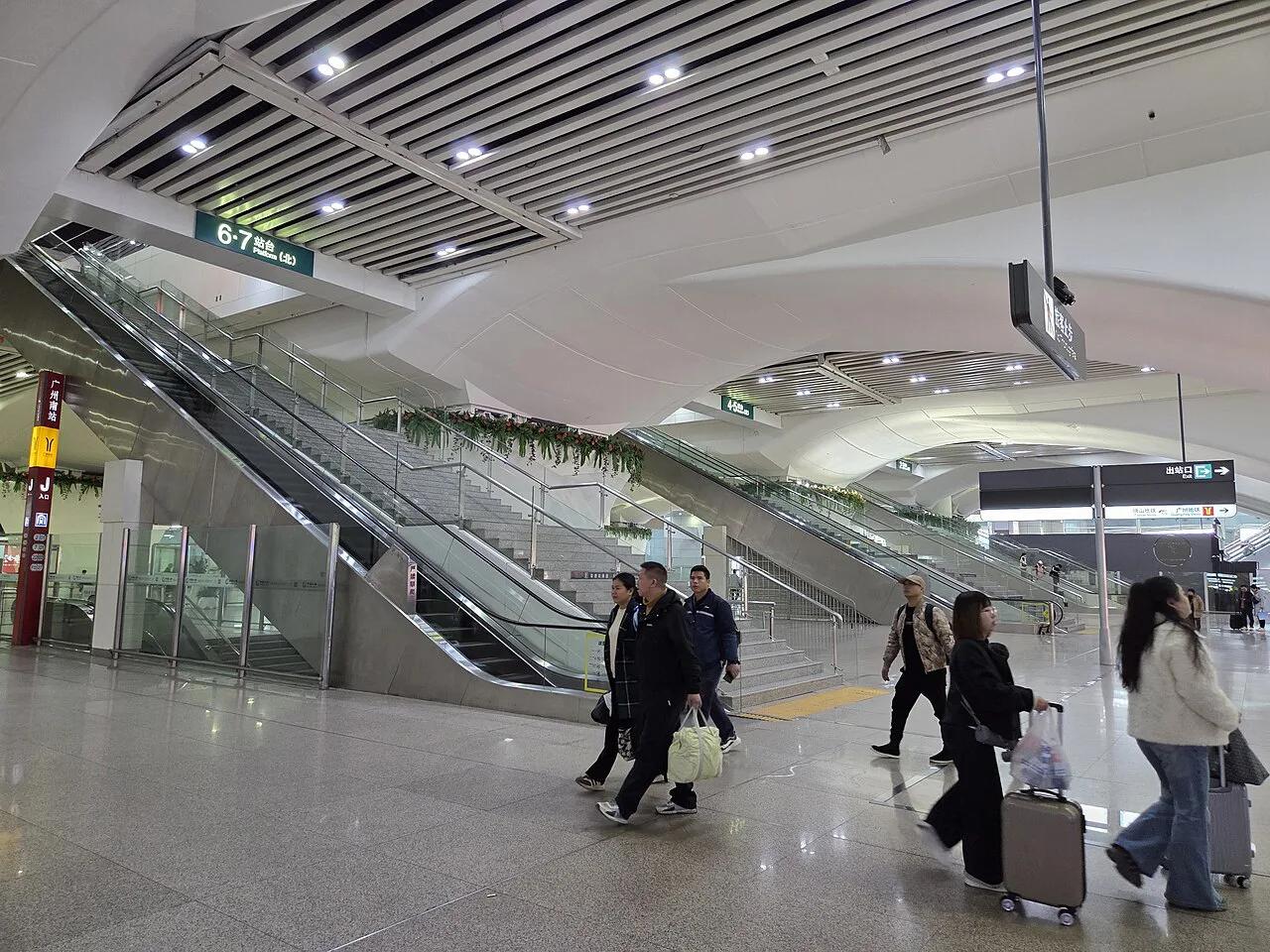
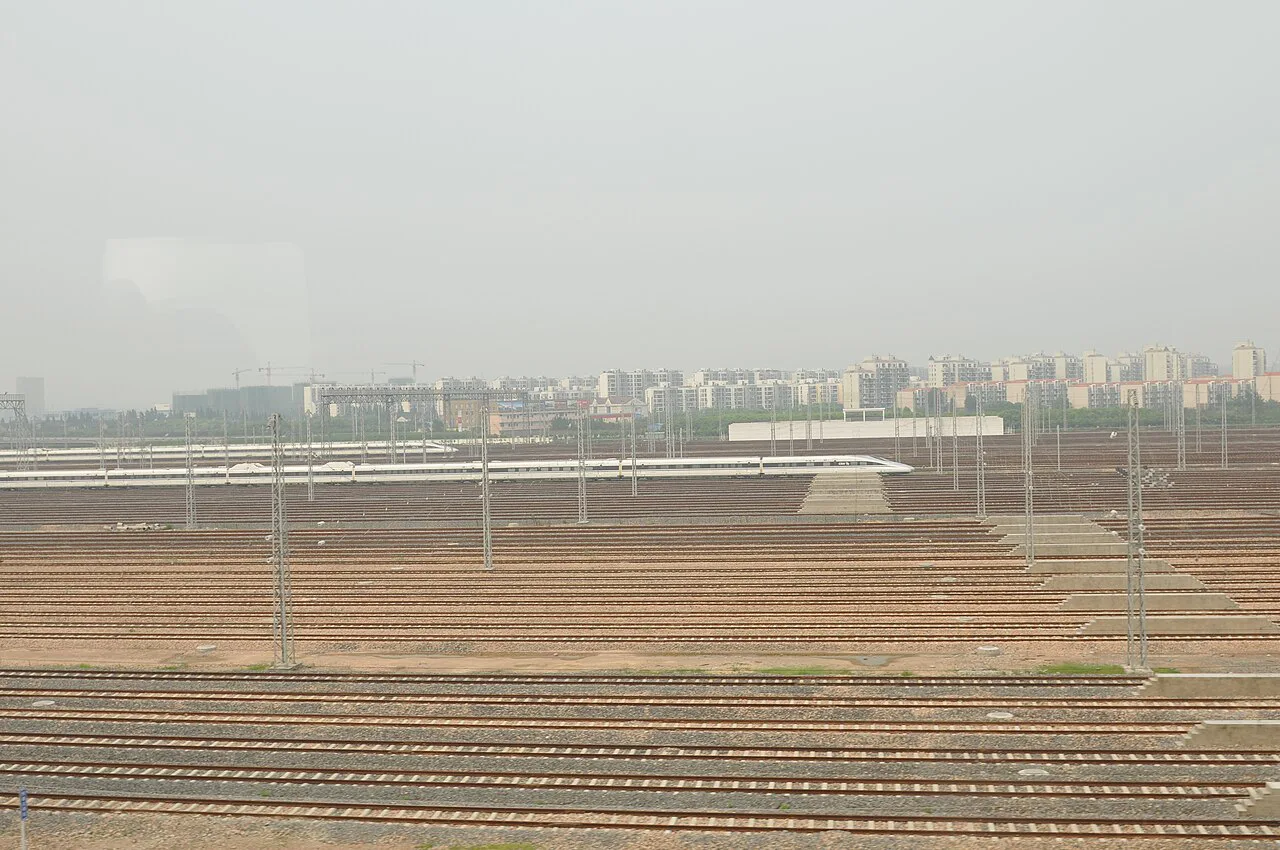
Featured image: Rc1959, CC BY-SA 4.0, via Wikimedia Commons.
Guangzhou South Railway Station at a Glance
Guangzhou South is a high-speed station, not a sleeper or slow-train stop. Its Chinese name, 广州南站, is the text to show a taxi driver or match against your ticket. Panyu district sits south of central Guangzhou, so expect a real transfer between the station and downtown hotels. Plan that leg as part of the trip rather than an afterthought. Two long-distance corridors meet here: the Beijing–Guangzhou line and the Guangzhou–Shenzhen–Hong Kong line. For wider context on how stations fit into the network, see our China station guide.
- Chinese name: 广州南站
- District: Panyu, south of the old center
- Best for: high-speed trains toward Shenzhen, Hong Kong West Kowloon and the north
- Check first: the station name printed on your ticket
Which Guangzhou Station Do You Need?
Guangzhou has several rail stations, and the name on your ticket decides where you go. Guangzhou South is the high-speed hub. Guangzhou East (Guangzhoudong), Guangzhou and Guangzhou North serve other flows of traffic. Roles shift over time, so read the departure station on your booking rather than assuming. Searching for "Guangzhou" in a booking app can return several stations. Always pick the one named 广州南 if you want this hub.
| Station | Typical use | Who it suits |
|---|---|---|
| Guangzhou South (广州南) | High-speed trains, Hong Kong West Kowloon, Shenzhen, long-distance routes | Most visitors on fast trains |
| Guangzhou East (广州东) | Other rail services, check your train | Travelers whose ticket names it |
| Guangzhou (广州) | Other rail services, check your train | Travelers whose ticket names it |
| Guangzhou North (广州北) | Other rail services, check your train | Travelers whose ticket names it |
How to Get to Guangzhou South Station
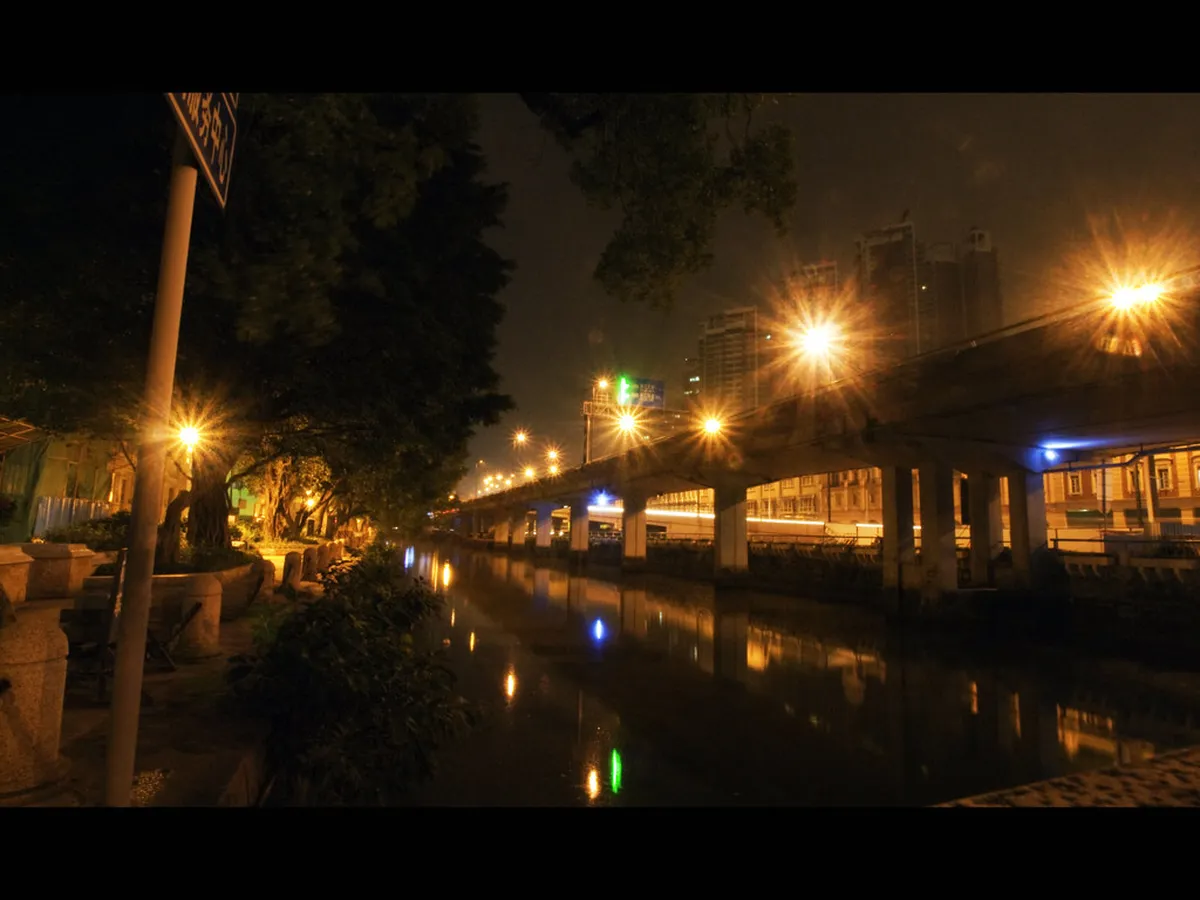
Three options cover most trips: metro, taxi or ride-hailing, and a rail connection from another station. Guangzhou South is linked to the city's metro, and Guangzhou Metro publishes line maps and station details. Check which line suits your starting point before you set out. Metro is cheap and avoids traffic, but stairs and crowds make heavy bags hard work. Taxis and ride-hailing cost more and take the door-to-door load off you. Travel time then depends on traffic, which is worst at rush hour. Show the driver 广州南站 on your phone to avoid confusion with other stations. For heavy bags, read our train luggage tips before you pack.
| Option | Cost level | Time | Luggage-friendliness | Main risk |
|---|---|---|---|---|
| Metro | Low | Predictable, avoids road traffic | Low to medium at rush hour | Crowds, stairs and transfers |
| Taxi or ride-hailing | Medium | Varies with traffic | High | Congestion, wrong-station mix-ups |
| Rail from another station | Low to medium | Depends on the connection | Medium | Tight transfers |
How Early to Arrive and What Happens Inside
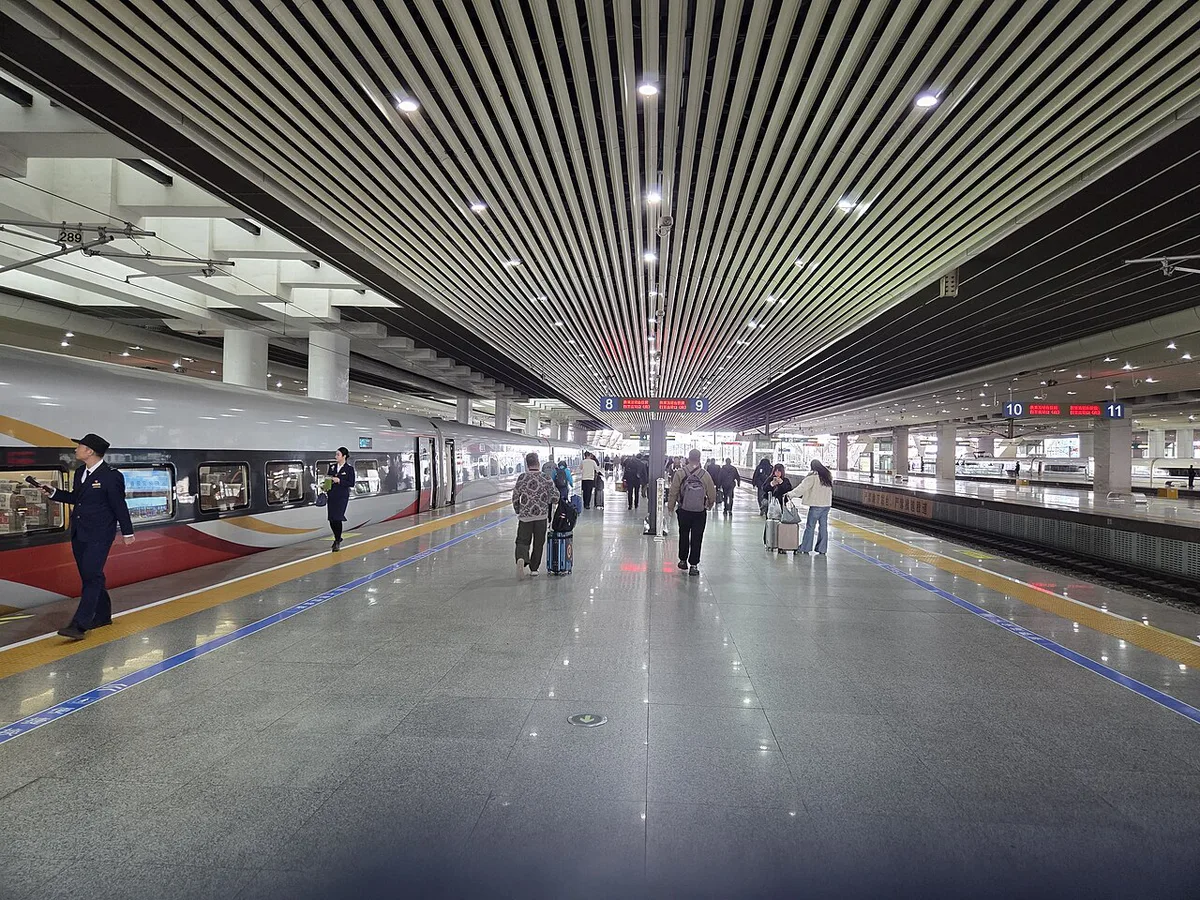
Arrive with a comfortable buffer, because you pass through several checks before the platform. First comes a security screening of bags. Then you scan your passport or ID card at the ticket gate. Foreign visitors scan the same passport used to book. Allow extra time on public holidays and Friday evenings, when queues build at the gates. Waiting halls sit before the gates, and your train number appears on the departure boards. Station layouts change, so follow signs and staff directions. English signage is common at major hubs but not guaranteed, so keep the Chinese name of your destination ready. Check the platform number against your ticket, and do not wait to board until your gate opens.
- Security check at the entrance
- Passport scan at the ticket gate
- Waiting hall until the gate opens
- Platform number printed on your ticket
Popular High-Speed Routes From Guangzhou South
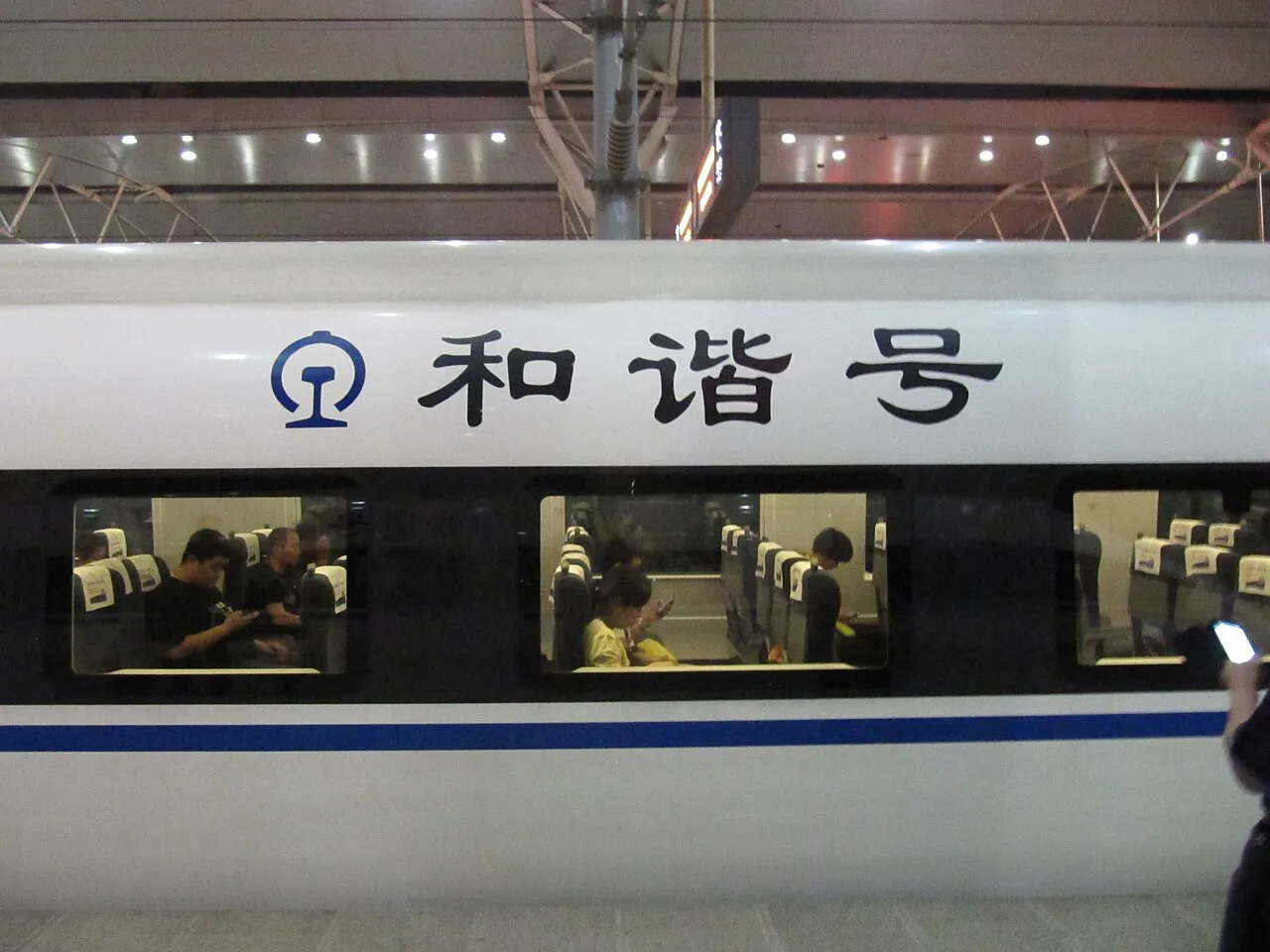
The station's two main corridors shape its destinations. The Guangzhou–Shenzhen–Hong Kong line runs through to West Kowloon, which makes it the natural choice for crossing the border by rail. The Beijing–Guangzhou line runs north toward the capital. Our China Railway Map: How to Read the Network and Plan a Route shows how these lines connect with other hubs. Fuxing trains are the modern fast sets on many of these services; see our Fuxing guide for what to expect on board. Journey times and train numbers change with the timetable, so read them from your booking app rather than from a static page. Not every train stops here, and some services call at a different Guangzhou station.
- Hong Kong West Kowloon via the Guangzhou–Shenzhen–Hong Kong line
- Shenzhen on the same corridor
- Beijing via the Beijing–Guangzhou line
Tickets and Booking
Book on the official 12306 English portal or through a travel agent app. Our step-by-step booking guide walks through the process. The 12306 app guide covers registration and passport verification. Trip.com is often easier for first-timers, and our Trip.com booking page explains what that route involves. Passport holders collect paper tickets at a station counter or machine, or simply scan the passport at the gate when an electronic ticket is issued. Prices are set by the operator and change by train and date, so read the fare on the booking screen. Seat choice matters on long hauls. Compare options in our seat class guide. For a quieter ride, see business class on high-speed trains. If you miss your train, go to a ticket counter with your passport as soon as possible, because rebooking rules depend on the ticket.
Pair the official 12306 English portal with the station name 广州南站 when searching, since apps can return several Guangzhou stations.
Where to Stay and What to Do Nearby
Stay near the station only for an early departure. Panyu district offers little for a sightseeing stopover, and the main attractions sit in central Guangzhou. For a short layover, stay inside the station, eat there and keep your bags with you. For a longer one, take the metro into the center and return with a generous buffer. Large stations are sights in their own right, with a vast concourse worth a few photos, but treat that as a bonus rather than a reason to visit.
Common Mistakes to Avoid
Most problems come from small planning errors. Do not assume "Guangzhou" means this station. Do not leave your passport in a checked bag, since you need it at the gate. Do not take a crowded metro at rush hour with large luggage if a taxi is an option. Do not plan a tight connection between two stations in different parts of the city. If you continue to other major hubs, see our guides to Beijing South, Shanghai Hongqiao and Chengdu East.
Frequently Asked Questions
What is the difference between Guangzhou East and Guangzhou South?
Guangzhou South (广州南) is the main high-speed hub in Panyu district. Guangzhou East (广州东) is a separate station with its own services. Read the station name on your ticket and go to that one.
How do I get from Guangzhou Baiyun Airport to Guangzhou South railway station?
Use the metro or a taxi. Metro is cheaper but harder with luggage, and taxis depend on traffic. Check line details on the Guangzhou Metro site before you set out.
Notes on Asia's railways
Optional updates when we revise our train and route guides.
You might also like


Continue reading
More guides you'll find useful