
7 Qinghai Tibet Railway Routes to Lhasa: Times & Fares
Qinghai-Tibet Railway guide: 1,956 km Xining–Lhasa line, 7 direct train routes, journey times, approx. fares, altitude tips and booking basics for 2026.
On this page
Last updated November 2026: the Qinghai Tibet Railway links Xining to Lhasa over 1,956 km, and Xining–Lhasa trains take roughly 20 to 22 hours. Through trains from Beijing, Shanghai, Chengdu, Guangzhou and Chongqing use the same line. Below you will find seven direct routes, a comparison table, a section-by-section timetable and the booking rules.
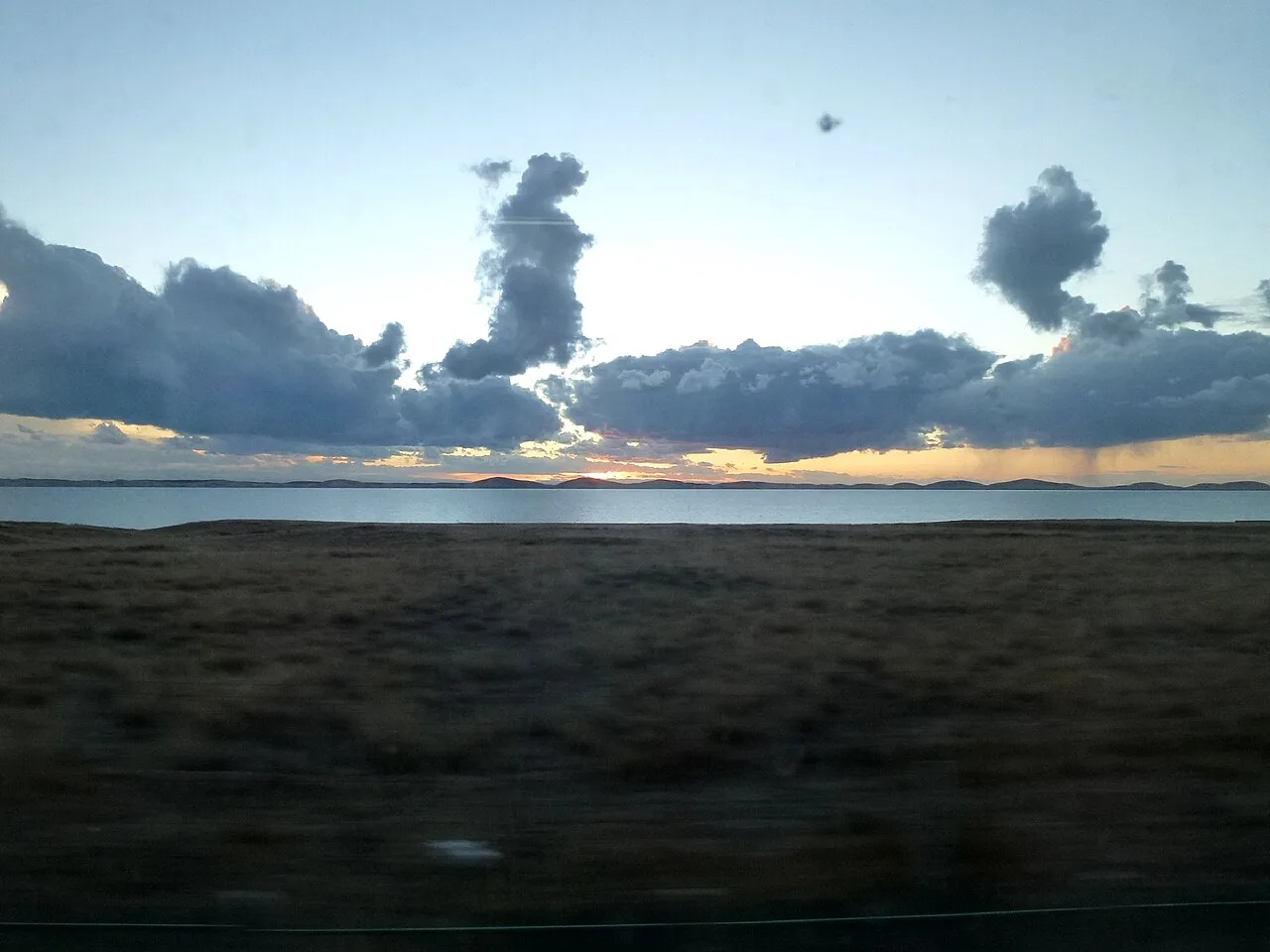
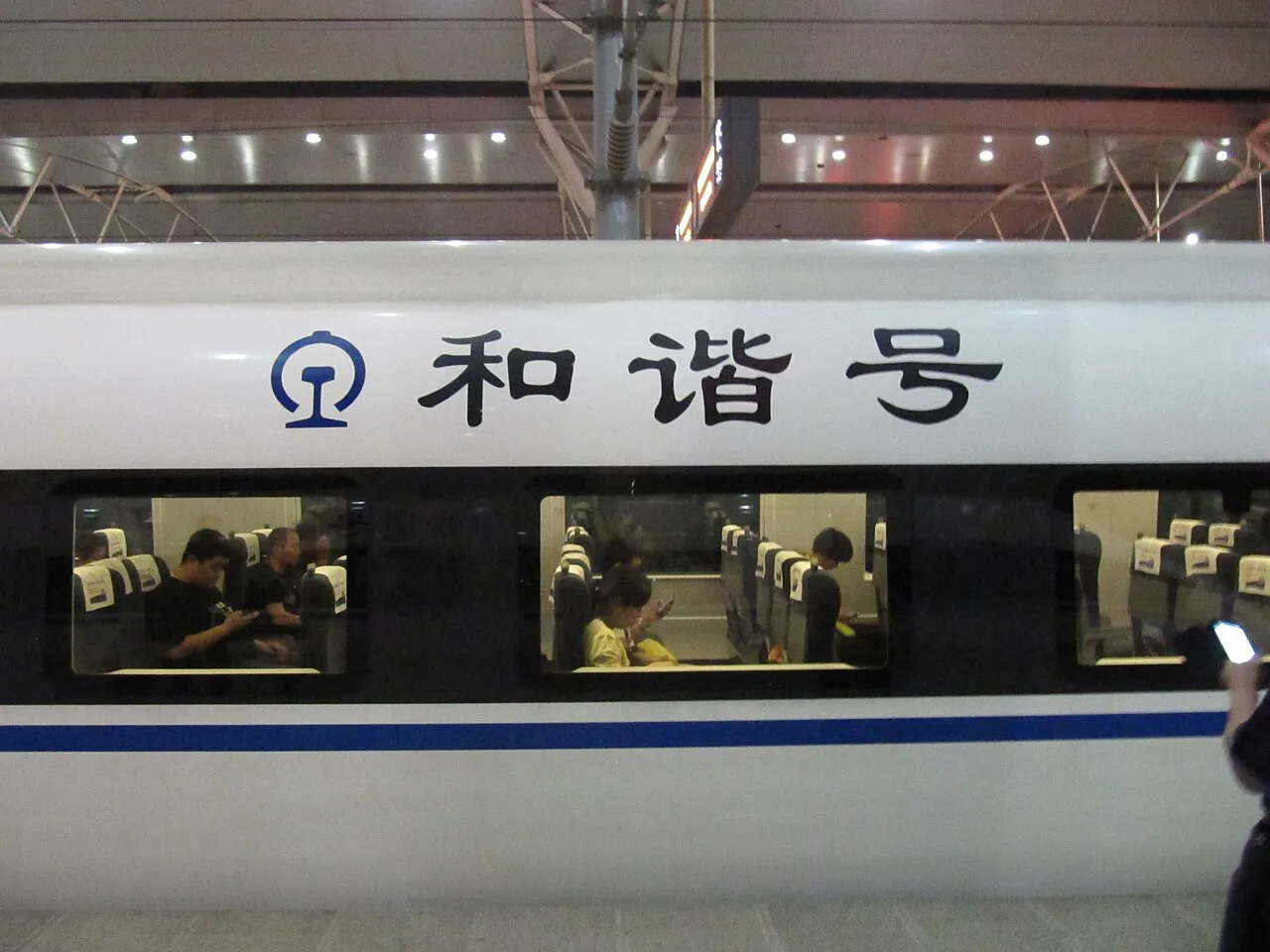
Featured image: Hiroki Ogawa, CC BY 3.0, via Wikimedia Commons.
Qinghai Tibet Railway at a Glance
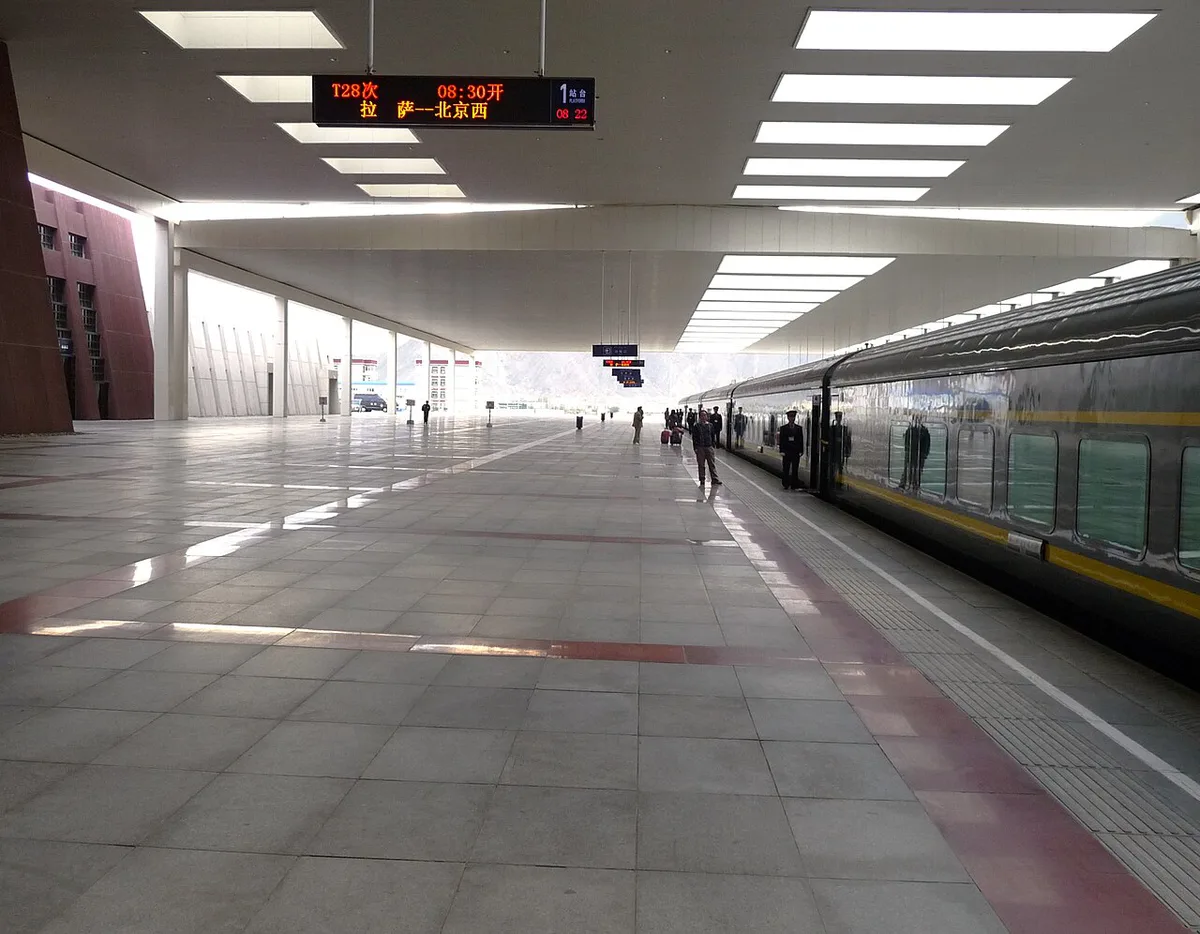
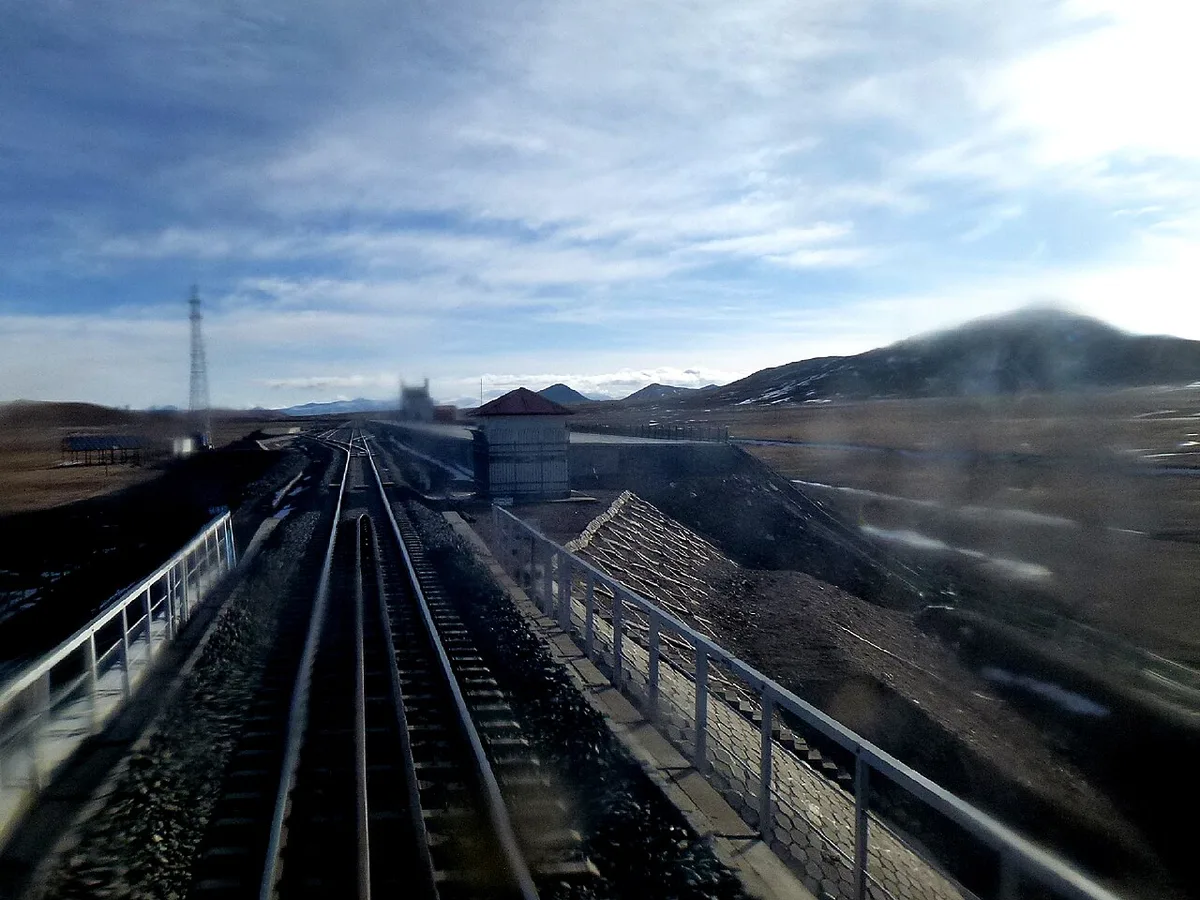
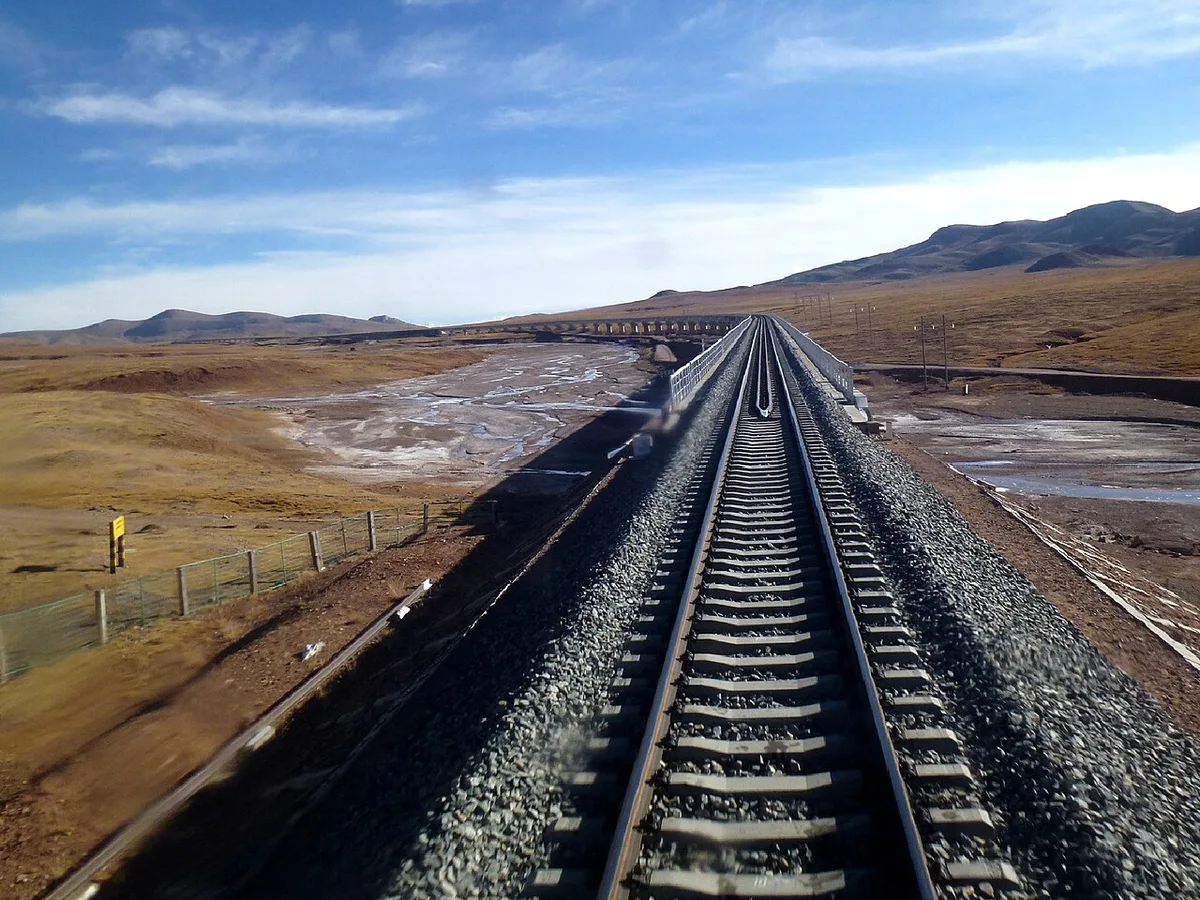
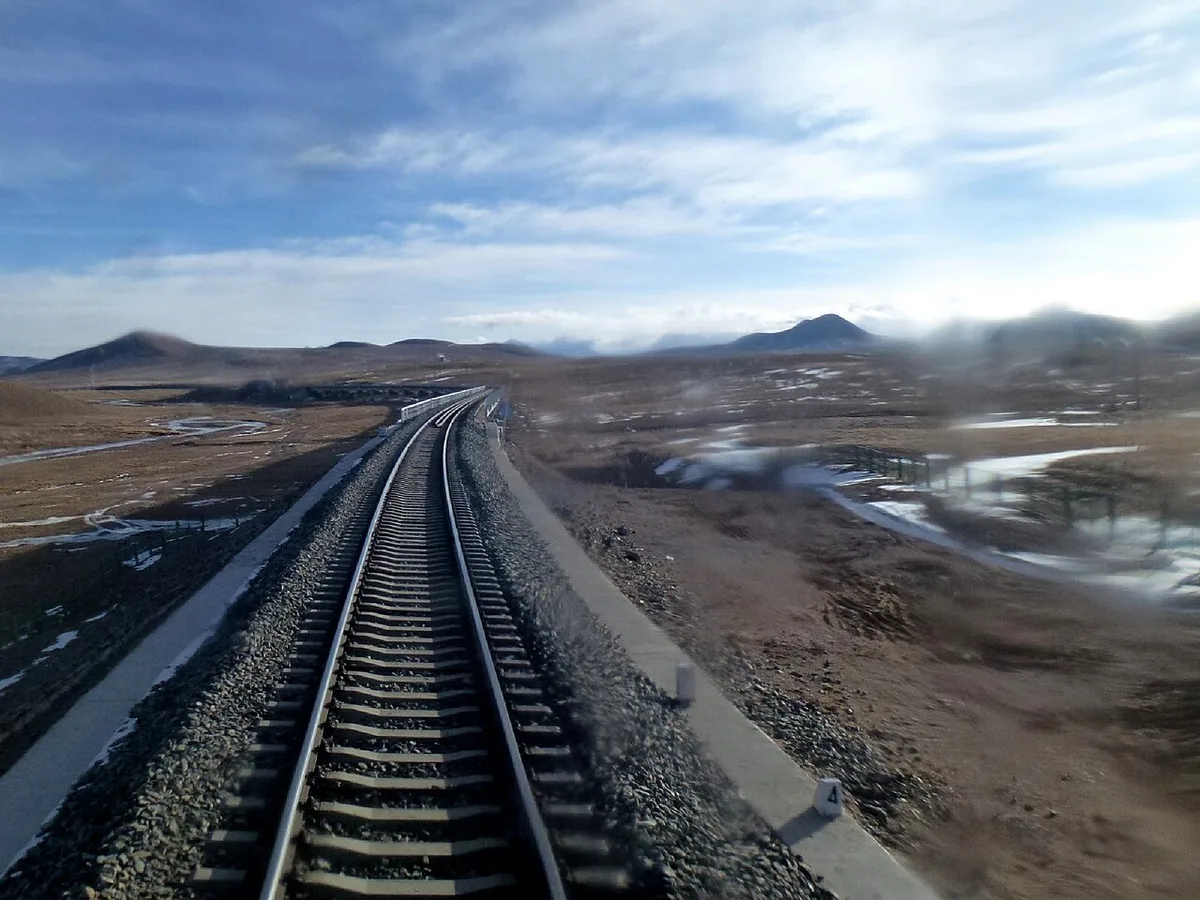
Trains began running the whole line on 1 July 2006. Xining to Golmud is the older stretch, completed in 1984. Golmud to Lhasa is the section finished in 2006, and almost half of it sits on permafrost. About 960 km of the line lies above 4,000 m. Published figures for Tanggula, the highest point, run from 5,027 m to 5,068 m. This guide uses 5,068 m. Whichever figure you prefer, it is the highest point on any railway in the world.
| Fact | Detail |
|---|---|
| Opened | 1 July 2006 (Golmud–Lhasa); Xining–Golmud completed 1984 |
| Length | 1,956 km (1,215 miles), Xining to Lhasa |
| Key stations | Xining, Delingha, Golmud, Amdo, Tanggula, Nagqu, Damxung, Lhasa |
| Highest point | Tanggula, 5,068 m (guide figure) |
| Line speed | 140 km/h Xining–Golmud; 100 km/h on permafrost and 120 km/h elsewhere, Golmud–Lhasa |
| Extension | Lhasa–Shigatse, opened August 2014, 120 km/h |
7 Direct Train Routes on the Qinghai Tibet Railway
Prices and timetables checked November 2026. Fares below are approximate one-way figures in yuan and shift with season and class. Train numbers are reassigned from time to time, so match them against the 12306 listing before you buy. Each route below ends at Lhasa and uses the same track across the plateau.
1. Xining to Lhasa (Z8981 / Z8991)
Xining is the true start of the line and the shortest way to ride it. Z8981 leaves Xining at 12:50 and reaches Lhasa at 10:20, a 21 hour 30 minute trip. Z8991 leaves at 21:50 and arrives at 17:39, taking 19 hours 49 minutes. Approximate fares are ¥781 soft sleeper, ¥495 hard sleeper and ¥224 hard seat.
Xining sits at 2,300 m, so you can spend a night or two there before boarding. Our Xining to Lhasa train guide covers seats and stations in detail. Skip it if you want a multi-night rail journey rather than a single plateau crossing.
2. Lanzhou to Lhasa (K917)
Lanzhou is a connecting hub with five through-services passing it, from Beijing, Shanghai, Chengdu, Chongqing and Guangzhou. K917 is the one train that starts here. Departure is at 12:13 and arrival in Lhasa is at 14:55 on day two. Distance is about 2,240 km and the trip takes around 26 hours. Expect to pay roughly ¥550.
Lanzhou sits about 228 km east of Xining, so you share the final plateau stretch with Xining passengers. Skip it if you want daylight on the highest section, since much of the climb comes overnight.
3. Chengdu to Lhasa (Z322 / Z324)
Chengdu is the middle option between Xining's short hop and the multi-night runs from the east coast. Departure is from Chengdu West at 21:11, and the service runs every other day. Arrival in Lhasa is at 07:41 on day three after about 34 hours 30 minutes and 3,070 km. Approximate fares are ¥1,034.5 soft sleeper, ¥663.5 hard sleeper and ¥302.5 hard seat.
Read Chengdu to Lhasa options to compare this train with other ways to reach Tibet. Skip it if your dates are fixed, because the every-other-day schedule can miss your window.
4. Chongqing to Lhasa (Z223)
Chongqing trains travel via Xining and also run every other day. Departure is at 17:06, and arrival in Lhasa is at 16:50 on day three. Total distance is 3,654 km over about 47 hours. Soft sleepers cost about ¥1,200 and hard sleepers about ¥750.
Two nights aboard give you time to settle into the altitude gradually. Skip it if you are short on time, since Chengdu reaches Lhasa roughly 12 hours sooner.
5. Beijing to Lhasa (Z21 / Z22)
Z21 is a daily service, which makes Beijing the easiest long-haul origin to schedule. It leaves Beijing West at 19:53 and reaches Lhasa at 11:36 on the third day. Distance is 3,757 km over about 39 hours 43 minutes, with overnight running through Hebei, Shanxi, Gansu and Qinghai. Approximate fares are ¥1,262 soft sleeper, ¥793 hard sleeper and ¥402 hard seat.
Rail fans can pair it with the Beijing to Hong Kong Train: Time, Tickets & How to Book, the capital's other long-haul route. Skip it if two nights on board sounds like too much, and start in Xining instead.
6. Shanghai to Lhasa (Z164 / Z166)
Shanghai is the longest of the eastern routes in time after Guangzhou. Departure is from Shanghai Station at 18:33, with arrival in Lhasa at 15:05 two days later. Distance is 4,373 km over about 44 hours 32 minutes. Fares match Beijing's approximate levels: ¥1,262 soft sleeper, ¥793 hard sleeper and ¥402 hard seat.
You pass through the Qaidam Basin before the line climbs onto the plateau. Skip it if you want to arrive rested, because the final afternoon arrival follows two nights on board.
7. Guangzhou to Lhasa (Z264 / Z266)
Guangzhou is the longest rail link to Lhasa, covering 4,980 km in about 53 hours. Departure is at 09:15, and arrival is at 14:17 on day three. Landscapes shift from subtropical plains and karst country to high plateau desert. Fares vary by class and season, so look up the current soft sleeper, hard sleeper and seat prices on 12306.
Three days of travel make it a rail journey in itself, not just a transfer. Skip it if your goal is simply to reach Lhasa efficiently.
Which Train to Lhasa Should You Take?
Time, cost and altitude exposure drive the choice. Xining is shortest and cheapest, and it gives a daytime plateau crossing. Chengdu and Chongqing sit in the middle. Beijing, Shanghai and Guangzhou take two nights or more. First-timers who want one scenic day should start in Xining. Budget travelers should compare hard sleeper fares in the table. Rail fans doing a multi-train trip can chain a long haul with Xining. Anyone worried about altitude should add a staged stop in Xining. Rail climbs gradually, while flying skips that climb and can be harder on the body. Avoid four mistakes: booking late, arriving unacclimatized, expecting the train to reach Namtso, and treating the permit as optional.
| Origin | Train | Duration | Soft sleeper (approx.) | Main trade-off |
|---|---|---|---|---|
| Xining | Z8981 / Z8991 | 19h49–21h30 | ¥781 | Shortest; needs an acclimatization stop |
| Lanzhou | K917 | about 26h | about ¥550 (fare as quoted) | One night; mostly overnight climb |
| Chengdu | Z322 / Z324 | about 34h30 | ¥1,034.5 | Every other day |
| Chongqing | Z223 | about 47h | about ¥1,200 | Every other day; slow |
| Beijing | Z21 / Z22 | about 39h43 | ¥1,262 | Daily; two nights |
| Shanghai | Z164 / Z166 | about 44h32 | ¥1,262 | Longest east-coast run after Guangzhou |
| Guangzhou | Z264 / Z266 | about 53h | Check 12306 | Three days aboard |
Xining to Lhasa Section by Section
The 1,956 km line splits into seven working segments. Xining to Delingha takes about 4 hours. Golmud to Tanggula is the longest at 591 km and about 6 hours. By our reading of the section times, Z8991's 21:50 departure puts Golmud at roughly 04:40, so you cross the Kunlun and Tanggula stretches in morning light. Z8981's 12:50 departure puts the Qinghai Lake area in afternoon light, with Golmud to Nagqu falling overnight. Exact daylight depends on stops and season.
| Segment | Distance | Approx. time |
|---|---|---|
| Xining–Delingha | 517 km | 4 h |
| Delingha–Golmud | 313 km | 2 h 50 min |
| Golmud–Tanggula | 591 km | 6 h |
| Tanggula–Amdo | 103 km | 2 h |
| Amdo–Nagqu | 126 km | 2 h 30 min |
| Nagqu–Damxung | 158 km | 1 h 40 min |
| Damxung–Lhasa | 148 km | 2 h |
Scenery and Highlights Along the Line
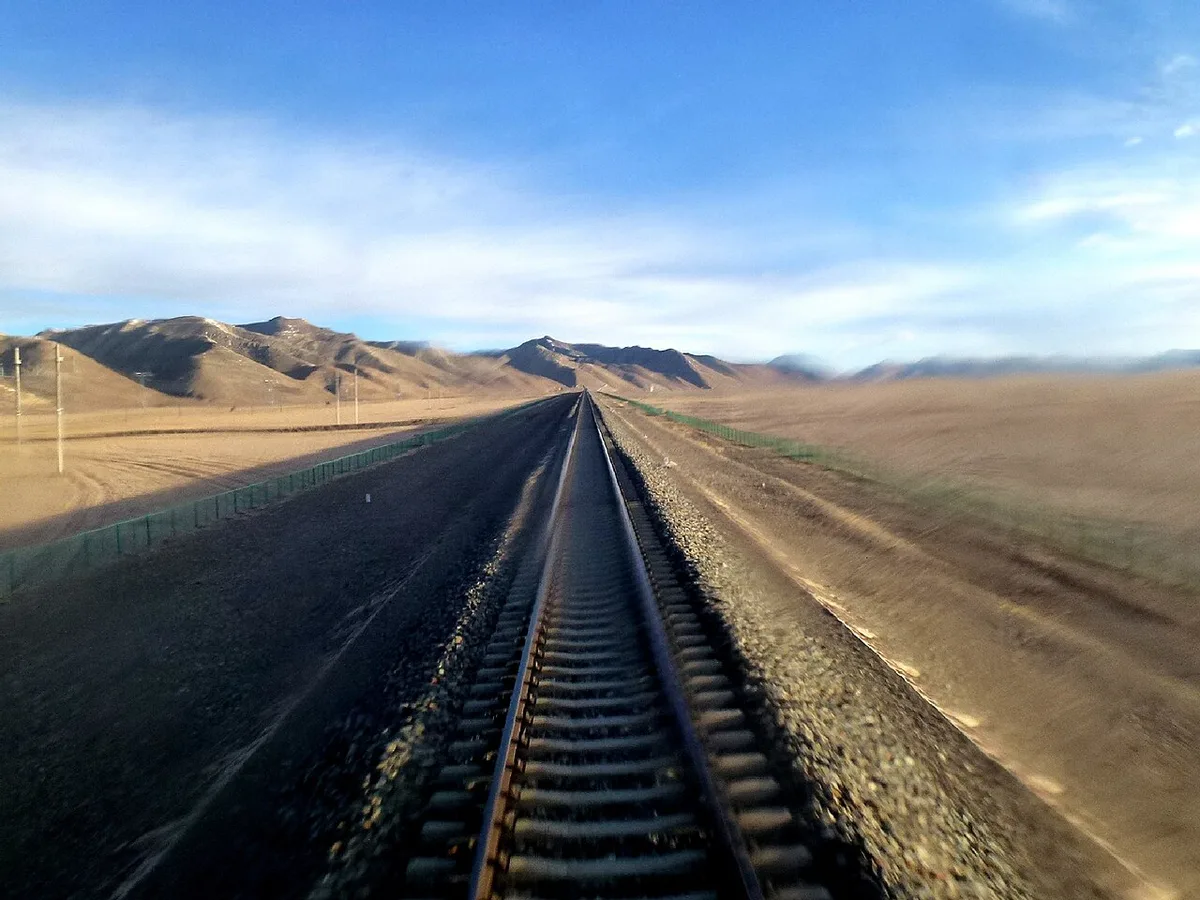
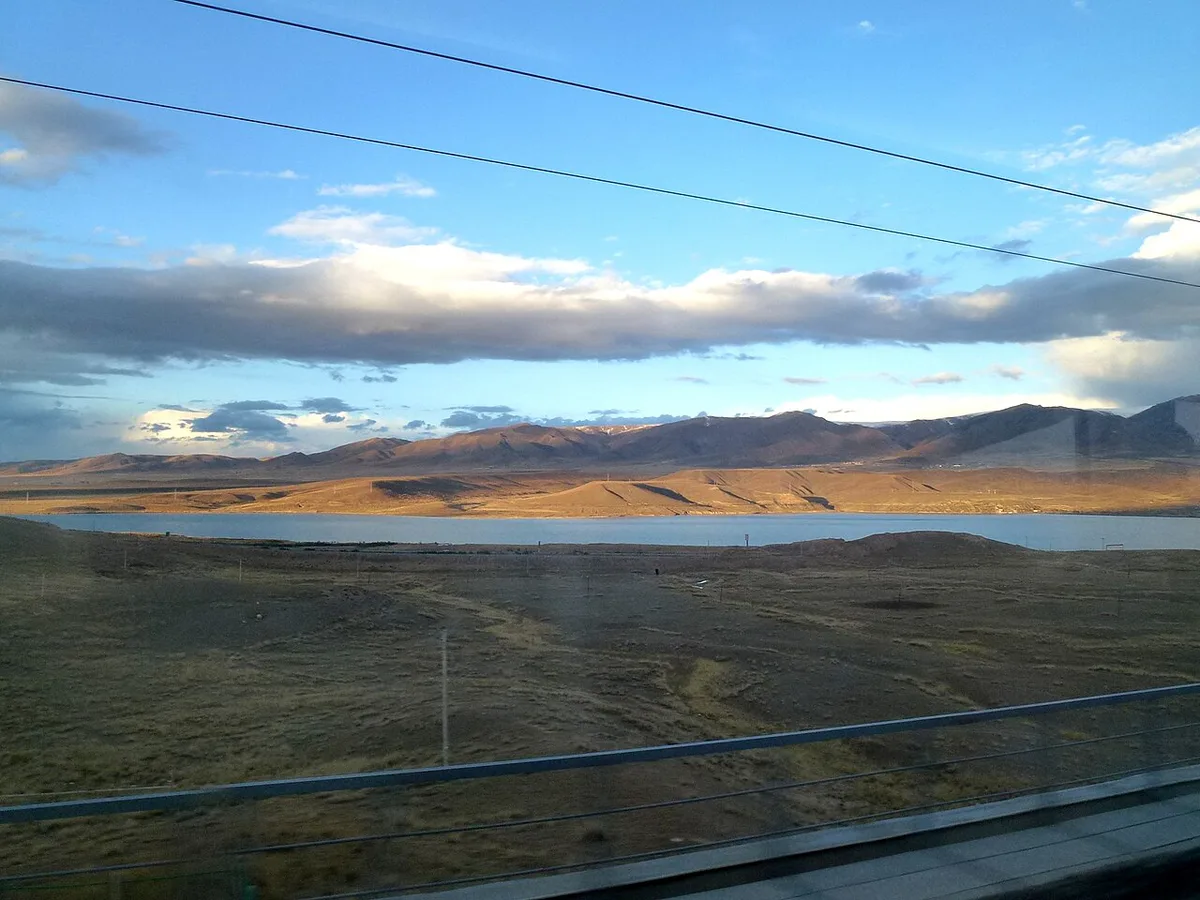
Qinghai Lake comes first, soon after Xining. Next is the Qaidam Basin around Golmud, a desert contrast to the lake. Beyond Golmud the line crosses the Kunlun Mountains and skirts Hoh Xil National Nature Reserve, where Tibetan antelope are sometimes seen. Golmud to Nagqu is the stretch most travelers rate highest. Fenghuoshan Tunnel, at 4,905 m, gives a sense of the altitude. Tanggula Pass follows, then the Nagqu and Damxung grasslands with yaks and prayer flags. Namtso and Yamdrok Lake are not visible from the train, so plan separate day trips from Lhasa.
Altitude, Health and Onboard Reality
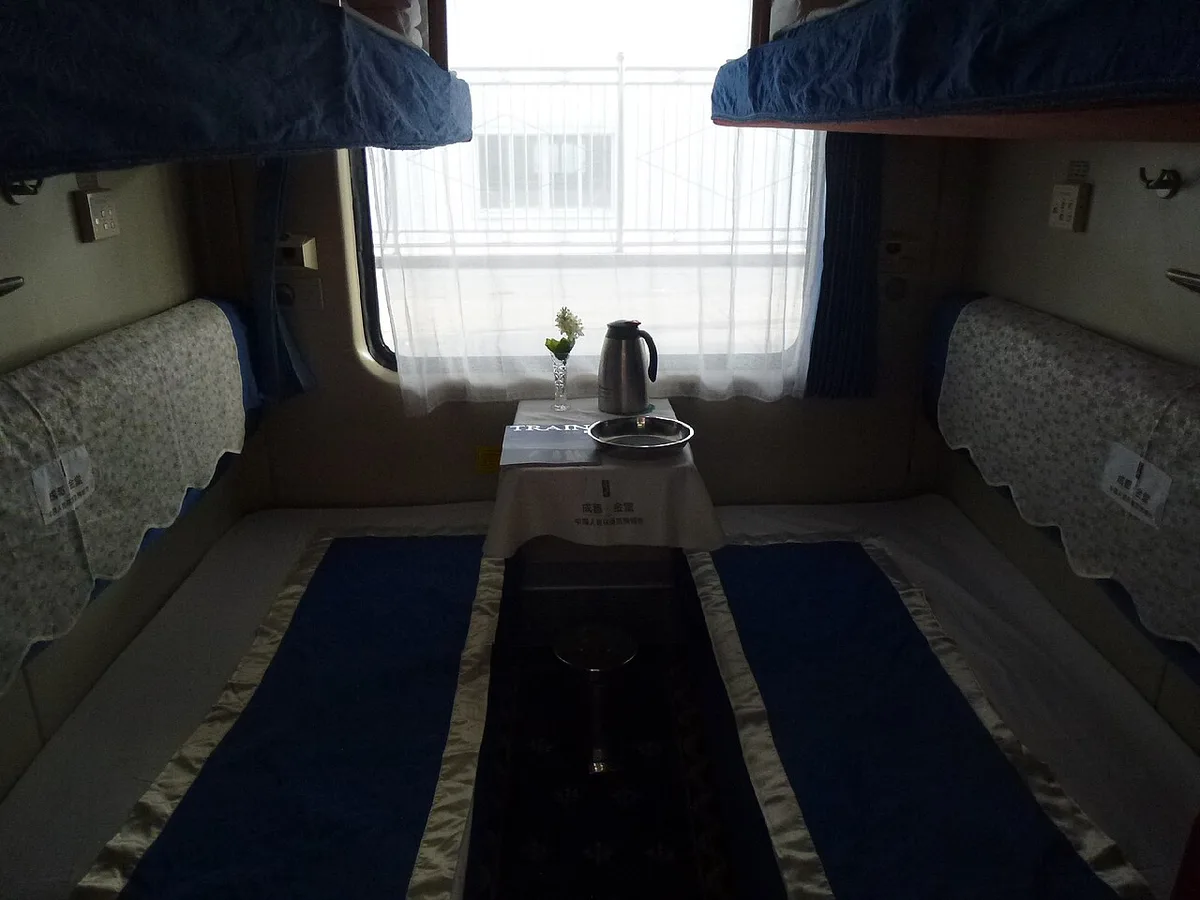
Acclimatize before you board, because the train climbs fast. Xining stands at 2,300 m and Golmud at 2,800 m, against 3,650 m in Lhasa. Spending one to two nights in Xining or Golmud eases the ascent. Coaches are sealed and oxygen is carried, and staff can supply it if you feel unwell. Soft sleepers hold 4 berths in an enclosed cabin, and hard sleepers hold 6 in an open layout. Pack snacks, water, warm clothing and a power bank, since stops are brief and winter carriages stay cold. Anyone with heart or lung conditions should see a doctor before booking.
Golmud sits at 2,800 m, and Z8991 reaches it around 04:40, so a stop there splits the climb.
Tickets, Permits and Booking
Buy through the China Railway 12306 site or its app, or through a licensed agency. Aim for 45 to 60 days ahead, since quotas on popular departures run short. Bring your passport, as ID is checked when you collect tickets and board. Foreign travelers need a Tibet Travel Permit, normally arranged by a licensed agency. Independent travel is not an option, and rules shift, so ask the agency for the current requirements before paying for tickets.
Chengdu and Chongqing trains run every other day, so lock dates 45 to 60 days ahead rather than improvising.
Engineering and History in Brief
Construction was planned in the 1950s, and a survey of a Lanzhou–Lhasa line began in 1956. Xining–Golmud opened in 1984. Permafrost tests ran in May 2002, and track laying finished on 12 October 2005. Trial passenger service started on 1 July 2006. Track on permafrost is limited to 100 km/h, and builders used permafrost-resistant methods. Before the line, freight reached Tibet by the Qinghai–Tibet Highway built in the 1950s. China Daily covers the railway's ongoing role in the region.
Beyond Lhasa and Connecting Rail Routes
Lhasa–Shigatse opened in August 2014 and runs at up to 120 km/h. A China–Nepal extension from Shigatse was announced in agreements signed in June 2018. Construction status should be checked at official sources before you plan around it. For other long rail journeys, start with the Beijing to Ulaanbaatar Train: Times, Tickets & Border Guide, which crosses into Mongolia. Our guide to trains in Mongolia covers domestic services. Mongolian timetables sit with Ulaanbaatar Railway. The Ulaanbaatar to Irkutsk by Train: Schedule, Tickets, Border continues north into Russia. Finally, the Beijing to Moscow Train: Routes, Border Stops and How to Book covers the full overland run, whose through trains have been suspended since 2020. Russian Railways lists the Russian segments.
For the road crossings on into Nepal, see our guide to getting around Nepal.
Frequently Asked Questions
How do I get to Tibet by train?
Board a direct train to Lhasa from Xining, Lanzhou, Chengdu, Chongqing, Beijing, Shanghai or Guangzhou. Book through 12306 or a licensed agency, and arrange your Tibet Travel Permit first.
Is Qinghai part of the Tibetan plateau?
Yes, Qinghai Province lies on the Tibetan Plateau, which is why Xining already stands at about 2,300 m. Staying a night or two there is a practical first step in acclimatizing.
Explore More Guides
Keep planning your trip with these guides.
Guides
- Xining to Lhasa Train: Schedule, Seats, Permit & Altitude Guide
- Chengdu to Lhasa: Flight vs Train, Permits and Altitude Guide
- Beijing to Hong Kong Train: Time, Tickets & How to Book
- Beijing to Ulaanbaatar Train: Times, Tickets & Border Guide
- Trains in Mongolia: Routes, Tickets & How to Choose
- Ulaanbaatar to Irkutsk by Train
- Beijing to Moscow Train: Routes, Border Stops and How to Book
- Chongqing to Yichang: Cruise, Train & Costs Compared
Notes on Asia's railways
Optional updates when we revise our train and route guides.
You might also like

Continue reading
More guides you'll find useful