
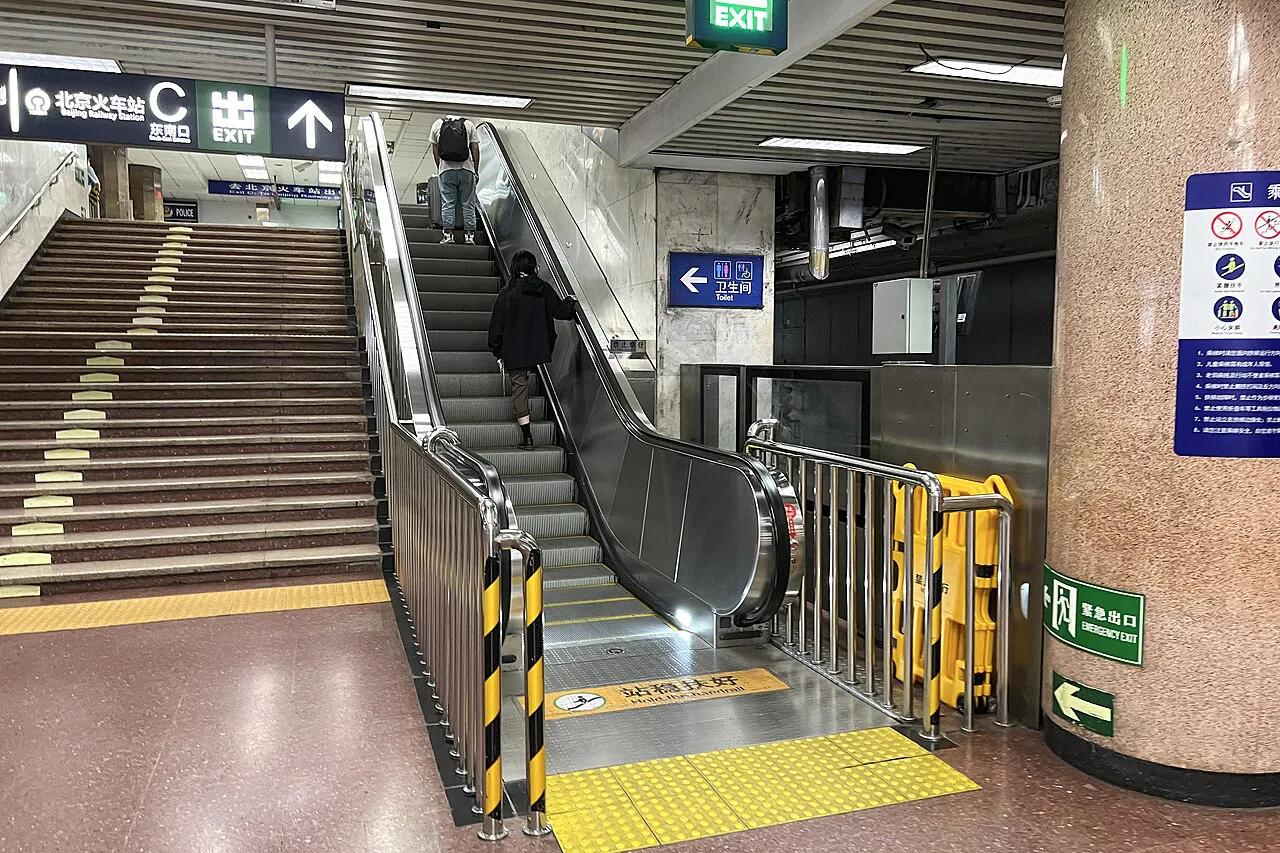
Beijing to Moscow Train: Status, Routes and Alternatives
The Beijing to Moscow through trains (K3 and the Trans-Manchurian) have been suspended since 2020. What runs now via Ulaanbaatar, and how to go in stages.
On this page
Last updated November 2026: a Beijing to Moscow train journey follows one of two main routes. One is the Trans-Mongolian K3 via Ulaanbaatar and Irkutsk. The other is the Trans-Manchurian route via Harbin and Manzhouli. Both cross several borders and take days, not hours. As of November 2026 neither through train is running: the K3/K4 service was suspended in 2020 and has not resumed, so for now the trip means separate legs.
Featured image: N509FZ, CC BY-SA 4.0, via Wikimedia Commons.
Beijing to Moscow Train: Route Options at a Glance
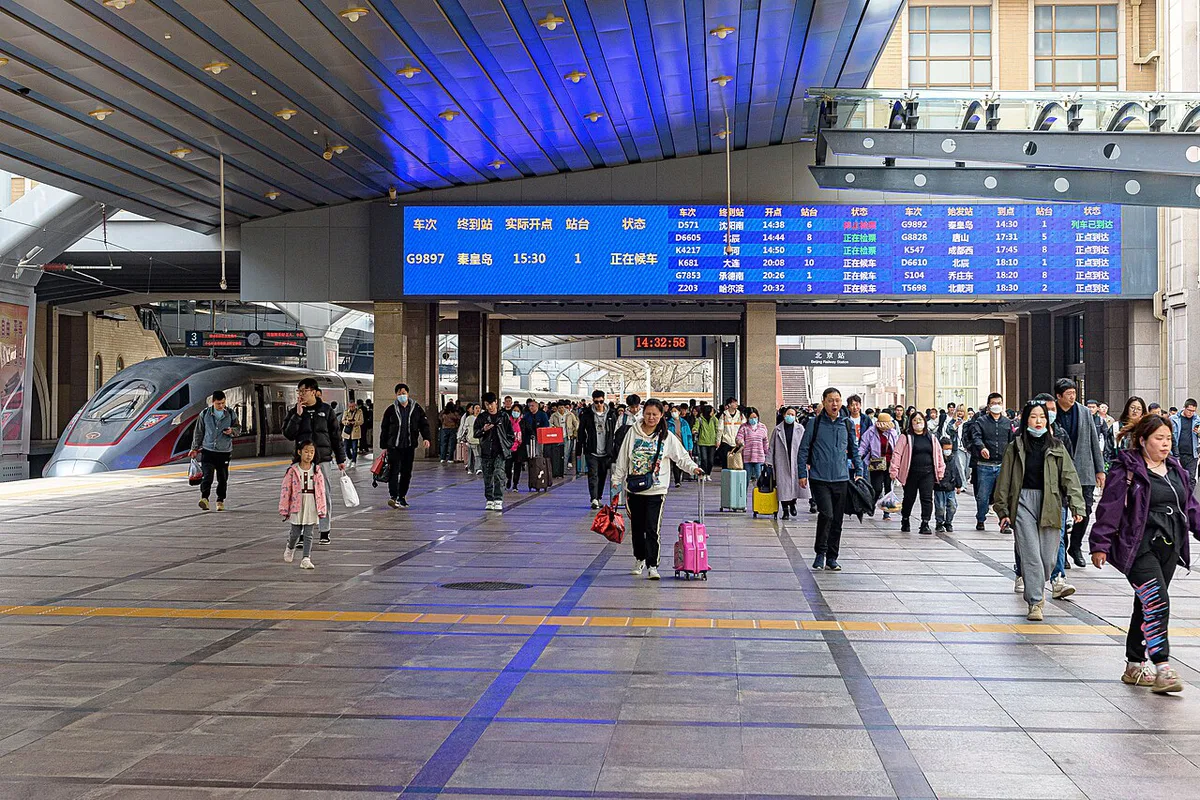
Two route families cover this trip. Trans-Mongolian travel runs through Ulaanbaatar, then Irkutsk, then on to Moscow. Trans-Manchurian travel runs through Harbin and the border at Manzhouli. Seat61's 2026 update says Russia-China international trains remain suspended and that the UK Foreign Office advises against all travel to Russia. Our table compares the choices as they ran before 2020.
| Option | Route | Stopovers | Booking channels | Best for |
|---|---|---|---|---|
| Trans-Mongolian K3 | Beijing, Ulaanbaatar, Irkutsk, Moscow | Ulaanbaatar and Irkutsk | Russian Railways, or the CITS office in Beijing | Travellers who want Mongolia on the way; suspended since 2020 |
| Trans-Manchurian | Beijing, Harbin, Manzhouli, then Russia | Harbin | Russian Railways, or the CITS office in Beijing | Travellers who prefer an all-China approach to the border; suspended since 2020 |
| Split journey | Beijing to Ulaanbaatar, Ulaanbaatar to Irkutsk, Irkutsk to Moscow | Flexible at each leg | Separate tickets per leg | Slow travellers who want control |
The Trans-Mongolian K3 Route via Ulaanbaatar
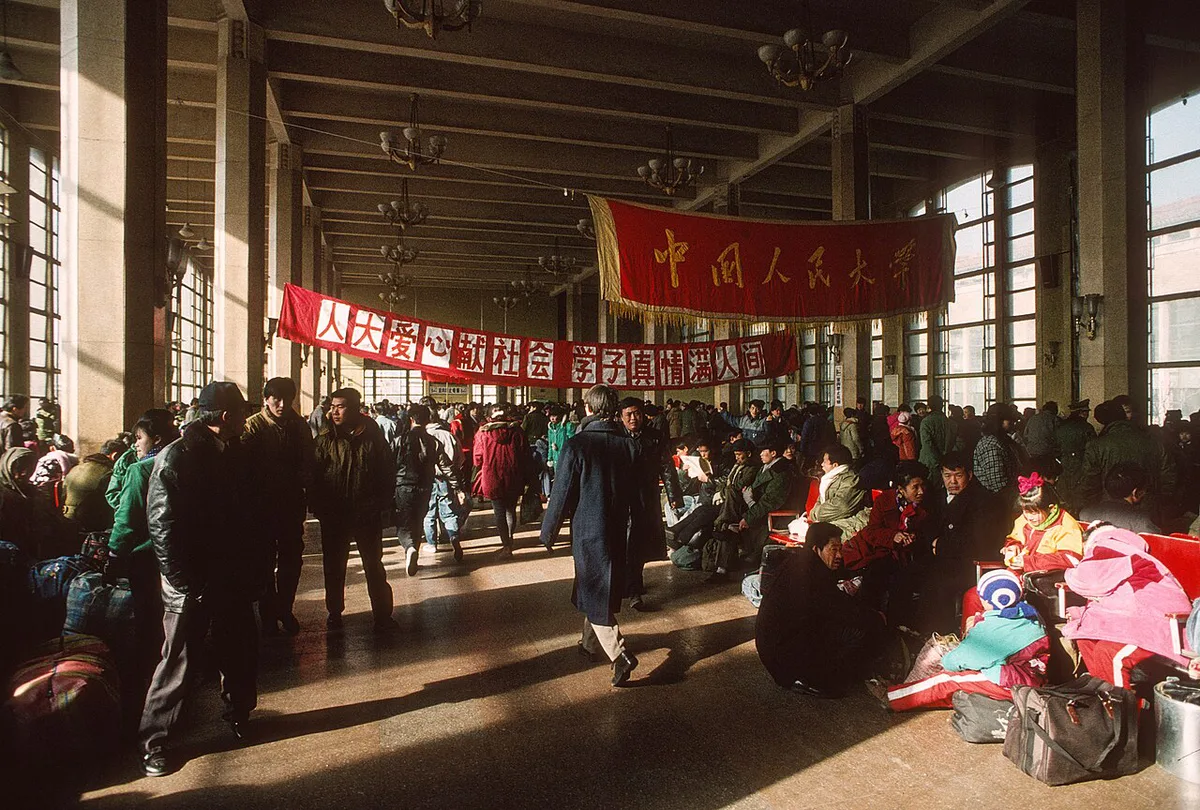
K3 is the train name most travellers search for (train 3 in Russian listings). It left Beijing on Wednesdays, crossed into Mongolia, and reached Ulaanbaatar before heading north into Siberia, covering 7,826 km in about 131 hours (Wikipedia). A 12-carriage trial run without passengers ran from 25 February to 11 March 2025, but no passenger service followed. Mongolian rail is run by Ulaanbaatar Railway, and Chinese sections are sold through China Railway. Our guide to rail travel in Mongolia explains how the Mongolian network fits together. Border stops involve passport checks and, at some crossings, a change of bogies because track gauge differs between countries.

The Trans-Manchurian Route via Harbin and Manzhouli
This alternative stays in China longer. It heads north-east to Harbin, then turns west to Manzhouli on the Russian border. Passengers who skip Mongolia avoid a Mongolian transit visa question, though Russian entry rules still apply. Harbin is a natural place to break the journey. Seat61 lists it as train 19/20, the Vostok, which left Beijing on Saturday nights and took just over six days to cover 8,986 km. It is also suspended.
Splitting the Trip into Separate Legs
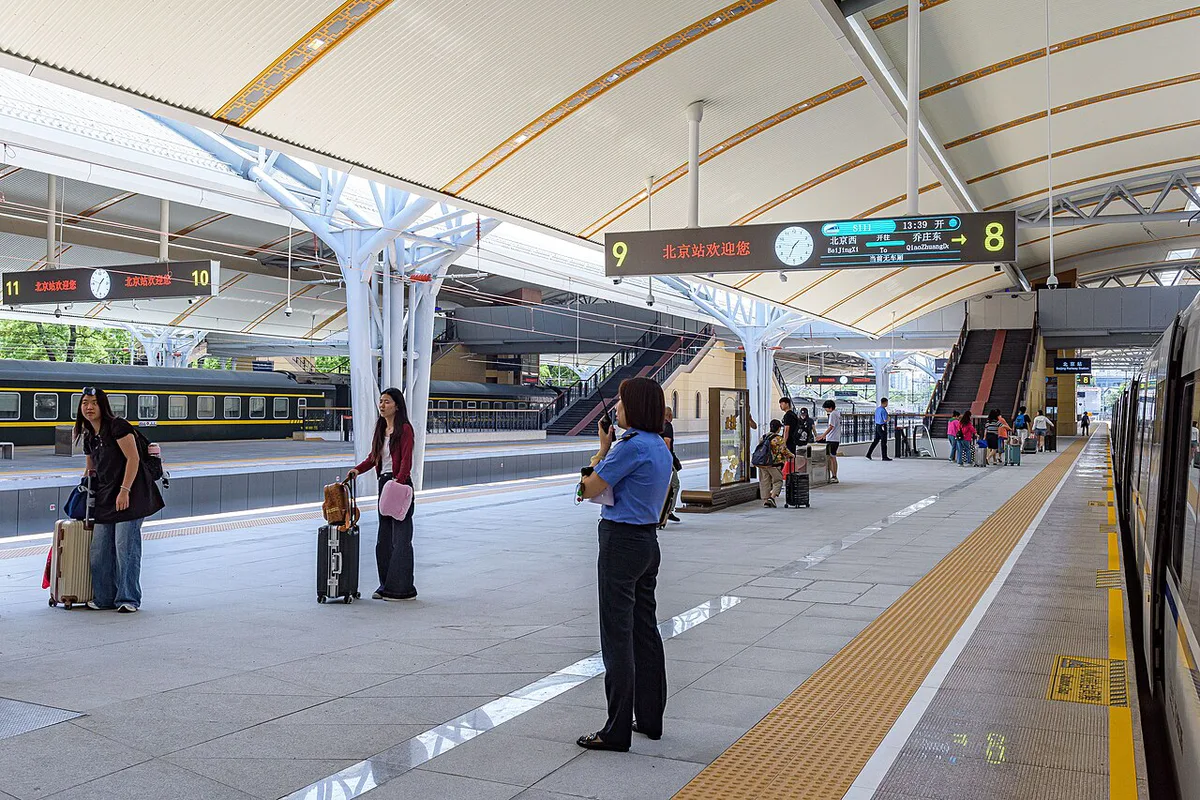
A self-built journey gives you more control. First comes the Beijing-to-Mongolia leg, covered in our Beijing to Ulaanbaatar guide: the K23 train resumed on 3 June 2025 and runs once a week. Next is the Siberian hop, described in our Ulaanbaatar to Irkutsk guide, a train that Seat61 says resumed in late 2022. Last is Irkutsk to Moscow, sold by Russian Railways. You can stop for a night or two in each city. The cost is more tickets, more connections and more places where a delay can break the plan.
- Single through ticket: fewer bookings, fixed stops.
- Separate legs: flexible stopovers, more admin.
- Luggage: you carry it between trains on a split trip.
- Delays: a late leg can cost you the next connection.
Train vs Flight: How to Decide
Flying is faster. Rail wins on scenery, stopovers and the chance to avoid airports. Weigh these criteria before choosing: total time, comfort, flexibility and how much of Mongolia or Siberia you want to see. Compare fares for both on the day you travel, because prices move. Rail suits people who treat the journey as the destination.
Visas and Entry Rules
Each country on your route sets its own rules for your passport. Read the official entry pages for China, Russia and, on the K3 route, Mongolia. Seat61 notes that Russian visas can be applied for up to 6 months before entry and most other countries allow up to 3 months. Rules differ by nationality, so do not rely on a friend's experience.
How to Book
Before the suspension, Russian Railways opened sales 60 days before departure, and in Beijing westbound tickets were sold by the CITS office in the Beijing International Hotel rather than at stations (Seat61). Domestic Chinese legs are sold on the China Railway ticketing site. Agents can bundle legs, though they add fees. Ask whether you are buying one through ticket or several separate ones. A through ticket is simpler, while separate legs let you change dates.
Onboard Essentials and Seasonality
Expect sleeper berths, a dining car or snacks, and shared washrooms. Bring food, a refillable bottle and a charging plan, since socket access varies by carriage. Winter brings snow across Mongolia and Siberia and suits travellers who like stark landscapes. Summer is warmer and usually busier, so book earlier. Seat61 lists a four-berth hard sleeper, a soft sleeper and a two-berth deluxe cabin, all in sleeping compartments.
Who Should Take This Trip
The journey rewards slow-travel fans, rail enthusiasts and anyone who wants to avoid flying. Skip it if you are short on time or your passport faces strict visa limits on the route. Other long-distance options from Beijing include our Beijing to Hong Kong train guide. For another epic rail ride inside China, read about the Qinghai-Tibet Railway.
Plan Tickets and Connections Before You Commit
While K3 is suspended, a self-built itinerary is the only way to cover the route, and it affects every ticket you buy. Before the suspension, a single through ticket reduced the number of bookings but fixed your travel dates and stops.
A split route has three main legs: Beijing to Ulaanbaatar, Ulaanbaatar to Irkutsk, and Irkutsk to Moscow. Buy each leg separately only once the onward connection is on sale. Keep enough time in Ulaanbaatar or Irkutsk to protect against a delayed arrival.
Use China Railway for Chinese sections and Russian Railways for the Russian leg. Ask an agent whether it is selling 1 through ticket or several separate tickets. Match the passenger names, passport details, departure stations, and border requirements on every confirmation. Agent fees and exchange rates can change the final cost.
Frequently Asked Questions
Can we go to Russia by train?
Not at the moment. Routes run via Mongolia or via Manzhouli, but both through trains have been suspended since 2020 and Seat61's 2026 update says they remain suspended. The Beijing to Ulaanbaatar train resumed on 3 June 2025.
Notes on Asia's railways
Optional updates when we revise our train and route guides.
You might also like


Continue reading
More guides you'll find useful