China Sleeper Trains: Classes, Booking & Which to Pick
Hard sleeper, soft sleeper or high-speed sleeper? Compare classes, booking for foreigners, and who each overnight train suits. Check 12306.
On this page
Last updated November 2026: a China sleeper train is either a conventional Z, T or K service with hard and soft berths, or a high-speed D-series sleeper with first- and second-class berths. Foreigners can book either type online with a passport, and tickets go on sale 15 days before departure. Sleepers suit corridors of roughly 10–15 hours, while a daytime G-train usually wins under about 6 hours, as the 8 Things to Know About Trains in China (2026 Guide) hub explains.
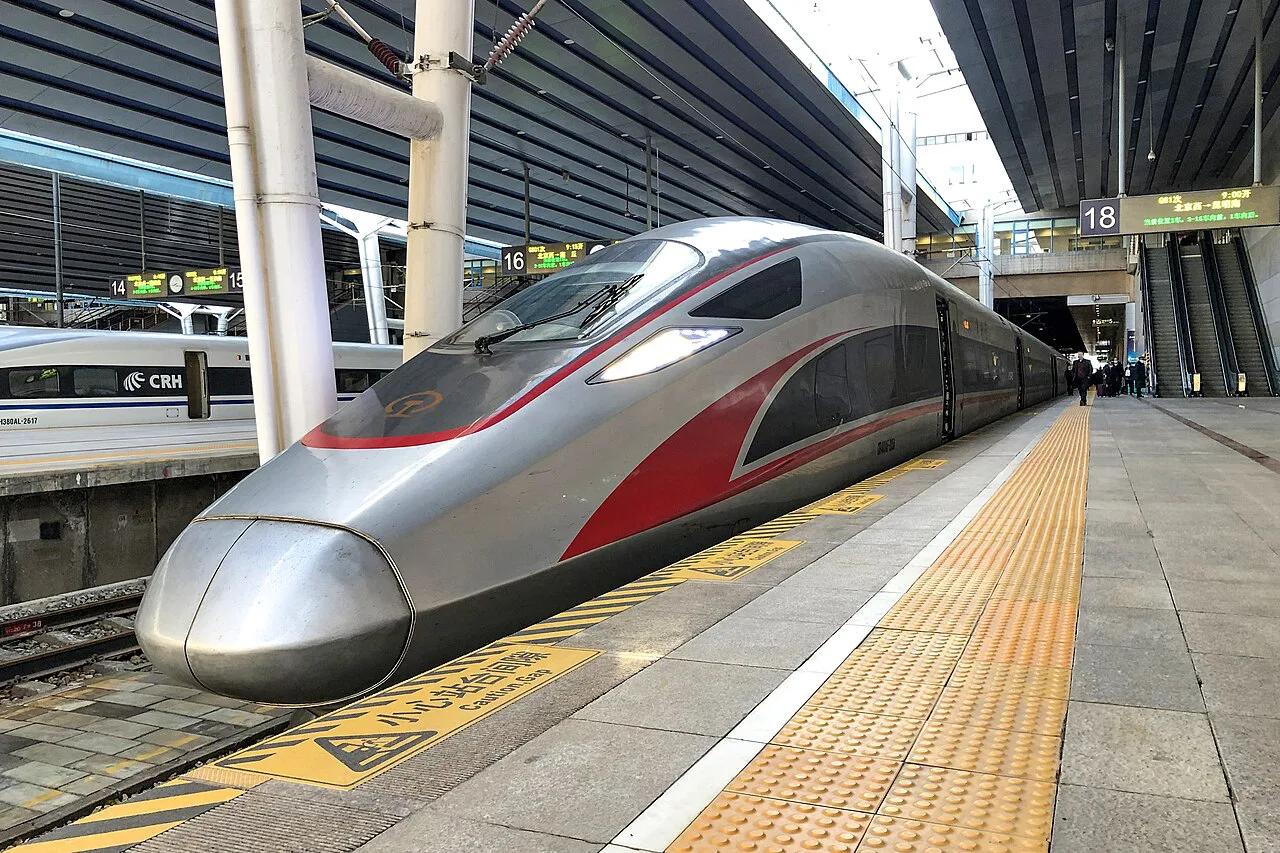
Featured image: Beijing_West_train_station_01.jpg: 金娜 Kim S derivative work: MrPanyGoff, CC BY-SA 2.0, via Wikimedia Commons.
Conventional vs high-speed sleeper trains
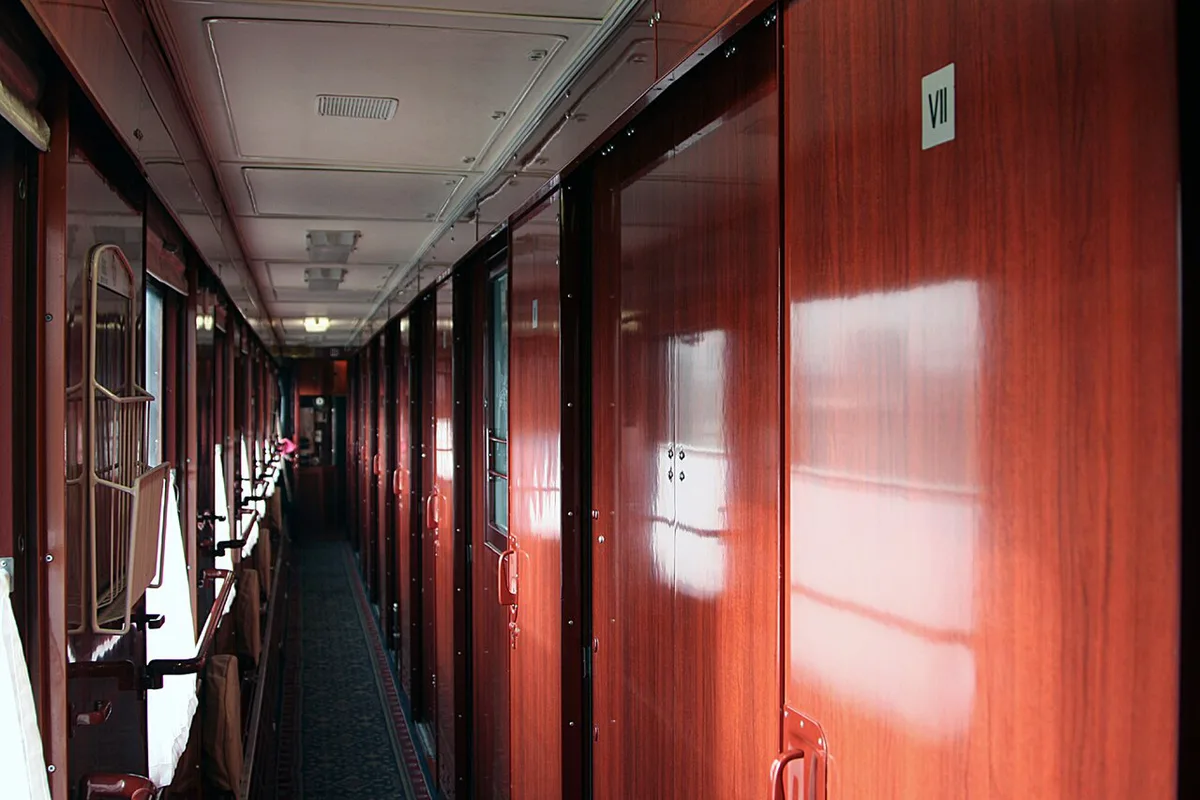
Conventional sleepers carry Z, T and K prefixes and run at roughly 80–120 km/h. Z trains are the near-non-stop express tier, T trains add a few stops, and K trains stop most often. All three carry hard and soft sleeper berths. Deluxe soft sleeper appears on select Z and T services only. High-speed sleepers are D-series EMUs, known as dongwo (动卧), with first- and second-class berths. Beijing–Shanghai runs three nightly pairs numbered D5/D6, D7/D8 and D9/D10, each taking about 12 hours. Those numbers replaced the old D701–D710 series in January 2024, so older blog posts will not match 12306. Chengdu–Beijing and Chengdu–Shanghai sleeper EMUs launched on 1 and 2 July 2025. Hong Kong–Beijing and Hong Kong–Shanghai sleepers began on 15 June 2024, then moved to newer Fuxing-based sets on 1 October 2024. Timetables shift each quarter, so read train numbers and times for your date on the 12306 English portal.
Sleeper classes compared
Prices below are indicative ranges checked November 2026 and vary by route, season and date. Lower hard-sleeper berths cost about 10–20% more than uppers. Soft sleeper usually costs ¥100–300 more than hard sleeper, which is less than a budget hotel night. Daytime seat classes work differently, and our guide to China Train Classes Explained: Second, First, Business, Sleepers covers them.
| Class | Berths | Door | Power | Indicative price | Best for |
|---|---|---|---|---|---|
| Hard sleeper (硬卧) | 6, open bay | No | 1–2 sockets per carriage | ¥150–600 | Budget solo travelers |
| Soft sleeper (软卧) | 4 | Lockable | 1 socket per compartment | ¥300–1,000 | Couples and first-timers |
| Deluxe soft sleeper (高级软卧) | 2 | Yes, private toilet | Per berth | ¥1,000–2,000+ | Privacy on select routes |
| High-speed second-class sleeper (二等卧) | 6, open bay | No | USB at each berth | About ¥300–700 | Budget riders on newer trains |
| High-speed first-class sleeper (一等卧) | 4 | Yes | USB and sockets | About ¥500–1,100 | Comfort per yuan |
Which sleeper class should you choose?
First-timers should default to soft sleeper. Its lockable four-berth compartment puts a door between you and the corridor. Budget riders can take hard sleeper and aim for a middle berth, which needs only a short ladder. Lower berths let you sit upright, though bay-mates may perch there by day in hard sleeper. Upper berths are cheapest and warmest, with the least headroom. Tall travelers should prioritize a lower berth in any class.
| Traveler | Best pick | Privacy | Noise | Sockets | Booking risk |
|---|---|---|---|---|---|
| Solo budget | Hard sleeper, middle berth | Low | High | 1–2 per carriage | Medium |
| Couple | Soft sleeper | High | Medium | 1 per compartment | Medium |
| Family with a child | Soft or first-class sleeper | High | Medium | Sockets or USB | High around holidays |
| Light sleeper | Soft sleeper or first-class sleeper | High | Lower | 1 per compartment or USB | Medium |
| Tall traveler | Lower berth, any class | Varies | Varies | Varies | Lower berths sell first |
| First-timer | Soft sleeper | High | Medium | 1 per compartment | Medium |
Sleeper train vs high-speed train vs flight
Sleepers earn their place on roughly 10–15 hour corridors. A night on board saves a hotel bed, which runs ¥300–500 in a big city. On Beijing–Shanghai, the day G-train takes about 4.5 hours and usually wins. Below about 6 hours, a daytime train is the better call. From Hong Kong, 2024 reports put the sleeper at about 11–12.5 hours against a flight of roughly 3.5 hours. Choose that sleeper only if the saved hotel night matters to you. Prefer to stay awake in comfort? High-speed business class is the daytime upgrade.
Soft sleeper usually costs ¥100–300 more than hard sleeper, while a hotel bed in a big city runs ¥300–500 for the same night.
| Option | Beijing–Shanghai time | Hotel night saved | Sleep quality |
|---|---|---|---|
| Conventional Z sleeper | About 11–12 hours | Yes | Fair, noisier |
| D-series sleeper EMU | About 12 hours | Yes | Better, quieter |
| Daytime G-train | About 4.5 hours | No | Not applicable |
Best sleeper routes
Start from the China Railway Map: How to Read the Network and Plan a Route, then read the class list for your train on 12306. Departure stations vary by service, so match the station named on your ticket. Tickets naming Beijing West point to the Beijing West guide. Hongqiao tickets point to the Shanghai Hongqiao guide. Chengdu travelers can read the Chengdu East guide and Xi'an travelers the Xi'an North guide, if those names appear on the ticket. Wider station help sits in our station overview.
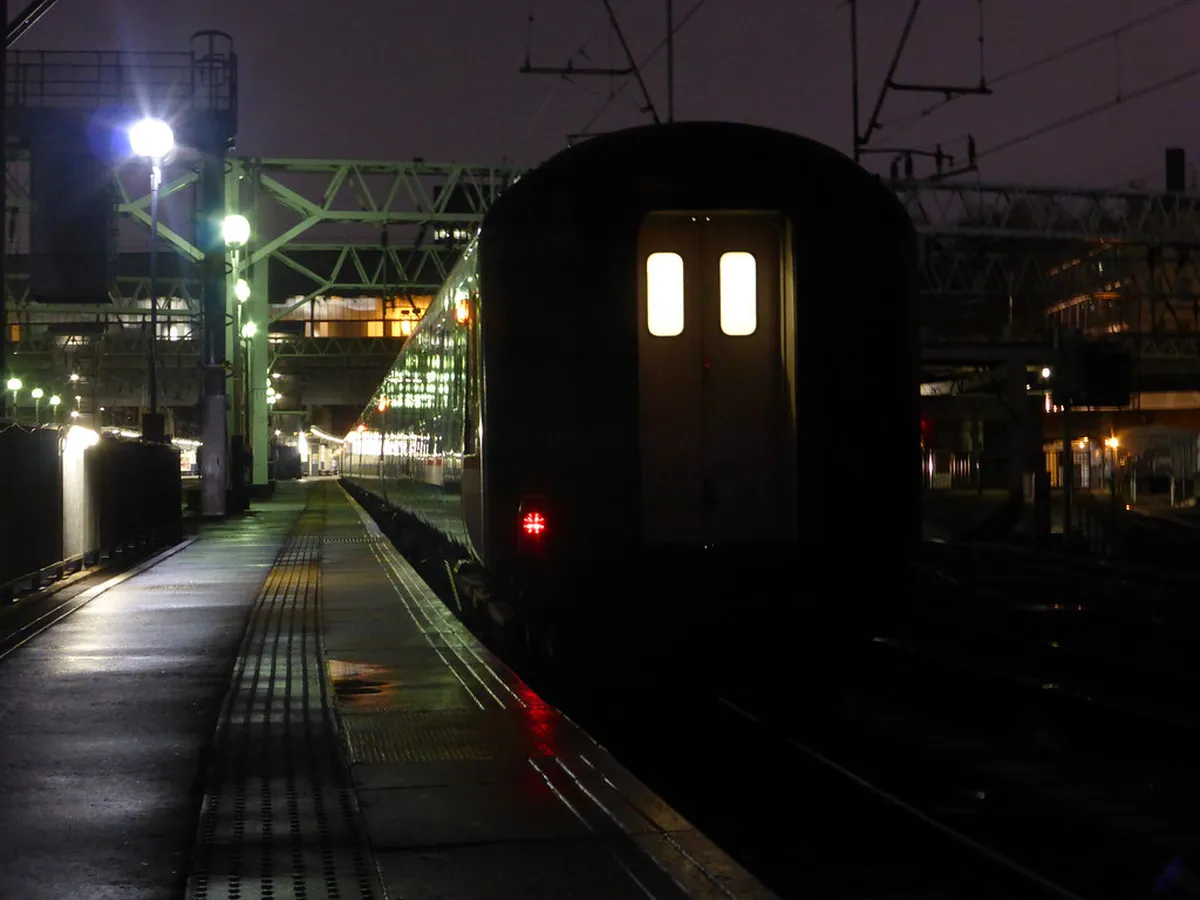
- Beijing–Shanghai: Z trains take about 11–12 hours, and D5/D7/D9 sleeper EMUs about 12 hours. D5 is timetabled 21:21 out and 09:27 in.
- Beijing–Xi'an: 10–12 hours overnight, with hard sleeper around ¥260. You arrive in time for the Terracotta Warriors.
- Chengdu–Beijing or Shanghai: roughly 2,000 km covered overnight on sleeper EMUs, evening out and morning in.
- Shanghai Hongqiao–Hong Kong West Kowloon: sleeper EMU service, reported at about 11 hours. Hong Kong–Beijing was reported at about 12.5 hours.
- Beijing–Lhasa Z21: 40 hours 20 minutes over 3,757 km, with hard sleeper from ¥720. Tibet needs a travel permit, and oxygen is fed into carriages at altitude.
How to book a China sleeper train as a foreigner
Tickets go on sale 15 days before departure, and hot routes lose lower berths within hours. Since July 2026, 12306 has piloted advance reservations 17–60 days out on select trains. Your passport is your ticket, so enter your name exactly as printed. The English site accepts foreign passports only and requires identity verification before purchase. It sells from 5:00 to 1:00 the next day, or 5:00 to 23:30 on Tuesdays. Berth choice works on trains that offer it, following a June 2023 pilot on 230 trains. If your pick is gone, the system assigns a berth at random. Passengers over 60 get lower berths first. Refund and change rules move often, so read them on China Railway's official site before you pay.
Lower berths sell first. Tickets go on sale 15 days before departure, so tall travelers wanting a lower berth should book on day one.

- 12306: no booking fee and live inventory, though foreign cards sometimes fail at payment. Our 12306 app guide walks through verification.
- Trip.com: English interface, international cards and a fee of about ¥20–40 per ticket. Follow the Trip.com booking steps.
- Station window: bring your passport, and you can choose a berth in person.
- General overview: How to Book Train Tickets in China: 12306 vs Trip.com (2026) covers the shared basics.
What a night on board is like
Food is simple. Z and T trains have a dining car with meals at ¥20–40, and trolleys sell instant noodles. Every carriage has a boiling-water dispenser, but tap water is not drinkable. Toilets are squat in most carriages, and paper is not supplied in any class. Hard sleeper has one or two sockets per carriage. Soft sleeper has one per compartment. A power bank solves both. No regular class has a shower, and wet wipes fill the gap. Keep your passport, wallet and phone under your pillow, because petty theft is the realistic risk. Compartments are not split by gender.
- 30–45 minutes before departure: find your carriage number on the platform screens. An attendant swaps your ticket for a plastic berth card.
- Settling in: large suitcases slide under the lower berth, and small bags go overhead.
- About 10 PM: main lights go off, and corridor lights stay dim.
- 6–7 AM: the attendant wakes your bay 30–40 minutes before its stop and swaps the card for your ticket.
- Arrival: sleeper trains stop only 2–5 minutes, so be at the door early.
Luggage, children and accessibility rules
Each adult carries 20 kg free, and each child 10 kg. Single items may measure up to 160 cm on conventional trains and 130 cm on EMUs. Our train luggage guide covers sizes in more detail. One child under 6 travels free per adult if the child does not take a berth alone. A second child under 6 needs a child ticket. Children aged 6 to under 14 need a child ticket, which is 70% of the full fare on EMU sleepers. Rules on sharing a berth differ between the English FAQ and the 2026 regulations, so ask at the station window if your case is borderline.
Mistakes to avoid and when not to take a sleeper
Skip the sleeper on trips under about 6 hours, or if you need silence and eight uninterrupted hours. Light sleepers should pay for soft sleeper or high-speed first class. Never plan around one exact berth, since online choice is not offered on every train.
- Hard sleeper has no door, so keep valuables on your body.
- Upper berths have almost no headroom and run warm.
- Sleeper tickets sell out around public holidays, so book on day one of sales.
- Old blog train numbers, such as D701–D710, no longer match 12306.
- Bring toilet paper, earplugs and a warm layer, since air conditioning runs all night.
Frequently Asked Questions
Can foreigners take trains in China?
Yes. Foreigners buy sleeper tickets with a passport on 12306, on Trip.com or at a station window. Identity verification is required on 12306 before purchase.
Does China have a train system?
China runs a national network of conventional and high-speed trains. Conventional Z, T and K trains and D-series sleeper EMUs cover overnight journeys. Our hub guide explains how the wider system fits together.
Notes on Asia's railways
Optional updates when we revise our train and route guides.
You might also like
Continue reading
More guides you'll find useful