China Train Stations: How They Work and Which One to Use
How China's train stations work: choosing the right station, passport and security checks, waiting halls, luggage and arrival timing.
On this page
Last updated November 2026: a china train station is larger, stricter and often farther from the center than most first-time visitors expect. Entry is ID-gated and security-screened, many cities have several stations, and newer high-speed stations often sit far from downtown. Confirm the exact station name on your ticket before you leave the hotel.
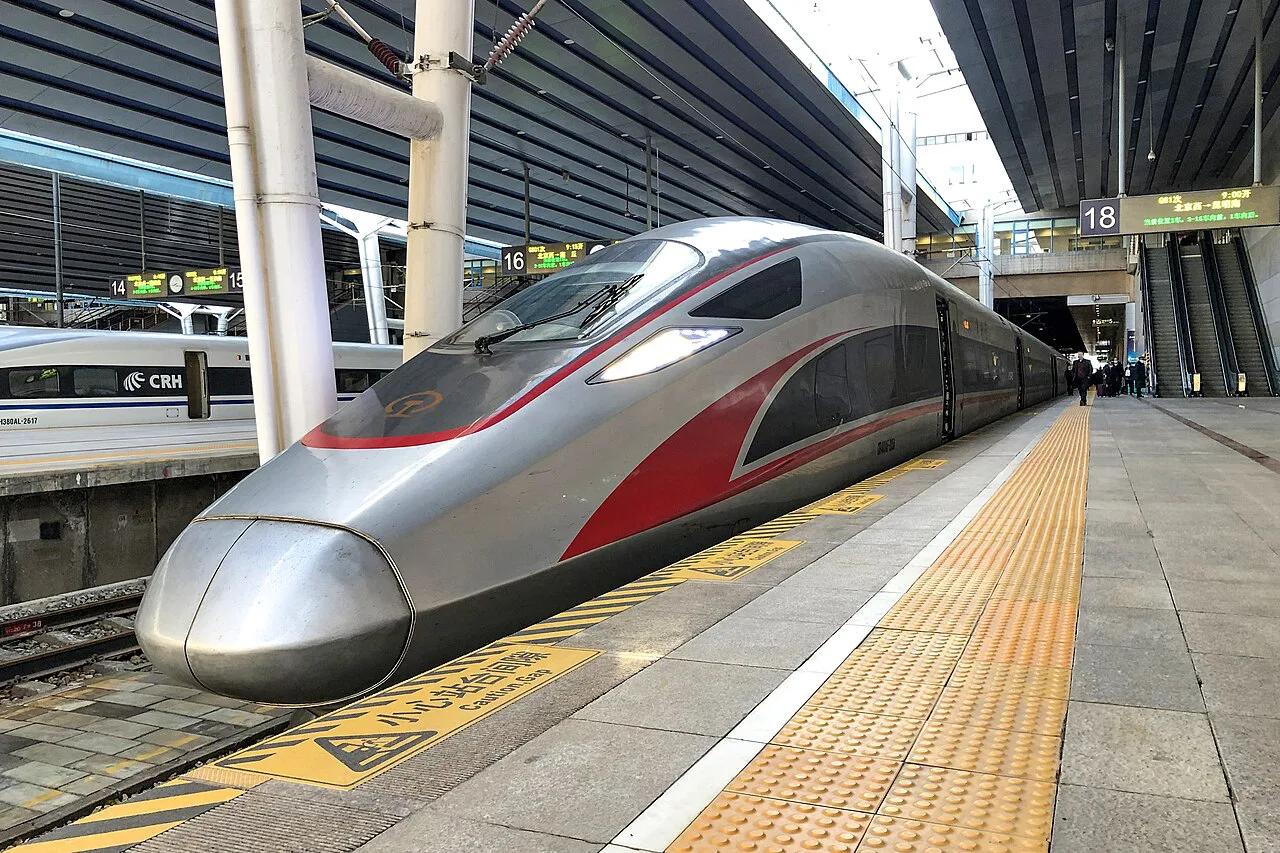
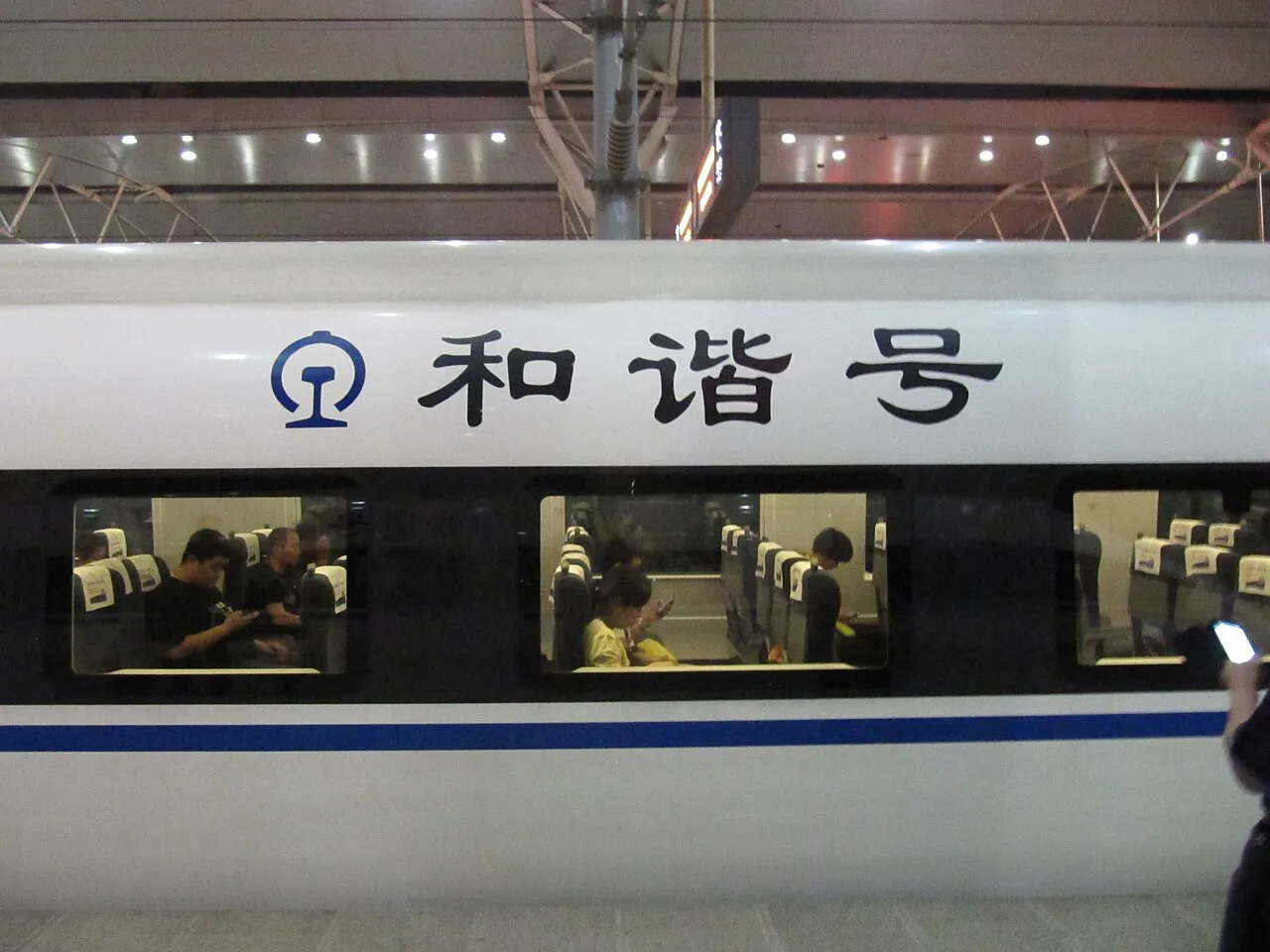
Featured image: Rc1959, CC BY-SA 4.0, via Wikimedia Commons.
How a China Train Station Works (Quick Answer)
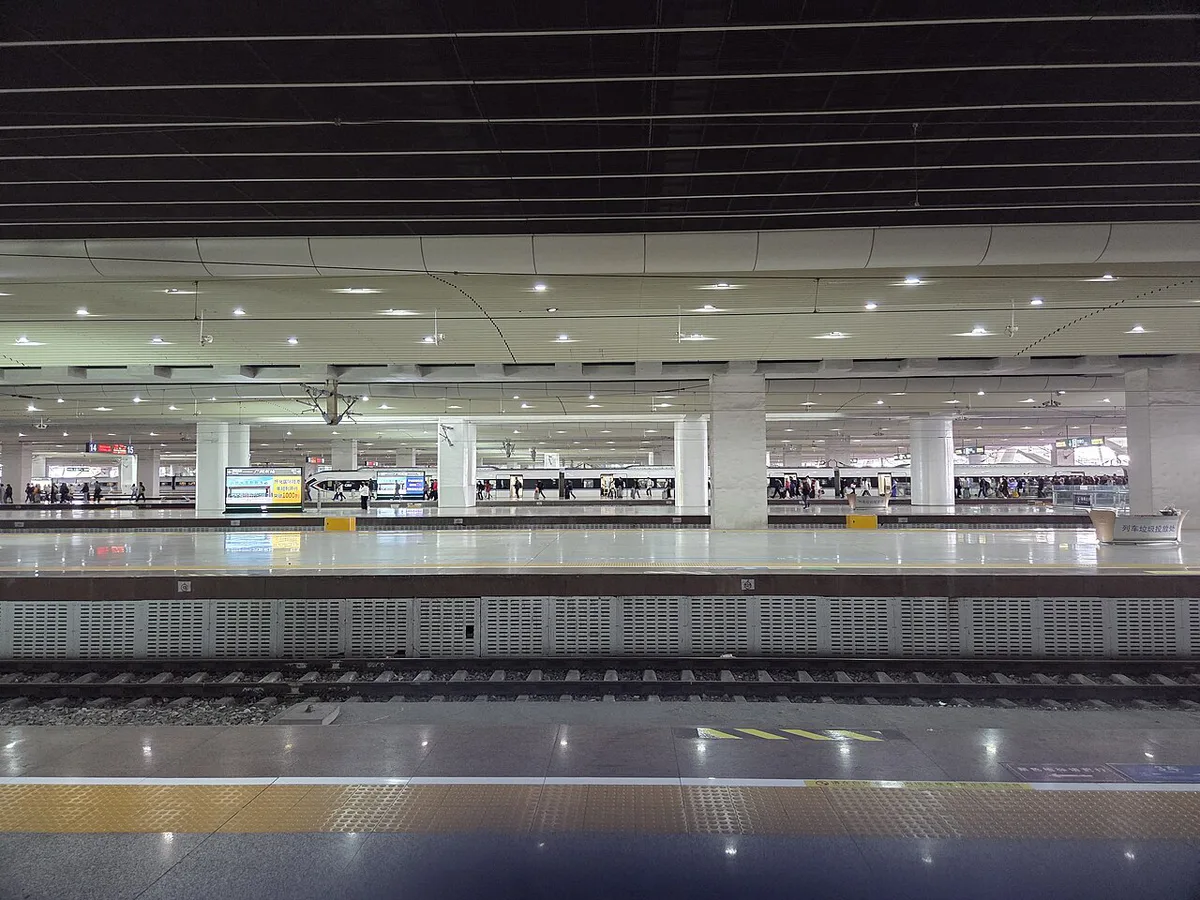
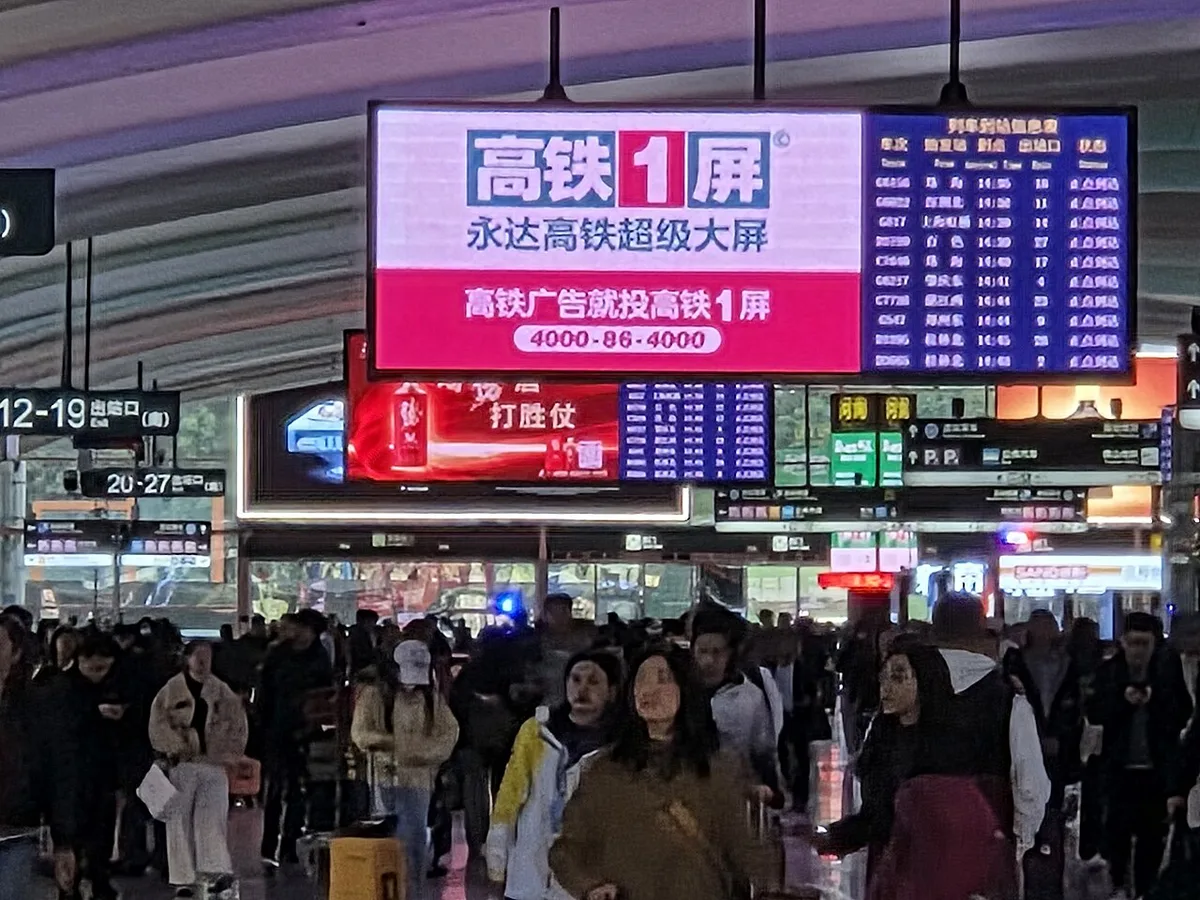
Chinese stations follow a predictable order. Learn it once and every station feels familiar. A large LED screen outside usually shows departure times and when you may enter the building. Each boarding gate typically has 2-3 automatic channels and one manual channel. Passport holders use the manual one. For the wider network, start with our China train overview.
- Station square: bus stops, taxi stands and a metro entrance sit in or around it.
- Entrance and security: show your ticket and ID, then put bags through the scanner.
- Ticket hall: staffed windows for buying or collecting tickets.
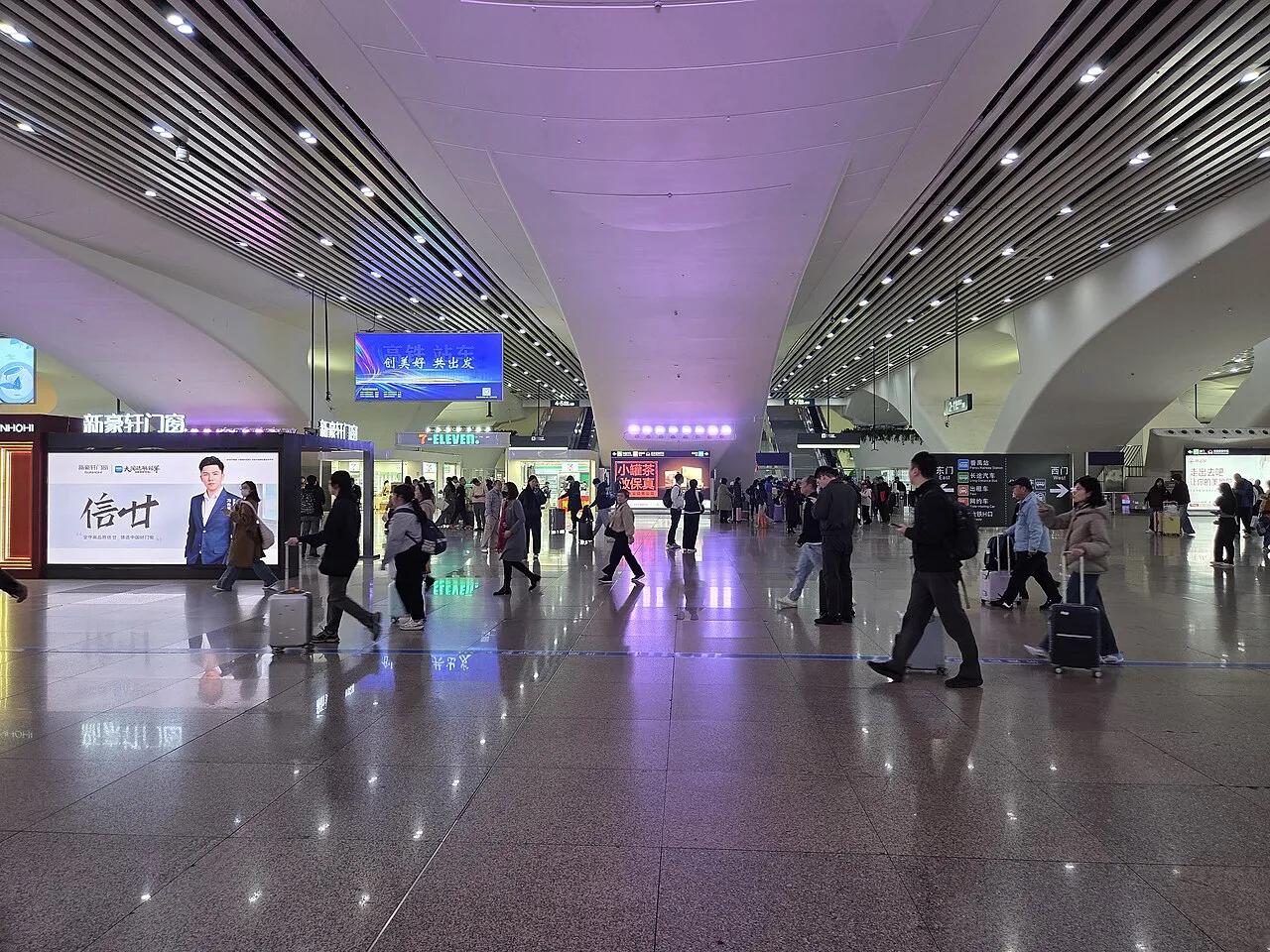
- Waiting hall: find your train on the LED screen and head to its assigned hall.
- Boarding gate: ID and ticket check, closing before departure.
- Platform: numbered, with the carriage number shown on your ticket.
- Exit: signs mostly in Chinese, usually leading to metro and taxis.
Which China Train Station? Many Cities Have More Than One
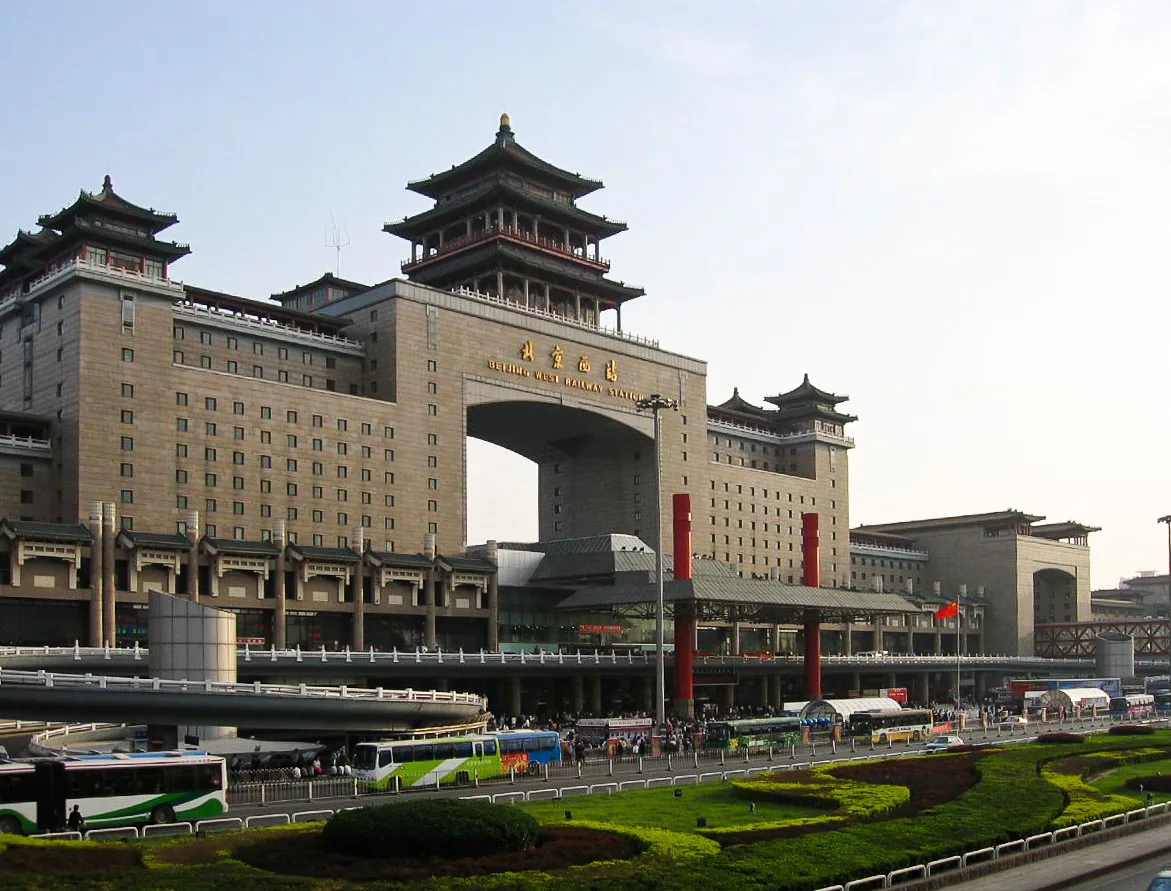
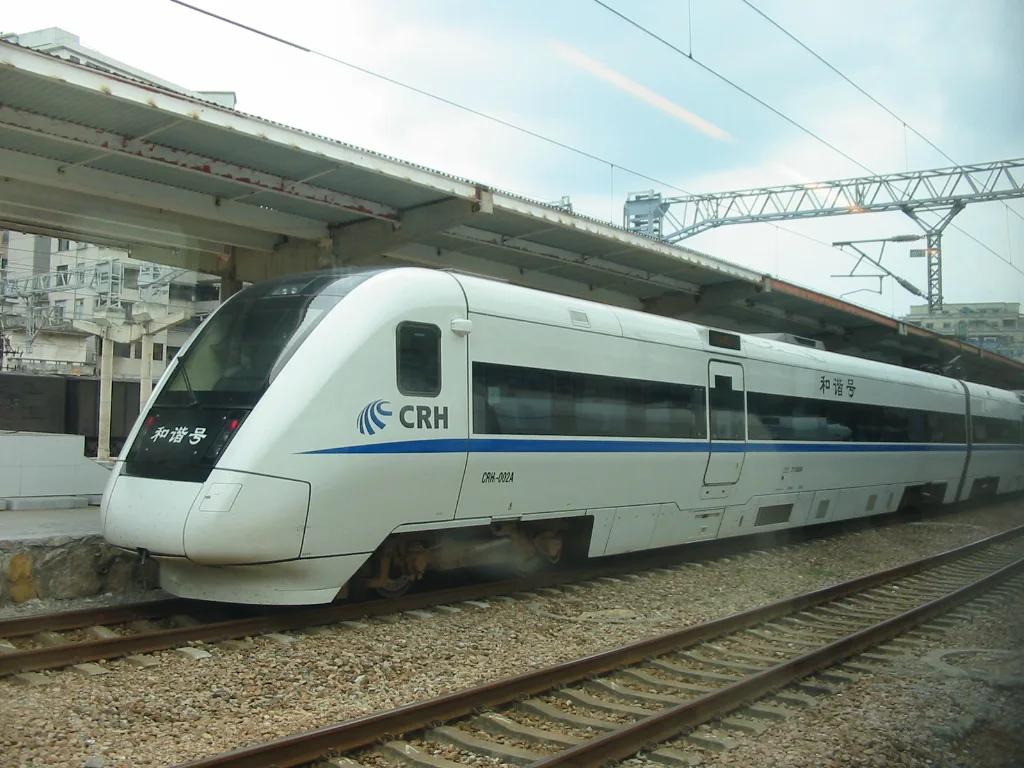
Beijing, Shanghai, Xi'an, Guangzhou and Shenzhen all have more than one station. Older stations tend to sit near the center and handle conventional trains. Newer high-speed stations tend to sit toward the edge and connect by metro. Beijing South, Shanghai Hongqiao and Xi'an North fit that second pattern. Match the name on your ticket to the table below, and use our China Railway Map: How to Read the Network and Plan a Route to see how cities connect.
| City | Station | Type | What to check |
|---|---|---|---|
| Beijing | Beijing South | Newer high-speed station | Metro link and extra transfer time |
| Beijing | Beijing West | Older major station | Station name on the ticket |
| Shanghai | Shanghai Hongqiao | Newer high-speed station | Metro ride from your hotel |
| Shanghai | Shanghai Station | Older central station | Train number and departure hall |
| Guangzhou | Guangzhou South | High-speed hub | Route from the city center |
| Chengdu | Chengdu East | High-speed hub | Name and gate on the ticket |
| Xi'an | Xi'an North | Newer high-speed station | Metro ride from the old city |
Getting to the China Train Station and Timing
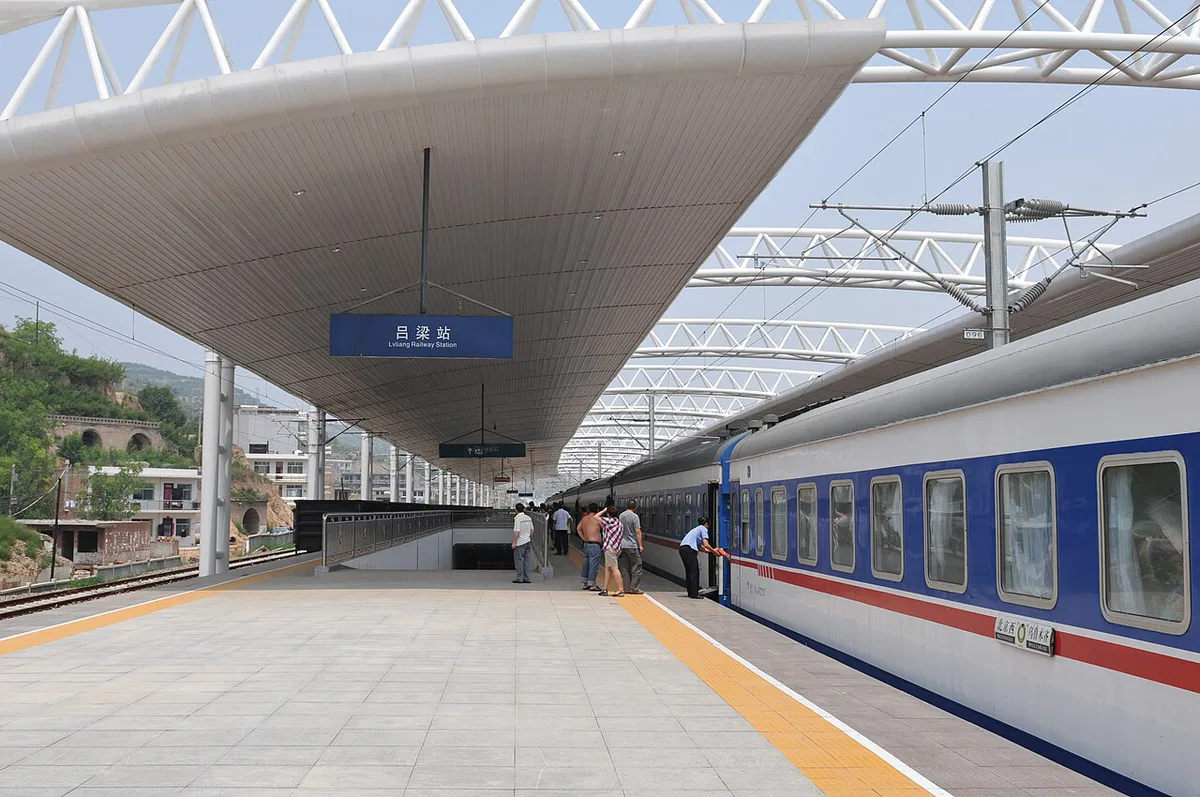
Station squares usually have bus stops, taxi stands and a metro entrance. Metro is predictable when roads jam. Taxis save effort with heavy bags, but traffic near big stations can slow them. For Beijing, check routes on the Beijing Subway site. In Shanghai, use Shanghai Metro's official service site. Use a simple rule for timing. Allow more time at huge hubs and during national holiday travel, and less at small stations. Edge stations add a longer ride, so count that before you count the buffer. Aim to be in the waiting hall before the gate closes, not just inside the building.
Tickets, ID and Security Step by Step
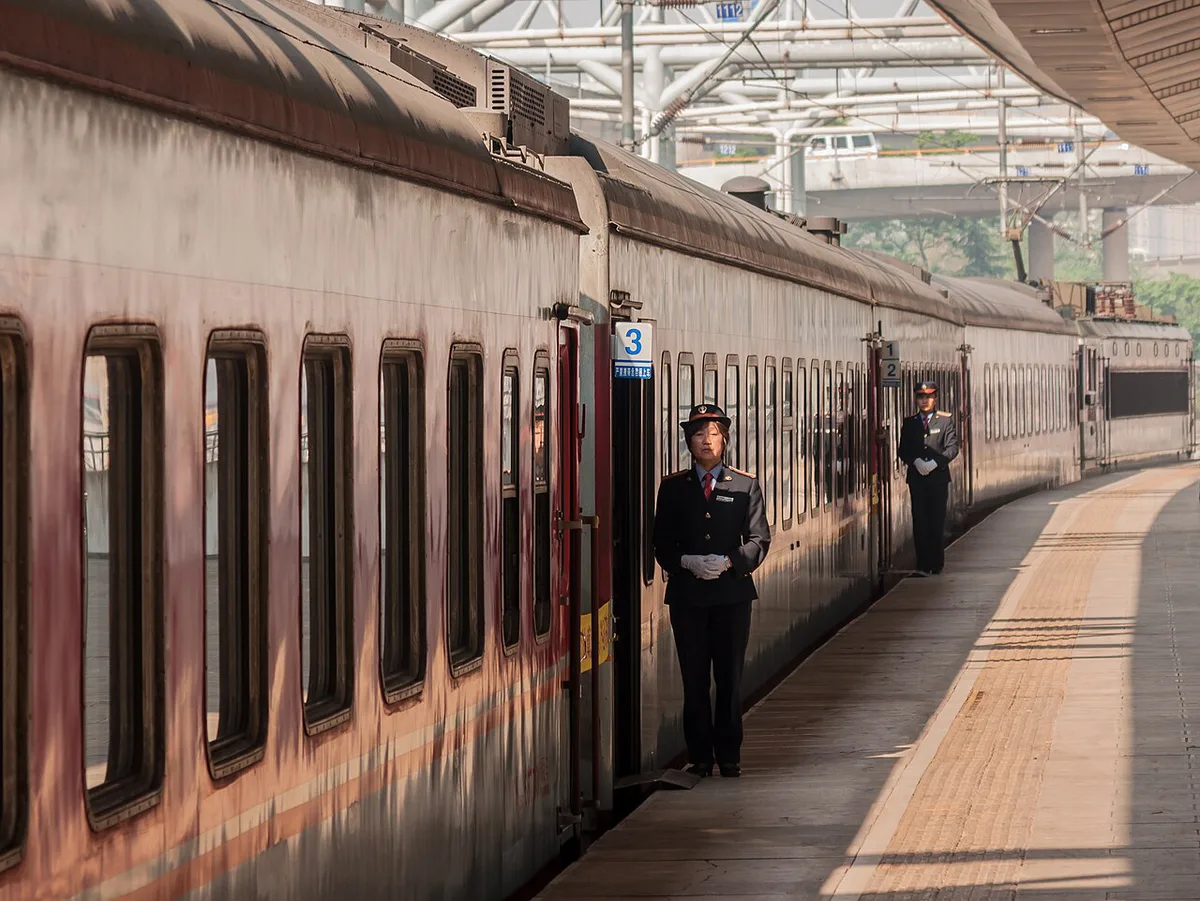
Have your passport in hand before you reach the entrance. Foreign passport holders usually use the manual channel, not the automatic ID gates. Self-service and e-ticket machines may not read passports, so go to a staffed window to buy or collect a ticket. Allow extra time for that. Behind the entrance, bags go on a conveyor belt and you pass a metal detector. Gates close before departure, and a closed gate stays closed. Our guide to booking train tickets in China covers buying. Read our 12306 app guide for the official channel. Prefer an English booking flow? See Trip.com train tickets. Final rules sit with the 12306 English portal.
Plan around the gate layout: 2-3 automatic channels and one manual channel means foreign passport holders queue for the manual one, not the automatic ID gates.
- Check the station name, train number and gate on your ticket.
- Carry your passport, not a copy.
- Join the manual channel at the entrance and screening.
- Collect a booked ticket at a staffed window if needed.
- Find your waiting hall on the LED screen.
- Be at the boarding gate before it closes.
Inside the Station: Waiting Halls, Gates and Platforms
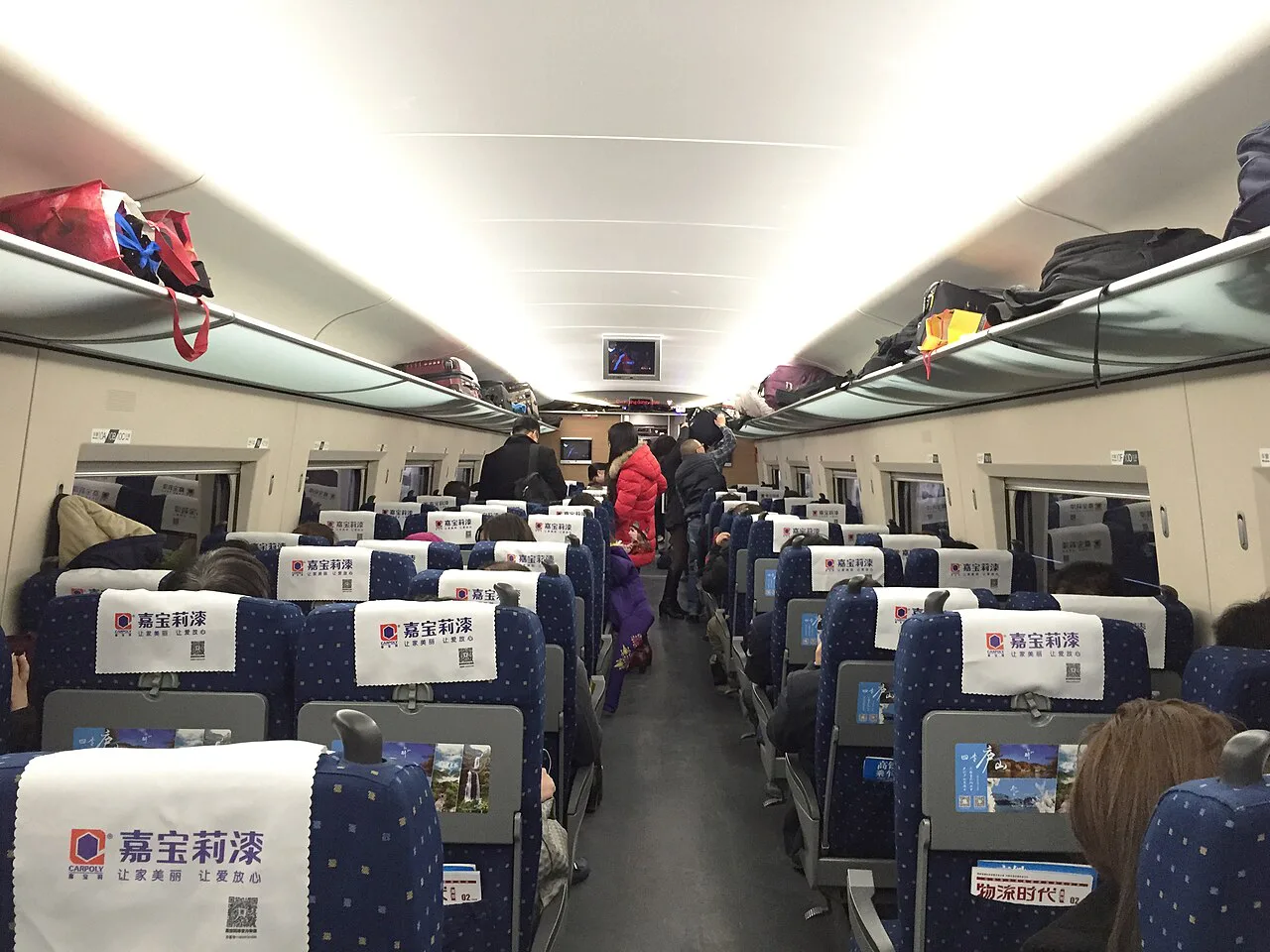
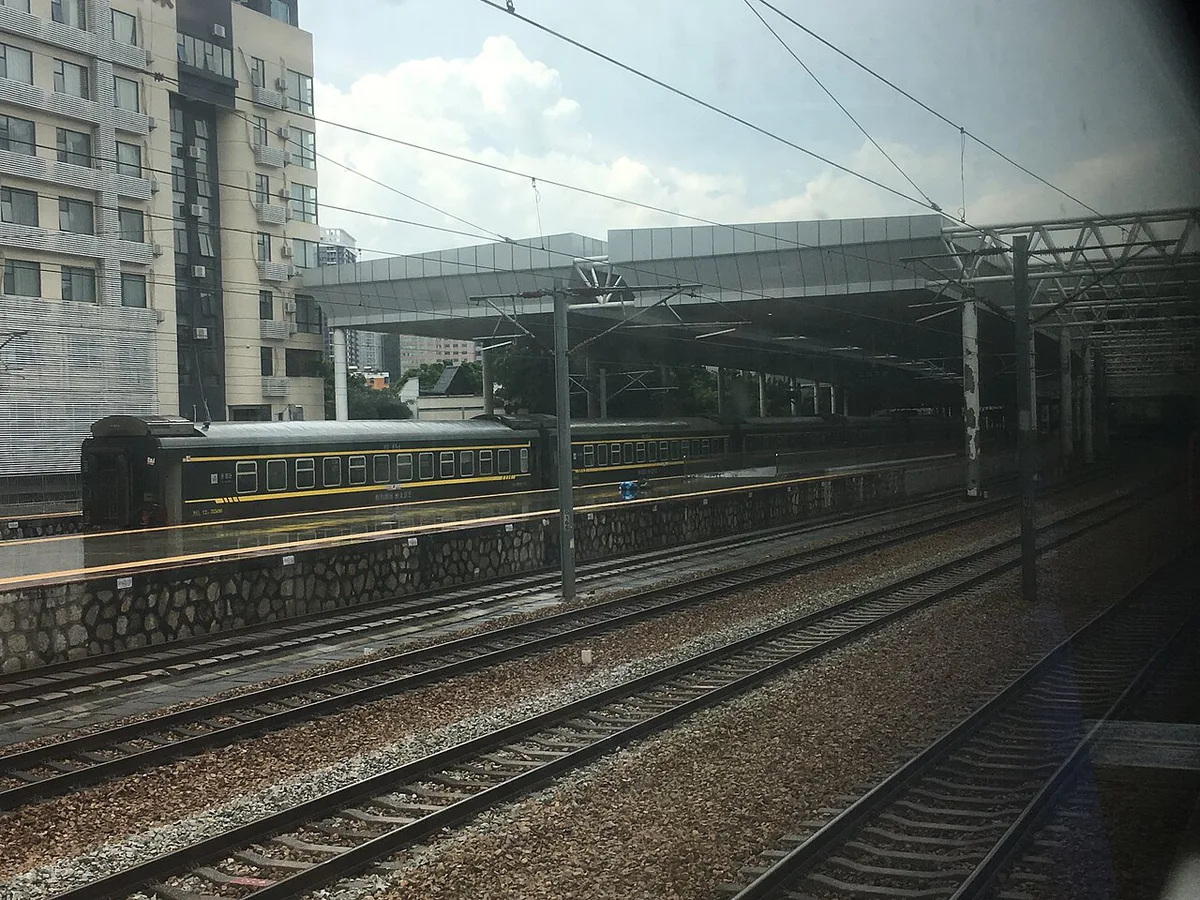
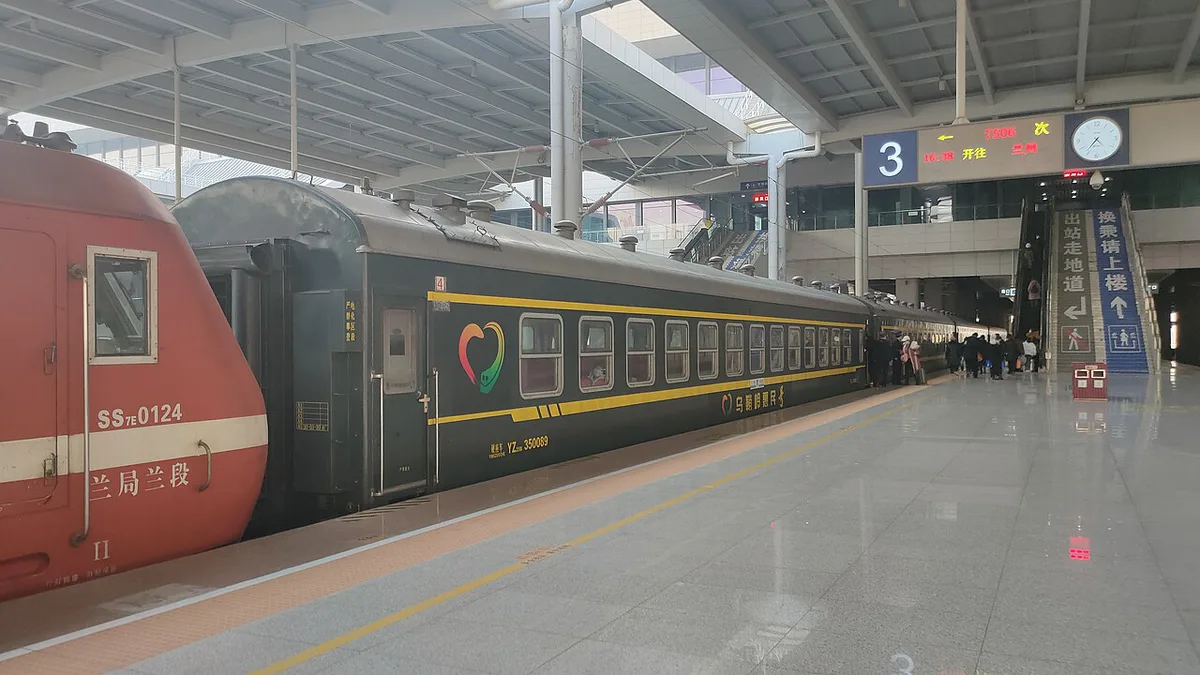
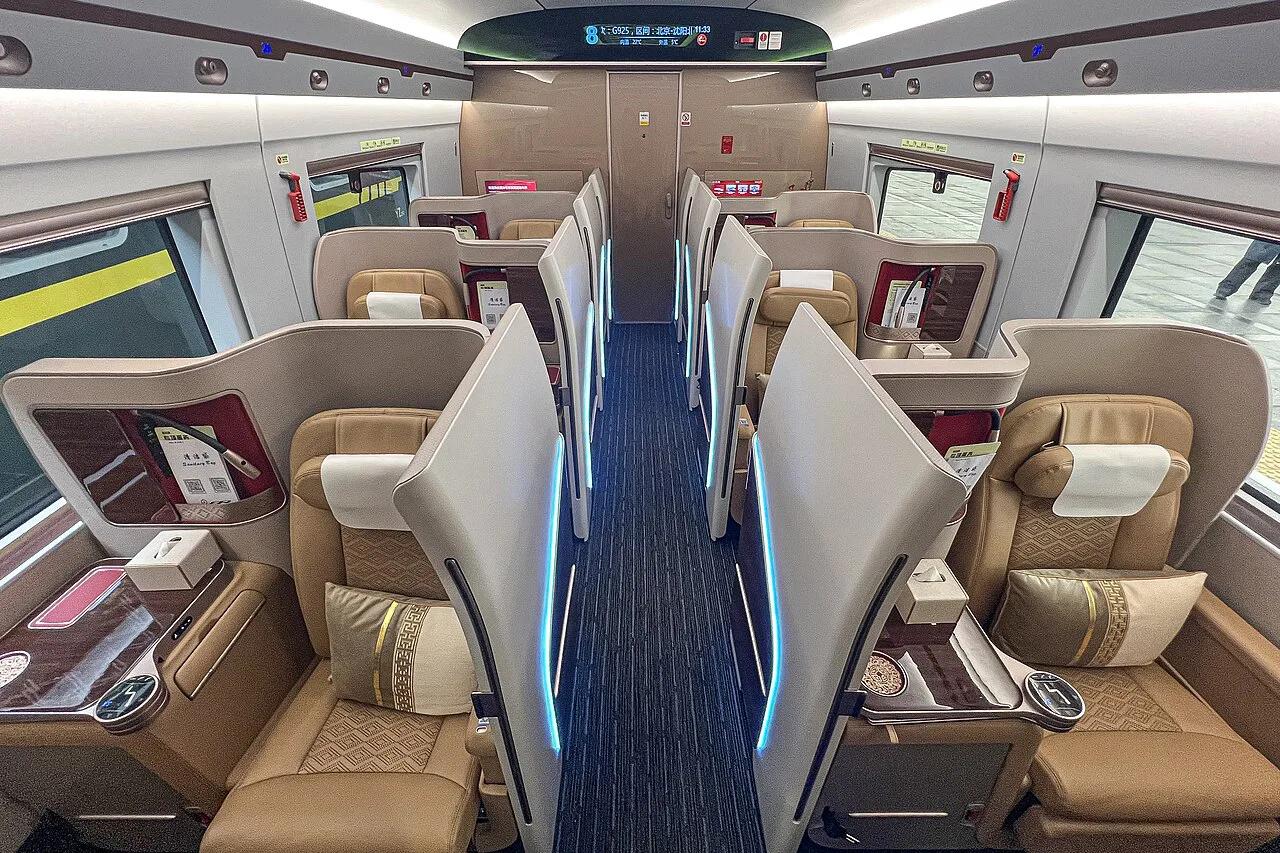
LED screens inside show timetables and your assigned waiting hall. Boards above each gate show the train's status: waiting, check-in or delayed. They also show the platform. Large stations have a big shared hall, and some add business-class seat zones and mother-and-child areas. Toilets, boiled drinking water, shops and restaurants are usually nearby. Platforms are numbered, and some passages have escalators while others have only stairs. See China Train Classes Explained: Second, First, Business, Sleepers to understand your seat type. Business travelers can read about high-speed business class. Riding the newest trains? Our Fuxing train guide explains them. Overnight services board differently, so read our sleeper train guide first.
Luggage, Lockers and Facilities
Left luggage offices usually sit near the entrance, and some run around the clock. Timed lockers inside are charged by hours and bag size. Baggage consignment counters take luggage that exceeds weight or size limits. Fees vary by station and bag size, so ask at the counter. Red-cap porters work at some larger stations. Our China train luggage guide covers limits and packing.
Station Spotlight: Chongqing East
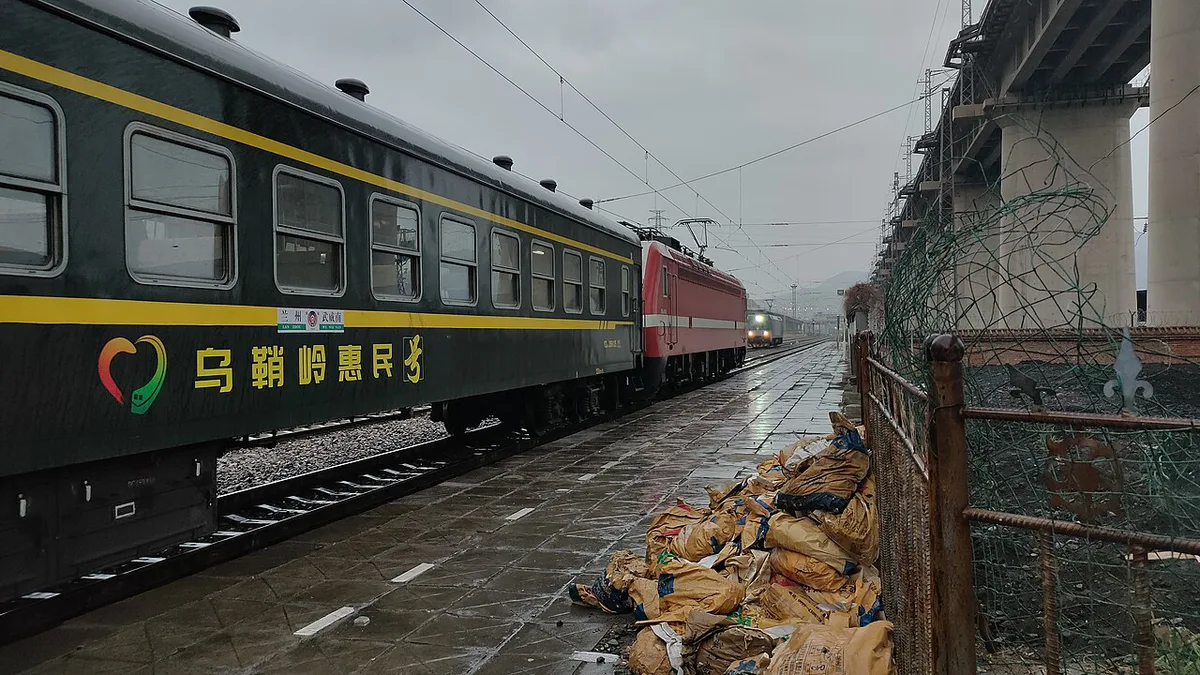
Chongqing East is a useful example of the newest generation. It stands in Nan'an District and opened to passengers on 27 June 2025. It has 29 tracks and 15 platforms, and a Chongqing Rail Transit Line 6 station sits beneath it. Time Out reported that it became one of the largest passenger stations in the world on opening. Size rankings vary by measure. Allow generous time on a first visit.
Chongqing East has 29 tracks and 15 platforms, so the rule to allow more time at huge hubs applies there even on a first visit.
Mistakes to Avoid at a China Train Station
Most missed trains come from small planning errors, not from the station itself.
- Going to the wrong station when a city has several.
- Arriving late at a large hub or during holiday travel.
- Packing your passport in checked or buried luggage.
- Booking a tight connection between two different stations.
- Assuming every station is central.
- Ignoring the gate closing time.
- Skipping a staffed window when machines reject your passport.
Frequently Asked Questions
Can foreigners take trains in China?
Yes. Foreign visitors can buy tickets with a passport. Most use the manual channel at entrances and gates, and a staffed window to buy or collect tickets. Final rules are on the China Railway site.
What is China's largest train station?
Chongqing East, opened 27 June 2025, is often cited among the largest. Rankings depend on how size is measured, so treat "largest" claims with care.
Notes on Asia's railways
Optional updates when we revise our train and route guides.
You might also like
Continue reading
More guides you'll find useful