
Shanghai Railway Station: Which Station, Metro & Tips
Shanghai Railway Station (Moling Road, Jing'an) explained: how it differs from Hongqiao, Metro Lines 1, 3 and 4, ticket check and exits.
On this page
Last updated November 2026. Shanghai Railway Station (上海站, Shànghǎi Zhàn) sits at 303 Moling Road in Jing'an District, north of the city center, and it is not Hongqiao. Metro Lines 1, 3 and 4 stop here, and it handles a mix of conventional and some high-speed trains. If your ticket says Hongqiao, head to our Hongqiao high-speed hub guide instead.
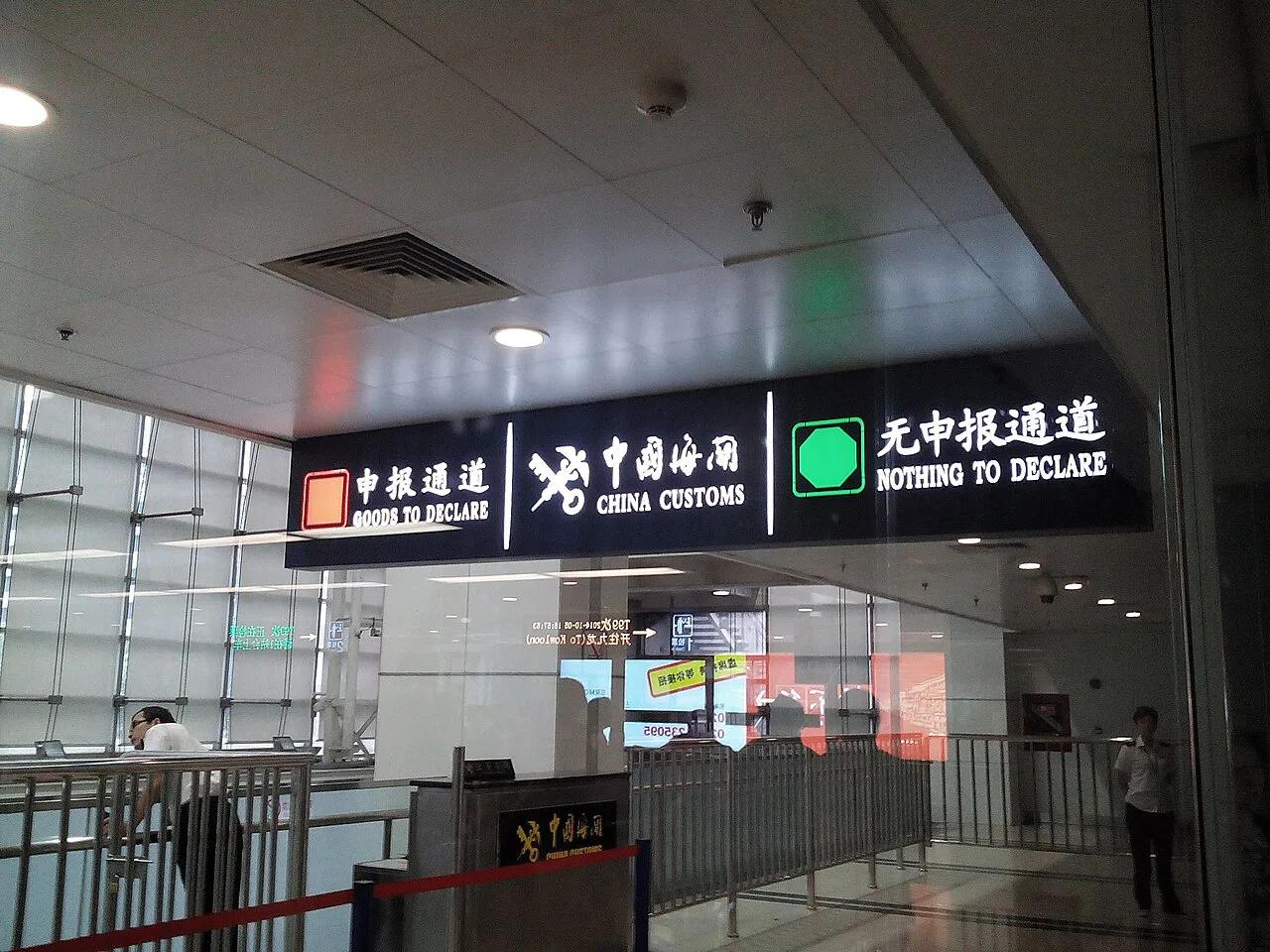
Featured image: MNXANL, CC BY-SA 4.0, via Wikimedia Commons.
Quick answer: what and where Shanghai Railway Station is
Locals call this the "new station" because it replaced the old Shanghai North station on 28 December 1987. A renovation finished on 29 May 2010 and added a wave-shaped platform roof. Today it is one of several Shanghai stations on China's national network, so it helps to read our China train overview first. Per the Shanghai Metro map, Lines 1, 3 and 4 serve the station.
- Chinese name: 上海站 (Shànghǎi Zhàn)
- Address: 303 Moling Road, Jing'an District
- Metro: Lines 1, 3 and 4
- Operator: China Railway
Shanghai Railway Station vs Hongqiao, South and West
Shanghai has several major stations, and sources differ on whether the count is four or five. The answer depends on whether you include Songjiang. Match the station name printed on your ticket to this table before you leave your hotel. Our China train stations guide explains how names work nationwide.
| Station | District | Metro link from Shanghai Railway Station |
|---|---|---|
| Shanghai Railway (上海站) | Jing'an | You are here: Lines 1, 3, 4 |
| Shanghai Hongqiao (虹桥站) | Hongqiao | Lines 3 or 4 to Zhongshan Park, then Line 2 |
| Shanghai South (上海南站) | Xuhui | Line 1 directly |
| Shanghai West (上海西站) | Putuo | Lines 3 or 4 to Caoyang Road, then Line 11 |
- Check the departure station on your ticket, not just the city name.
- Station names on 12306 appear in both Chinese and pinyin.
- If two stations look similar, compare the Chinese characters.
Getting to Shanghai Railway Station
Metro is the simplest route, and the station has exits in both squares. Line 1 uses the south square. Lines 3 and 4 use the north square. Competitor-style estimates put a taxi from Nanjing Road at about 15 minutes and ¥20, but fares vary with traffic. Hongqiao railway station is roughly 50 minutes and ¥80 by taxi, and South station about 30 minutes and ¥50. Prices and hours checked November 2026 against published guides, so treat them as rough ranges. Taxis drop off at the south or north square. Some reports say they cannot stop directly out front, so follow the signs on arrival.
| Option | Best when | Rough figure |
|---|---|---|
| Metro Line 1, 3 or 4 | Light luggage, rush hour | Exit square depends on line |
| Taxi from Nanjing Road | Heavy bags, late night | About 15 min, ¥20 |
| Taxi from South station | Switching stations | About 30 min, ¥50 |
| Taxi from Hongqiao station | Switching stations | About 50 min, ¥80 |
| Bus | Local routes | North and south square stops |
Inside the station: north and south squares
Shanghai Railway Station has one terminal building with a square at each end. An underground passage connects the north and south squares. Each square has a ticket office, taxi stand and bus stop. Waiting rooms sit on the second floor, and platforms are on the first floor. A service center for travelers to and from Hong Kong is also on the first floor. LED screens show train numbers and waiting rooms, so look up before you wander.
Tickets and booking
Tickets are tied to your passport number, so book with the same passport you will carry. Our guide to booking train tickets in China covers the full process. The official 12306 English portal sells tickets directly. Most visitors find the 12306 app walkthrough useful for the account setup. Agents add a fee but can be easier to use in English, as our Trip.com train tickets guide explains. Seat types are broken down in our train classes guide. Each square also has a ticket office with vending machines. A published guide lists windows 1 and 2 for refunds and 3 and 4 for changes, but window use can shift.
Since tickets are tied to your passport, bring it to windows 1 and 2 for refunds and 3 and 4 for changes.
Ticket check, security and boarding
Bring your passport, because staff check ID at the entrance. Foreign passport holders use the manual check channel rather than the automatic gates. After that, find your waiting room from the ticket details and wait for boarding to be announced. Arrive generously early, since there is no need to cut the margin. Bag size rules are covered in our China train luggage guide.
- Wrong station: confirm the name on your ticket before leaving.
- No passport: you cannot enter or collect tickets without it.
- Bus station mix-up: the long-distance bus terminal is a separate building north of the station, nearer the north square.
- Taxi surprise: expect to be dropped at a square, not at the doors.
- Short buffer: leave time for ID check, security and finding your waiting room.
Where trains go
A published timetable snapshot updated in July 2026 shows how wide the range is. Shanghai to Beijing South runs from 4 hours 24 minutes to 12 hours 19 minutes. Shanghai to Nanjing ranges from 59 minutes to 6 hours, depending on the train type. Xi'an by ordinary overnight train takes roughly 14 hours 46 minutes to 22 hours 58 minutes. Beijing by conventional train, such as train 1462, takes 14 hours 35 minutes to 22 hours 31 minutes. Check your exact service in the booking app. Fast services are covered in our Fuxing train guide, and overnight options in our sleeper train guide. Use our China railway map to see how these lines connect.
Arriving: how to exit and onward travel
After you step off, an underground passage leads to the southeast, southwest and north exits. Follow the direction boards to your Metro line. For Nanjing Road, take Line 1 to People's Square. For Pudong International Airport, a Line 4 route to Century Avenue and Line 2 is one option. An airport shuttle from the north square has been listed at ¥27 and about 80 minutes. Confirm that service before relying on it. For Hongqiao airport, go via Zhongshan Park to Line 2. Taxis from here are roughly ¥170 and an hour to Pudong airport and ¥60 and 40 minutes to Hongqiao airport. Heading to another city next? See Beijing South station for a high-speed arrival.
An airport shuttle from the north square has been listed at ¥27 and about 80 minutes. For heavy bags, red-cap carriers cost about ¥10 to ¥20 per piece.
Luggage, facilities and accessibility
Luggage offices sit on the first floor near the south and north entrances. A published guide lists roughly ¥20 to ¥30 per piece per day. Red-cap carriers cost about ¥10 to ¥20 per piece. Self-service lockers are also listed in both squares. A separate waiting room on the first floor is set aside for disabled travelers, seniors and mothers with babies. Staff at a service station in the south square ticket office can help elderly and disabled passengers book tickets.
Frequently Asked Questions
What is the main train station in Shanghai?
No single station covers everything. Shanghai Railway Station on Moling Road is the older central station, and Hongqiao handles many high-speed trains. Use the station named on your ticket.
What is the difference between Shanghai Hongqiao and Shanghai Station?
Shanghai Station is in Jing'an District, with Metro Lines 1, 3 and 4. Hongqiao is a separate station in Hongqiao district, reached from here via Zhongshan Park and Line 2. Read our Hongqiao station guide for details.
Can foreigners take trains in China?
Yes. You book with your passport and carry it to the station. Foreign passport holders use the manual check channel at entry.
Which station to take high-speed train in Shanghai?
It depends on your route. Shanghai Railway Station runs some G and D trains, and Hongqiao runs many more. Search your route on 12306 and read the departure station name before paying.
Notes on Asia's railways
Optional updates when we revise our train and route guides.
You might also like


Continue reading
More guides you'll find useful