10 Best China High Speed Train Routes and How to Ride
Plan China high speed train travel: train types, booking steps, ticket classes, 10 best routes and when rail beats flying.
On this page
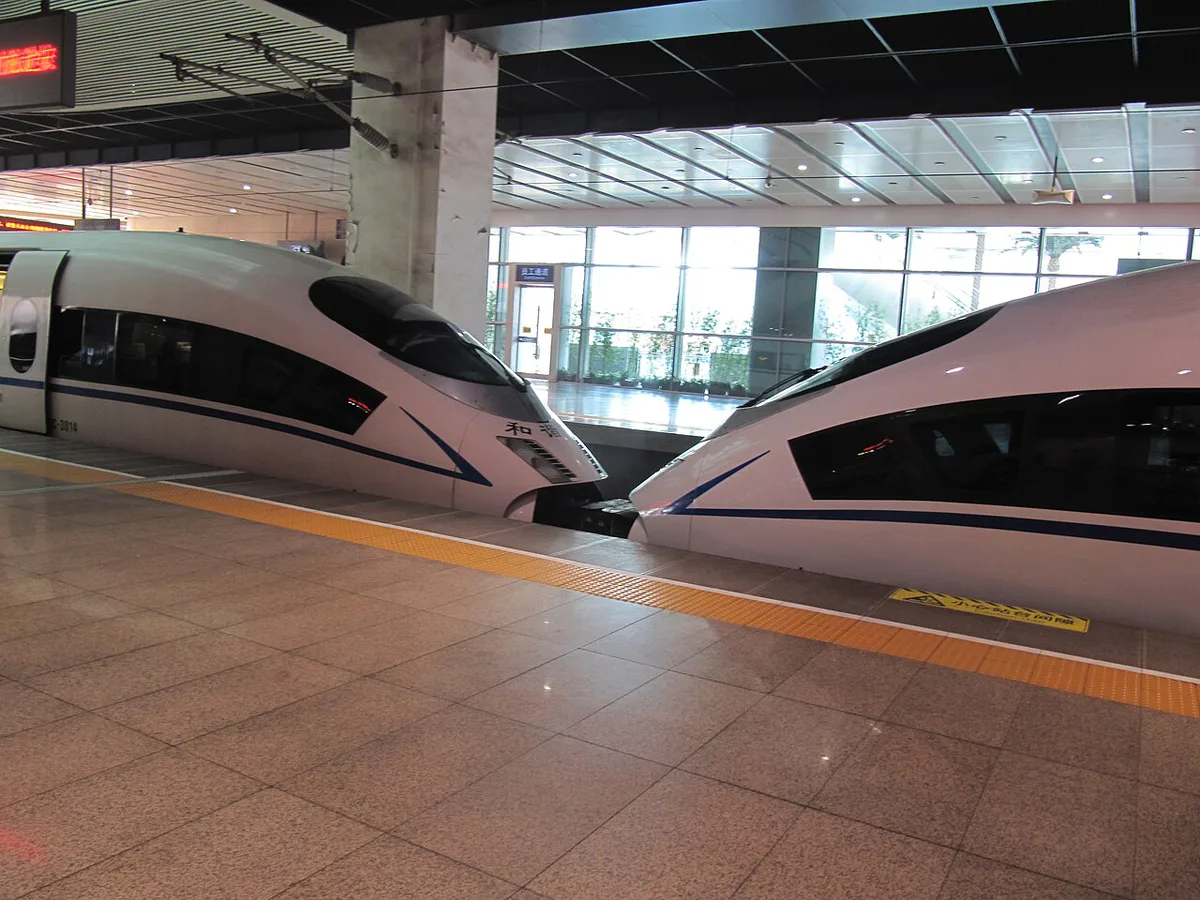
Last updated November 2026: a China high speed train is the quickest way to cover most of eastern and central China overland. Tickets are sold in advance online and at stations, and one passport covers booking and boarding. Below you will find train types, booking steps, a rail-versus-flight comparison and 10 routes worth building a trip around.
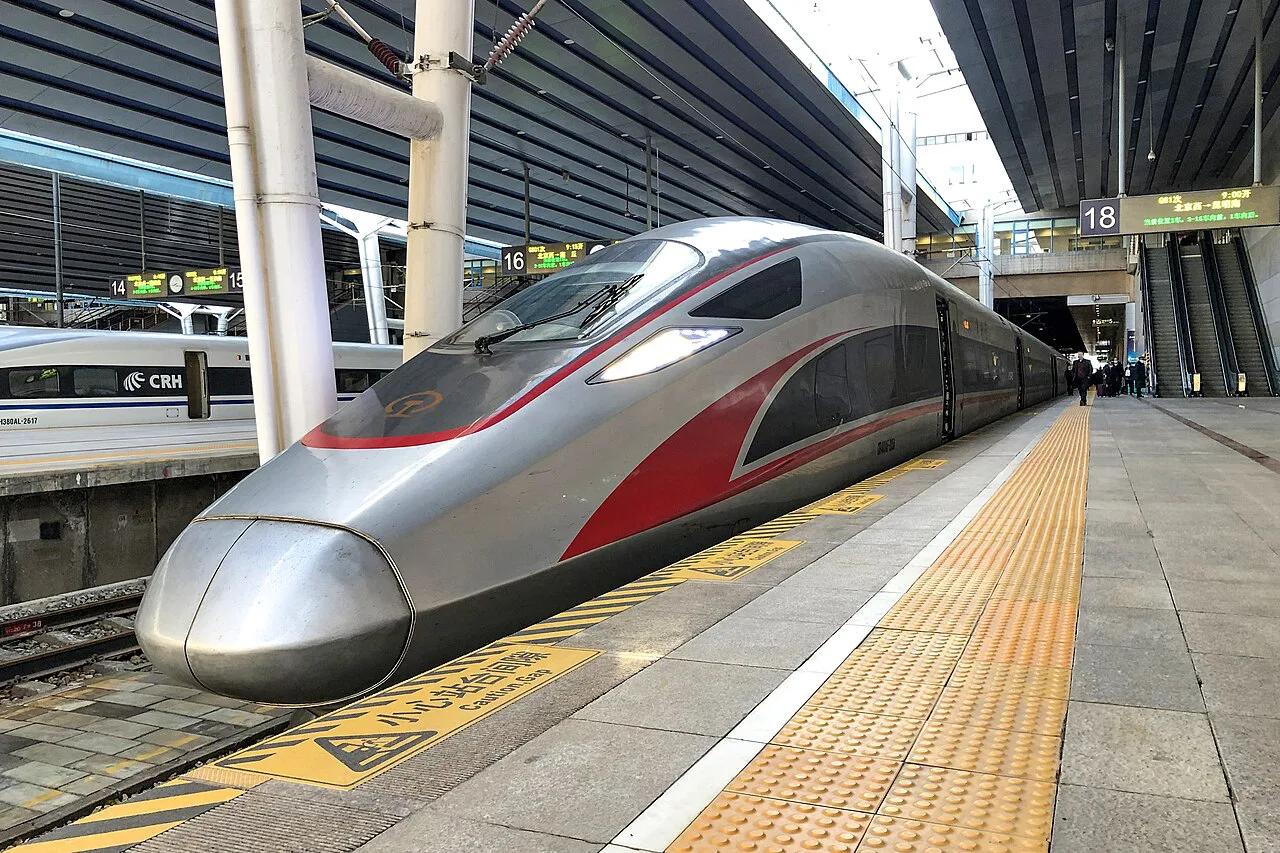
Featured image: kitmasterbloke, CC BY 2.0, via Wikimedia Commons.
Quick answer: what China's high-speed trains are and who they suit
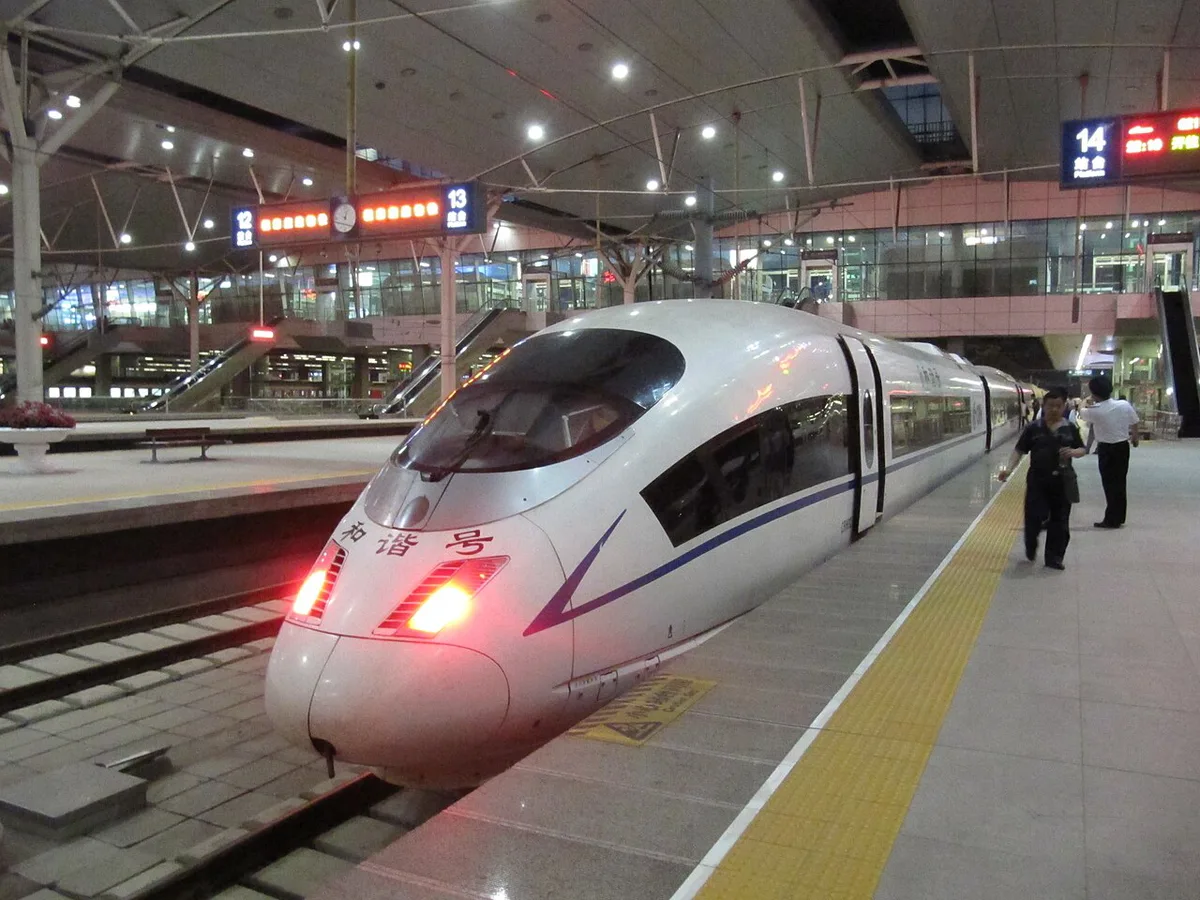
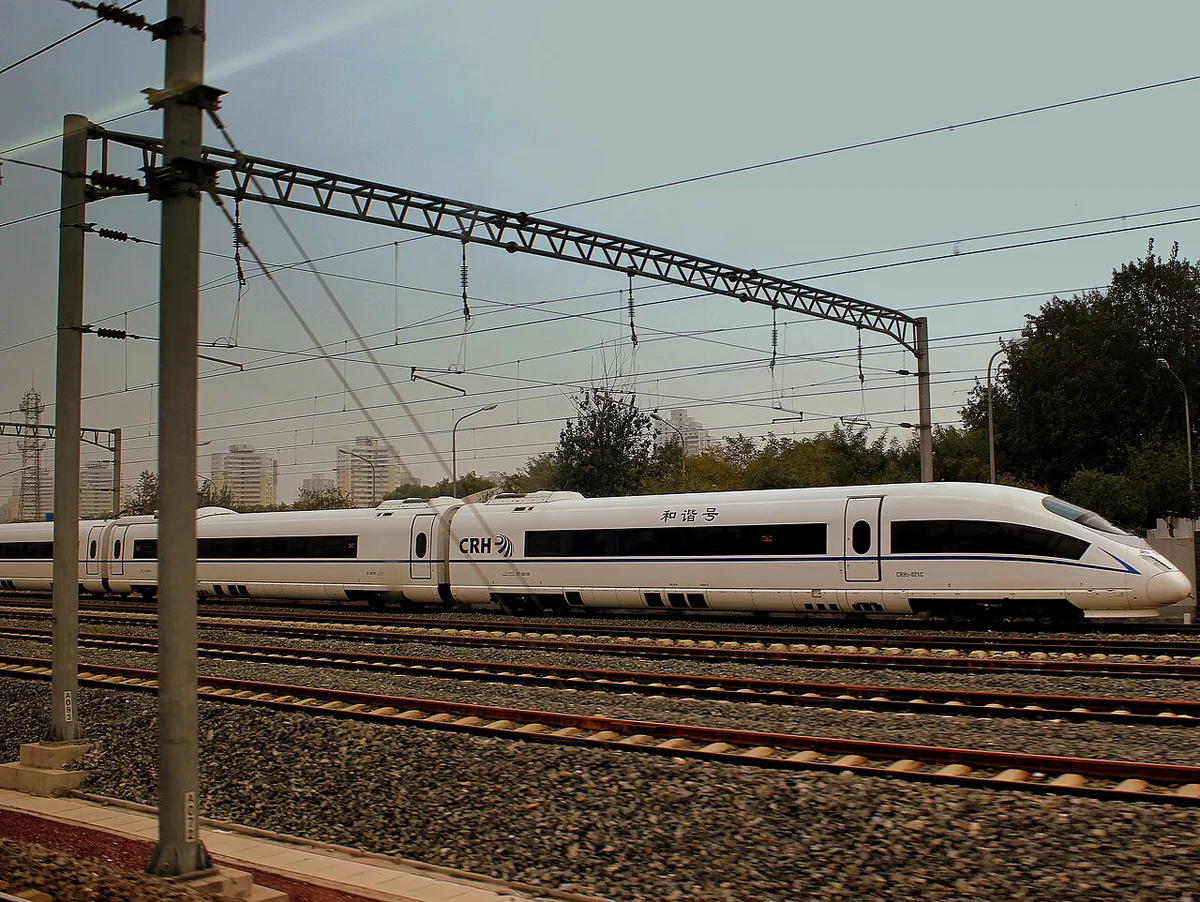
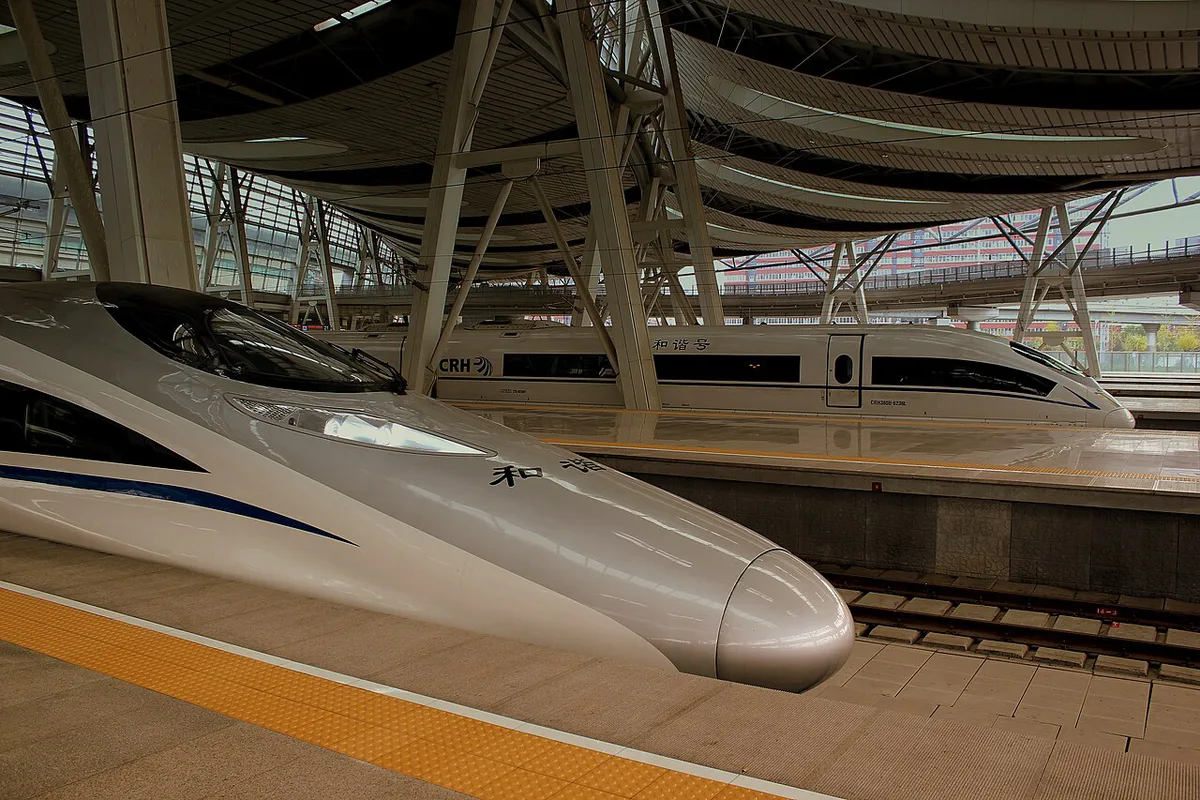
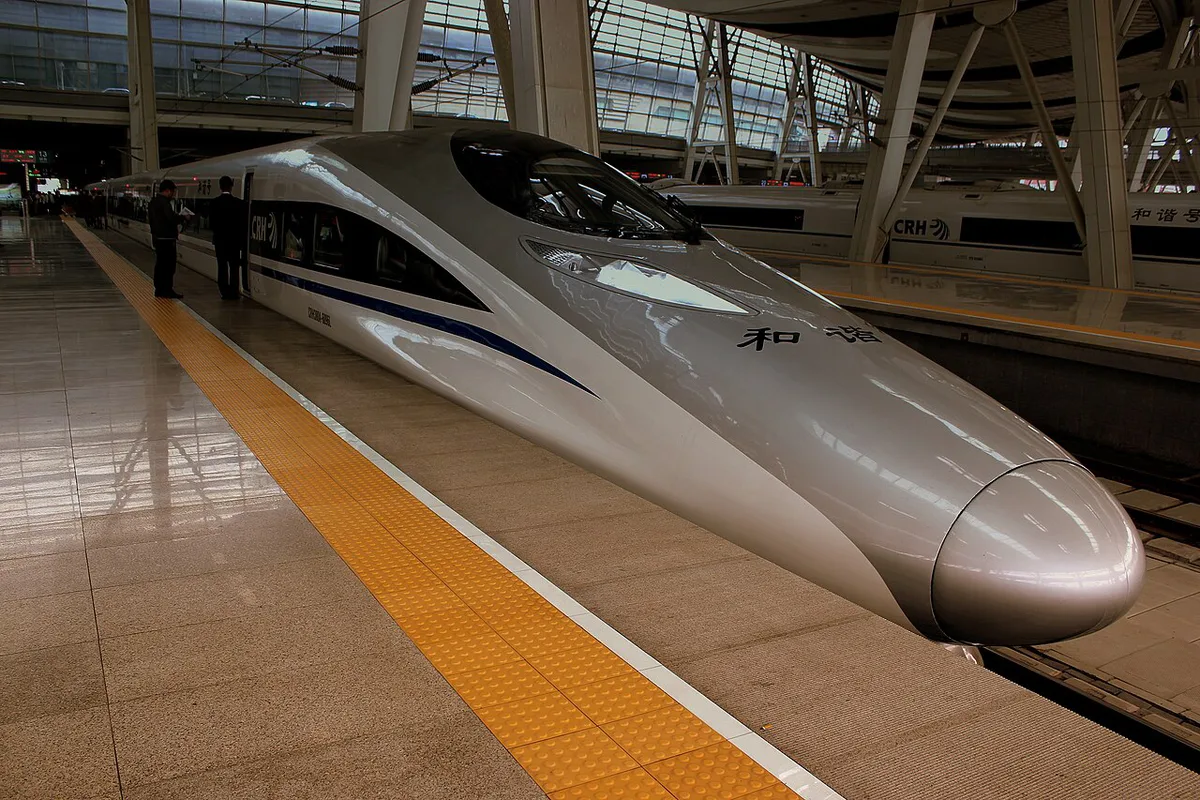
China's high-speed network is reported at about 50,000 km, with a stated target of 60,000 km by 2030. A common definition of high-speed service is an average speed of 200 km/h or more, and top service speeds reach 350 km/h. China Railway runs the network and publishes official railway information for travelers. These trains suit anyone linking big cities 2 to 5 hours apart, with a station walk and a security check at each end. They suit you less if you are heading to a remote site without a rail line.
Train types and classes explained
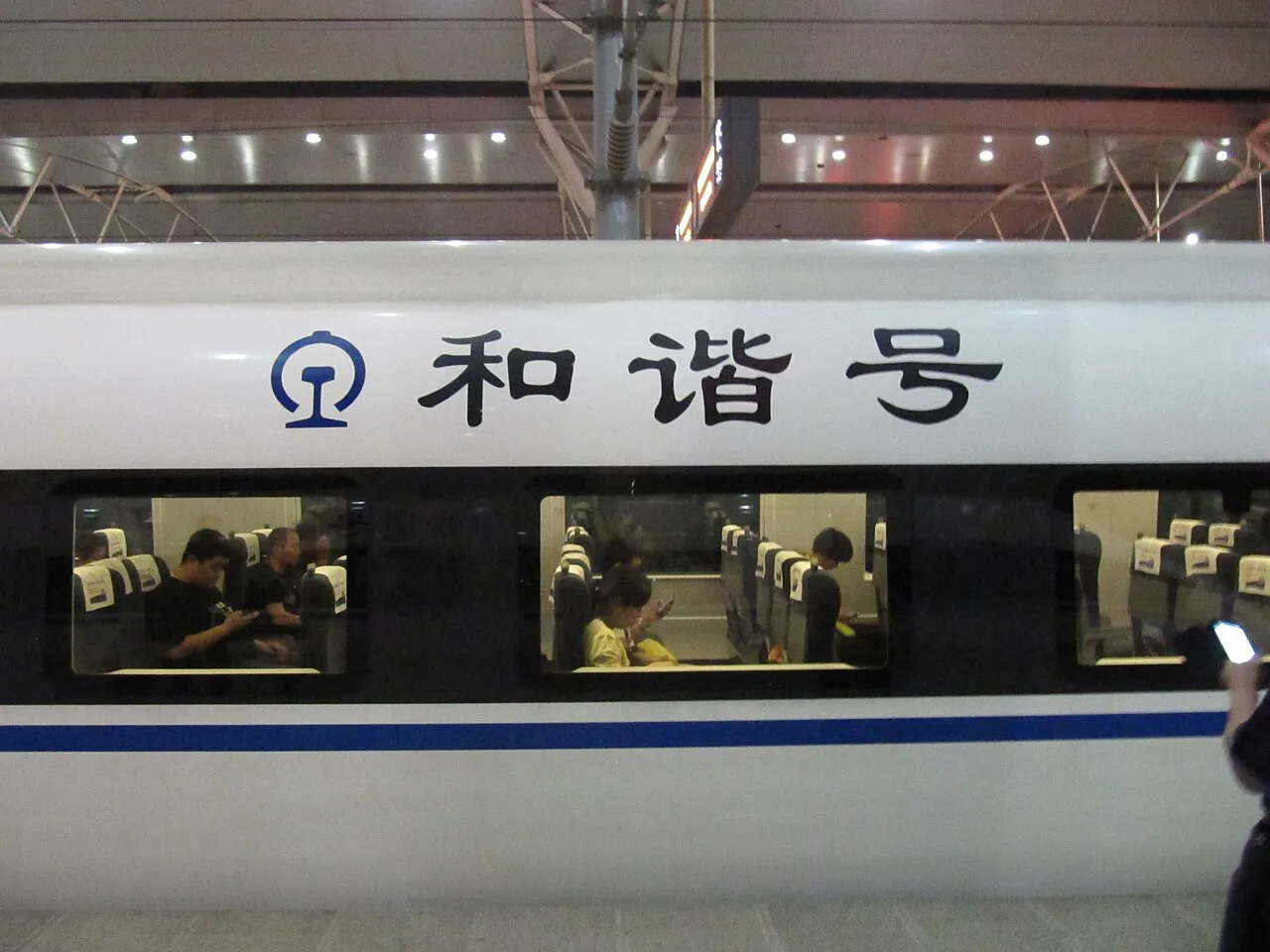
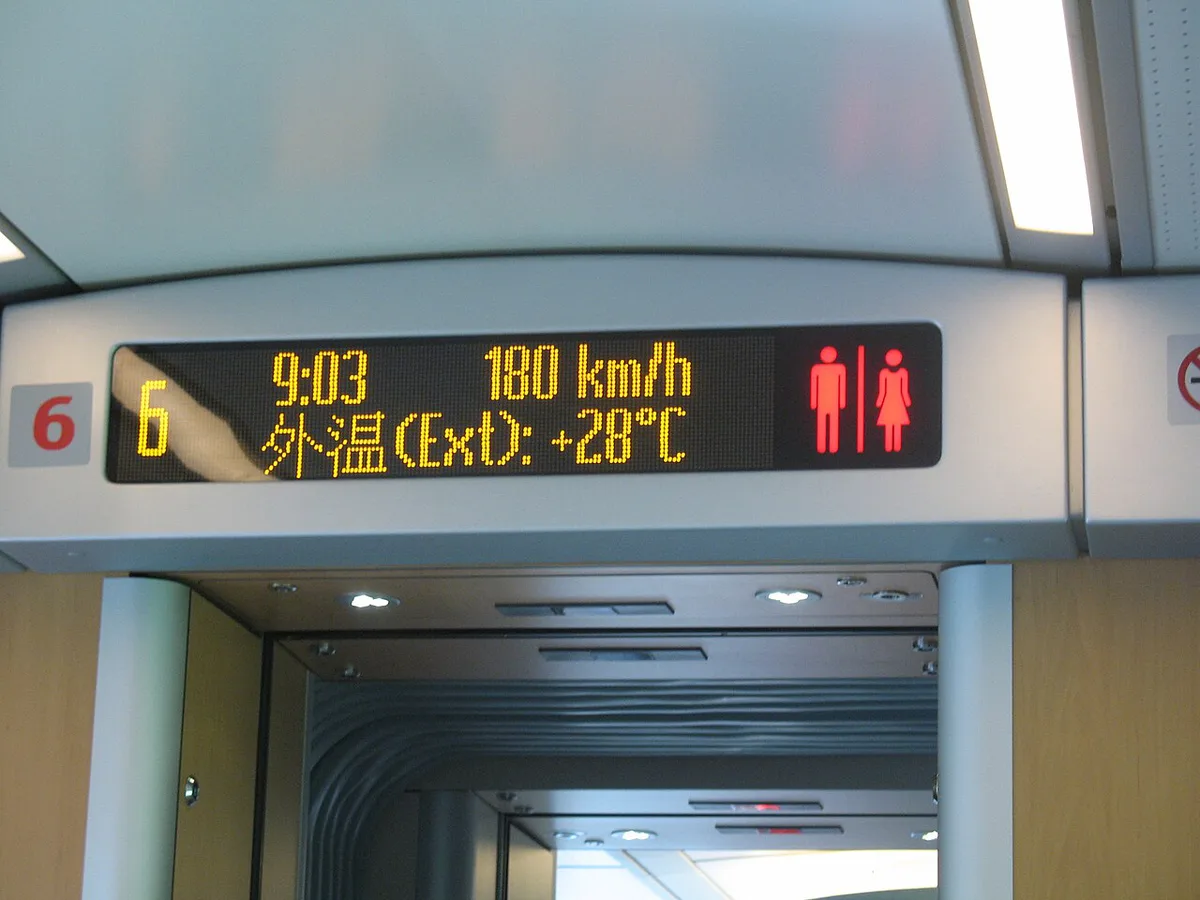
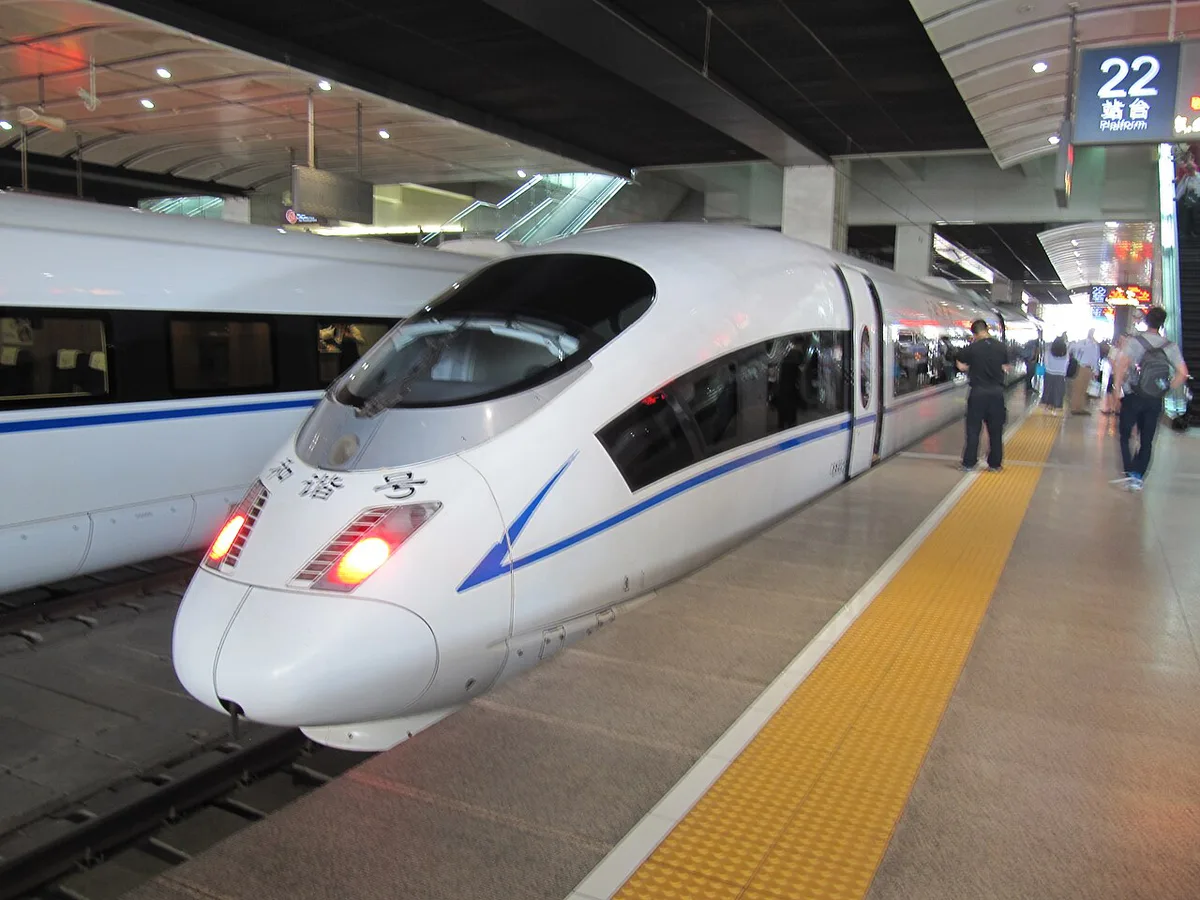
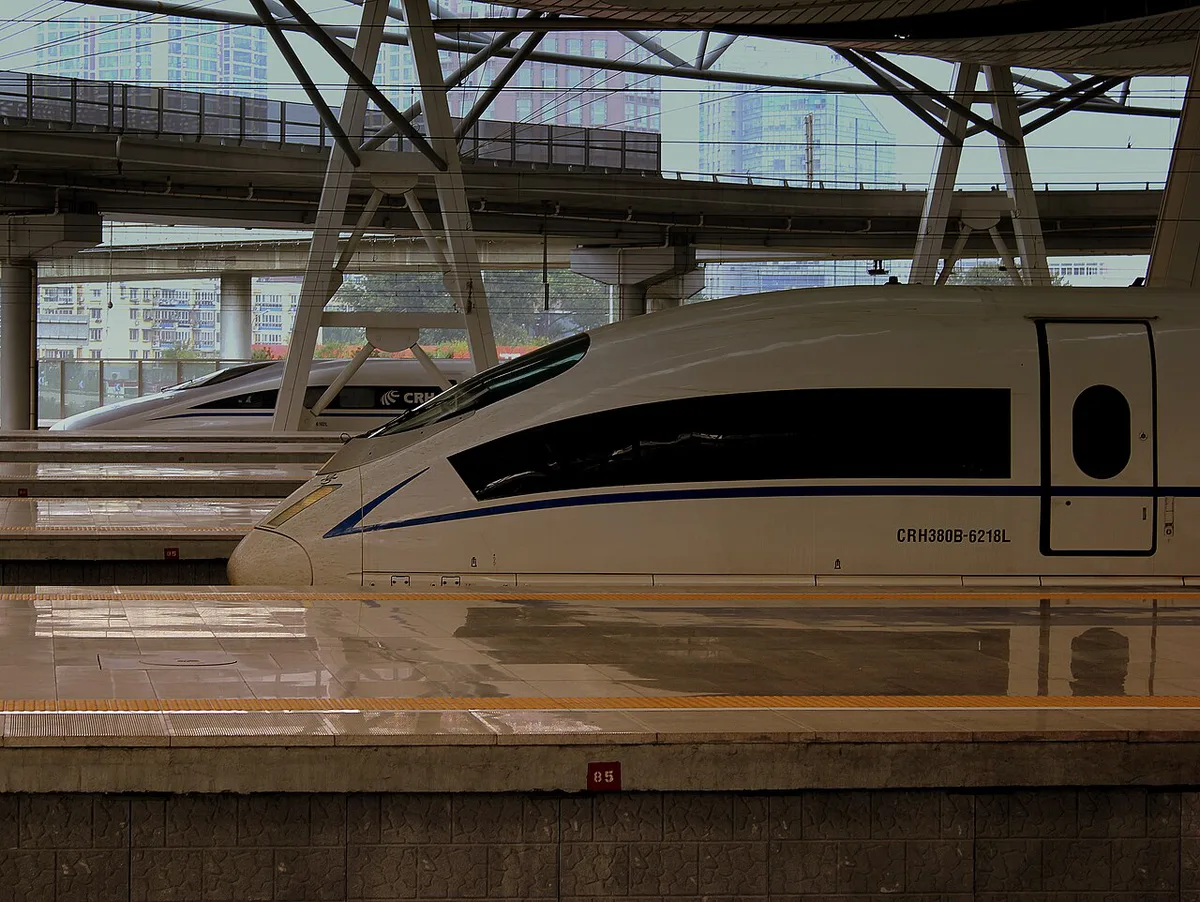
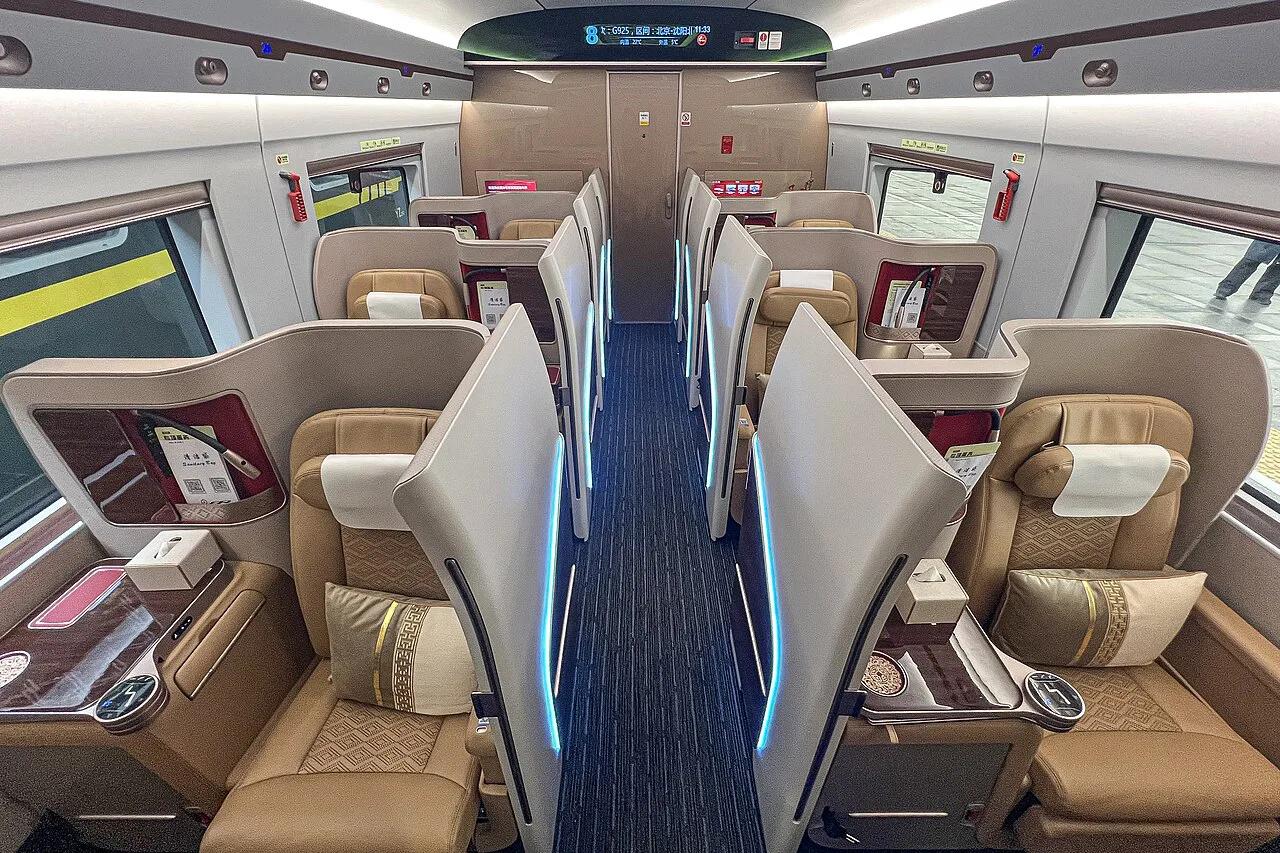
Three letters matter on a timetable. G trains are the fastest high-speed service. D trains are slower and run on a mix of lines. C trains are short intercity services between nearby cities. Fuxing is the name of the newer train series, and you may see sets labelled CR400. Seat class matters more for comfort than for speed: second class is the standard seat, first class adds space, and business class is the premium cabin. Prices and hours checked November 2026 where stated.
| Option | Speed | Comfort | Price tier | Best for |
|---|---|---|---|---|
| G train | Fastest service | Modern sets, reliable | Mid to premium | Long city pairs |
| D train | Quick, usually below G | Comfortable | Mid | Routes without a G option |
| C train | Short hops, frequent stops | Basic to good | Cheaper | Neighbouring cities |
| Second class | Same as first | Standard seat | Cheaper | Most travelers |
| First class | Same as second | More legroom | Mid | Long rides, tall travelers |
| Business class | Same train | Premium cabin | Premium | Comfort-first trips |
How to book and board
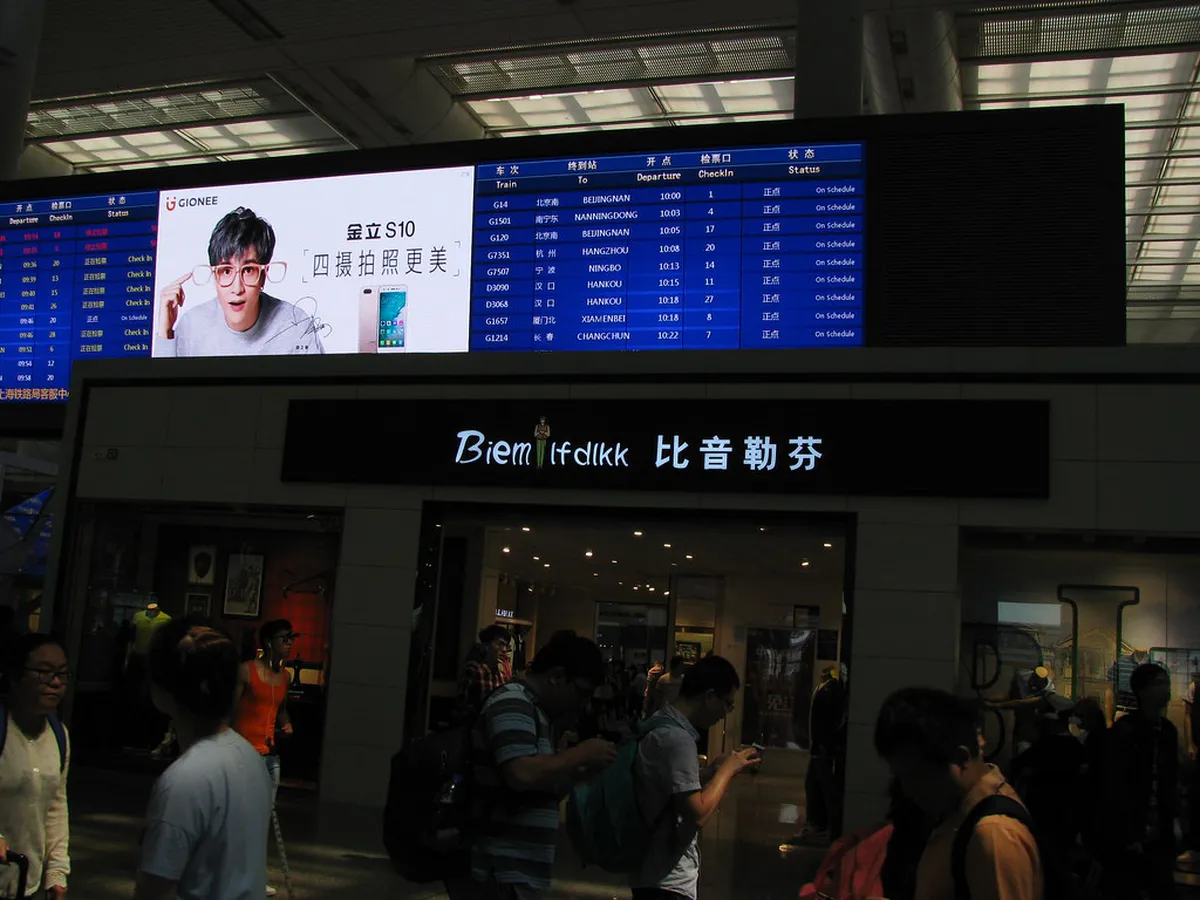
Book through China Railway's official 12306 ticketing site, an English-language booking app, or a station counter. Your ticket is tied to the passport you used when booking. Use the same passport at ticket collection and at the gate. At the station you pass a security check, then wait in the departure hall until your platform opens. Large cities have several stations, so match the station name on your ticket to your hotel and onward plans before you leave. Holiday dates push demand up, so book early for national holidays.
- Wrong station: Beijing, Shanghai and Guangzhou each have more than one rail station, so read the name on the ticket.
- Wrong name or passport number: a mismatch can block ticket collection and gate entry.
- Arriving late: security and gate queues take time, so leave a generous buffer.
- Heavy luggage: station stairs and long walks add minutes, so allow extra time.
Costs and value
Fares change by route, train type and demand, so no single price applies. Second class is the cheaper tier, first class sits in the middle, and business class is the premium option. G trains usually cost more than D trains on a comparable route, because you pay for speed. Look up the exact fare for your date on 12306 or in your booking app. Rail often beats flying on value once airport transfers and check-in time are counted.
High-speed rail vs flying vs slower trains
Distance decides the winner. Under about 2 hours by rail, flying rarely pays off after airport time. Between 2 and 5 hours, rail usually wins door to door. Beyond 5 hours, or overnight, flying or a sleeper train becomes worth comparing. Rail stations are often easier to reach than airports, and baggage rules are looser.
Under about 2 hours by rail, flying rarely pays, and the short Chengdu to Chongqing ride shows how station transfers can cancel the saving.
| Distance band | High-speed rail | Flying | Slower or sleeper train |
|---|---|---|---|
| Under ~2 hours | Best choice | Transfers eat the saving | Rarely needed |
| 2 to 5 hours | Usually fastest door to door | Check-in and security add time | Cheaper, but slower |
| Over 5 hours | Comfortable if you can spare the day | Often quicker | Sleeper saves a hotel night |
10 Best China High Speed Train Routes by Region
These ten routes anchor most China rail itineraries. Each entry names what it connects, why to take it, one trade-off and who should skip it. Route details were checked November 2026.
Beijing to Shanghai, with reported times of more than 4 hours, sits in the 2 to 5 hour band where rail usually wins door to door.
1. Beijing to Shanghai
This is China's flagship rail corridor, linking the capital with the main business and shopping city on the east coast. Reported journey times run to more than 4 hours, which makes it a comfortable day of travel. Both cities have several stations, so check which one your ticket uses before booking a hotel.
Read the full plan in our guide to Beijing to Shanghai by train. Skip it if your trip covers only one of the two cities.
2. Beijing to Xi'an
This route joins the capital with Xi'an, the base for the Terracotta Army. It works well as the first leg of a classic northern loop. Trade-off: stations in both cities are large, and the last stretch to your hotel needs a metro or taxi.
See Beijing to Xi'an by train for station and class details. Skip it if you only want a quick Beijing stay.
3. Shanghai to Xi'an
Shanghai to Xi'an links the east coast to the interior without a detour through Beijing. It suits travelers who want Xi'an after the Yangtze delta cities. Trade-off: it is a long ride, so compare it with a flight for your dates.
Our page on Shanghai to Xi'an by train covers the options. Skip it if you dislike long seated journeys.
4. Xi'an to Chengdu
This leg connects Xi'an with Sichuan's capital, where most visitors go for giant pandas. It cuts through hilly country, and rail makes it a simple, scheduled link. Trade-off: arrival stations sit away from some city-centre hotels.
Details are in Xi'an to Chengdu by train. Skip it if you are short on time and flying suits your plan.
5. Chengdu to Chongqing
This is a short hop between two of western China's biggest cities. It is easy to add to a Sichuan trip without a night in transit. Trade-off: on a short ride, station transfers can eat most of the time saved.
Plan it with Chengdu to Chongqing by train. Skip it if you stay in only one of the two cities.
6. Guangzhou to Shenzhen
Guangzhou to Shenzhen ties together two major southern cities. It is a simple intercity ride that fits a single day. Trade-off: transfers at both ends can outweigh the time on the train.
See Guangzhou to Shenzhen by train for station tips. Skip it if one base serves your whole trip.
7. Beijing to Harbin
This route takes you from the capital to Harbin, in the far north-east. It makes sense for winter trips and for travelers who want to see northern China. Trade-off: it is a long ride, and the overnight train is a possible alternative.
Our guide to Beijing to Harbin by train compares your options. Skip it if you only have a short window in China.
8. Beijing to Qingdao
Beijing to Qingdao links the capital with a coastal city on the Shandong coast. It suits travelers who want sea air after the capital's palaces and walls. Trade-off: station and hotel locations differ, so plan the final transfer.
Check Beijing to Qingdao by train for specifics. Skip it if your trip is built around inland sites.
9. Guangzhou to Guilin
Guangzhou to Guilin carries you from a southern metropolis toward Guilin's karst scenery. It is a scenic way to start a Guangxi stay. Trade-off: many Guilin sights need a bus or boat after you step off the train.
Read Guangzhou to Guilin by train before you book. Skip it if you only want city sights.
10. Shanghai to Guilin
This is a long cross-country link from the east coast to Guilin. It is worth considering if you want to see the countryside without flying. Trade-off: the journey is long, and a flight is a real alternative.
Compare your options in Shanghai to Guilin by train. Skip it if you are on a tight schedule or carry heavy bags.
Easy day trips and short hops from the big hubs
Shanghai makes a good base for short rail trips. Try Shanghai to Hangzhou for West Lake. Choose Shanghai to Suzhou for canal gardens. Pick Shanghai to Nanjing for the old capital. Shanghai to Wuzhen: Train, Bus & Tour Compared and Shanghai to Huangshan: Train, Tour and Itinerary Guide are not pure rail trips, so expect a bus or taxi at the end. From Beijing, Beijing to the Great Wall, Beijing to Chengde: Train, Stations and Day-Trip Guide and Beijing to Pingyao: Train, Bus & Day-Trip Guide add options. From Xi'an, go to Huashan or take Xi'an to Pingyao by train. Stations and last-mile transfers vary, so read each route page.
Southwest and scenic-country connections
Scenic regions often mix rail with road. From Chengdu, Chengdu to Leshan: Train, Bus & Tour Options Compared reaches the giant Buddha area, while Chengdu to Jiuzhaigou: Train, Bus, Flight & Day Trip needs a road leg for the final stretch. Near Guilin, Guilin to Yangshuo: Cruise, Train, Bus or Car (2026 Guide) is a short regional hop. In Yunnan, use Kunming to Dali and Dali to Lijiang for the main rail links. For other pairs, read Kunming to Lijiang: Train, Flight & Bus Compared and Kunming to Shangri-La, where the last leg may be by road. In Hunan, Zhangjiajie by train and Zhangjiajie to Fenghuang: Train, Bus & Day Trip Guide cover the mountain-and-old-town pair.
Onboard and station experience
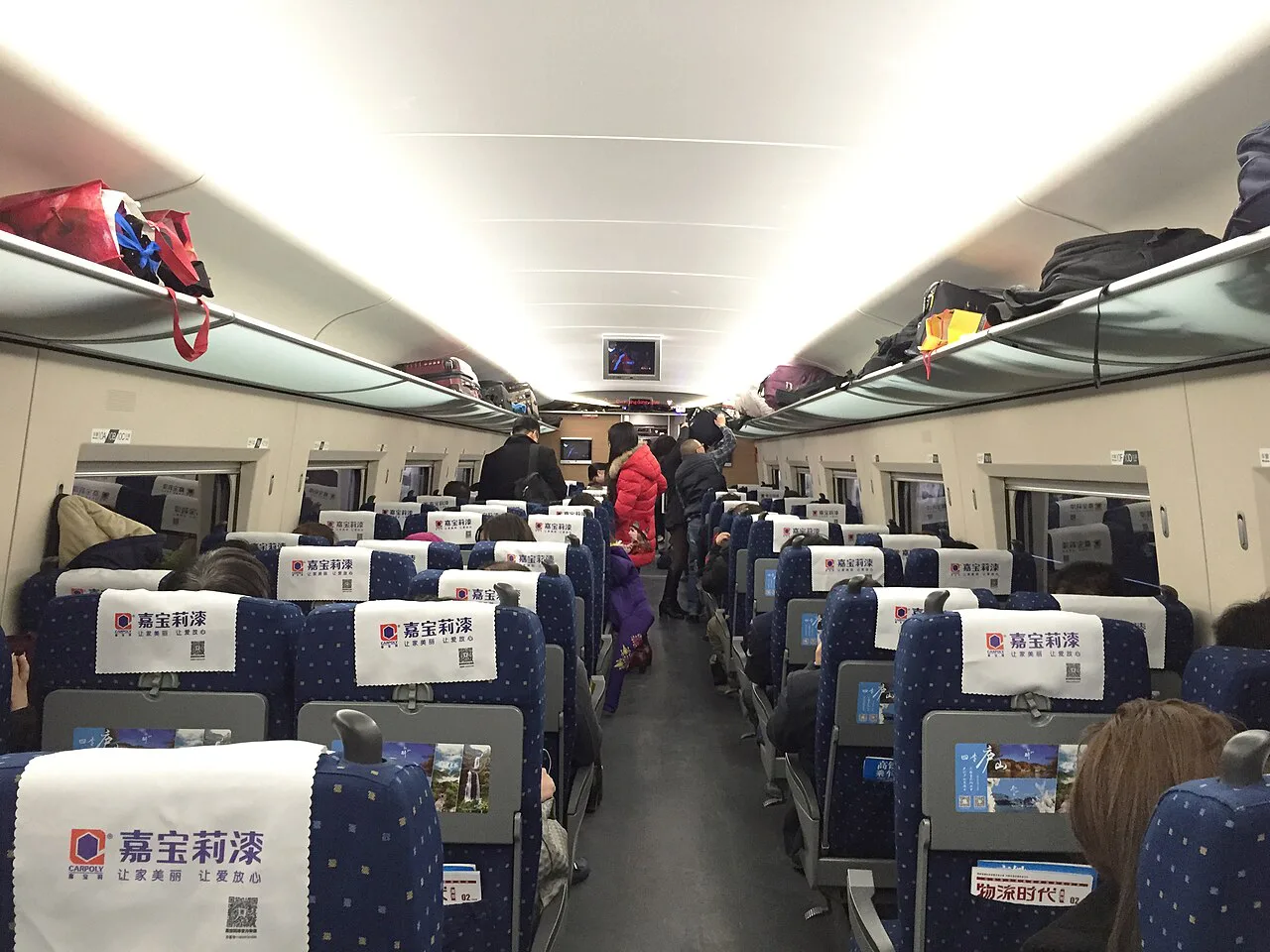
Stations are large, with security checks and long walks to platforms, so luggage handling matters. Trains have overhead racks and space for bags, plus toilets and food and drink service. Check your route page for specifics before relying on any amenity.
The speed story: CR400, CR450 and records
News coverage in October 2025 reported that the CR450, part of the Fuxing family, reached 453 km/h in pre-service tests. That is a test record, not a service speed. It was planned for a 400 km/h commercial cruise speed and a service start in 2026. As of November 2026, treat it as not yet in service unless the railway announces otherwise. Do not plan a faster Beijing to Shanghai trip around it.
Frequently Asked Questions
What is a high-speed rail in China?
It is a network of fast intercity trains run by China Railway, usually defined as services averaging 200 km/h or more. Common service types are G, D and C trains.
Can foreigners take trains in China?
Yes. Foreign visitors can book through 12306, an English-language app or a station counter. Bring the passport you booked with for ticket collection and gates.
Which train goes 500 km/h?
None does in passenger service. The CR450 reached 453 km/h in pre-service tests, which is a test record. Its planned commercial cruise speed is 400 km/h.
How fast does the China bullet train travel?
Top service speeds reach 350 km/h on the fastest G trains. D and C trains are usually slower.
Explore More Guides
Keep planning your trip with these guides.
Guides
- Beijing to Shanghai Train: Times, Tickets & Which Class
- Beijing to Xi'an Train
- Shanghai to Hangzhou Train: Times, Tickets and Stations Guide
- Shanghai to Suzhou Train: Stations, Times & Day-Trip Plan
- Shanghai to Nanjing Train: Stations, Times & Tickets (2026 Guide)
- Shanghai to Wuzhen: Train, Bus & Tour Compared
- Shanghai to Huangshan: Train, Tour and Itinerary Guide
- Shanghai to Xi'an Train
- Shanghai to Guilin Train: Times, Fares & How to Book
- Xi'an to Chengdu Train
- Chengdu to Chongqing Train: Stations, Tickets & Travel Time
- Guangzhou to Shenzhen Train: Stations, Times, Fares
- Guangzhou to Guilin Train: Times, Stations & Tickets (2026)
- Beijing to Harbin Train: Stations, Times, Tickets & Tips
- Beijing to Qingdao Train: Stations, Times and Tickets
- Beijing to Pingyao: Train, Bus & Day-Trip Guide
- Beijing to Chengde: Train, Stations and Day-Trip Guide
- Xi'an to Pingyao Train
- Beijing to Great Wall: Best Section, Transport & Timing
- Xian to Huashan: Train, Bus and Tour Options Compared
- Chengdu to Leshan: Train, Bus & Tour Options Compared
- Chengdu to Jiuzhaigou: Train, Bus, Flight & Day Trip
- Guilin to Yangshuo: Cruise, Train, Bus or Car (2026 Guide)
- Kunming to Dali Train: Times, Prices, Stations & How to Book
- Dali to Lijiang Train: Times, Fares & Stations (2026)
- Kunming to Lijiang: Train, Flight & Bus Compared
- Kunming to Shangri-La
- Zhangjiajie by Train
- Zhangjiajie to Fenghuang: Train, Bus & Day Trip Guide
Notes on Asia's railways
Optional updates when we revise our train and route guides.
You might also like
Continue reading
More guides you'll find useful