Mumbai to Lonavala by Train: Station, Ticket, Options
Mumbai to Lonavala by train: express vs local, which Mumbai station to use, how to book, and when a cab or bus is the better call.
On this page
Last updated November 2026. For a Mumbai to Lonavala train trip, most visitors do best on a reserved express toward Pune that stops at Lonavala, leaving from CSMT or Dadar. Suburban trains to Karjat, followed by a change, are the cheaper but slower fallback. Below: how to pick the station, book the seat and decide whether to skip rail altogether.
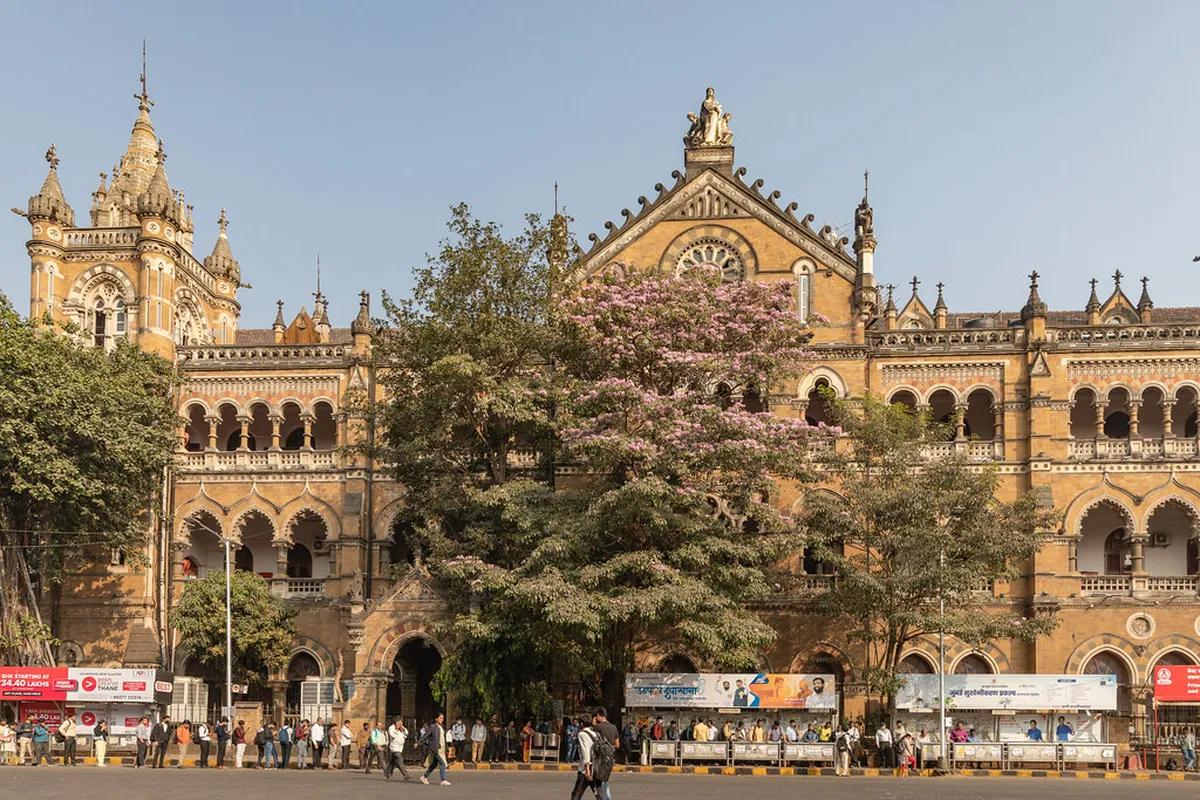
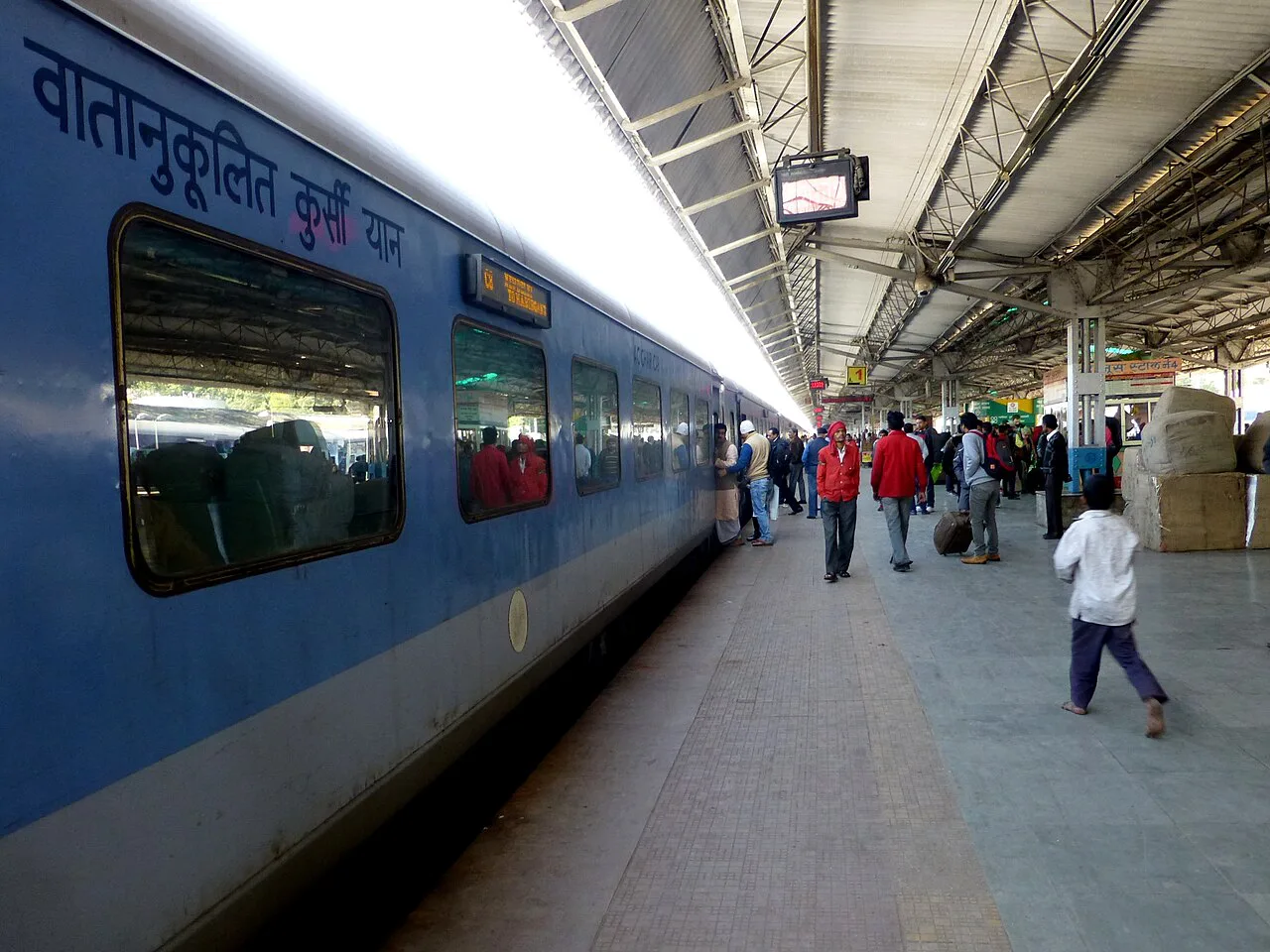
Featured image: Fredericknoronha, CC BY-SA 4.0, via Wikimedia Commons.
Quick answer: the best Mumbai to Lonavala train
Take a reserved long-distance train on the Pune line that lists Lonavala as a stop. Several services run on this corridor, and the Deccan Express is one that searchers link with a Vistadome glass-roof coach from CSMT and Dadar. Coach availability changes, so read the live listing on the Indian Railways official site before you plan around it. Lonavala has its own station, so you step off in town and need no change. The one caveat is seats: reserved express trains sell out on weekends, so book early.
Express vs local train: which to choose
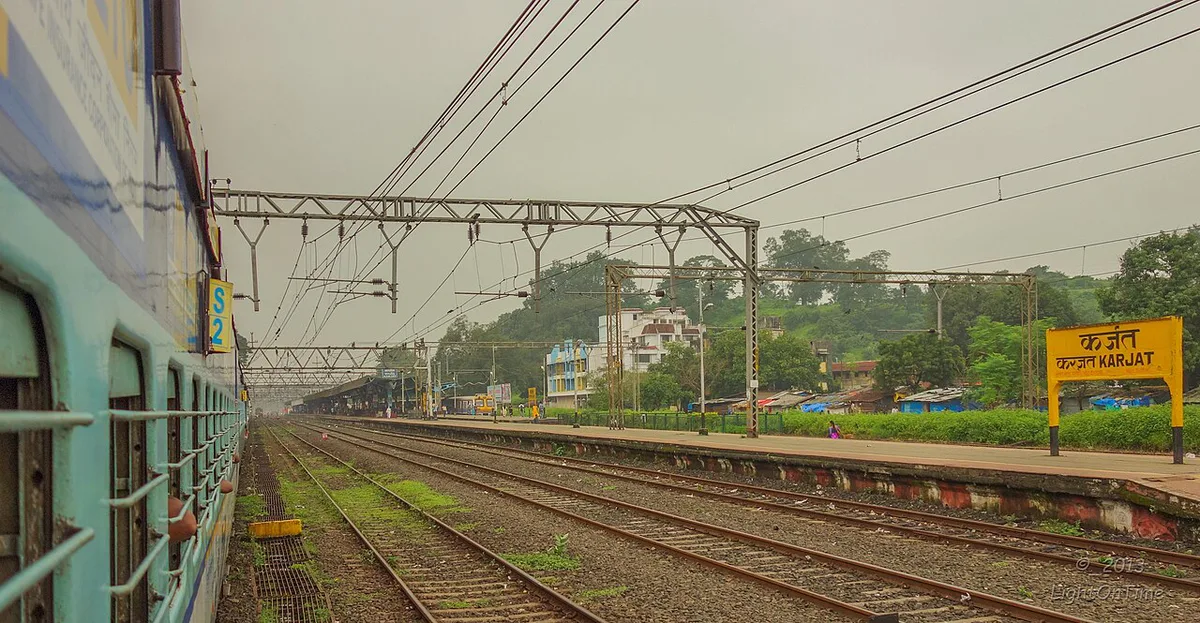
Express and mail trains are reserved, make fewer stops and give you a seat for your bags. The suburban network is unreserved and far busier. Local services reach Karjat, where you change onto a long-distance train or another service toward Lonavala. Check the timetable on Central Railway for the current Karjat connections.
| Option | Speed | Comfort | Luggage | Booking effort | Best for |
|---|---|---|---|---|---|
| Express toward Pune | Fastest by rail, few stops | Reserved seat | Easy | Advance booking on IRCTC | Families, first-timers |
| Suburban local to Karjat, then change | Slowest, with a transfer | Crowded at peak hours | Difficult | Walk-up ticket | Solo budget travelers with a day pack |
| Cab | Door to door | Private | Easiest | Arrange by phone or app | Groups with bags |
Which Mumbai station to leave from
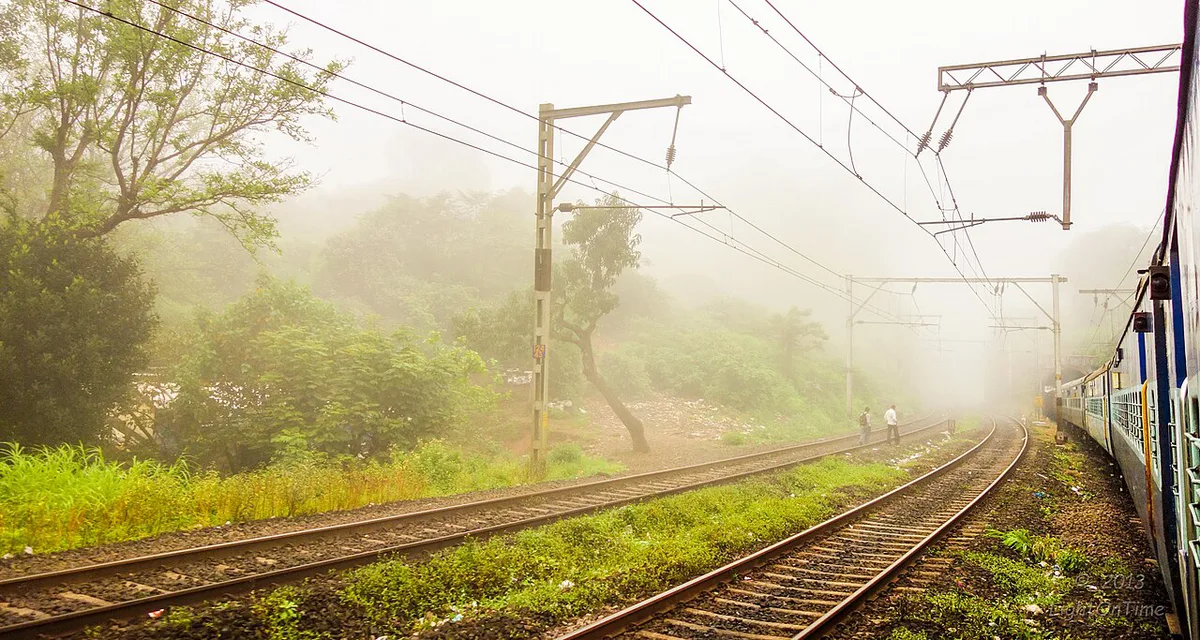
Pick the station nearest your hotel, then confirm that the train you want stops there. CSMT suits travelers staying in South Mumbai. Dadar is the usual boarding point if you stay in the central suburbs and want to skip the run down to the southern terminus. Lokmanya Tilak Terminus and Kalyan appear on other long-distance routes, so look at the stopping pattern of each service. Our guide to Mumbai's main train stations explains how the terminals connect to the local network. Allow extra time to find your platform on a first visit.
How to book your ticket
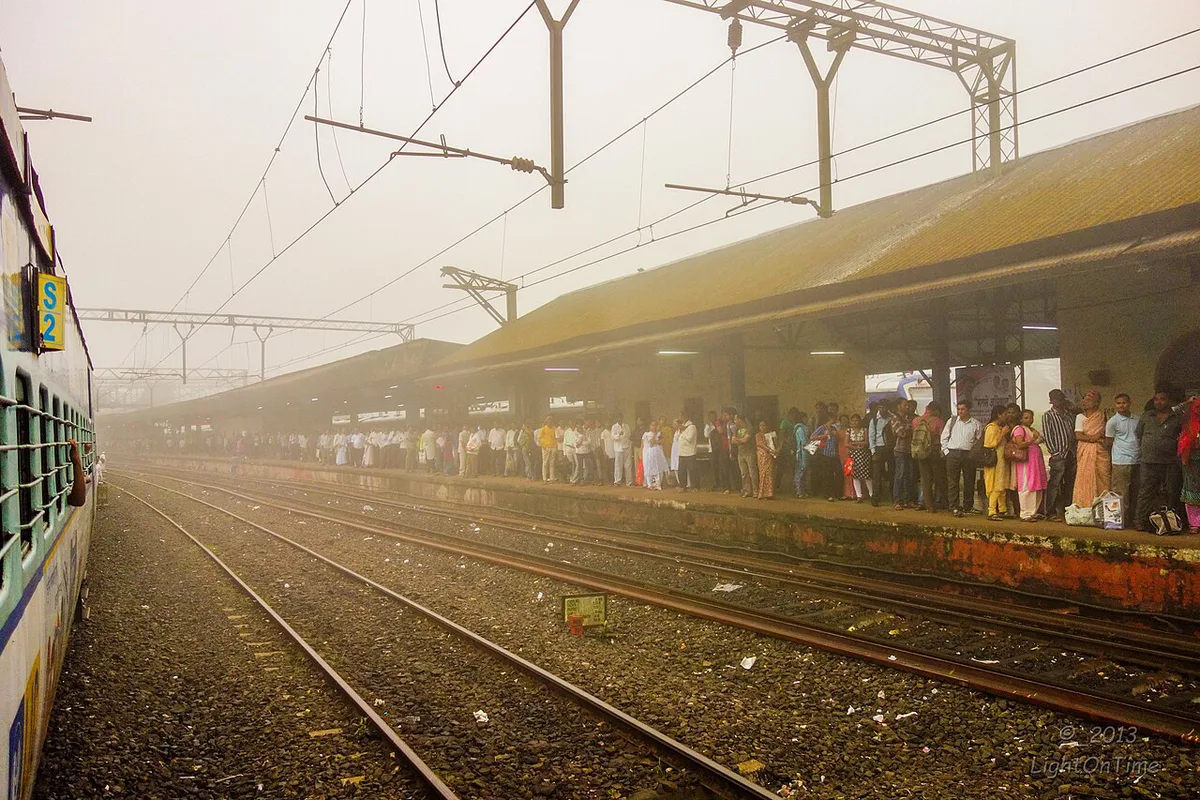
Book through the IRCTC website or app. Foreign visitors enter a passport number when they book online. Carry one valid photo ID on the journey itself. Advance reservations open 60 days before the travel date, not counting the journey day. A single booking covers up to 6 passengers, and Tatkal bookings are limited to 4 persons. Two children under 5 can travel without their own ticket. Waitlist codes matter on a short trip: RAC means you get a seat to share, while GNWL, PQWL, RLWL and TQWL are waitlist types where confirmation is not guaranteed. For a day trip, skip a waitlisted ticket and pick another train or a cab. Use only the official IRCTC channel, and ignore strangers at the station who offer tickets.
Advance reservations open 60 days before the travel date, not counting the journey day. Weekend express seats sell out, so count back from your weekend date and book early.
Cost and time vs. bus and cab
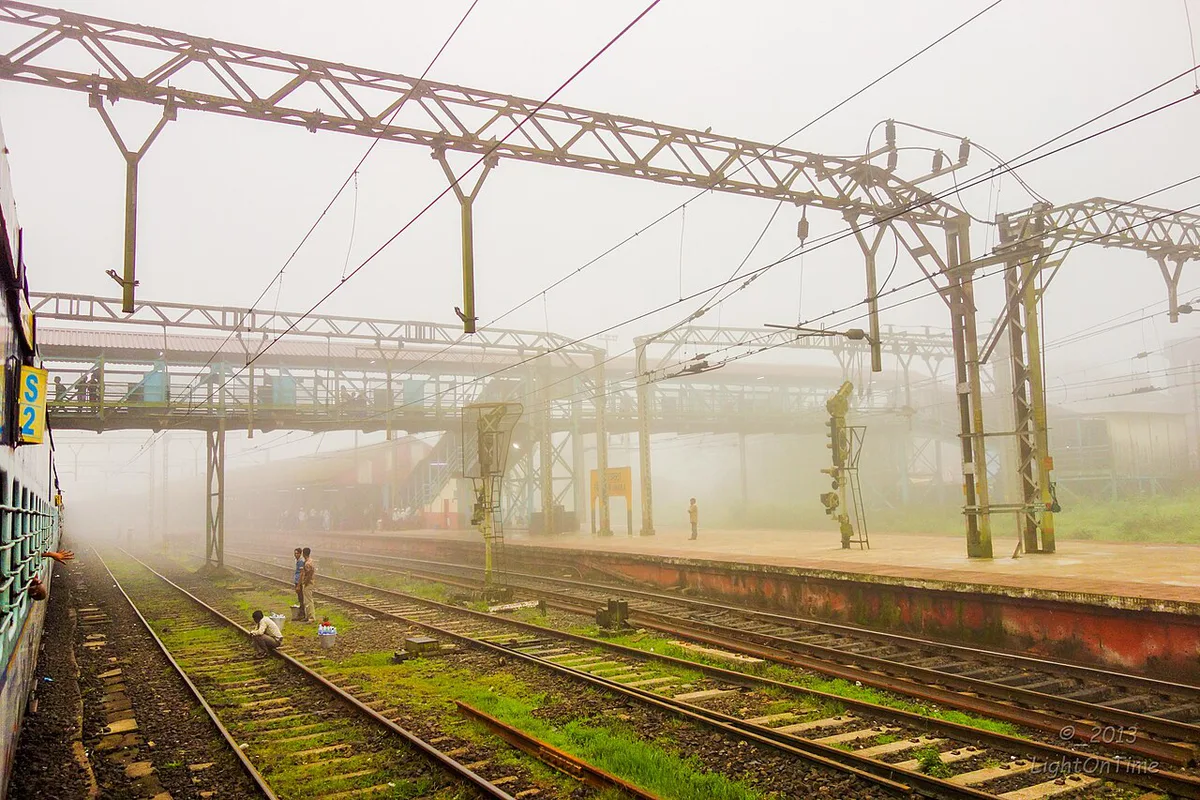
Rail is usually the cheapest comfortable option for a single traveler with a seat reserved. A local-plus-change itinerary costs less still, but takes longer. Buses run on the road corridor and trade a lower fare for traffic exposure. A cab costs the most, and it wins for groups sharing the fare or anyone with heavy bags. Fares and timings change by season, so read current figures on the IRCTC listing. Our Mumbai to Pune train guide covers the same corridor in more detail.
- Cheapest: suburban train to Karjat, then change.
- Most predictable: reserved express.
- Most flexible: cab, especially for late arrivals.
Getting around Lonavala after you arrive
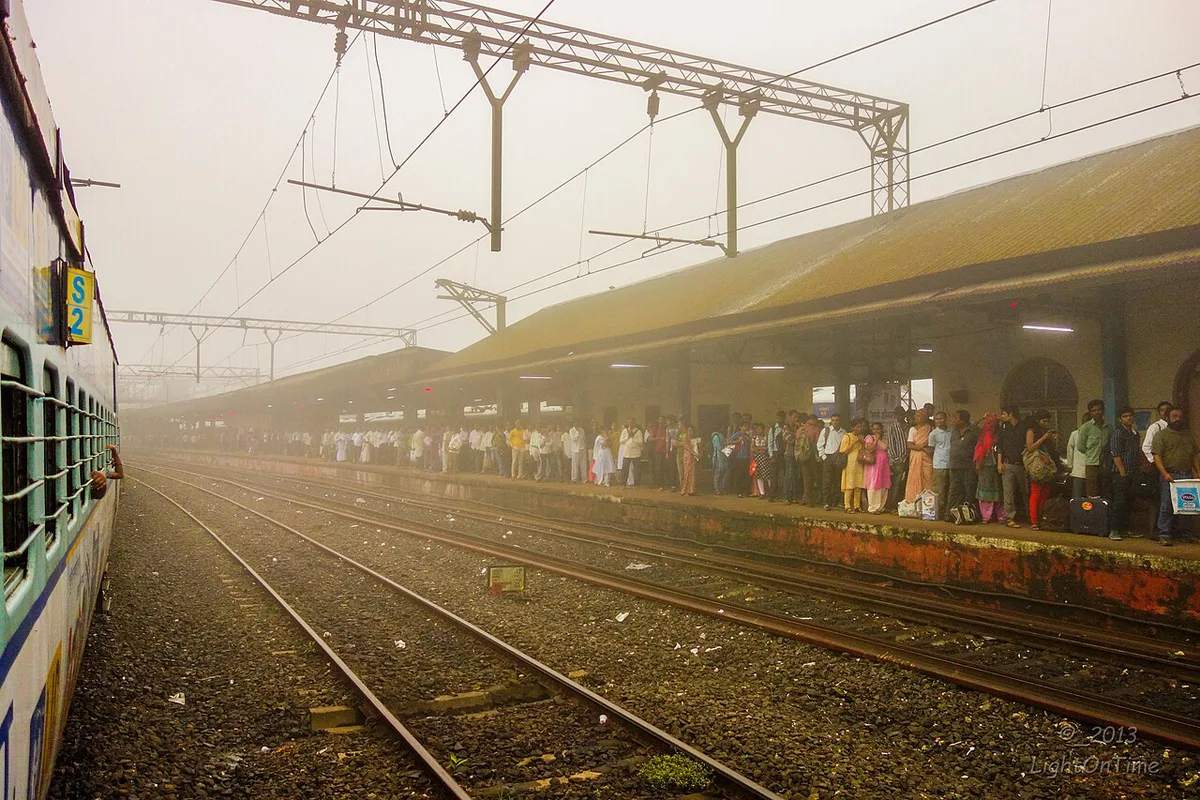
Lonavala station sits in town, and hotels, shops and the main bazaar are close to it. For the dam, caves and viewpoints around the hill station, hire an auto-rickshaw or taxi at the station forecourt. Agree on the price before you get in. Pack light if you plan to walk, because the lanes near the station fill with day-trippers at weekends. Maharashtra's tourism board lists regional sights on the MTDC website.
When to skip the train
Skip the train on monsoon weekends, when crowds peak and landslides or track work can disrupt services on the ghat section. Heavy luggage is another reason. You also need a plan if you land after dark with no onward transport, since few autos wait late at night. Common mistakes to avoid: boarding the wrong train type, booking a ticket with no confirmed seat, and ignoring weekend crowds. Picking by traveler type: choose the express if you are a day-tripper, a cab if you are a family with bags, and the suburban route to Karjat if you are a solo budget traveler. Heading further into Maharashtra? Try Mumbai to Aurangabad: Train, Flight, Bus & Road.
Frequently Asked Questions
Which train goes to Lonavala from CSMT?
Long-distance services on the Pune line leave CSMT and stop at Lonavala. The Deccan Express is one commonly linked to this route. Search CSMT to Lonavala on the IRCTC site for the current list.
Is there a train station in Lonavala?
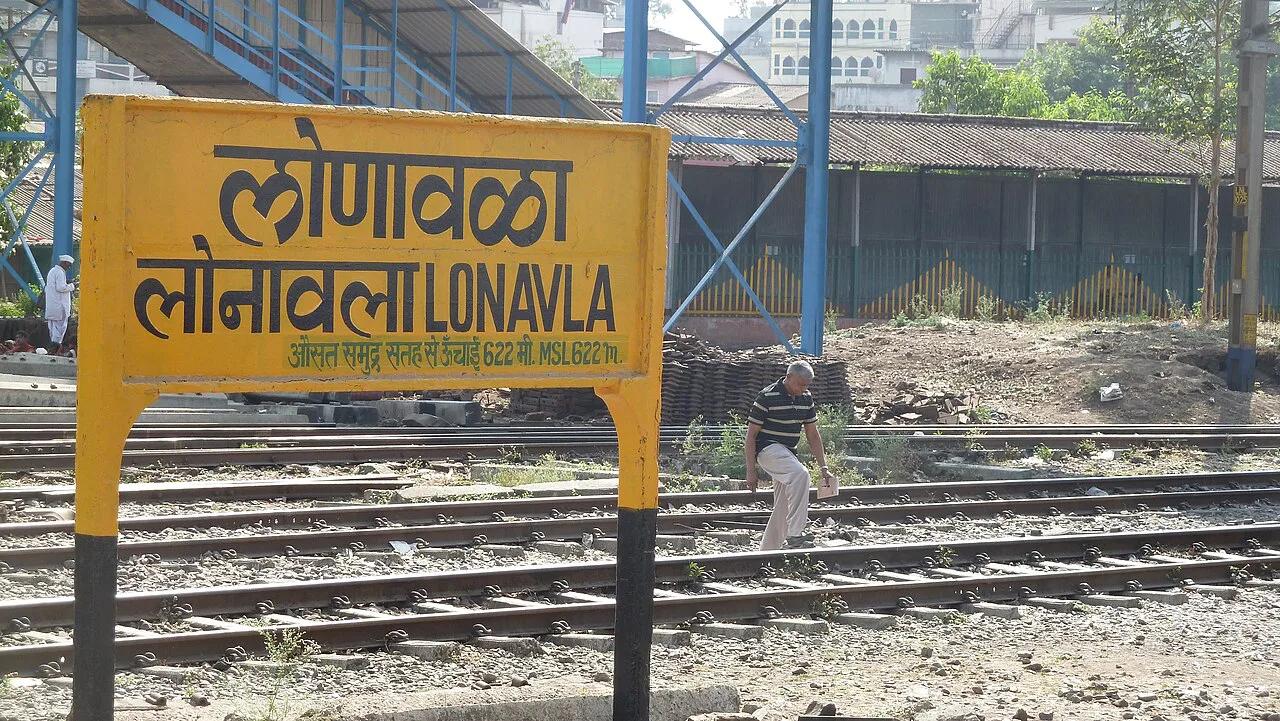
Yes. Lonavala has its own railway station on the Pune line, so you can arrive in town by train. From there, autos and taxis cover the last stretch to hotels and viewpoints.
Can we go to Lonavala by car?
Yes, a cab or private car is the most flexible way to go. It suits groups, heavy luggage and late arrivals. Expect slow traffic on weekends and in the monsoon.
Notes on Asia's railways
Optional updates when we revise our train and route guides.
You might also like
Continue reading
More guides you'll find useful