CSMT Mumbai: Visitor and Train Guide (Chhatrapati Shivaji Maharaj Terminus)
A practical guide to CSMT, Mumbai's UNESCO-listed station: what to see, how to get there, how long to stay, and which trains leave from here.
On this page
Last updated November 2026. Chhatrapati Shivaji Maharaj Terminus is Mumbai's UNESCO-listed Victorian Gothic station in Fort, and it is still a working terminus. It serves as Central Railway's headquarters and handles long-distance and suburban trains. This guide covers sightseers, rail passengers and travelers connecting onward, and it links to our wider guide to Mumbai's train stations.
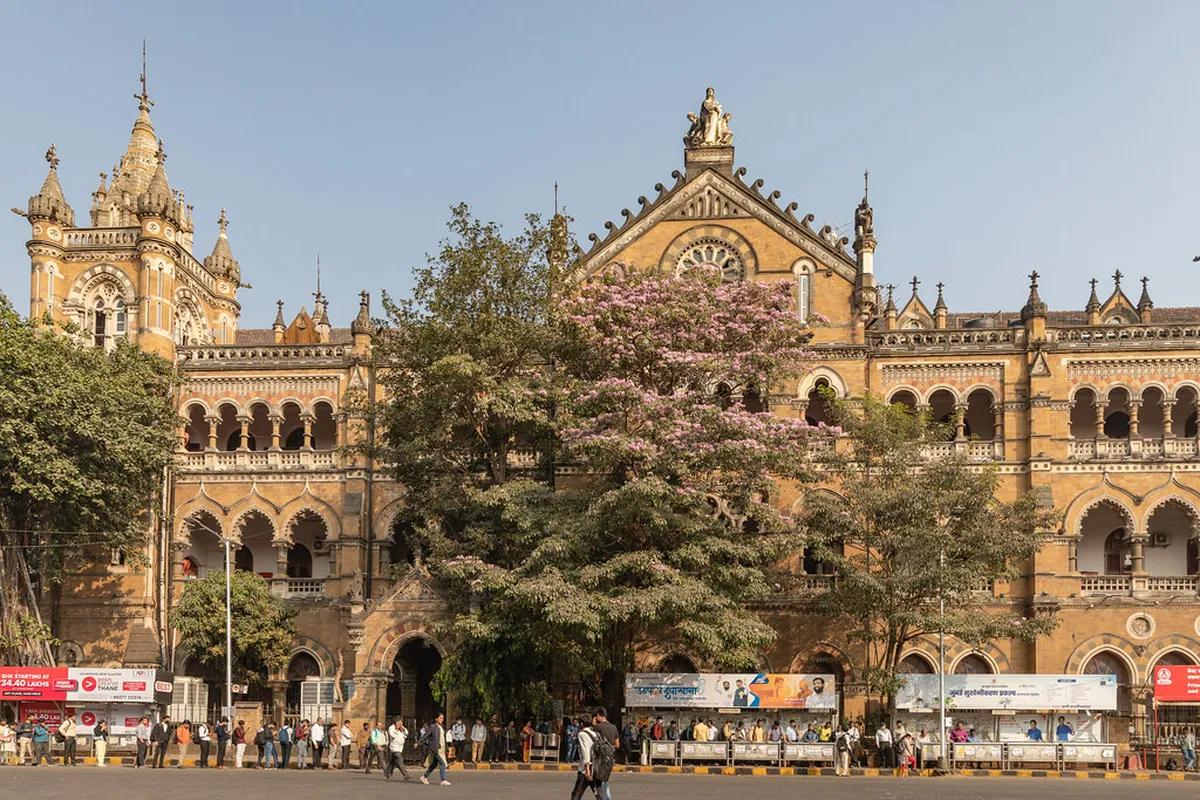
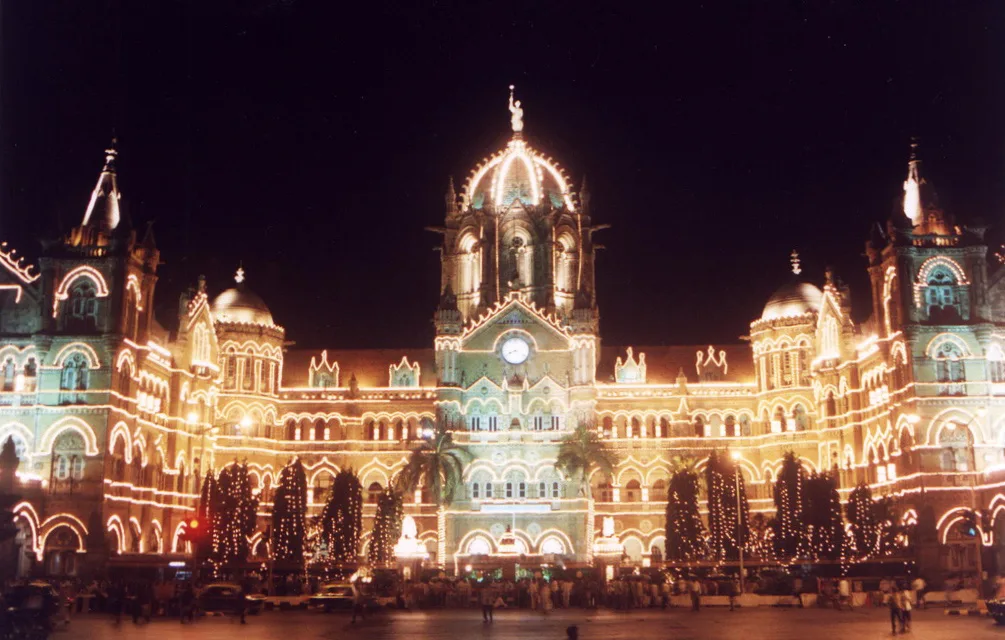
Featured image: Vyacheslav Argenberg, CC BY 4.0, via Wikimedia Commons.
What CSMT is and which name to use
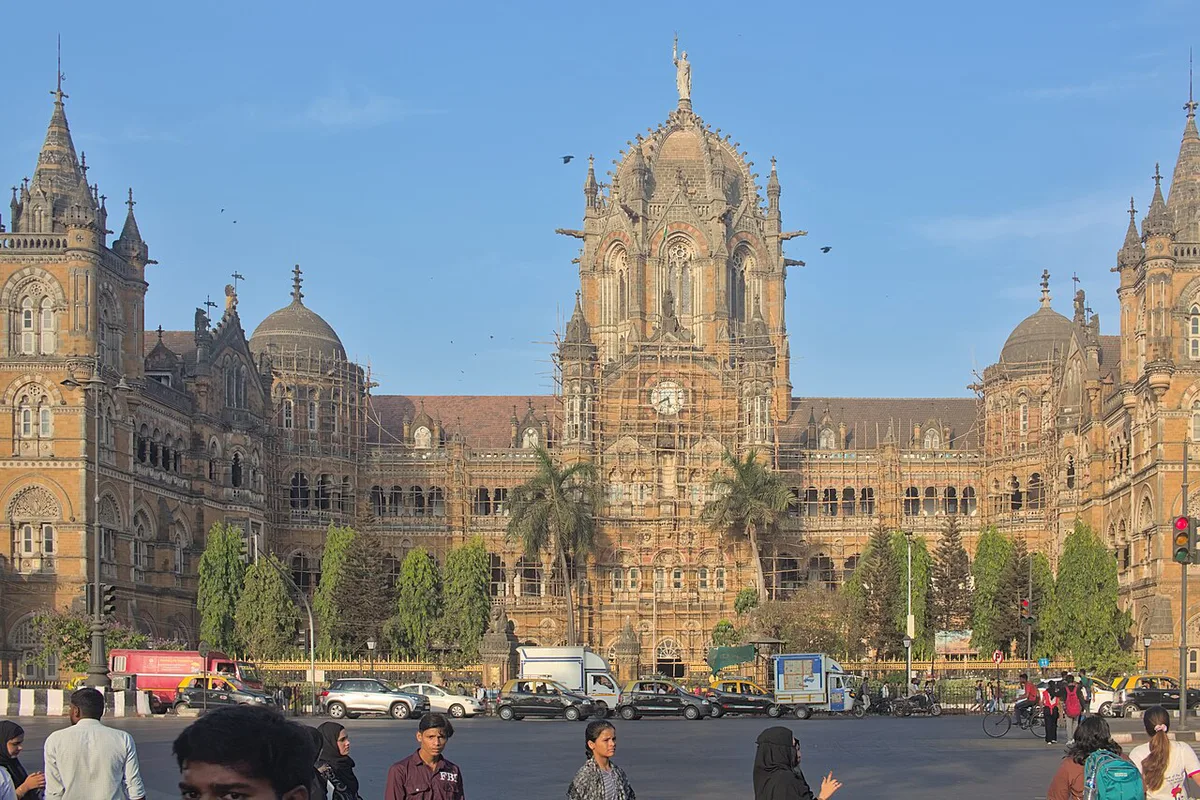
CSMT stands for Chhatrapati Shivaji Maharaj Terminus, in Fort, Mumbai, Maharashtra 400001. Stevens designed it from an Axel Haig sketch, and it was inaugurated to the public on 20 May 1888. UNESCO inscribed it in 2004 under reference 945, on cultural criteria ii and iv. Locals still say VT or CST, so expect all three names at a taxi stand. Two things share the name but are not the station: Mumbai's international airport and the CSMT metro station on Line 3.
- Bori Bunder: the earlier station on this spot's neighborhood, used until the new terminus replaced it.
- Victoria Terminus (VT): the name from the Victorian era, still used in everyday speech.
- CST: the name adopted in March 1996, still common on signs and in conversation.
- CSMT: the name since the 2017 renaming, and the code for mainline trains. Suburban trains use ST.
Is CSMT worth visiting: sightseeing versus catching a train
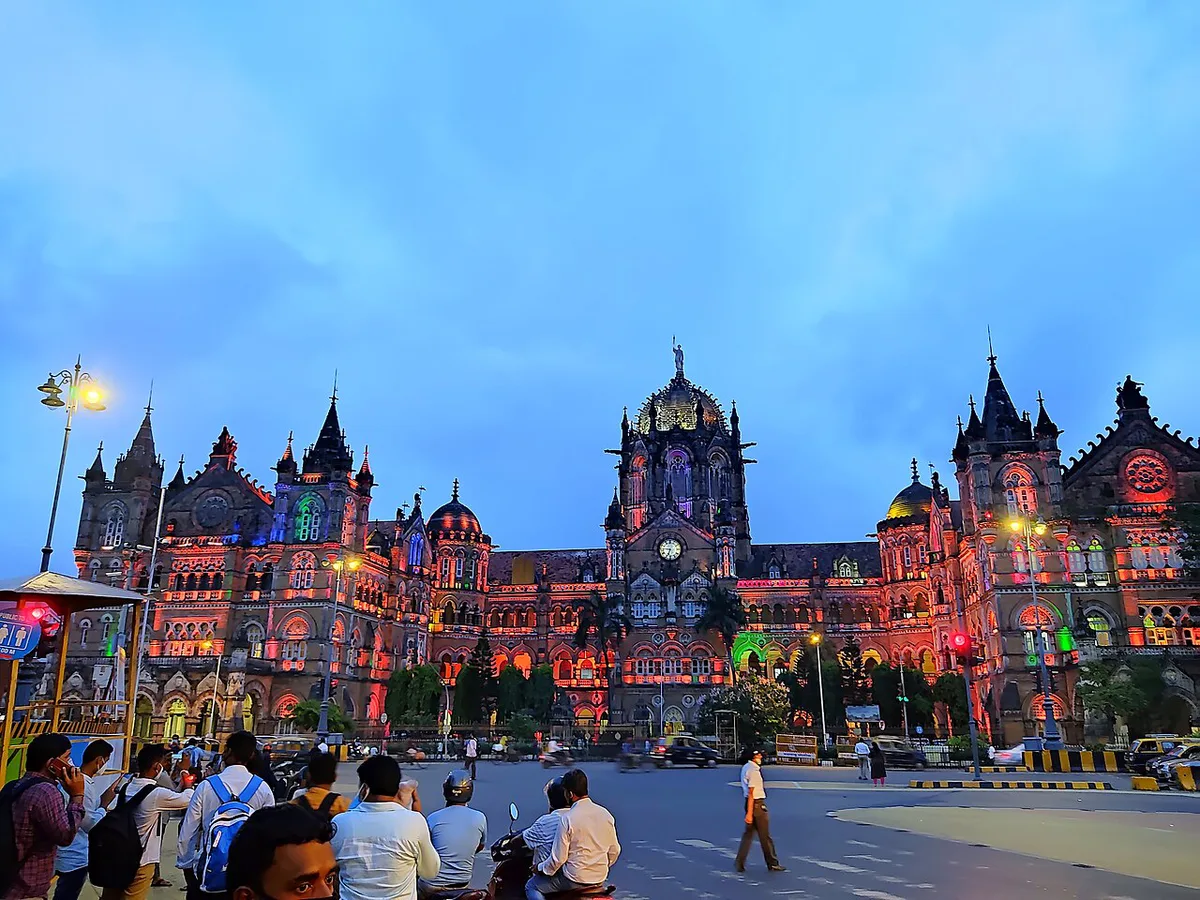
Your reason for coming sets your time budget. A facade-only look is fast. A train journey adds crowds, bags and platform changes. Treat the building like a station, not a museum. Entry rules for non-passengers and photography limits are set by Central Railway and the railway police, so check Central Railway's official site before planning an interior visit.
| Plan | Time (our estimate) | Best for | Main friction |
|---|---|---|---|
| Just sightsee | 30-45 minutes outside | Facade, dome, gate statues | Traffic and pavement crowds |
| Catch a train here | Arrive early; platforms 8-18 are long-distance | Rail passengers | Peak-hour crowds with luggage |
| Connect onward | Allow generous buffer | Switching to other Mumbai terminals | Terminals differ by route |
What to look for at CSMT: architecture highlights
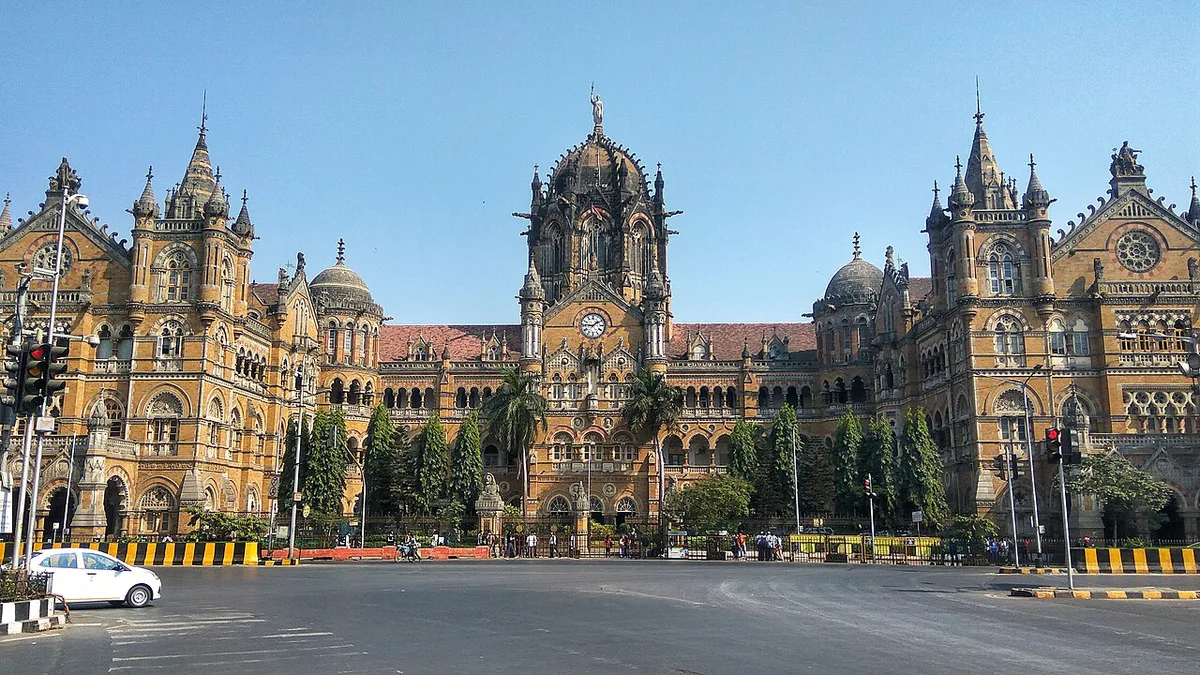
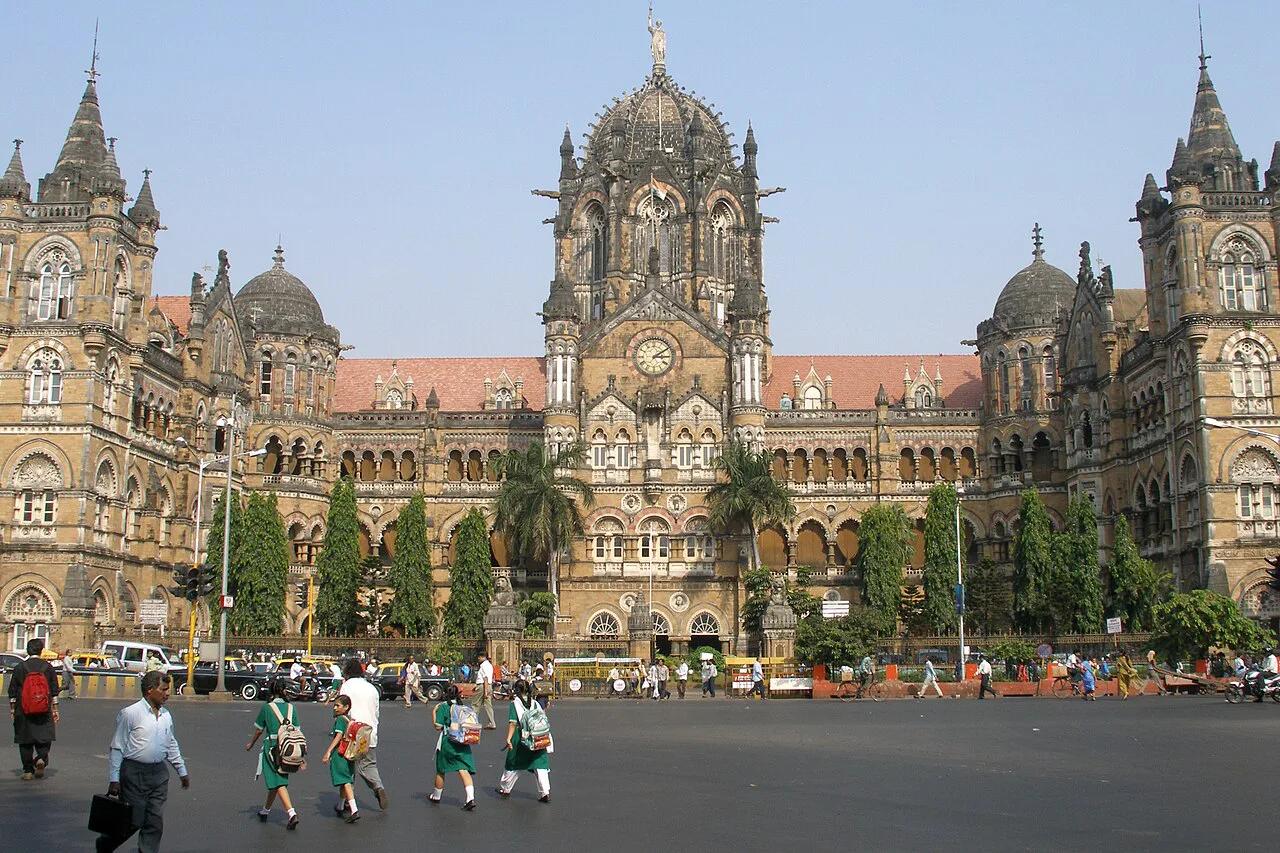
Start outside, facing the C-shaped plan. Two wings extend from a central dome, and corner turrets frame it. Atop the dome stands Progress, a marble woman holding a torch and a spoked wheel. Many visitors mistake her for Queen Victoria. At the entrance gate, a lion represents Britain and a tiger represents India. Ten carved medallions on the front wall depict men tied to India's first railways or to the terminus itself. Pointed arches and overhanging balconies called jharokhas blend Gothic and Indian palace styles.
- Central dome and the Progress statue.
- Lion and tiger flanking the entrance gate.
- Ten stone medallions on the front wall.
- Star Chamber: the ground-floor booking office in the north wing, with Italian marble and polished Indian stone.
- Stained glass, marble columns and carved capitals with flowers, plants and birds.
- Star Gallery, opened in 2010, showing railway history, a 3D model and Stevens's sketches.
How much time to plan and the best time to go
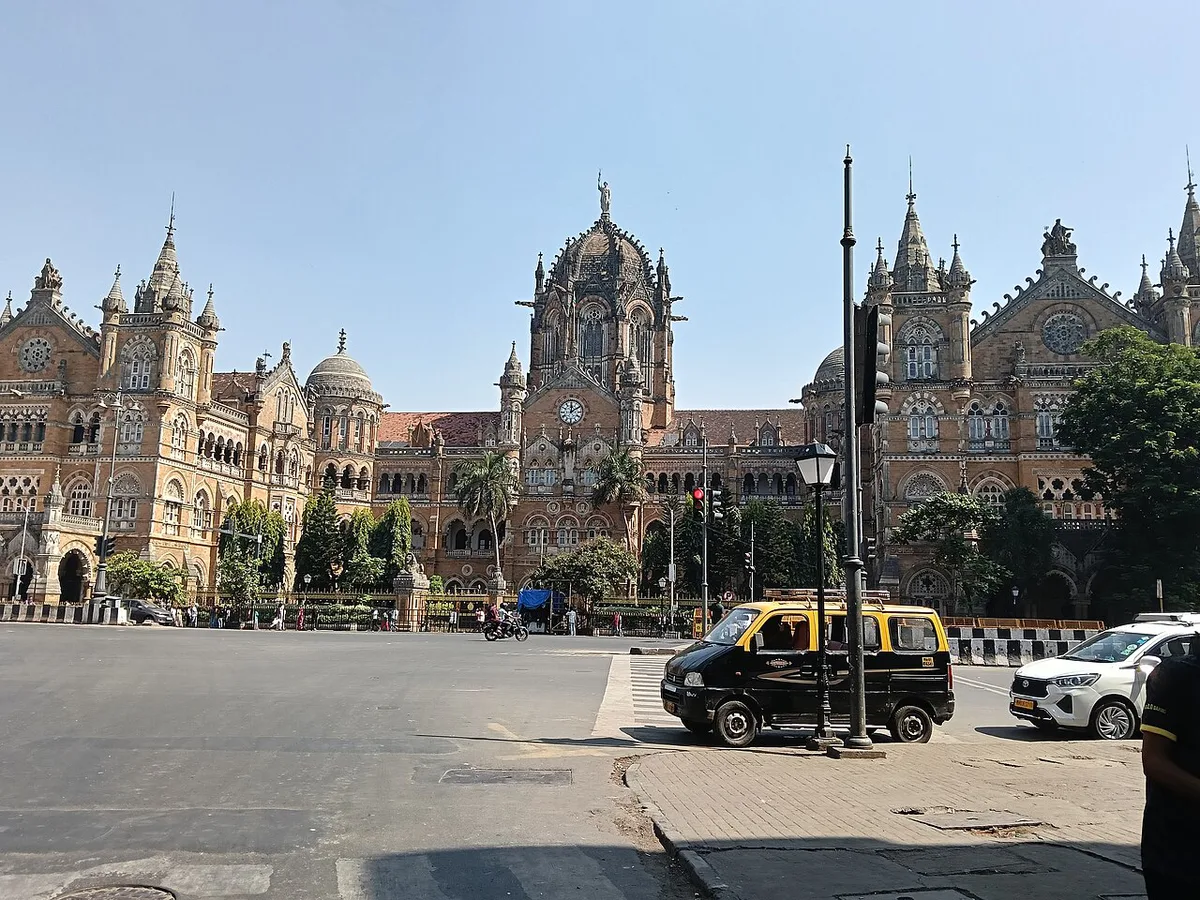
A quick facade look needs about 30 to 45 minutes. A concourse visit with photos could stretch to 1 to 2 hours. A longer Fort walk adds more, and Cama Hospital lies nearby. The Brihanmumbai Municipal Corporation building across the road shares Stevens's design language. Daylight shows the carving. Since 2022 the heritage building has been lit with LED lights in the evenings. The lights change for national holidays such as Republic Day and Independence Day. Weekday rush hours are the busiest; midday and weekends are usually calmer.
Budget 30 to 45 minutes for a quick facade look, then add buffer if your train leaves from platform 18.
Getting to CSMT by suburban rail, metro, bus or cab
Suburban trains on the Central and Harbour lines both reach CSMT, with Masjid as the previous stop on each. Metro Line 3 has its own CSMT Metro station. BEST buses, Ola and Uber cabs, and kaali-peeli taxis also serve the area, and the station has a taxi stand. For connecting between terminals, see our guide to comparing Mumbai's terminals. Check current Line 3 timings and the walking route before relying on it with luggage.
| Option | Strength | Trade-off |
|---|---|---|
| Suburban train | Direct to the terminus on Central and Harbour lines | Crowded at peak hours with bags |
| Metro Line 3 | Dedicated CSMT Metro station | Walk to the concourse; check route |
| BEST bus | Cheap, many routes | Slow in traffic |
| Cab or app ride | Door to door with luggage | Road congestion near Fort |
Inside the station: platforms, facilities and luggage
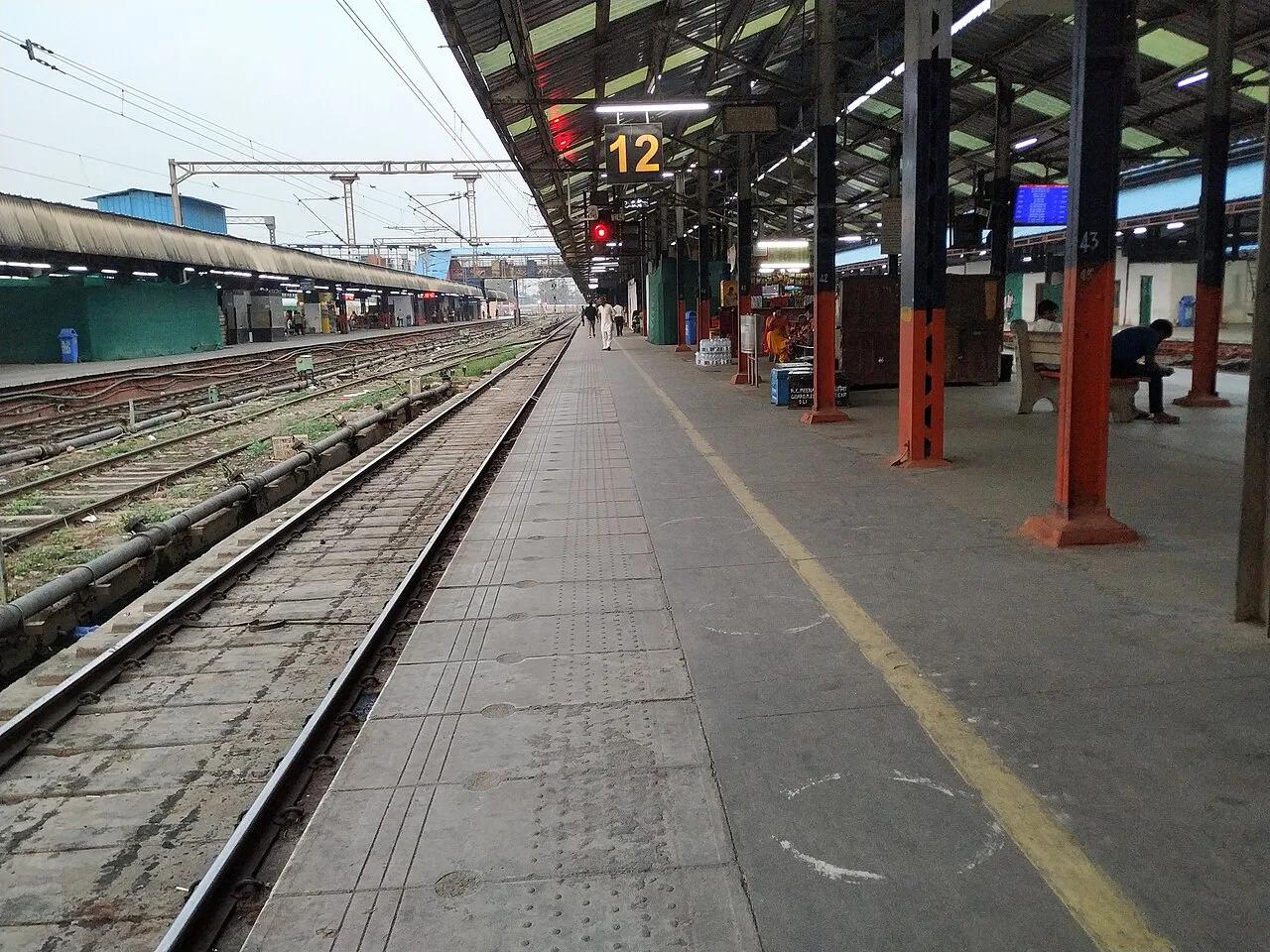
CSMT has 18 platforms. Seven serve suburban trains, and platforms 8 to 18 serve long-distance trains. Rajdhani, Duronto, Garib Rath and Tejas Express services leave from platform 18. Listed facilities include lounges, waiting halls, an IRCTC retiring room, a cloak room, digital lockers and a food plaza. Air-conditioned dormitories opened in April 2013 with 58 beds for men and 20 for women. Facilities change often, so confirm what is open before you rely on it. Stairs and a footbridge link parts of the station, so ask Central Railway about wheelchair assistance.
Pair the 58 beds for men and 20 for women in the dormitories with a departure from platform 18, and confirm they are open first.
Trains from CSMT: which route starts here
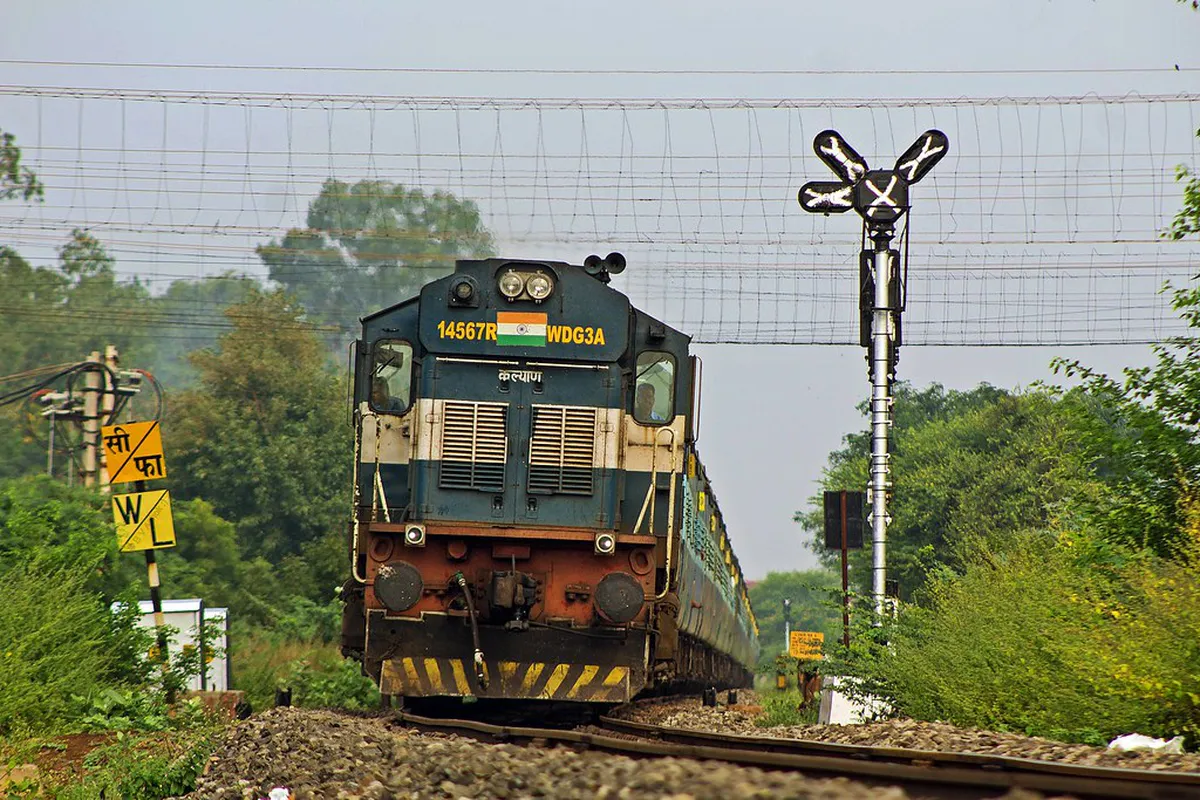
Mainline lines at CSMT include Howrah–Nagpur–Mumbai, Mumbai–Chennai and Mumbai–Madgaon. Not every Mumbai route starts here. Western Railway services may use other terminals, so confirm the departure station on your ticket. Konkan-bound travelers can read about the Konkan Railway Corporation network. After Goa, onward ideas include the Bangalore to Goa Train: Timings, Stations & Booking Tips and Goa to Hampi: Bus, Train & Car Options Compared.
| Route | Guide | Departure terminal |
|---|---|---|
| Mumbai to Goa | Mumbai to Goa: Train, Flight, Bus, Car & Ferry Compared | Mumbai–Madgaon line is listed at CSMT; check train |
| Konkan coast | Konkan Railway route | Check train |
| Mumbai to Pune | Mumbai to Pune by train | Check train |
| Mumbai to Lonavala | Mumbai to Lonavala by train | Check train |
| Mumbai to Aurangabad | Mumbai to Aurangabad: Train, Flight, Bus & Road | Check train |
| Mumbai to Bangalore | Mumbai to Bangalore by train | Check train |
| Mumbai to Delhi | Mumbai to Delhi by train | Check train |
| Mumbai to Ahmedabad | Mumbai to Ahmedabad by train | Check train |
| Mumbai to Udaipur | Mumbai to Udaipur by train | Check train |
History in brief: Bori Bunder to Victoria Terminus to CSMT
Bori Bunder served the Great Indian Peninsula Railway from 1853 to 1888. Construction of the new terminus began in 1878. Sources give 1887, Queen Victoria's Golden Jubilee year, as completion, and 20 May 1888 as public opening. Stevens worked with Indian craftsmen, and students of the Sir J. J. School of Art made much of the carving. The 1996 renaming honored Shivaji, founder of the Maratha Empire. A further renaming to Maharaj Terminus followed in 2017.
The 2008 attack at CSMT
On 26 November 2008, two gunmen entered the passenger hall as part of coordinated attacks across Mumbai. A railway announcer's warnings helped passengers leave the station. A memorial at the station remembers those killed. Visit with respect, and follow any photography restrictions posted by railway staff.
Mistakes to avoid at CSMT
Four errors cause most trouble. Each is easy to prevent with a little planning.
- Confusing CSMT with other Mumbai terminals or the airport. Check the departure station on your ticket.
- Arriving at weekday rush hour with heavy bags.
- Treating the building like a museum. It is a working station and headquarters.
- Photographing restricted areas. Ask staff and look for posted signs.
Frequently Asked Questions
Are Chhatrapati Shivaji Terminus and Mumbai Central the same?
No. They are separate Mumbai stations. CSMT is Central Railway's headquarters in Fort, while Mumbai Central is a different terminal, so check your ticket for the departure station.
Who built the Chhatrapati Shivaji Terminus?
Frederick William Stevens designed it from an initial sketch by Axel Haig. Construction began in 1878, and the station opened to the public on 20 May 1888.
What is the Chhatrapati Shivaji Terminus?
It is a historic railway terminus and UNESCO World Heritage Site in Mumbai, inscribed in 2004. It was formerly Victoria Terminus and still serves long-distance and suburban trains.
Notes on Asia's railways
Optional updates when we revise our train and route guides.
You might also like
Continue reading
More guides you'll find useful