Mumbai to Delhi Train: Which Service, Station and Class to Pick
A practical guide to the Mumbai to Delhi train: the main services, which station to use, how to book, and how it compares with flying.
On this page
Last updated November 2026. The Mumbai to Delhi train runs direct, and the ride lasts roughly a day depending on the service you pick. This guide compares the main options, matches stations to where you sleep, and explains how to book as a visitor.
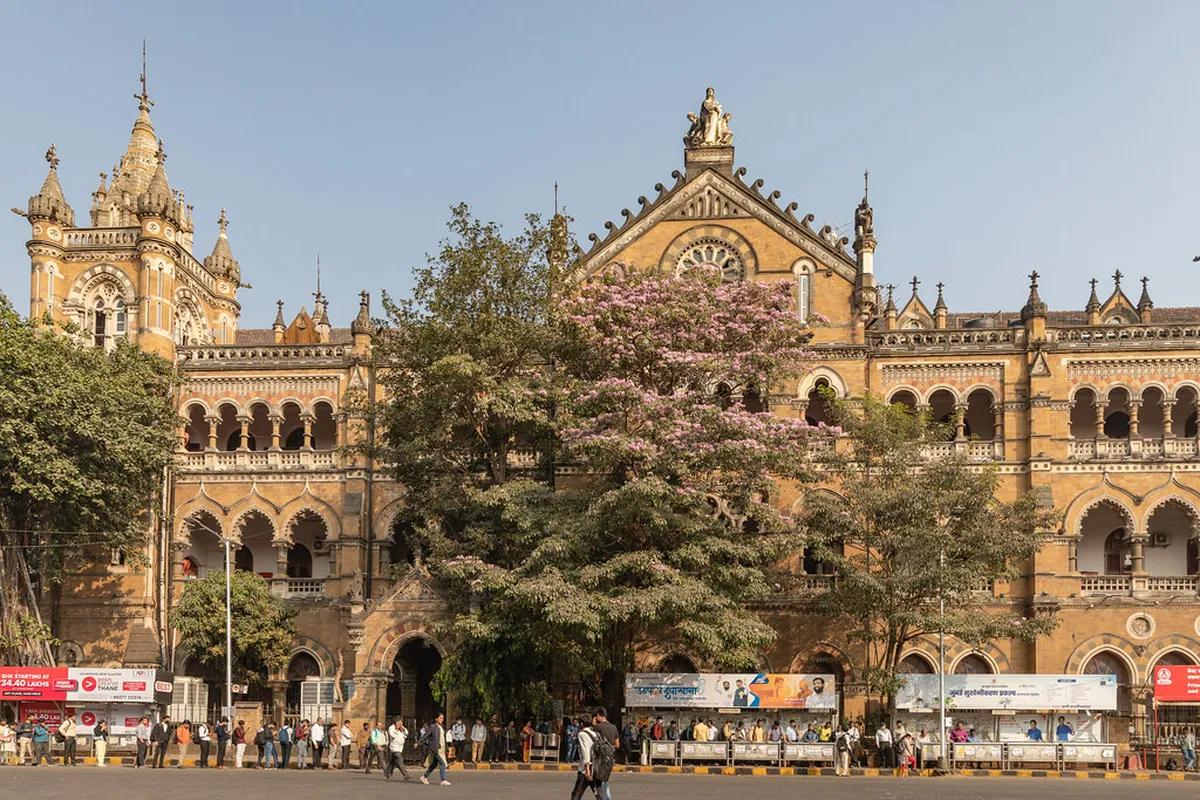
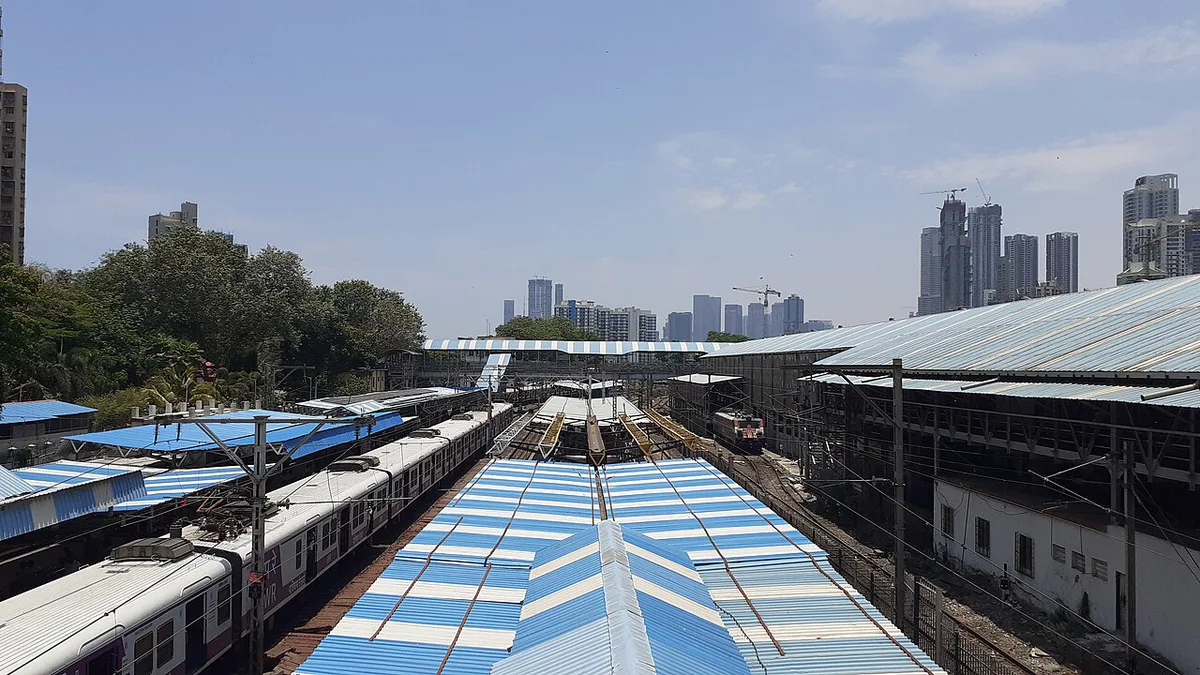
Featured image: Jyotisingh1993, CC BY-SA 4.0, via Wikimedia Commons.
Mumbai to Delhi train: the short answer
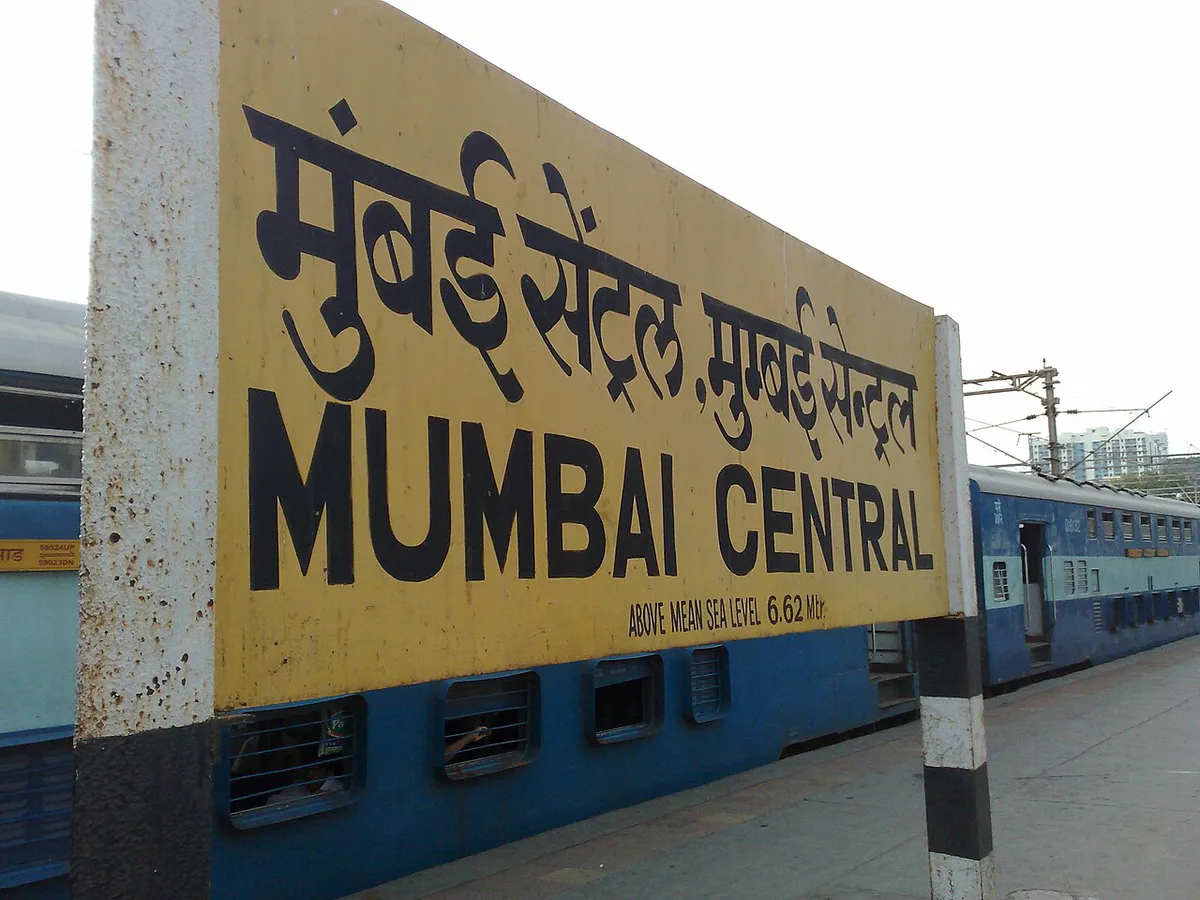
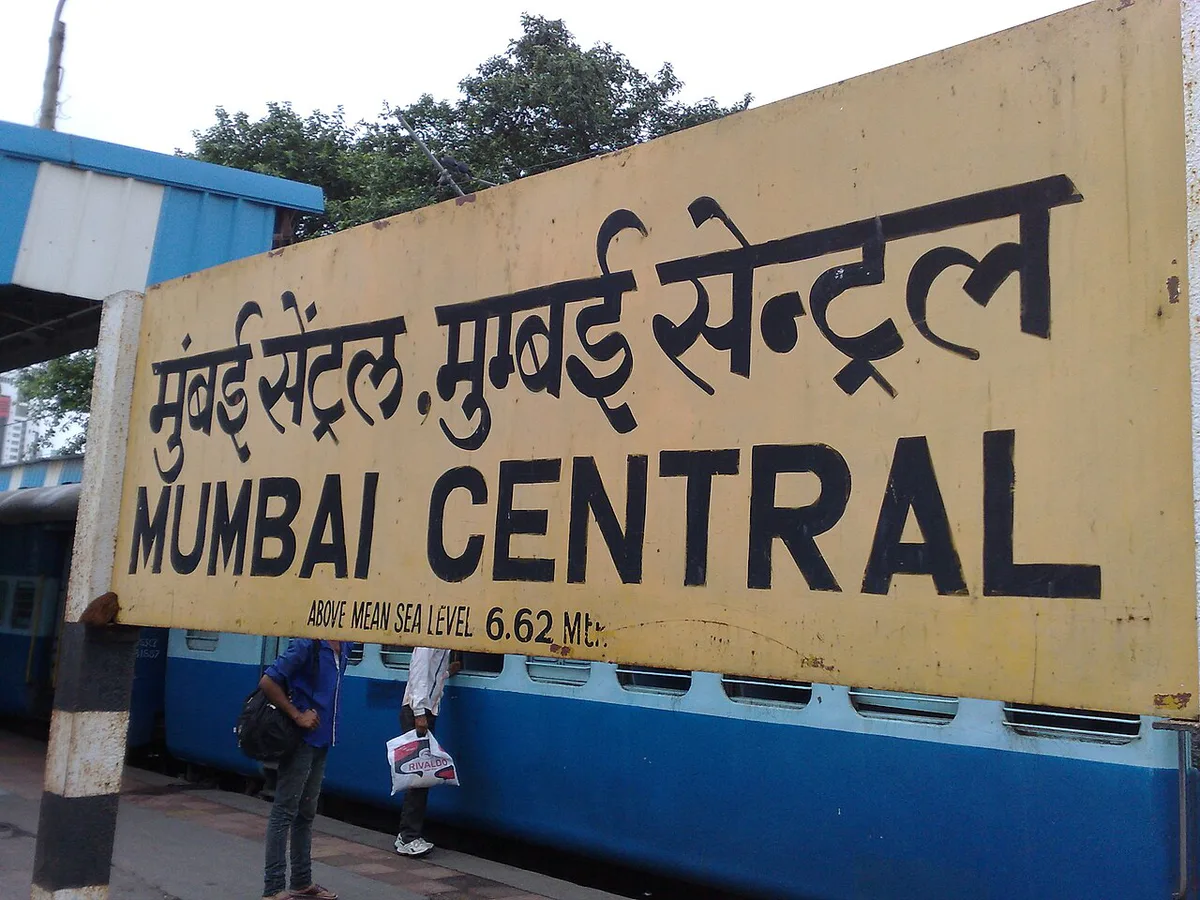
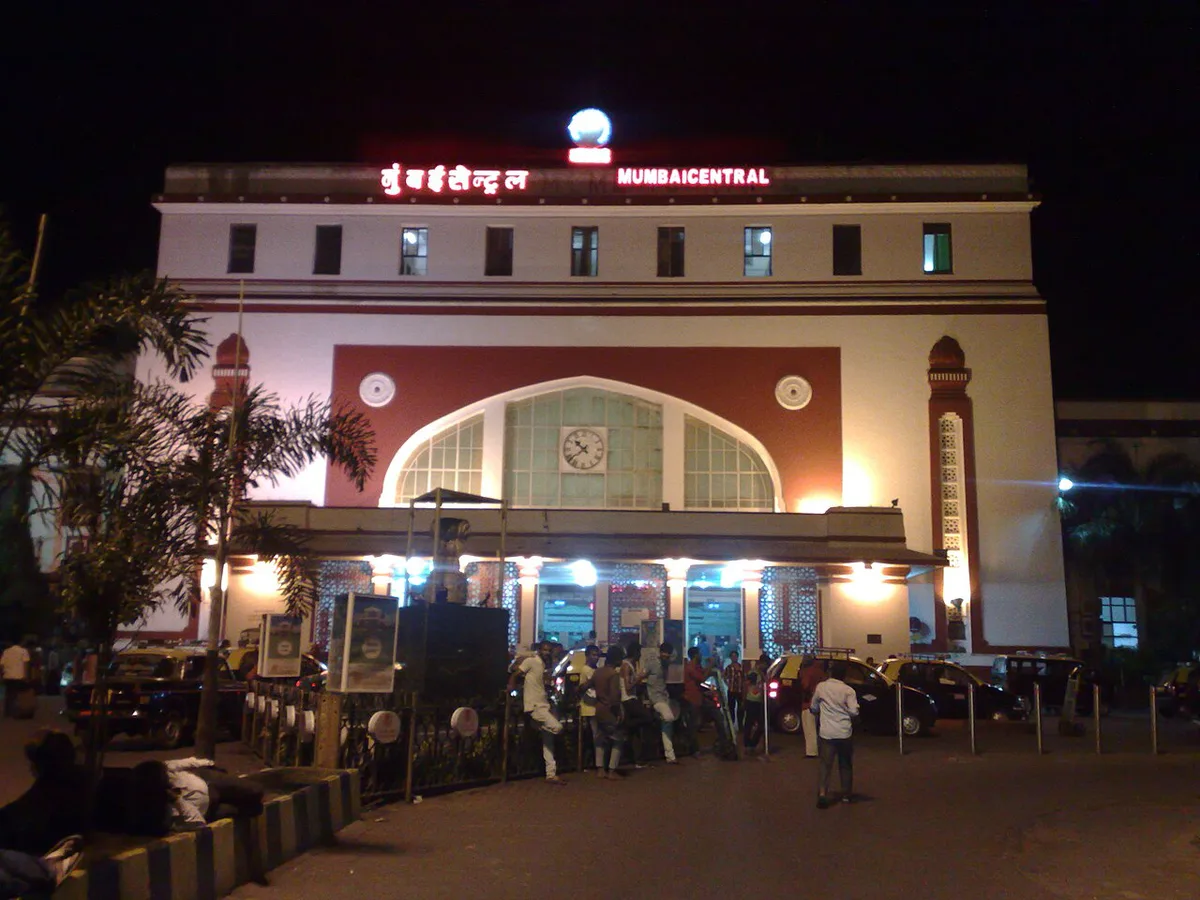
Direct trains exist, and they leave from several Mumbai stations: Mumbai Central, Dadar and Bandra Terminus. Some arrive at New Delhi and others at Hazrat Nizamuddin. Sample timetables show journey times from about 15h 32m to about 28h 10m, so the service you choose matters more than the route. The fast overnight Rajdhani from Mumbai Central to Hazrat Nizamuddin suits most visitors. Slower mail and express trains cost less but eat far more of your trip. Book early, because direct seats on this corridor fill ahead of travel dates.
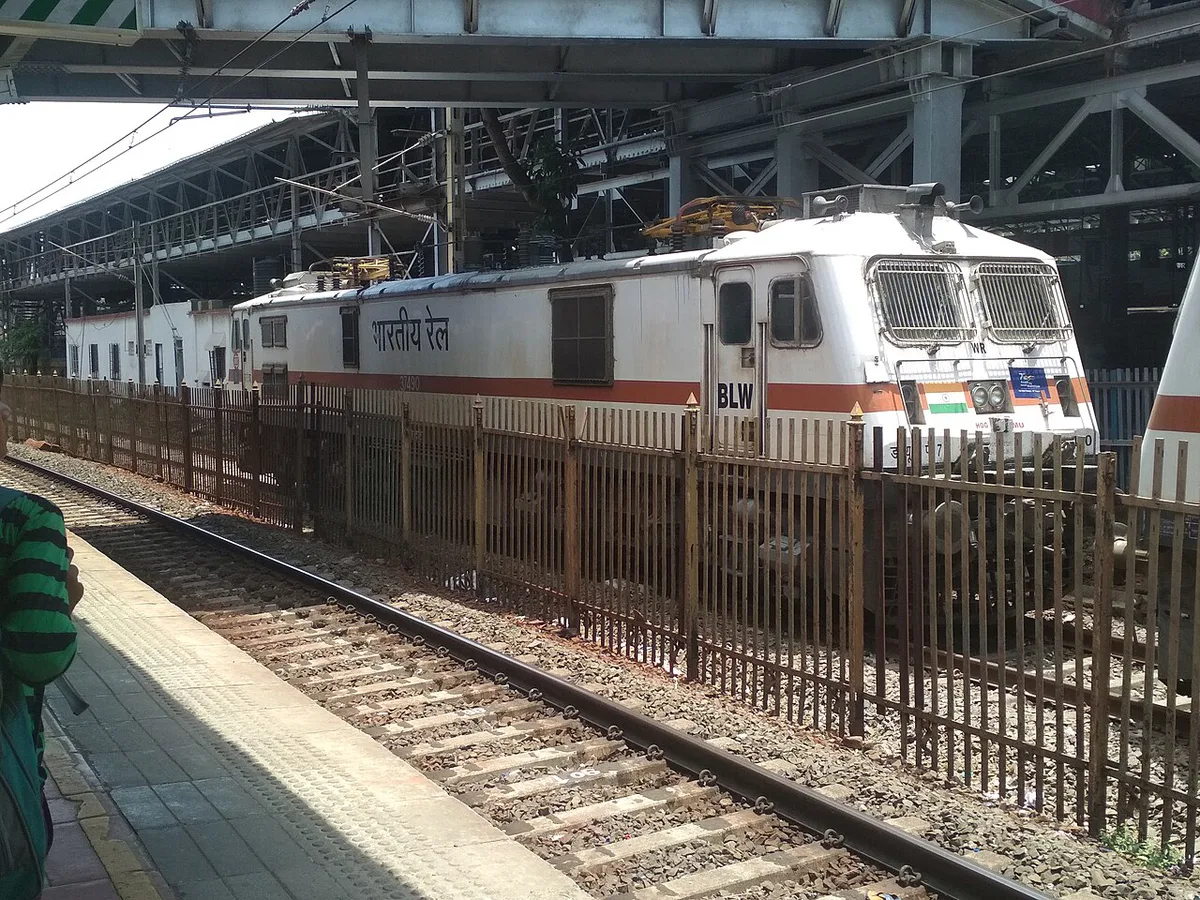
Main train options compared
Services fall into three practical groups. The Rajdhani is the premium overnight option. Mail and express trains from Mumbai Central or Dadar run slower and suit tighter budgets. Bandra Terminus departures suit travelers staying in the western suburbs. The table uses sample times from an older timetable, so treat them as illustrations and read the current schedule on IRCTC.
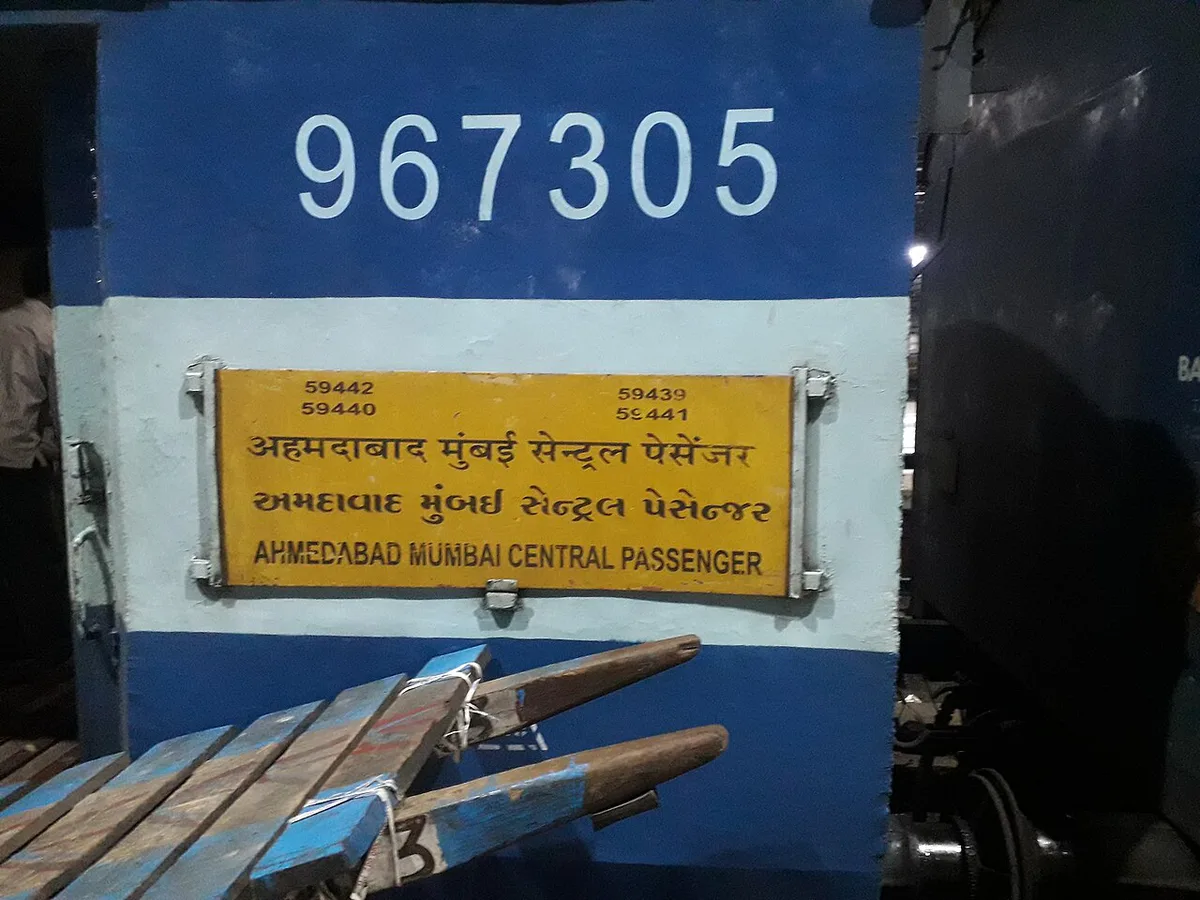
| Service type | Mumbai station | Delhi station | Sample timing | Comfort and fare tier |
|---|---|---|---|---|
| Rajdhani Express (named service) | Mumbai Central | Hazrat Nizamuddin | Overnight | Premium, AC classes only |
| Fast direct train | Mumbai Central | New Delhi | Depart 17:00, arrive 08:32, 15h 32m | Mid to premium |
| Daytime departure | Mumbai Central | New Delhi | Depart 11:25, arrive 10:40, 23h 15m | Mid |
| Suburban terminus service | Bandra Terminus | Hazrat Nizamuddin | Depart 17:30, arrive 10:15, 16h 45m | Mid |
| Slower mail or express | Dadar | New Delhi | Depart 19:50, arrive 21:25, 25h 35m | Lowest to mid |
Which Mumbai and Delhi stations to use
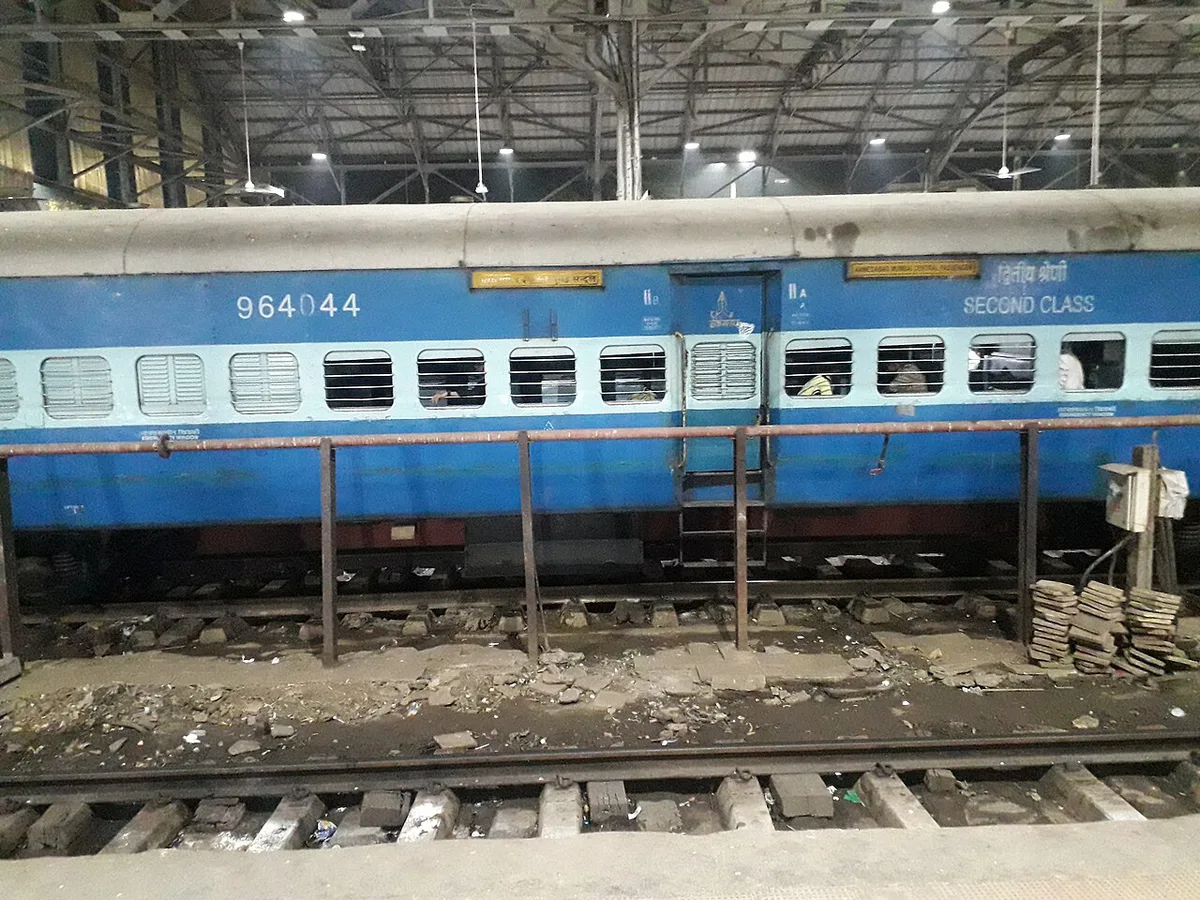
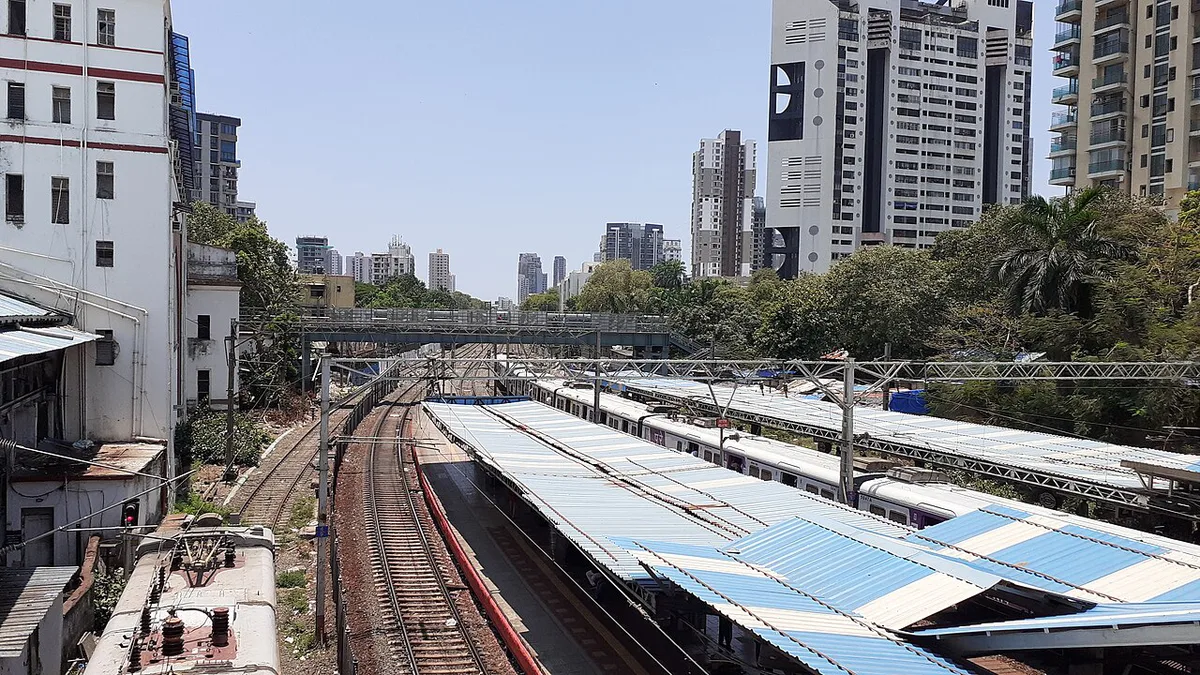
Pick the station nearest your bed, because a 20-minute taxi saved at 5 pm in Mumbai traffic is worth more than a slightly faster train. Our guide to 6 Mumbai Train Stations: Which One to Use and How to Connect explains how each terminus is laid out. Western Railway runs the Delhi corridor via Vadodara, Kota and Mathura. You can read its network notes on the Western Railway site. If you are staying in the old downtown, check CSMT station as a base, though Delhi services use other termini.
Pair the 20-minute taxi rule with the 17:00 sample departure from Mumbai Central, and leave with buffer.
- Staying near Mumbai Central or south Mumbai: Mumbai Central, the departure point for the Rajdhani.
- Staying in the central suburbs: Dadar, for slower mail and express options.
- Staying near the airport or Bandra: Bandra Terminus.
- Delhi hotel near Connaught Place or Paharganj: arrive at New Delhi.
- Delhi hotel in the south, near Nizamuddin: arrive at Hazrat Nizamuddin.
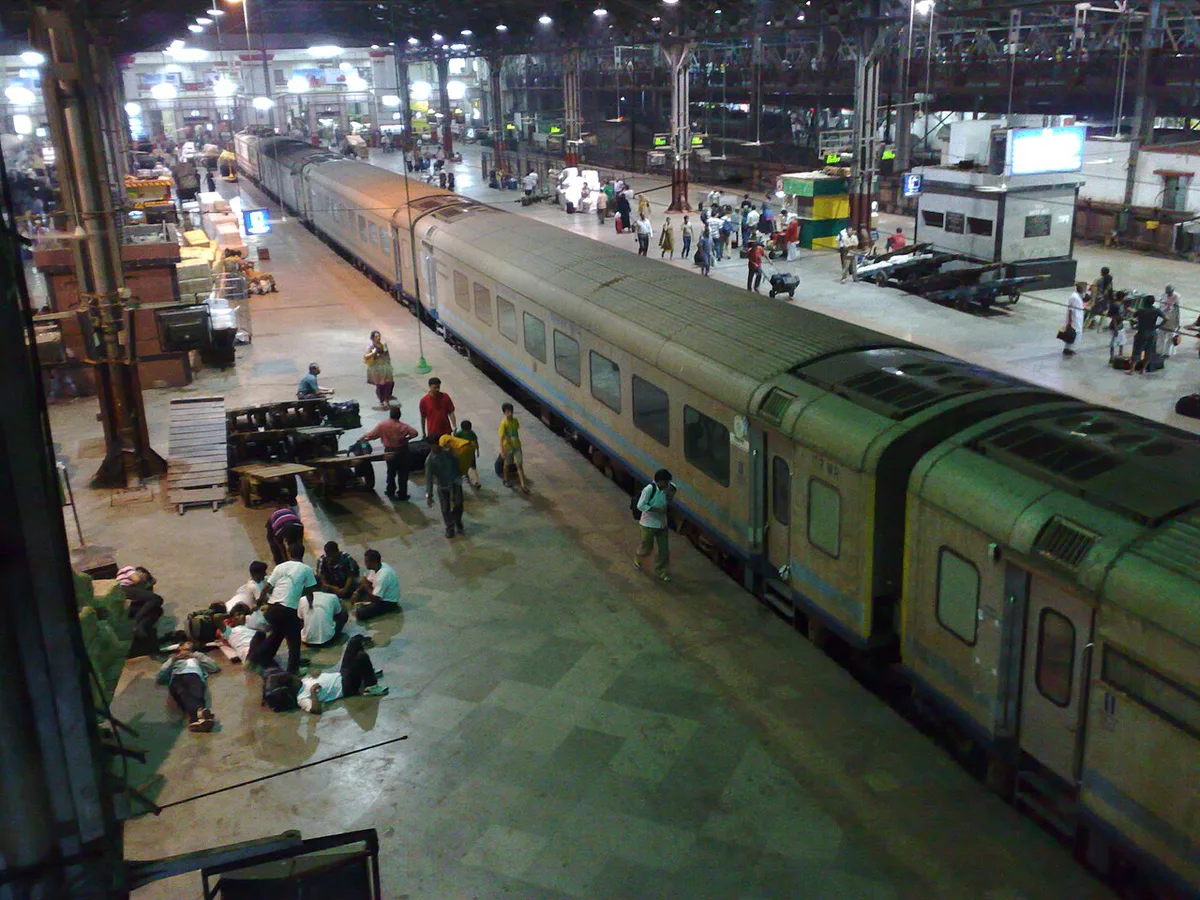
Classes and fares: what you actually pay for
Fares depend on class, train type and how close you book. The Rajdhani sits at the premium end because its fare typically bundles meals. Slower trains cost least. Every price on IRCTC is the one to trust, since third-party sites show stale or parsed fares that look too low to be real. Classes run from sleeper at the lowest tier up through 3A, 2A and 1A air-conditioned berths. CC means an air-conditioned chair car, which is rare on overnight runs. For a first journey, 3A or 2A gives clean bedding and a curtain without the 1A premium. Refund rules differ between confirmed, RAC and waitlisted tickets, so read the cancellation terms on the Indian Railways site before paying.
How to book as a visitor
Start with an IRCTC account, and check the current foreign-tourist registration steps because they change. Search by station code rather than city name, so you do not confuse New Delhi with Hazrat Nizamuddin. A tourist quota exists on some trains, and the quota rules are worth reading on IRCTC before you search. Watch the booking window, since seats release a set period before departure.
- Confirmed: you have a berth, and your name shows a coach and number.
- RAC: you share a berth and get a full one only if someone cancels.
- WL (waitlist): you hold no seat, and you board only if your position clears.
- Tatkal: a last-minute quota with its own rules and fares.
Train vs flight vs bus
Count door-to-door time, not the ride alone. A flight is far shorter in the air, but airport transfers, check-in and baggage add hours on both ends. A train departs from the city, which suits central hotels and avoids a flight's airport commute. Bus travel is the slowest and least comfortable over this distance. Check airline and airport schedules for current flight times, because they change by season.
| Mode | Strength | Weakness | Best for |
|---|---|---|---|
| Rajdhani or fast train | City-center to city-center, sleeps while moving | Long ride, booking pressure | Travelers who want a night saved on a hotel |
| Flight | Shortest time in the air | Airport transfers on both ends | Travelers on a tight schedule |
| Bus | Cheap seats | Slowest, least rest | Last resort |
- Skip the train if you have only a single day to reach Delhi.
- Skip the train if you cannot get a confirmed seat.
- Skip the train if you will arrive after dark with no onward plan.
What the overnight ride is like
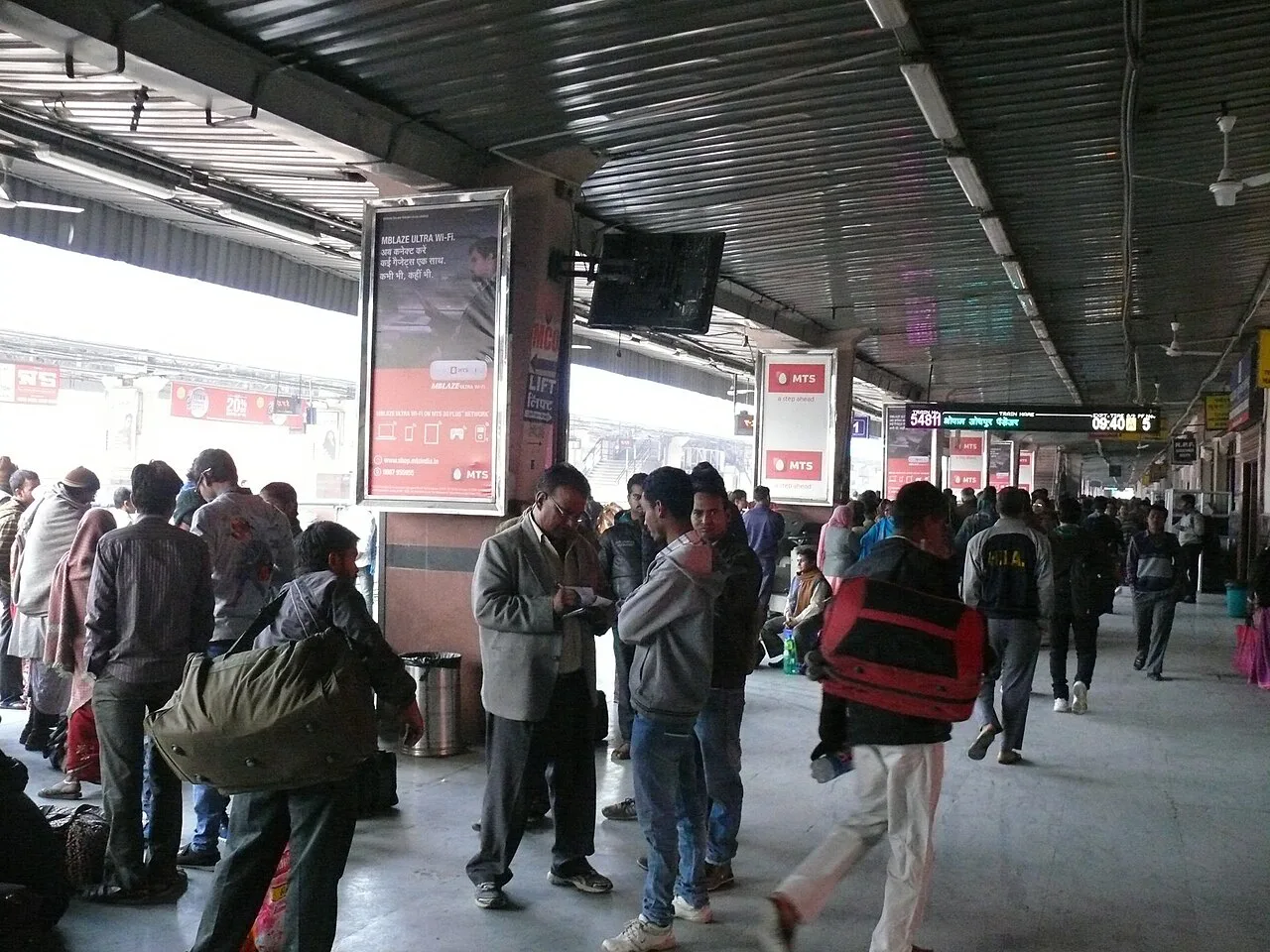
Air-conditioned classes provide bedding, and berths convert to seats by day. Meals come through pantry service or e-catering on many trains, depending on the service. Keep your bag chained to the berth frame, and carry valuables on you at night. Charging points are usually near the berths, so bring a power bank as a backup. Arrival timing deserves a plan. A train docking near 08:32 gives you a full Delhi day, while a 21:25 arrival means a late hotel check-in. In winter, fog on the northern section can delay trains, so leave a buffer before any onward flight or tight connection. Do not book a same-day connection from the Delhi arrival.
Choosing Dadar's mail train can save money, but its 21:25 arrival pushes your hotel check-in late into the evening.
- Booking a waitlisted ticket and assuming it will clear.
- Choosing New Delhi when your hotel is closer to Hazrat Nizamuddin.
- Planning a tight connection on the Delhi end.
Planning around the trip
Mumbai's long-haul rail network reaches well beyond Delhi. If your plans stretch west, read our guide to the Mumbai to Ahmedabad Train: Best Trains, Stations and Fares. Rajasthan travelers can use the Mumbai to Udaipur Train: Timings, Stations & Which to Pick. Heading south instead, see the Mumbai to Bangalore Train: Routes, Times & How to Book. For a short warm-up trip before committing to a day-long ride, try the Mumbai to Pune Train: Best Trains, Times & Tickets (2026). Rail also produces less CO2 per traveler than a flight, though you should cite a specific methodology before quoting any figure.
Notes on Asia's railways
Optional updates when we revise our train and route guides.
You might also like
Continue reading
More guides you'll find useful