7 Things to Know About Trains in India
Plan train travel in India: reservation status, classes, IRCTC booking for foreigners, onboard basics and when rail beats flights or buses.
On this page
Last updated November 2026: trains in India are the main way to cover long distances at a sensible cost. You pick a class, book through IRCTC and plan around waitlists. Seven basics below cover that, with a guide for each topic.
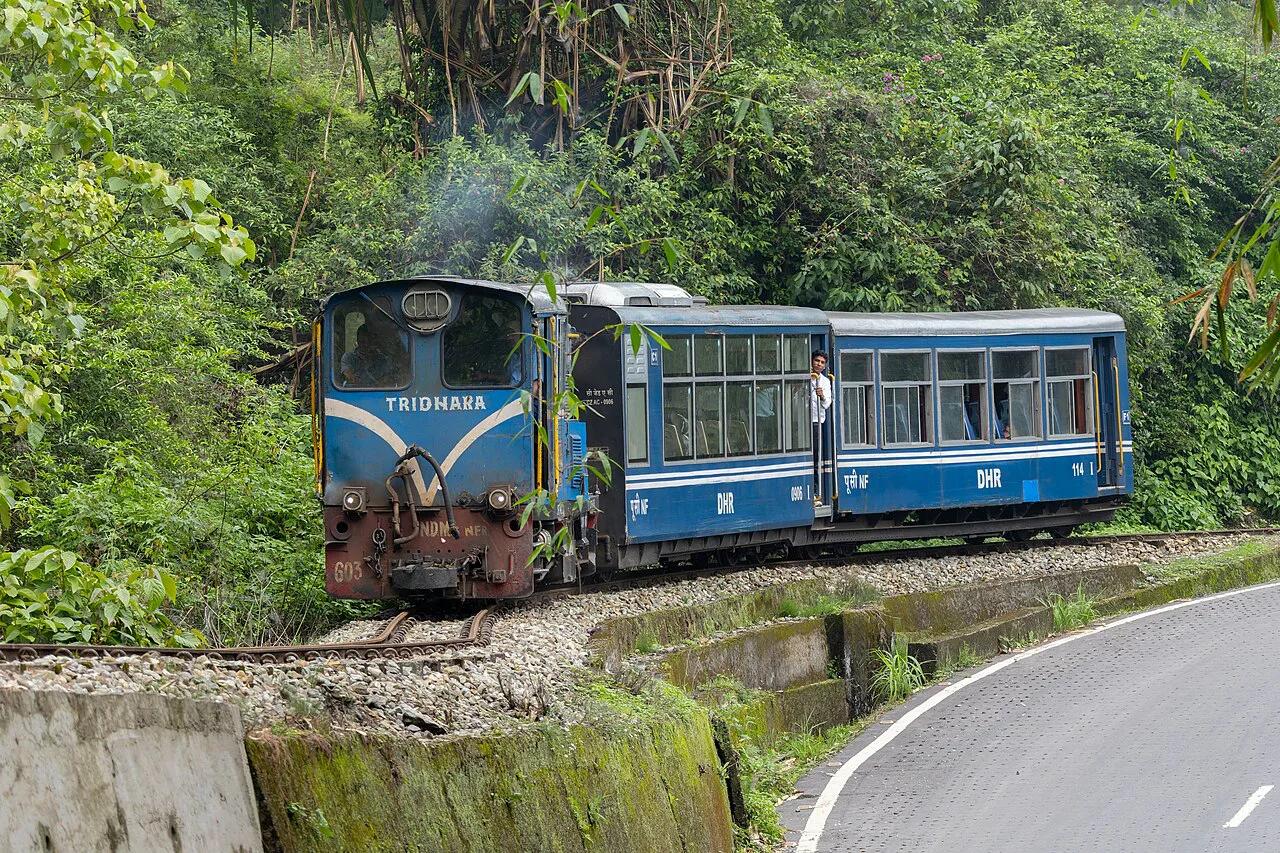
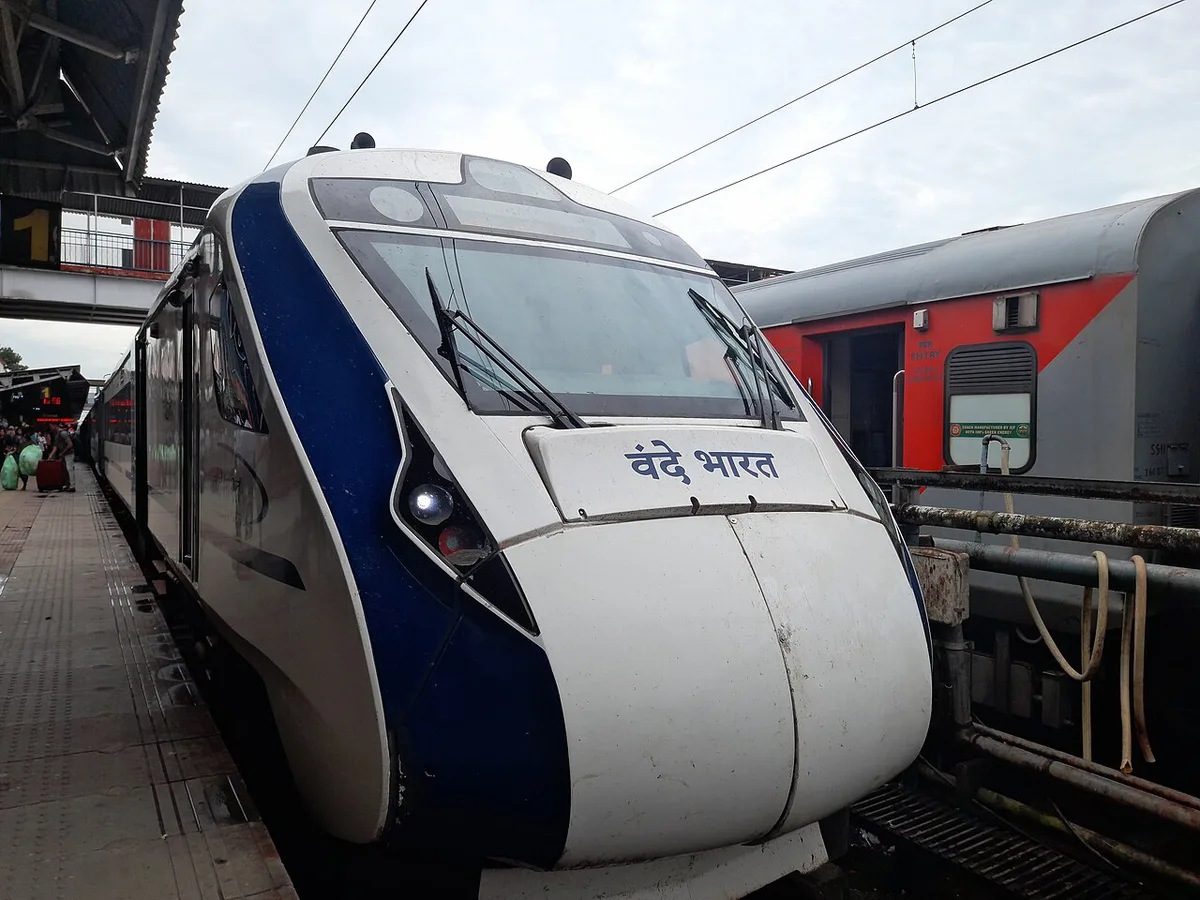
Featured image: Ravi Dwivedi, CC BY-SA 4.0, via Wikimedia Commons.
Quick answer: is train travel in India right for you?
Rail suits some trips far better than others. Use these points to decide before you read further.
On routes of 1,000+ km, the table makes flights the fastest door-to-door option, so rail fits when time is less tight.
- Trains beat buses on overnight legs, because you sleep lying flat in a reserved berth.
- Rail suits you if you can book early and want to watch the landscape from the window.
- Flights win when time is tight and the route is very long.
- Skip rail if your dates are fixed and you only hold a Waiting List ticket.
7 Things to Know About Trains in India
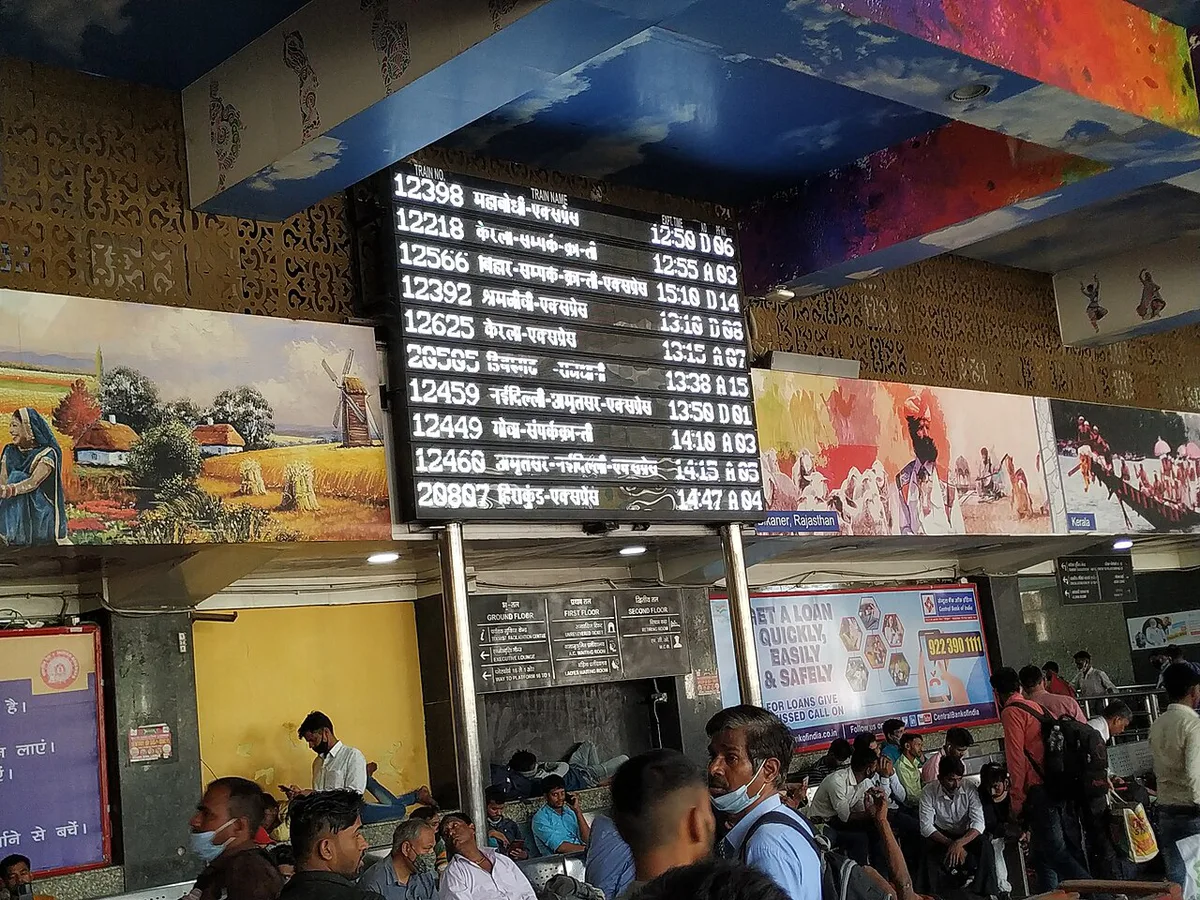
Indian Railways runs reserved long-distance services alongside unreserved coaches. Most long-distance trains open for booking 60 days ahead, according to Seat61, and the Indian Railways site carries official notices.
1. Reservation status decides whether you travel
Every reserved ticket carries one of three statuses: Confirmed, RAC or Waiting List. Confirmed means you hold an assigned seat or berth. RAC stands for reservation against cancellation. You may board and ride on a side seat, which is narrower than a standard berth.
Waiting List means no seat yet, so do not board until the ticket moves to Confirmed or RAC. Read how waitlists clear in practice before you rely on one. Skip waitlisted tickets entirely if a missed connection would break your itinerary.
2. Five classes cover most journeys
Visitors usually choose from General, Sleeper, 3AC, 2AC and 1AC. General is unreserved and cheapest, but a seat is not guaranteed. Sleeper has reserved berths and no air-conditioning, which hurts in summer, especially in western India.
Read about what sleeper class is like before you commit to a hot-season route. Most first-timers land in 3AC for the price-to-comfort balance. The comparison table below shows the trade-offs.
3. Train types set speed and stops
Vande Bharat is the newer semi-high-speed chair-car service, running since February 2019 and now on many intercity routes, with a sleeper version on three routes since January 2026. Overnight Mail and Express trains stop more often and run the long routes. Premium services and tourist or luxury trains also exist, each with their own booking rules.
Match train type to route length. A fast daytime service suits a medium hop, while a night train saves a hotel bill. Skip luxury trains if you only need transport from A to B.
4. Foreigners can book online through IRCTC
IRCTC is the official booking site, and you need an account first. Setup is covered in our guide to an IRCTC Account for Foreigners: Register, Verify & Book (2026). A foreign tourist quota sets aside a few seats on about 200 trains, mainly in 1A, 2A and chair car, and your passport number is the key detail. See how the foreign tourist quota works.
Follow the full booking steps from search to payment. Book on the IRCTC e-ticketing site, where foreign tourists can reserve up to 365 days ahead.
5. Last-minute and pass options exist
Tatkal is the last-minute quota for short-notice travel. Our guide to Tatkal Booking in India: How It Works for Visitors explains how it works. Tatkal opens the day before departure and sells out fast, so treat it as a backup rather than a plan. Since 1 July 2025 online Tatkal needs an Aadhaar-authenticated account, so visitors buy it at a station counter or from an agent. Rail passes are gone: the Indrail Pass was discontinued in 2017, so every journey needs its own ticket.
Weigh the number of long rides, how flexible you are and whether you need quota access. Skip a pass if you plan only one or two trips.
6. Food and luggage need a plan
Overnight trains mean meals on board or at platform stalls. Our guide to Food on Indian Trains: What to Eat, Order & Pack covers the options, and IRCTC e-catering lets you order to your seat.
Carry a chain and lock for bags and keep valuables on you at night. The free limit is 40 kg in sleeper, 3AC and chair car, and 50 kg in 2AC (see the luggage allowance rules).
7. Arrive early at the right station
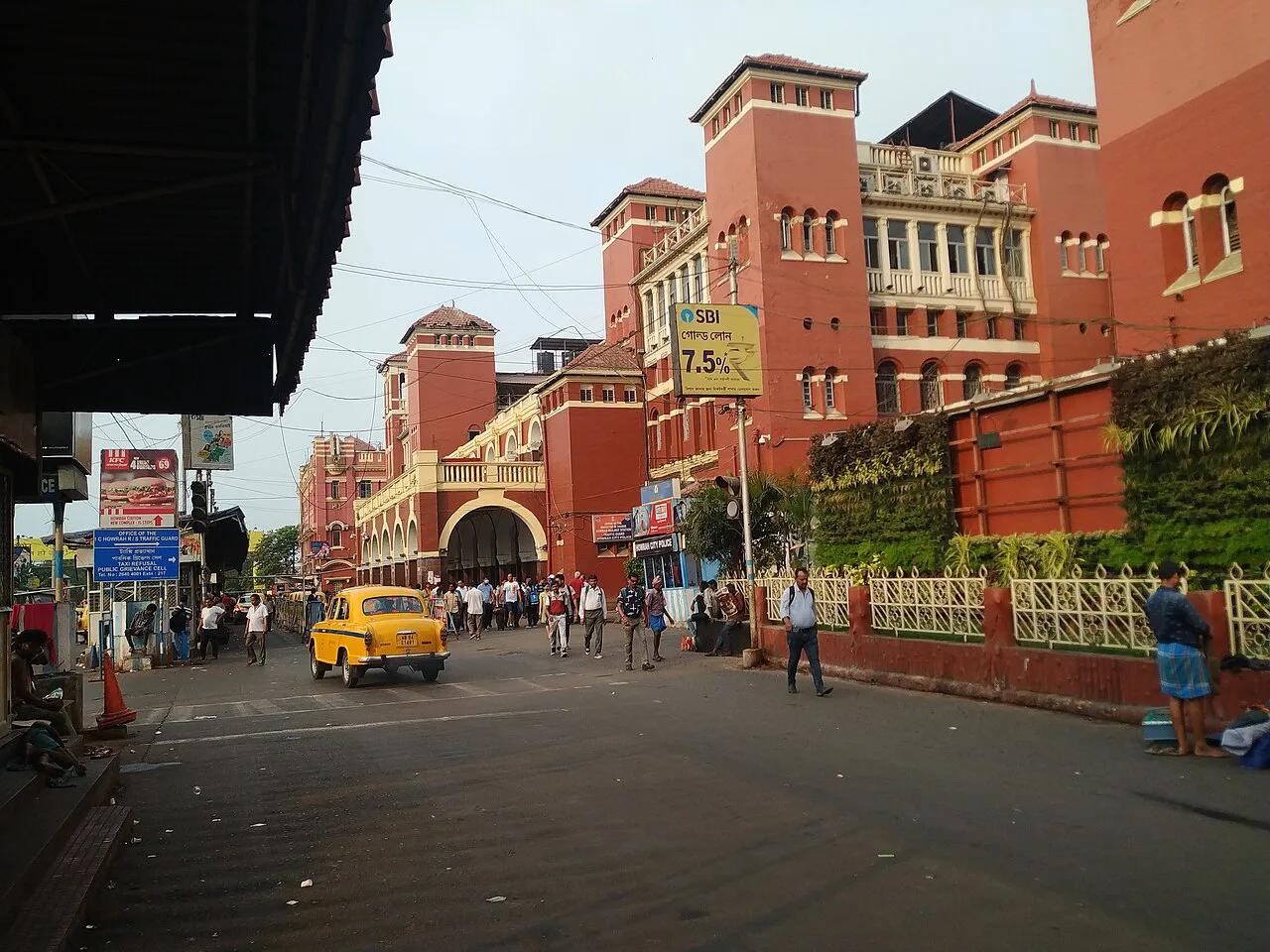
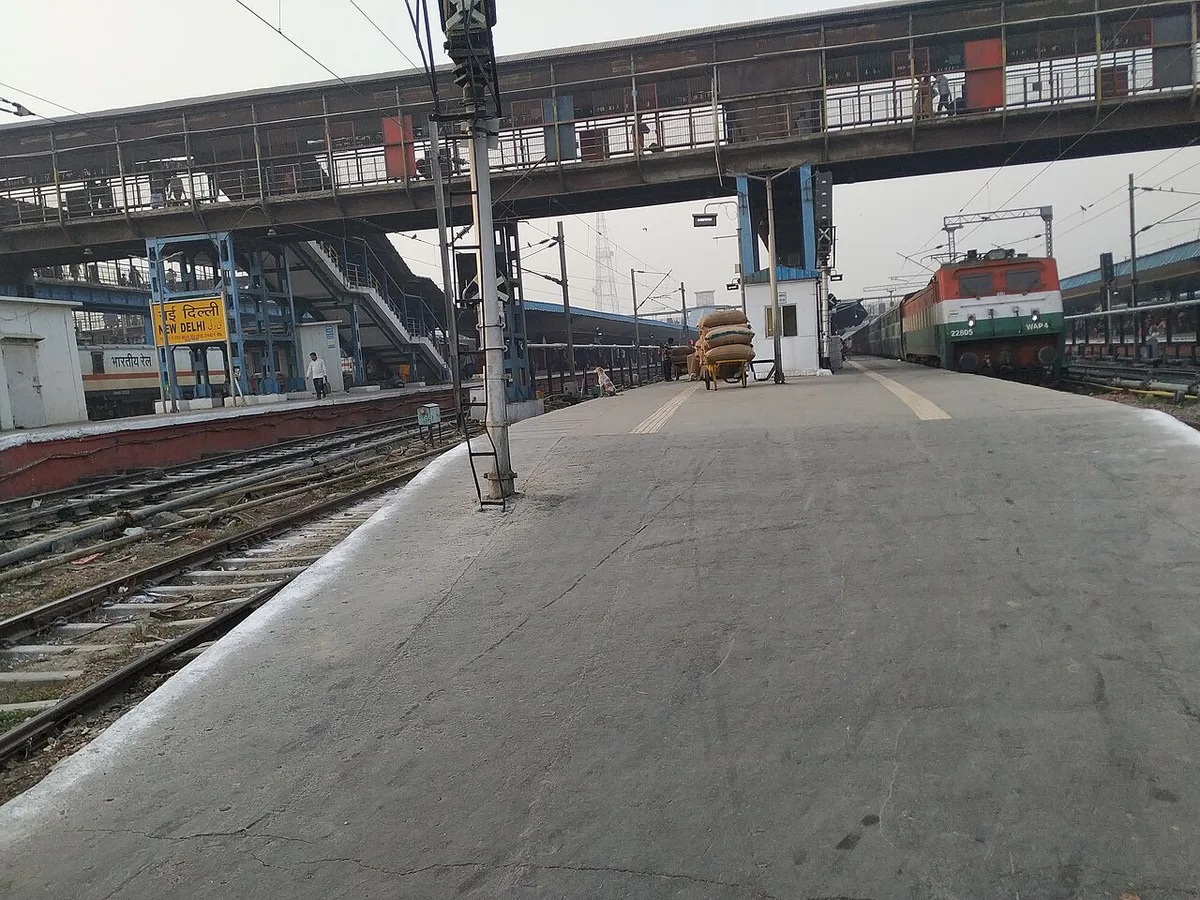
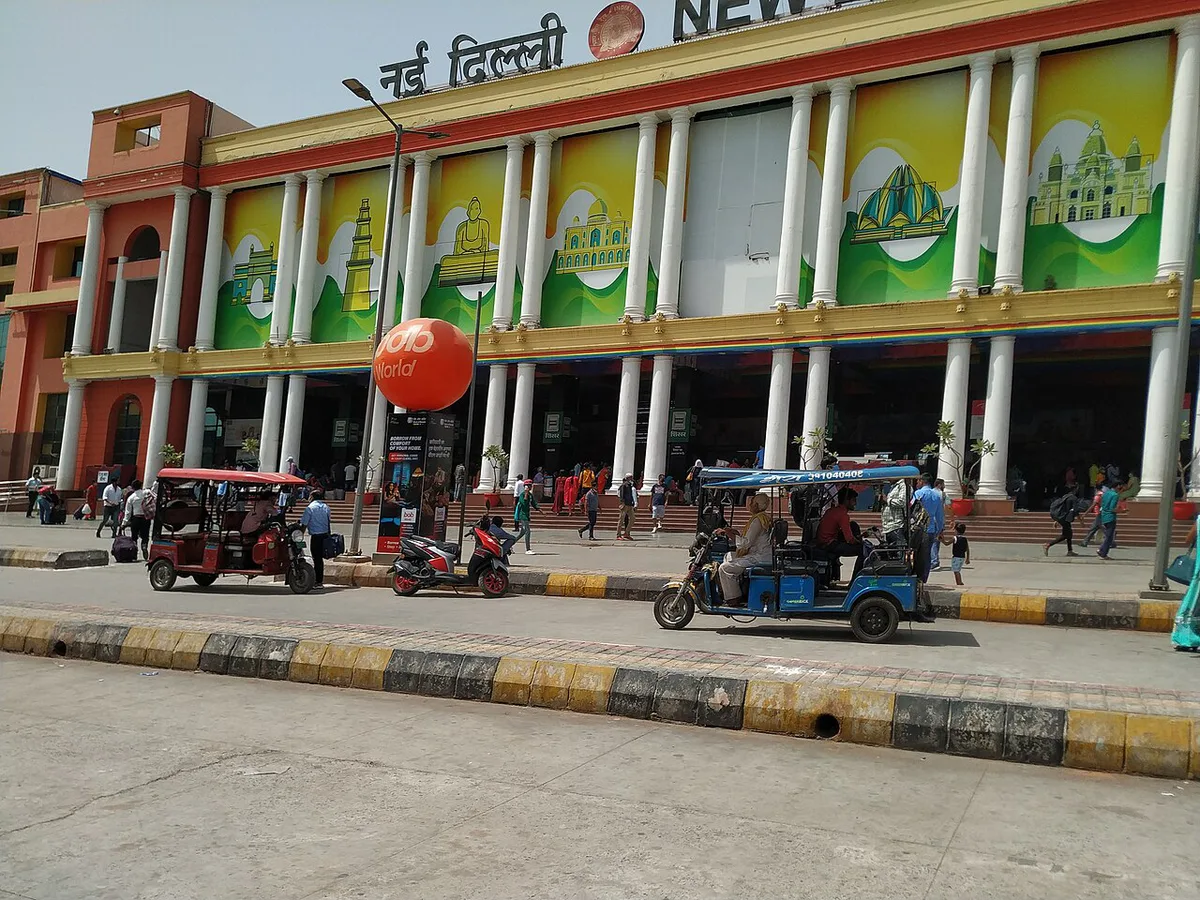
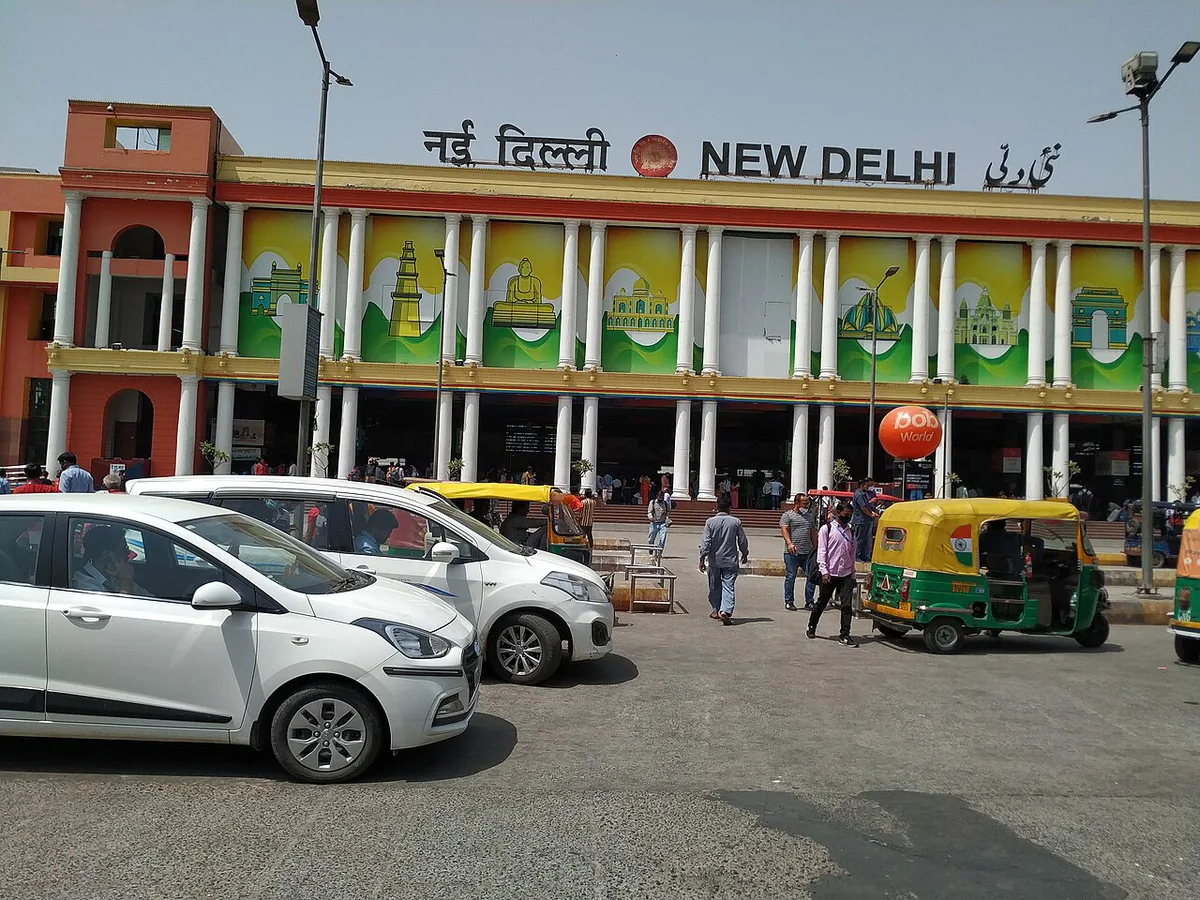
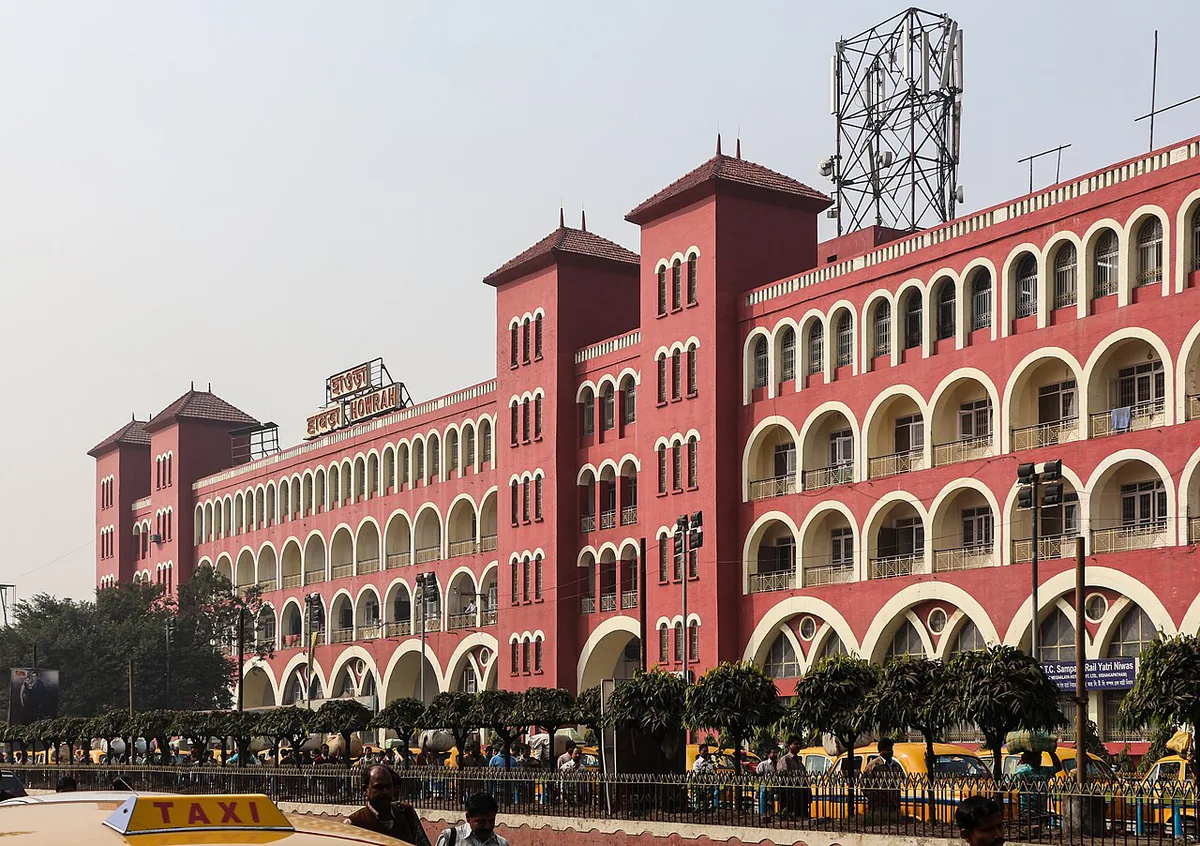
Several Indian cities have more than one major station, so read the station name on your ticket. Reach the platform with a buffer. Platforms are large and coach positions vary.
Choose a lower berth if you want easy access to bags, or an upper berth for privacy during the day. Skip tight same-day connections unless every ticket is Confirmed.
Indian train classes compared
Five classes cover most visitor itineraries. Our full class guide goes deeper, and the choice between mid-range AC classes is covered in 3AC versus 2AC. For the top end, see first class AC.
| Class | Air-con | Privacy | Best fit | Trade-off |
|---|---|---|---|---|
| General | No | Low | Short, tight-budget hops | No guaranteed seat |
| Sleeper | No | Low | Budget overnight trips outside summer | Hot in peak heat |
| 3AC | Yes | Medium | First-time visitors | Close quarters |
| 2AC | Yes | Higher | Comfort on long routes | Costs more than 3AC |
| 1AC | Yes | Highest | Privacy and space | Price can rival flights |
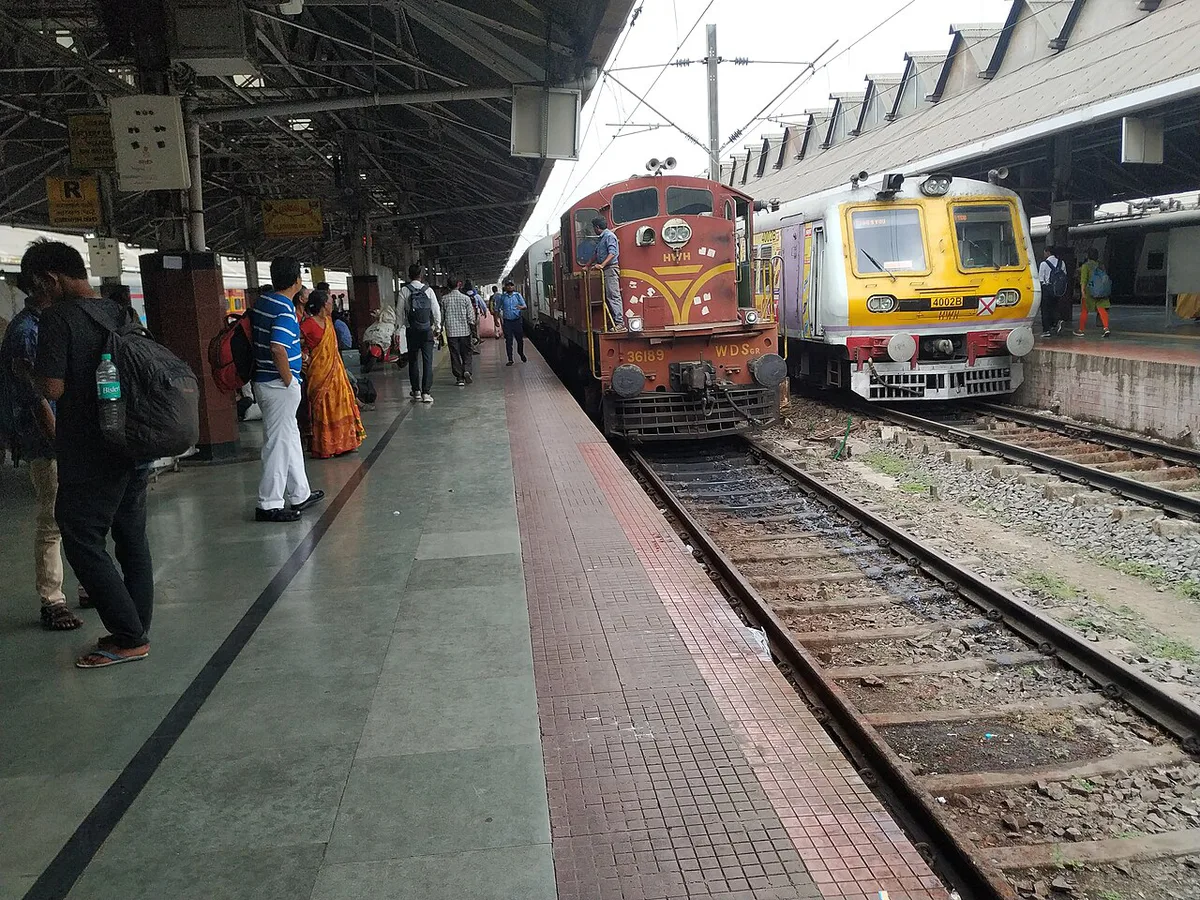
Train, flight or bus by route length
Judgments below are qualitative. Peak-season tickets sell out early, so book rail first.
Vande Bharat's running speed of up to 130 km/h makes it a daytime option for medium hops, while long routes favour overnight berths.
| Route | Train | Flight | Bus |
|---|---|---|---|
| Long (1,000+ km) | Overnight berth saves a hotel night | Fastest door to door | Tiring, least comfortable |
| Medium | Strong on comfort and cost | Often overkill | Cheap but slower |
| Short | Good if a fast service runs | Rarely worth it | Flexible departures |
Common mistakes to avoid
Most problems come from timing and the wrong ticket.
- Boarding on a Waiting List ticket.
- Booking too late in peak season.
- Choosing Sleeper for a summer trip in western India.
- Going to the wrong station in a city with several.
- Ignoring baggage limits.
For India's neighbours, see our guides to trains in Sri Lanka and getting around Nepal.
Frequently Asked Questions
Can foreigners use IRCTC to book trains?
Yes. Create an IRCTC account and book online, using your passport details. A foreign tourist quota reserves seats for visitors.
Which train is better in India?
It depends on route and budget. Vande Bharat suits fast daytime hops, while overnight Mail and Express trains suit long routes. For comfort, 3AC is the usual first-timer pick.
Explore More Guides
Keep planning your trip with these guides.
Guides
- How to Book Train Tickets in India (2026 Guide for Visitors)
- IRCTC Foreign Tourist Quota: Who Qualifies & How to Book
- IRCTC Account for Foreigners: Register, Verify & Book (2026)
- Indian Railways Classes Explained
- Sleeper Class Train India
- 2AC vs 3AC
- First Class AC (1AC) on Indian Railways
- Tatkal Booking in India
- Indian Railways Waitlist Explained
- Indian Railways Luggage Allowance: Limits by Class
- Food on Indian Trains: What to Eat, Order & Pack
- Indrail Pass: Discontinued Since 2017, What to Use Instead
Notes on Asia's railways
Optional updates when we revise our train and route guides.
You might also like
Continue reading
More guides you'll find useful