Food on Indian Trains: What to Eat, Order & Pack
What food is available on Indian trains, how to order to your seat, what's safe to eat, and what to pack, by train type and class.
On this page
Last updated November 2026: food on Indian trains comes from three routes. Rajdhani, Shatabdi and Vande Bharat fares include food, vendors and platform stalls sell snacks, and e-catering delivers pre-ordered food to your seat. Packing your own is the fourth option, and what you get depends on your train type and class. Seat61's India guide, last updated 15 October 2026, is the source for the meal facts below.
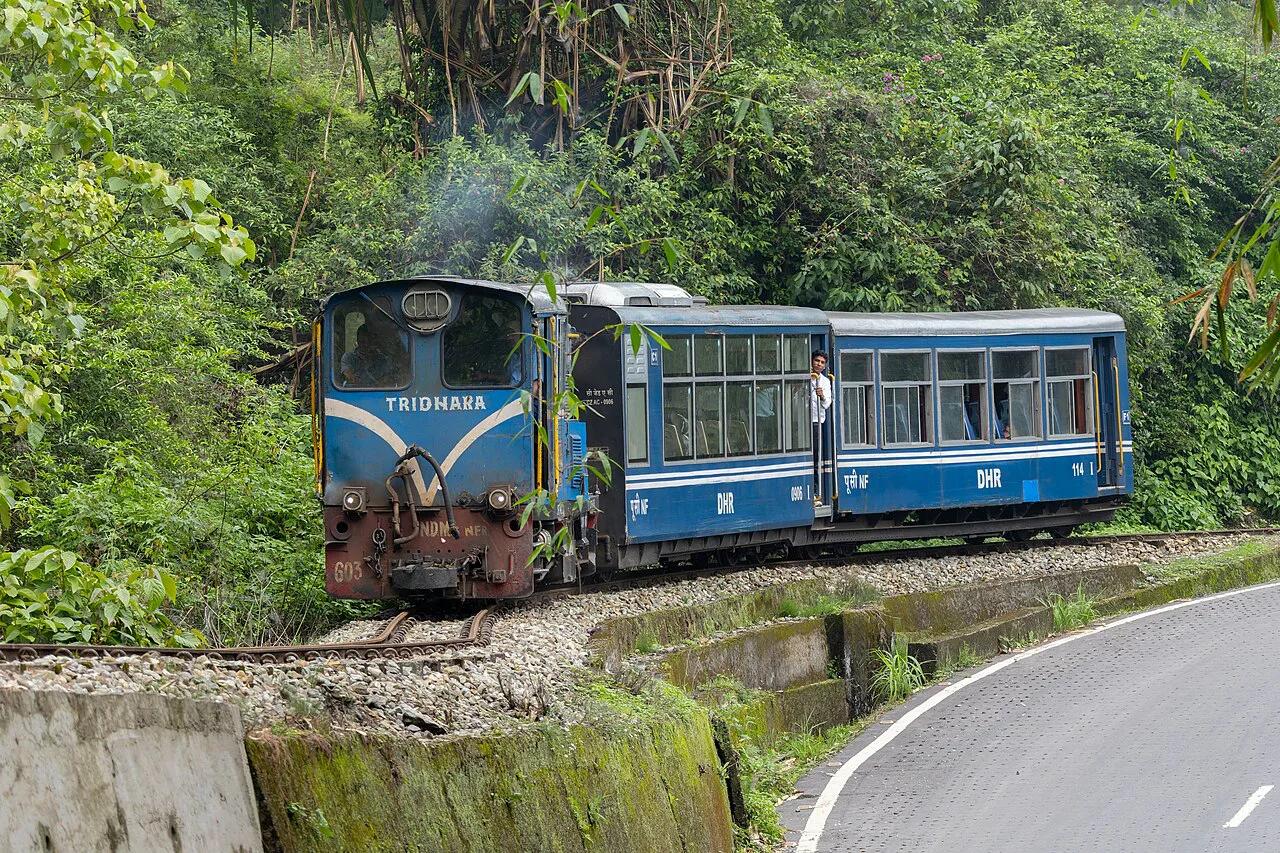
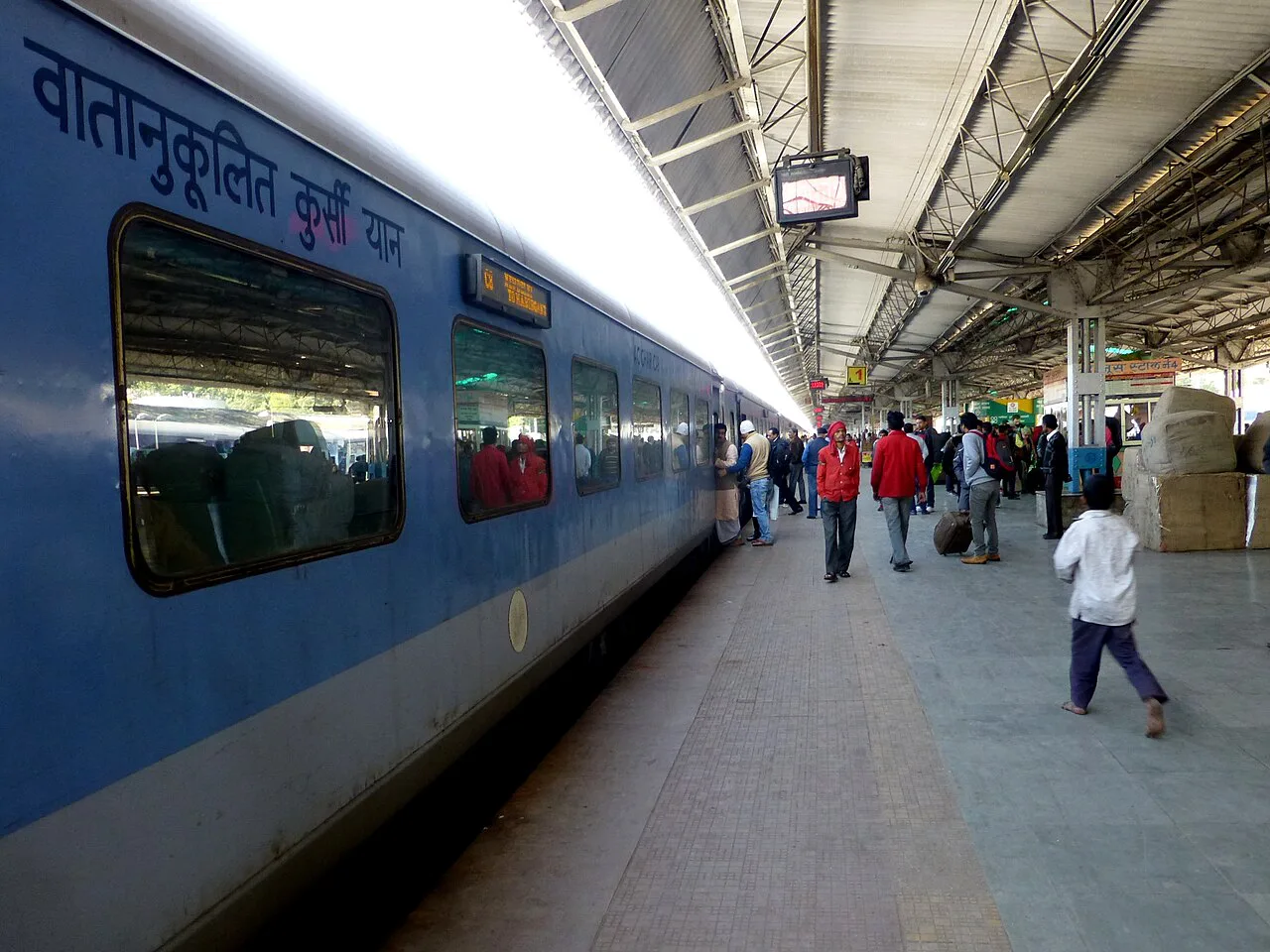
Featured image: Smeet Chowdhury, CC BY 2.0, via Flickr.
Food on Indian trains: the quick answer
Most travelers mix routes rather than relying on one. A premium daytime service may hand you a meal. An overnight Mail or Express has no restaurant or buffet car: attendants take orders and deliver rice and curry, and vendors walk through with snacks and tea. Start with the train type printed on your ticket, then decide how much to carry.
- Catering on board: meals included in Rajdhani and Shatabdi fares, refreshments included on Vande Bharat, and attendants taking orders for rice and curry on other long-distance trains.
- Vendors and stalls: hawkers walking the aisles and stalls on station platforms.
- Delivery to your seat: food ordered ahead and handed over at a station stop.
- Packed food: water and snacks from home that cover delays.
What food is available by train type and class
Train type decides most of your options. Meals are included in Shatabdi and Rajdhani fares, and Vande Bharat fares include refreshments; Seat61 notes that Executive Chair class carries pre-packaged food in the fare. Other long-distance trains sell meals on board at a few pounds each. Our guide to Indian Railways Classes Explained: 1A, 2A, 3A, SL, CC explains how the coach types differ.

Class changes how food reaches you. Vendors move through unreserved and sleeper coaches freely, and sleeper class travel is where you will hear them most. AC coaches are quieter and more controlled, as covered in the 3AC versus 2AC comparison. Expect the calmest service in first class AC, with fewer people walking through.
| Service type | Where food usually comes from | What to expect |
|---|---|---|
| Vande Bharat, Shatabdi, Rajdhani-style premium trains | Meals or refreshments in the fare, plus e-catering | Included in the fare; no extra order needed |
| Mail and Express trains | Vendors, platform stalls, e-catering, packed food | Attendants take orders for rice and curry; there is no restaurant car, so many travelers carry their own |
| Slow passenger trains | Vendors and platform stalls | Short stops, so stay near your door |
How to order food to your seat
IRCTC runs an official e-catering service for pre-ordered meals, and Seat61 also names railrestro.com, which delivers to a station using your PNR. Private food apps are separate businesses, and we do not endorse any of them. Only stations on the service's list can receive delivery.
You will need an account and a working phone number for one-time passwords. Foreign visitors should set up an IRCTC login first, and our guide to an IRCTC Account for Foreigners: Register, Verify & Book (2026) covers that. Catering options are chosen at booking, as explained in how to book train tickets.
- Wait for a confirmed ticket, coach and berth. A waitlisted seat may change.
- Pick a delivery station on your route from the service's station list.
- Enter your PNR (the booking reference on your ticket) and coach details.
- Choose a restaurant and meal, then pay with a method the service accepts.
- Keep your phone on. Delivery staff often call when the train arrives.
Buying from vendors and platform stalls
Vendors sell tea, chai, samosas, fruit, nuts and packaged snacks, and they walk the aisles in most non-AC coaches. Platform stalls sell similar items and some hot meals. Keep small change ready, since vendors rarely break large notes.
Stepping off to buy food carries a real risk. Trains can leave soon after a stop, and stop lengths are not always announced. Stay within a few steps of your door, or send a companion. Buying from the window or from aisle vendors avoids the problem altogether.
Food safety: what to eat and what to skip
Safety depends on how food was prepared and what water touched it. Use this ladder from safest to riskiest, and consult a health authority's travel page such as CDC Travelers' Health or NHS Fit for Travel for current advice.
| Option | Cost level | Effort |
|---|---|---|
| Bundled meal | Included or moderate | Low |
| Ordered delivery | Moderate to higher | Moderate |
| Vendor snack | Lowest | Low |
| Packed food | Lowest | Higher |
- Sealed and packaged: factory-sealed biscuits, nuts and bottled water with an intact cap.
- Freshly cooked and hot: samosas, puris and curries served steaming.
- Peeled fruit you peel yourself: bananas and oranges, not pre-cut pieces.
- Raw or lukewarm: salads, chutneys and cut fruit that sat out.
- Water-based items: pani puri water, ice and any drink made with tap water.
Regional train foods worth trying
These pairings are examples, not guarantees of what any train sells. Idli, vada and dosa are commonly associated with the south. Vada pav is linked with Maharashtra, kachori with Rajasthan, and chhole bhature with the north. Poha and samosas turn up in many regions. If something looks freshly fried and arrives hot, it sits near the top of the risk ladder. Skip anything you cannot trace to a clean source.
What to pack from home
A small kit covers delays and bad luck with vendors. Seat61 lists free luggage allowances of 40 kg in 3AC, chair car and sleeper, so food rarely matters; see the luggage allowance rules if you carry a lot. Avoid perishables on hot, long journeys, because they spoil faster than you expect.
- Sealed bottled water, more than you think you need.
- Non-perishable snacks such as nuts, biscuits and dried fruit.
- Wet wipes and hand sanitizer.
- Small change for vendors.
- A reusable container or bag, plus cutlery.
- For overnight trips, add a full second meal's worth of snacks.
Special diets and allergies
Vegetarian food is widely available on trains. Jain, no-onion, no-garlic, halal and allergy requests depend on the caterer, so ask the attendant or the e-catering restaurant when you order. Carry an allergy card written in Hindi or the local language, and keep packed safe food as a backup.
Delays, waitlists and last-minute tickets
Long journeys often run late, so buffer food and water instead of counting on one meal stop. If your ticket is uncertain, plan for the worst case. Read about the waitlist system before you order delivery, because your coach may change. A last-minute fare through Tatkal Booking in India: How It Works for Visitors can also leave you in an unexpected berth. Mistakes to avoid: ordering before your coach is confirmed, drinking ice or untreated water, and carrying perishables in heat. The Indian Railways site carries catering policy. Our trains in India guide covers the rest of the journey.
Frequently Asked Questions
Is food included in Vande Bharat?
Refreshments are included in the fare on Vande Bharat trains (Seat61), and Executive Chair class carries pre-packaged food in the fare. You can still buy tea and snacks from vendors.
What Indian food can we carry while travelling?
Dry, non-perishable items travel best. Nuts, biscuits, dried fruit and sealed snacks keep well on long journeys. Avoid anything that spoils in heat.
Notes on Asia's railways
Optional updates when we revise our train and route guides.
You might also like

Continue reading
More guides you'll find useful