Sleeper Class Train India: Is It Worth It? (SL Guide)
Sleeper class (SL) is India's cheapest non-AC overnight train class. See what it's like, how it compares with 3AC, and who should skip it.
On this page
Last updated November 2026: a sleeper class train India ticket (code SL) buys a berth in a non-air-conditioned, open-bay, three-tier coach, and it is the cheapest way to sleep on Indian Railways. Take it for daytime hops or cool-season trips on a tight budget. Skip it for hot overnight journeys, and book 3AC or 2AC instead.
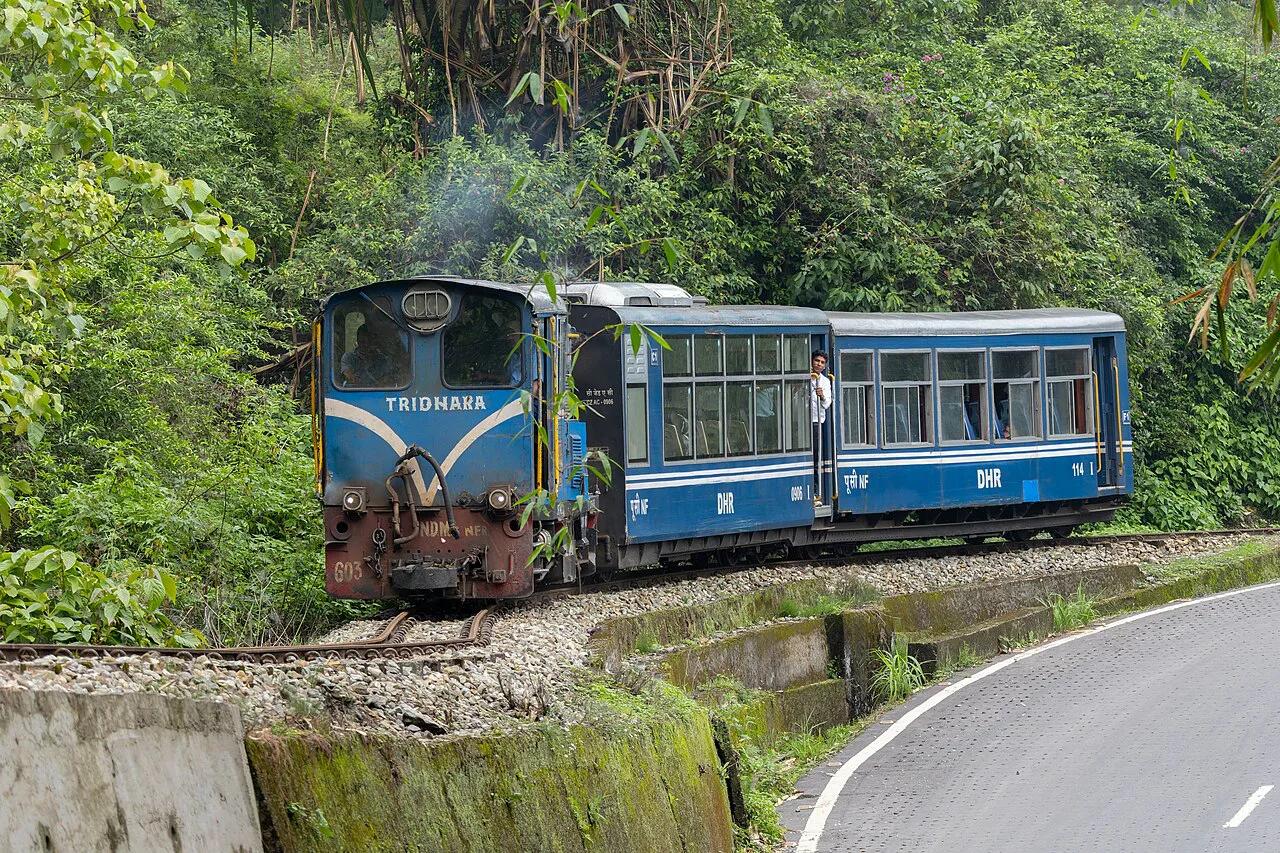
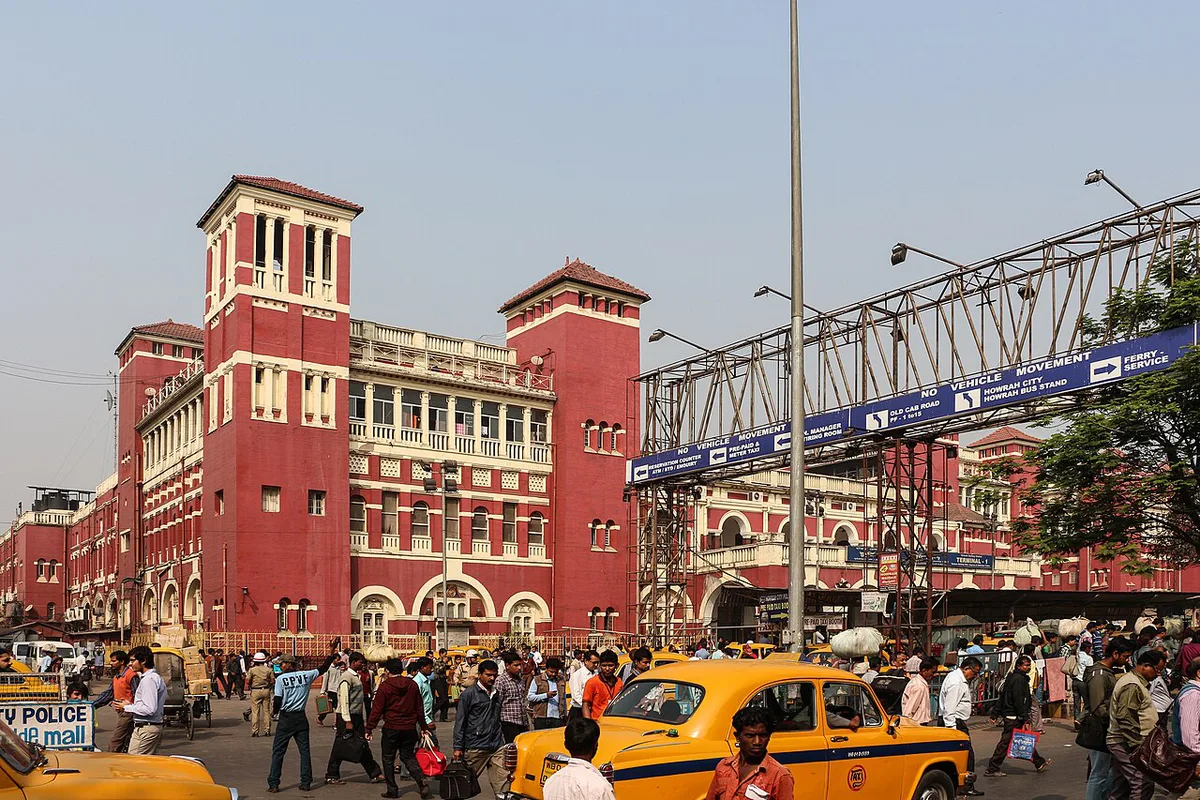
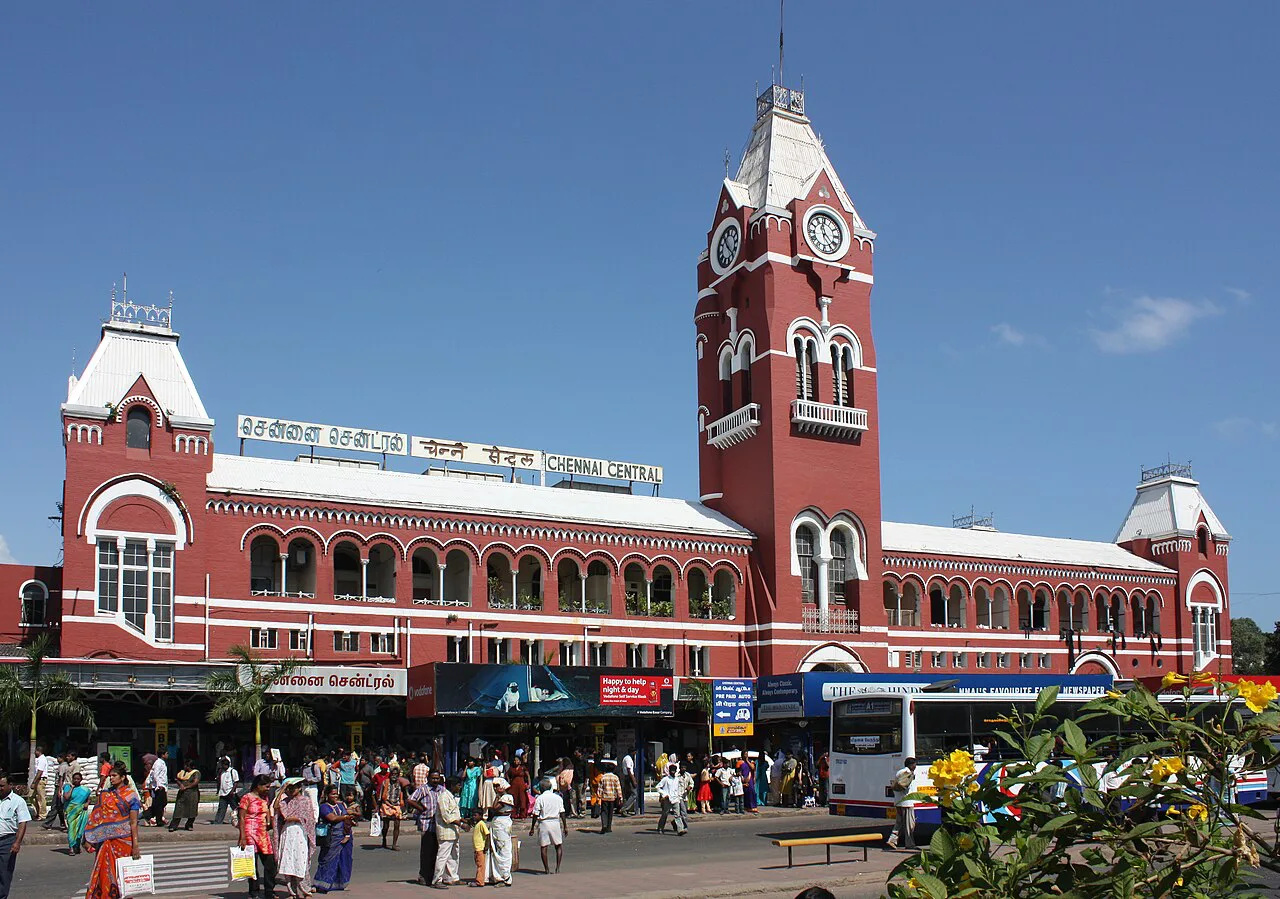
Featured image: Bernard Gagnon, CC BY-SA 3.0, via Wikimedia Commons.
What Sleeper Class (SL) Is
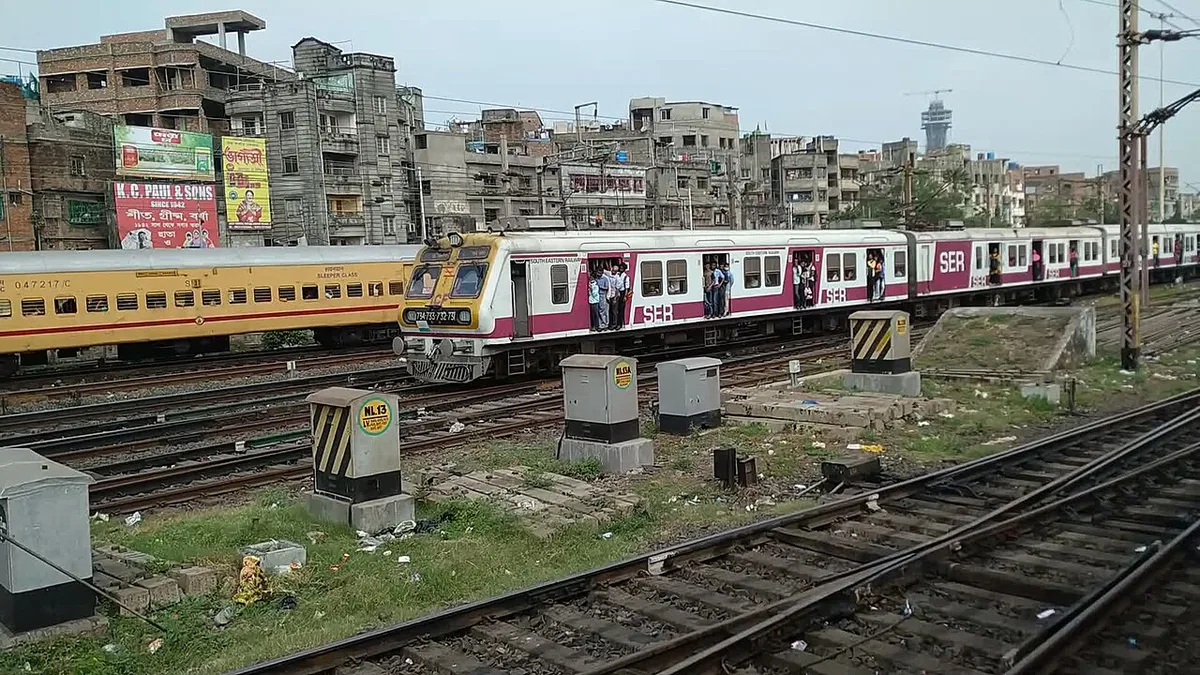
SL is a basic, non-air-conditioned class with three tiers of berths in open bays. Indian Railways lists it separately from AC Three Tier, even though the layout looks similar. Windows open, ceiling fans move the air, and nobody walls off a compartment. Other ticket codes you will meet are 1A (First AC), 2A (AC Two Tier), 3A (AC Three Tier) and CC (AC Chair Car). Our Indian Railways class overview explains each one.
- Ticket code: SL
- Air conditioning: none; fans and open windows
- Berths: lower, middle and upper in three tiers, plus side berths
- Bedding: not normally supplied, so plan to bring your own
- Best for: short or daytime sectors, cool weather, tight budgets
What Sleeper Class Is Actually Like
By day, passengers sit on the lower berths, and the middle berth stays folded away. At night, the berths come down and everyone sleeps in the open bay. Chai and snack vendors walk the aisle at most stops. Expect noise, dust and station activity at all hours.
Season changes everything. In northern summer heat, a non-AC coach turns hot and tiring after a day of sightseeing. In winter, open windows let in real cold at night. During the monsoon, rain can blow in through gaps. Spring and autumn are the gentlest months for SL. Treat it as a deliberate choice, not a bargain version of 3A.
Sleeper vs 3AC vs 2AC: Decision Table
A 3A coach sleeps around 72 passengers in representative LHB layouts, and 2A sleeps around 54. First AC drops to about 24. SL uses a three-tier concept like 3A, so expect a dense coach without the climate control. Our 3AC versus 2AC comparison goes deeper on the AC classes. For couples wanting enclosed cabins, read about First AC on Indian Railways.
A 3A coach sleeps around 72 passengers, so the dense layout without AC helps explain why SL runs hot in northern summer.
| Feature | Sleeper (SL) | 3AC (3A) | 2AC (2A) |
|---|---|---|---|
| Air conditioning | No | Yes | Yes |
| Berths per main bay | Six, three tiers per side | Six, three tiers per side | Four, two tiers per side |
| Bedding | Not normally supplied | Usually supplied | Usually supplied |
| Privacy and security feel | Open and busy | Busy but enclosed by AC | Calmer, still open bays |
| Relative fare | Lowest | Middle | Higher than 3A |
| Best for / skip if | Best for cool daytime hops; skip for hot overnight runs | Best for overnight on a budget; skip if you want space | Best for comfort overnight; skip if fare matters most |
Who Should Book Sleeper, and Who Should Skip It
Book SL when the journey is short, the weather is mild and the budget is tight. A morning or afternoon sector in winter or spring suits it well. Travelers who like the chaos of ordinary Indian rail life will also enjoy it.
Skip SL for a summer overnight, and for any trip longer than a night when you need real rest. Older travelers and families with young children usually do better in an AC class with a lower berth. Solo women often prefer 3A or 2A, where the closed windows and AC crowd feel more controlled. Heavy luggage is another reason to upgrade. Free allowance in SL is 40 kg, and space under berths is tight.
Avoid three mistakes. Do not book SL for a hot overnight trip. Do not expect AC or bedding. Do not rely on a waitlisted SL ticket.
Booking Sleeper as a Foreigner
Start with an IRCTC login. Our guide to an IRCTC Account for Foreigners: Register, Verify & Book (2026) covers registration and verification hurdles. Search for your train on IRCTC e-ticketing and pick SL from the class list.
The foreign tourist quota is offered mainly in 1A, 2A and chair car, so do not expect it in SL. Book as soon as the 60-day window opens, because SL fills fast on popular routes. Online Tatkal has needed an Aadhaar-authenticated account since 1 July 2025, which rules out foreign visitors, so last-minute SL seats mean a station counter or agent (see Tatkal Booking in India: How It Works for Visitors). For the full process, see our train ticket booking guide.
Waitlist, RAC and Confirmation
CNF means confirmed, with a berth. RAC means Reservation Against Cancellation: you board, but may share a berth. WL means waiting list, with no berth yet. A waitlisted SL ticket that never clears can leave you without a seat, or cancel the booking at chart time. Never build a fixed itinerary around one. Read how the waitlist works before you commit.
Practical Logistics for Sleeper Class
Pack your own bedding: a sheet or sleeping bag liner, and a light blanket in winter. Add a bag lock and a cable chain, and clip your bag to the berth frame without blocking the aisle. Keep passports, cards and phones on your body, not in the suitcase.
Plan luggage around 40 kg for SL against 50 kg in 2A, and the gap matters when berths leave little room.
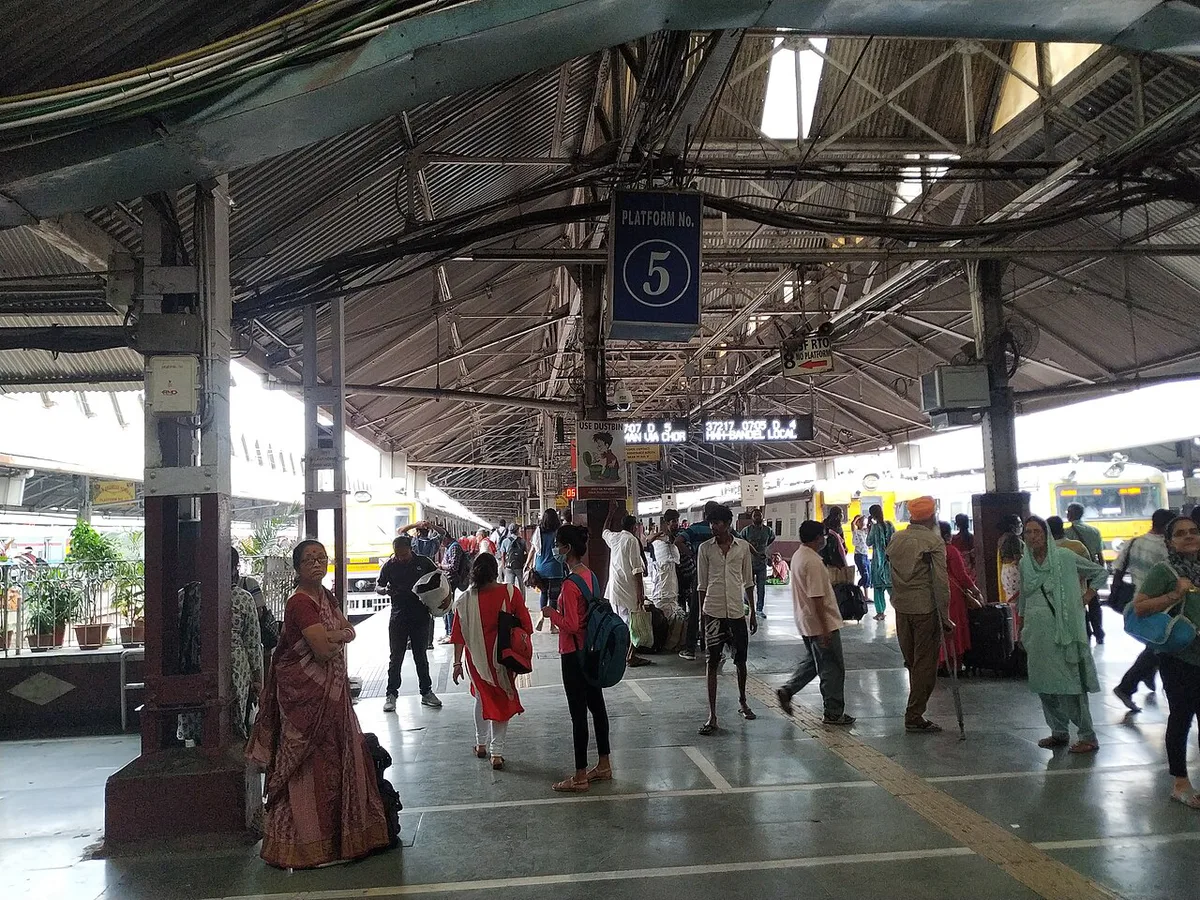
Lower berths work as seats by day and are easiest to reach. Upper berths are more private but need a climb. Requests are not guarantees. Bring a power bank, since charging points are limited. Toilets are shared, so carry tissues and sanitizer.
For meals, read our notes on Food on Indian Trains: What to Eat, Order & Pack. You can also order via IRCTC e-catering where available. Luggage rules are in the luggage allowance guide. The 40 kg SL and 50 kg 2A free allowances were restated in the Railway Minister's Lok Sabha reply of 17 December 2025, and the SL maximum is 80 kg.
Is the Vande Bharat Sleeper a Replacement?
No. Vande Bharat Sleeper is a separate premium product with AC 1, AC 2-tier and AC 3-tier coaches only. It has no SL class. It has run since January 2026 on Howrah to Kamakhya, with Varanasi to New Delhi and Bengaluru to Mumbai added in November 2026, and costs more than a Rajdhani berth. See the Vande Bharat Sleeper guide for routes and fares.
Where Sleeper Fits in Your India Rail Plan
Use SL for short, cool, flexible hops, and move up to AC for long nights. Our India train travel hub maps the full picture. There is no rail pass covering SL or any other class: the Indrail Pass ended in 2017.
Frequently Asked Questions
How many classes are there in Indian trains?
Tickets commonly show five codes: 1A, 2A, 3A, CC and SL. They stand for First AC, AC Two Tier, AC Three Tier, AC Chair Car and Sleeper. Some premium trains add extra seated classes.
Does the sleeper class train have AC?
No. Sleeper class (SL) is non-air-conditioned and relies on fans and open windows. For an AC berth, book 3A, 2A or 1A.
Notes on Asia's railways
Optional updates when we revise our train and route guides.
You might also like
Continue reading
More guides you'll find useful