IRCTC Foreign Tourist Quota: Who Qualifies & How to Book
Foreign tourist quota explained: 365-day booking window, who qualifies, what you need to book on IRCTC, and what to do if it's full.
On this page
Last updated November 2026: the IRCTC foreign tourist quota is a reserved allocation on some Indian trains, and foreign tourists can reserve up to 365 days ahead. Most domestic passengers get a 60-day window. Using the quota depends on eligibility, passport-based booking and the right payment route, so start with our walkthrough on booking train tickets in India. Wider route planning sits in the trains in India guide.
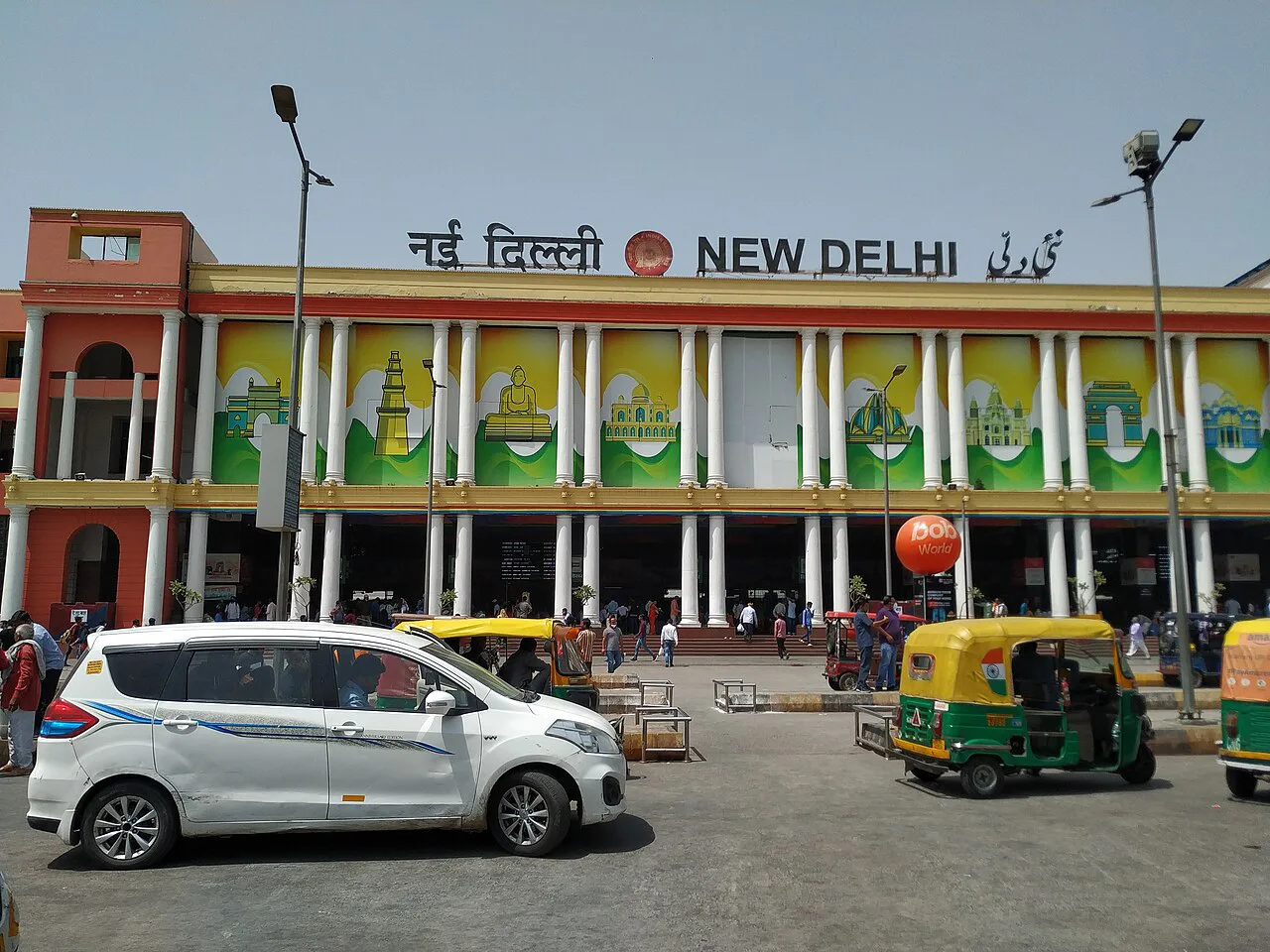
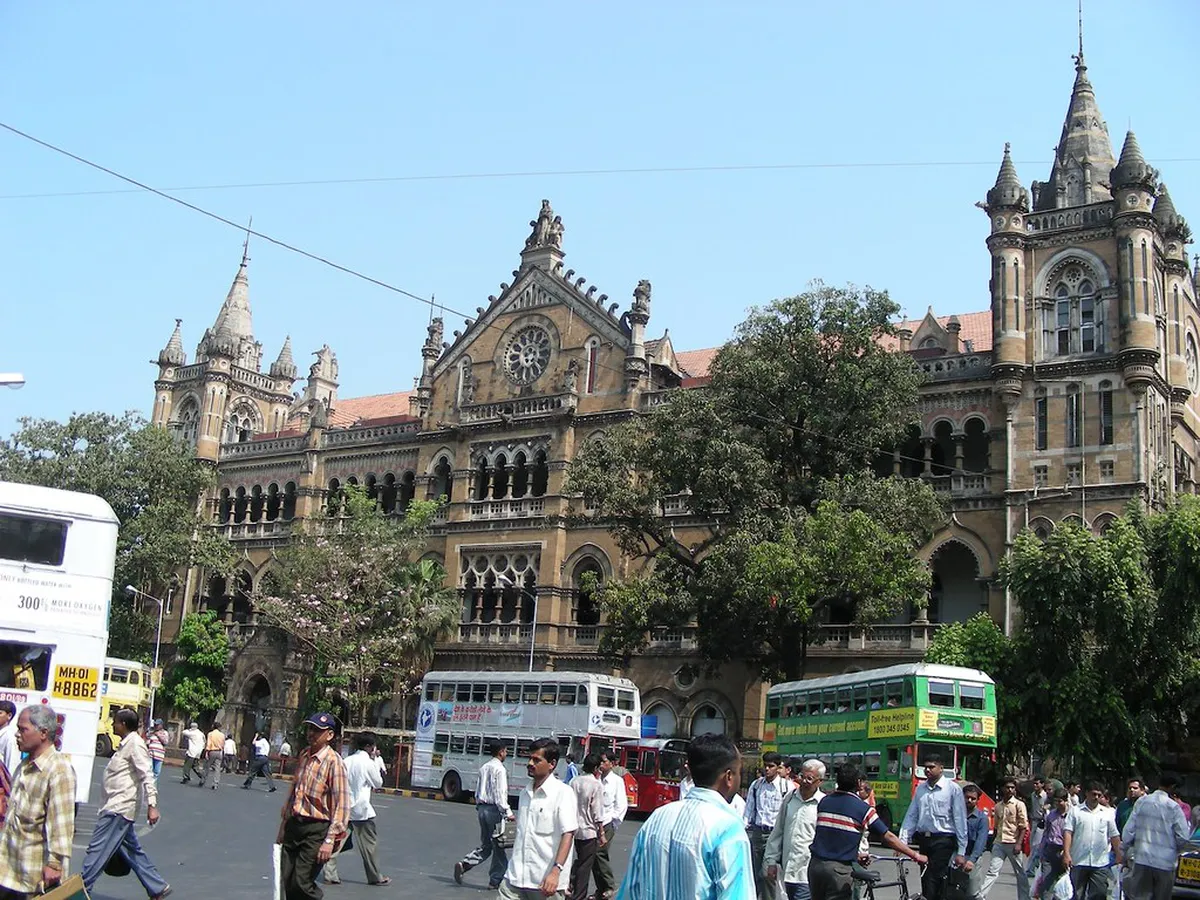
Featured image: Ravi Dwivedi, CC BY-SA 4.0, via Wikimedia Commons.
What the IRCTC foreign tourist quota is
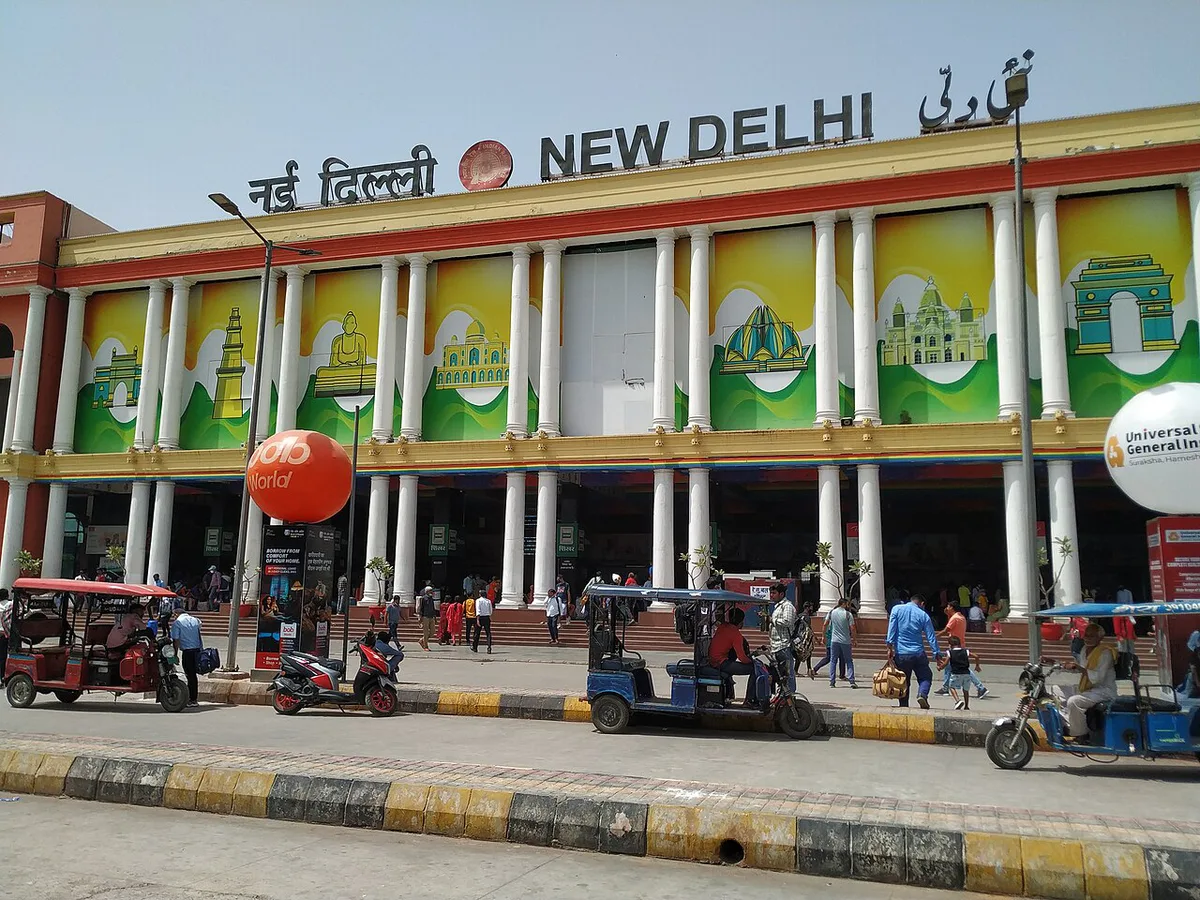
Indian Railways sets aside part of the seats on selected trains for visitors travelling on a foreign passport. That reserved allocation is the foreign tourist quota. Its biggest practical perk is time. Foreign tourists can book up to 365 days before departure, while the general advance reservation period (ARP) on most trains is 60 days. A visitor planning a winter trip in January can therefore lock in trains many months early. According to Seat61, the quota covers about 200 of roughly 9,000 daily trains, usually only 2 places and seldom more than 12 on a train, mostly in 1A, 2A and chair car. The IRCTC booking site shows whether a specific train carries it.
Who qualifies and what you need
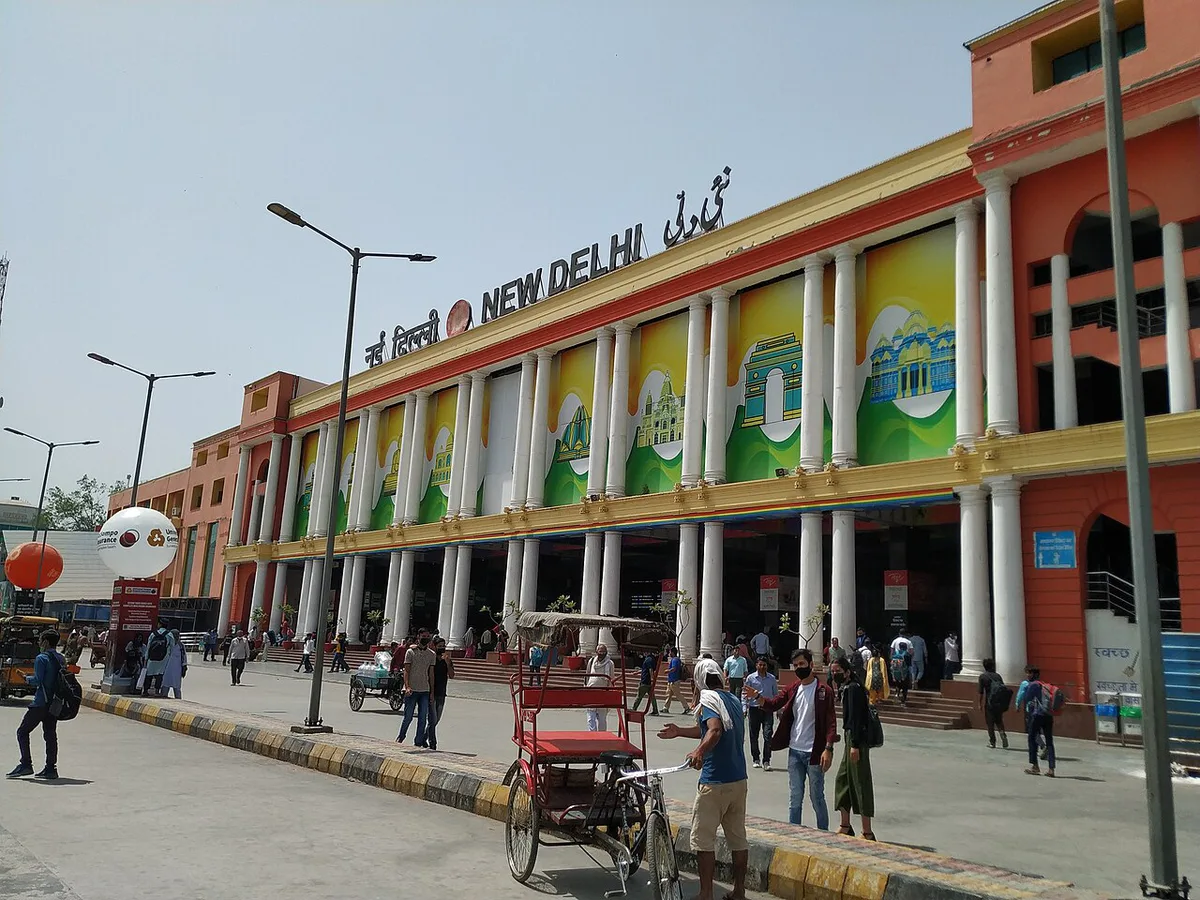
The quota is for foreign tourists, so you book with a foreign passport. A valid visa is part of any trip, and your passport details must match the ticket. Indian domestic users book through a different flow. A foreign traveller needs an IRCTC account set up for non-Indian users. Our guide to an IRCTC Account for Foreigners: Register, Verify & Book (2026) covers registration and verification. Payment is the other hurdle. Card and payment-method support for foreign users can differ from domestic users, so test your payment route well before the day you want to book.
- Foreign passport with your photo page details ready
- Valid Indian visa or equivalent entry permission
- Verified IRCTC account created for foreign users
- A payment method that works for foreign users on IRCTC
How to book with the quota
Booking follows the normal IRCTC search flow, with one extra choice. Sign in, enter your origin, destination and date, then pick the train. Quota options appear in the search form, so look for the foreign tourist option before you search. Choose your class, enter passenger names and passport details, and pay. Interface menus change from time to time, so follow the on-screen labels over any screenshot. Our full walkthrough, How to Book Train Tickets in India (2026 Guide for Visitors), shows each screen step by step.
- Sign in to your verified foreign account
- Select the foreign tourist quota in the search form
- Choose train, class and date
- Enter passport details exactly as printed
- Pay and save the e-ticket
What the 2024 ARP change did and didn't change
Indian Railways announced on 16 October 2024 that the general ARP was cut from 120 to 60 days, effective Nov 1, 2024 (Business Today). Foreign tourists kept their 365-day window. Day-time expresses such as the Taj Express and Gomti Express already had shorter windows, and those stayed as they were. Tickets booked before Nov 1, 2024 remained valid. As of that change, the foreign window is the one rule that did not move. The Indian Railways site at indianrailways.gov.in carries the official notices.
- Changed: general ARP fell from 120 days to 60 days
- Changed: effective date was Nov 1, 2024
- Unchanged: foreign tourist ARP stayed at 365 days
- Unchanged: shorter windows on some day-time expresses
- Unchanged: tickets booked before Nov 1, 2024 stayed valid
Which trains, classes and routes it covers
The quota applies to selected trains and classes, not every service. Most trains carry no foreign tourist allocation, so the search results are your guide. If the option does not appear for a train, assume it does not apply there. Class choice matters as much as the quota. Compare options in our overview of Indian Railways Classes Explained: 1A, 2A, 3A, SL, CC. Budget travellers can read about sleeper class. Comfort seekers should compare 3AC versus 2AC. For a private feel, see first class AC.
Foreign tourist quota vs alternatives
Quota is one route to a confirmed seat. Other routes suit different trips. Use this comparison to decide. Fares on the quota are slightly higher than the general quota fare for the same class. If you have fixed dates and want a specific train, book early on the quota. If your plans are loose, other options may fit.
| Option | Cost | Flexibility | Confirmation odds | Booking effort | Best fit |
|---|---|---|---|---|---|
| Foreign tourist quota | Class fare, slightly higher than general quota | Low once booked | Best when booked early | Foreign account and passport entry | Fixed itineraries, peak dates |
| General quota | Standard fare for your class | Low | Depends on demand within the shorter window | Same account, no quota choice | Short-notice trips on busy routes |
| Tatkal | Standard fare plus a premium | Low | Opens close to departure and sells fast | High, time-pressured | Last-minute plan changes |
| Waitlist | Standard fare, refundable if not confirmed | Moderate | Uncertain | Low, but risky | Backup or flexible dates |
Timing: when to book early
Booking far ahead does not guarantee a seat, but it widens your choices. Popular corridors fill first, including Delhi to Mumbai, Delhi to Kolkata and Kerala routes. Festival weeks around Diwali and Holi, plus summer holidays, push demand up. Aim to book as soon as your dates are firm. Do not rely on a waitlist for a fixed connection, because an unconfirmed berth can wreck a flight transfer. Our guides to Tatkal Booking in India: How It Works for Visitors and the Indian Railways Waitlist Explained: WL Types, Confirmation Odds & Backup Plans explain the fallbacks. If everything is full, try other dates, nearby trains or a different class. The Indrail Pass: Discontinued Since 2017, What to Use Instead is no longer an option: Indian Railways discontinued it in 2017.
Against the 60-day window most domestic passengers get, a foreign ticket can be booked up to 365 days ahead.
- Mistake to avoid: booking a festival-week train only days ahead
- Mistake to avoid: treating a waitlist ticket as a confirmed seat
- Booking-day checklist: passport, account login, payment method, backup train
Cancellations, refunds and changes
Cancellation and refund charges depend on class and how close you are to departure, and no percentages are quoted here because they change. Travel insurance is a general option for trips with long lead times, since a 365-day window means plans can change before you travel. Pick a policy that covers prepaid rail tickets.
A booking made inside a 365-day window can outlast your plans, so the insurance question is worth settling at booking.
Before you board
Carry the passport you used to book, since the ID must match the ticket. Watch your ticket status as departure nears. Know your coach and berth before you reach the platform. Pack with limits in mind by reading the Indian Railways Luggage Allowance: Limits by Class rules. For longer journeys, our notes on Food on Indian Trains: What to Eat, Order & Pack explain meal options, and the railway's e-catering service lets you order a meal for delivery at a station.
Frequently Asked Questions
Can foreigners use IRCTC to book trains?
Yes. Foreign visitors can book on IRCTC with an account set up for non-Indian users and a payment method that works for foreign users. Quota availability is shown when you search a specific train.
Notes on Asia's railways
Optional updates when we revise our train and route guides.
You might also like
Continue reading
More guides you'll find useful