2AC vs 3AC: Which Indian Railways AC Class Should You Book?
2AC or 3AC? Compare berth layout, privacy, price gap, availability and booking tips so you can pick the right AC sleeper class in India.
On this page
Last updated November 2026: in the 3AC vs 2AC choice, book 2AC if you want curtains, more space and fewer neighbors. Book 3AC if you want the lowest AC fare and better odds of a confirmed berth. Both classes are air-conditioned sleepers, and our Indian Railways classes guide covers the full ladder from 1AC down to sleeper.
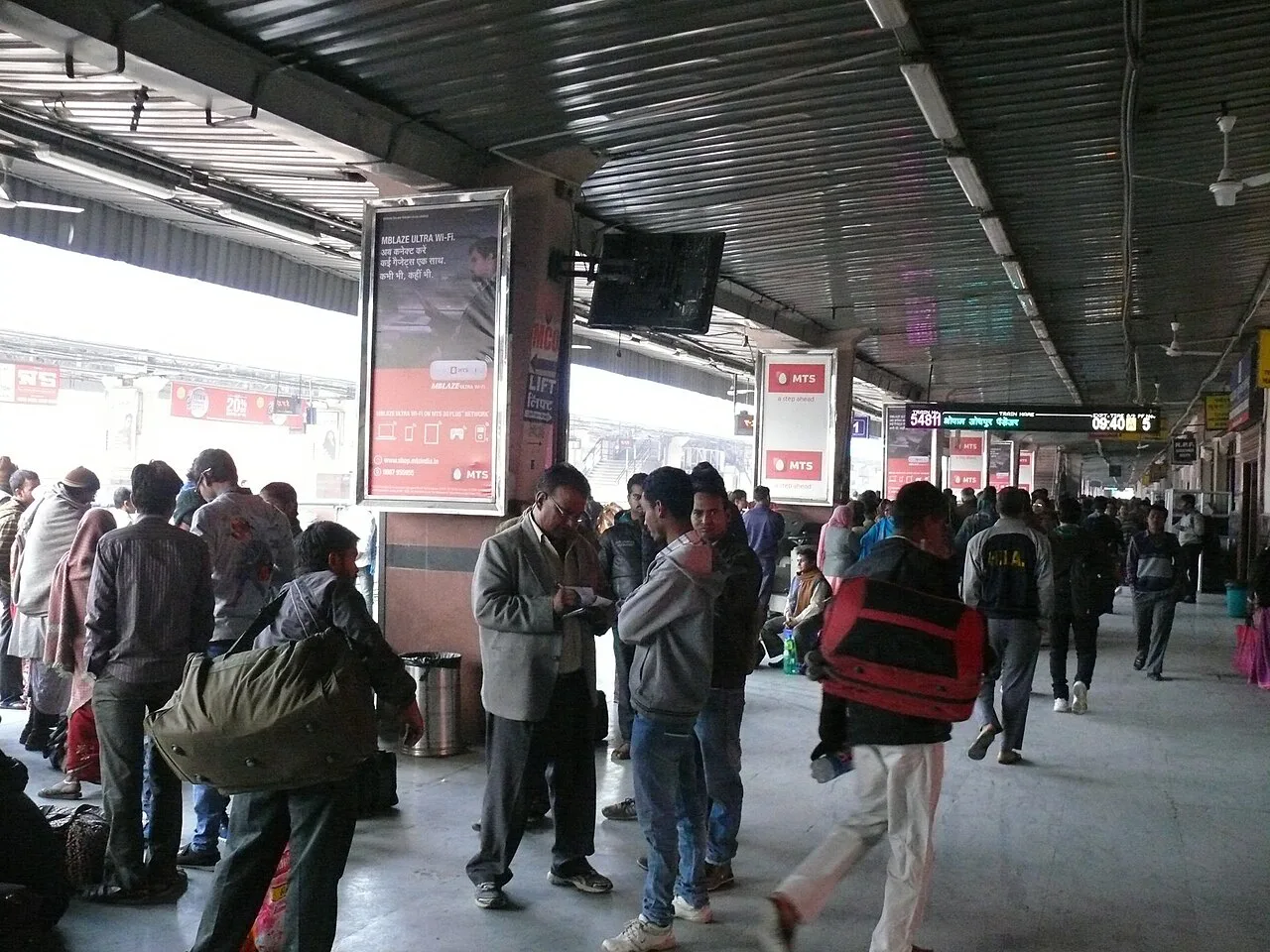
Featured image: varunshiv, CC BY 2.0, via Flickr.
Quick Verdict
Pick 2AC (2 tier AC) for solo women, couples, light sleepers and journeys over 12 hours. Pick 3AC (3 tier AC) for short overnight runs, tight budgets and groups of four or more. 2AC costs more per ticket, and the gap changes by route and train. Compare both fares on IRCTC for your exact date before you decide.
2AC vs 3AC at a Glance
This table shows how second AC vs third AC differ in practice. Fares are indicative ranges for a typical 500 km overnight run, checked November 2026. Real fares depend on train type, distance and dynamic pricing.
| Feature | 2AC (Second AC) | 3AC (Third AC) |
|---|---|---|
| Berths per bay | 6: four main berths in two tiers plus two side berths | 8: six main berths in three tiers plus two side berths |
| Privacy | Curtains on berths, usually reading lights | Usually no curtains on main berths |
| Space and headroom | Wider aisle, more headroom, no middle berth | Tighter; middle berth folds down and cuts sitting room |
| Indicative fare, 500 km | ₹1,500–₹2,600 | ₹1,000–₹1,800 |
| Availability | Fewer berths per coach, so it can wait-list sooner | More berths per coach, so confirmation is usually easier |
| Best for | Solo women, couples, long journeys, light sleepers | Budget travelers, short overnights, groups |
Comfort and Privacy: What Actually Differs
The core difference is the number of tiers. 2AC has two tiers, so lower and upper berths face each other in a bay with no middle berth. That means you can sit upright on a lower berth all day. In 3AC, the middle berth folds down at night and flips up by day, which limits seated headroom for the lower-berth passenger.

Curtains matter most for privacy. 2AC berths generally have them, so you can close off your bay at night. 3AC usually does not, so your sleep happens in open view of the corridor. Both classes normally supply a sheet, blanket and pillow, though bedding policy can vary by train type.
Upper berths in both classes need a climb up a short ladder. Older passengers and anyone with knee or mobility limits should request a lower berth when booking. Our 1AC and first class guide covers lockable cabins for travelers who want more privacy than 2AC offers.
Cost and Availability Trade-Offs
On a typical 500 km overnight run, expect roughly ₹1,000–₹1,800 for 3AC and ₹1,500–₹2,600 for 2AC. Both sit well above non-AC sleeper class. A simple decision rule works well. If the 2AC premium is small on your route, upgrade. If it is large, 3AC is usually enough for a short overnight trip.
2AC coaches carry fewer berths, so they often wait-list first on popular routes. Read how waitlists and RAC work before you book a wait-listed ticket. Last-minute seats may appear under Tatkal Booking in India: How It Works for Visitors, but Tatkal fares run higher than standard fares.
Mistakes to avoid:
- Assuming 3AC is cramped without comparing the layout for your trip length.
- Booking a wait-listed ticket for a fixed-date connection such as a flight.
- Ignoring the upper-berth climb when traveling with older or mobility-limited passengers.
Booking Reality for Visitors
Both classes book on IRCTC e-ticketing, and the same fare and quota rules apply. Start with our train ticket booking guide for the full flow. Visitors without an Indian phone number should read how to set up an IRCTC account first.
Long journeys over 12 hours are when 2AC earns its premium, so watch seat availability from the moment your dates are fixed.
Seats can run out weeks ahead on busy corridors. The foreign tourist quota may open extra berths for eligible travelers. Book as early as your dates allow, because a confirmed 3AC berth beats a wait-listed 2AC one. A final chart is prepared before departure, and RAC or wait-listed tickets are only confirmed if cancellations free berths. Fares change often, so check current prices on IRCTC at booking time.
Luggage, Food and Night-Journey Tips
Both classes have storage under the lower berths and space above the aisle. Use a chain and lock for your bag. Our luggage allowance guide explains free limits by class.
Meal service depends on the train type, and some services include food in the fare while others do not. Our guide to food on Indian trains explains the options. You can also order meals through IRCTC e-catering for delivery at selected stations. Carry water, a light scarf for the cold AC, and a phone charger. Charging points are common but not guaranteed in every coach.
Who Should Pick Which
Match the class to your trip, not to a general ranking.
A 500 km overnight run on 3AC is roughly ₹1,000–₹1,800, so compare that with the 2AC fare before paying for curtains.
- Solo traveler: 2AC for curtains and fewer people around, especially on a woman-solo overnight run.
- Couple: 2AC if you want a quieter bay, 3AC if the fare saving matters more.
- Family with children: 3AC for four or five people sharing a bay, or 2AC if the budget allows.
- Budget backpacker: 3AC, usually the cheapest AC option.
- Light sleeper: 2AC, where curtains and a wider aisle cut disturbance.
- Journey over 12 hours: 2AC for the extra headroom. Short overnight: 3AC is generally enough.
Is an Indian Rail Pass Worth Considering?
Foreign visitors planning several long legs book each one separately: the Indrail Pass was discontinued in 2017, so there is no pass to weigh against 3AC or 2AC tickets. Our trains in India guide puts these choices into a full trip plan.
Frequently Asked Questions
What does AC three tier mean?
AC three tier (3AC) is an air-conditioned coach where berths are stacked in three levels: lower, middle and upper. Bays also have two side berths along the corridor.
How many seats are there in a 2AC coach?
A typical 2AC coach has about 48 berths, though the number varies by coach type. 3AC coaches carry more, usually between 64 and 72.
What is the difference between first class AC and 2 tier AC?
1AC offers lockable cabins with two or four berths, while 2AC has open bays closed off by curtains. 1AC costs more per ticket, but gives the most privacy.
Notes on Asia's railways
Optional updates when we revise our train and route guides.
You might also like
Continue reading
More guides you'll find useful