Indian Railways Classes Explained: 1A, 2A, 3A, SL, CC
Compare Indian train classes, from 1A to sleeper and general. See who each class suits, how to choose, and what to check before booking.
On this page
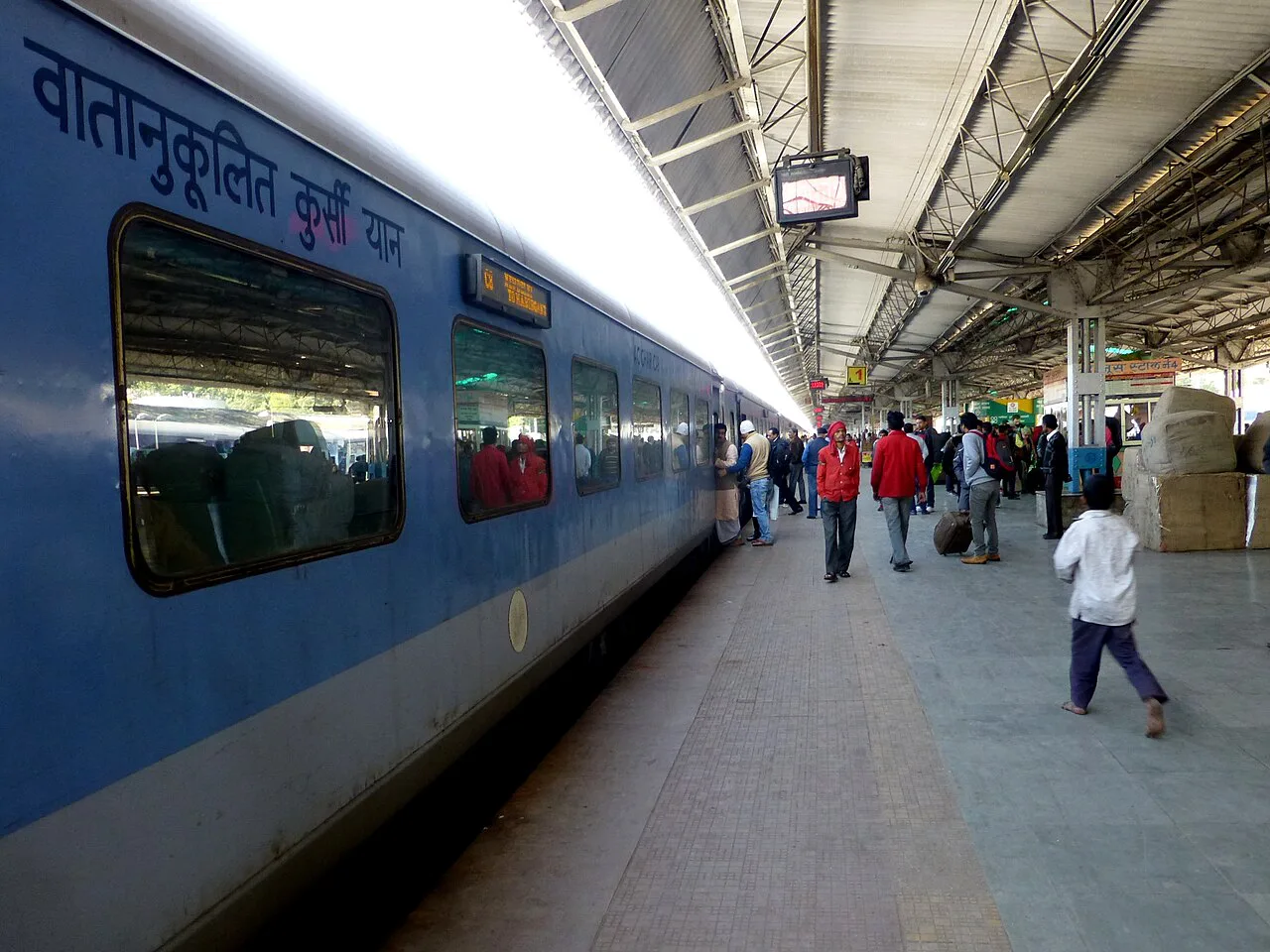
Last updated November 2026: Indian Railways classes run from unreserved benches to fully enclosed AC cabins, and most visitors choose among 3A, 2A, CC and 1A. Your pick depends on journey length, night or day travel, budget and train type. Our hub on 7 Things to Know About Trains in India covers the wider picture.
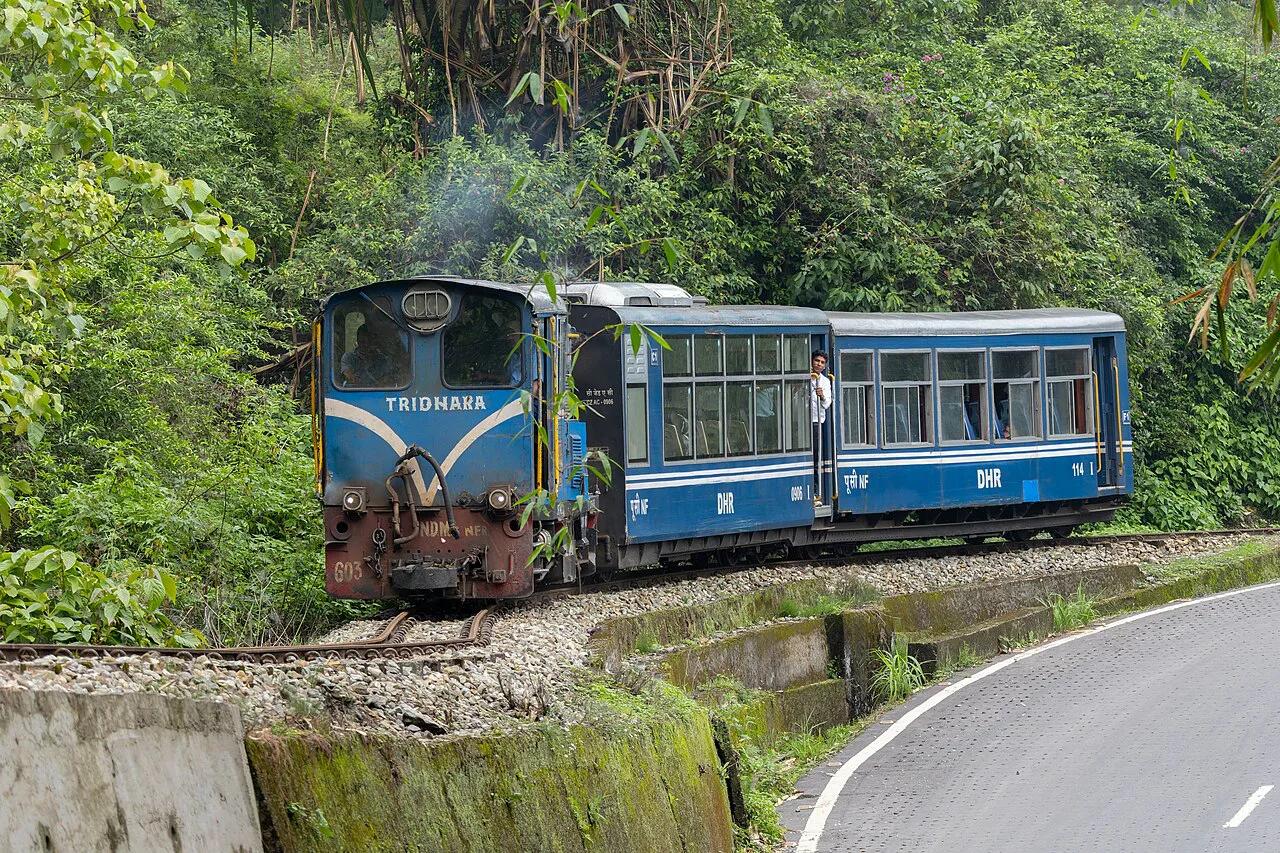
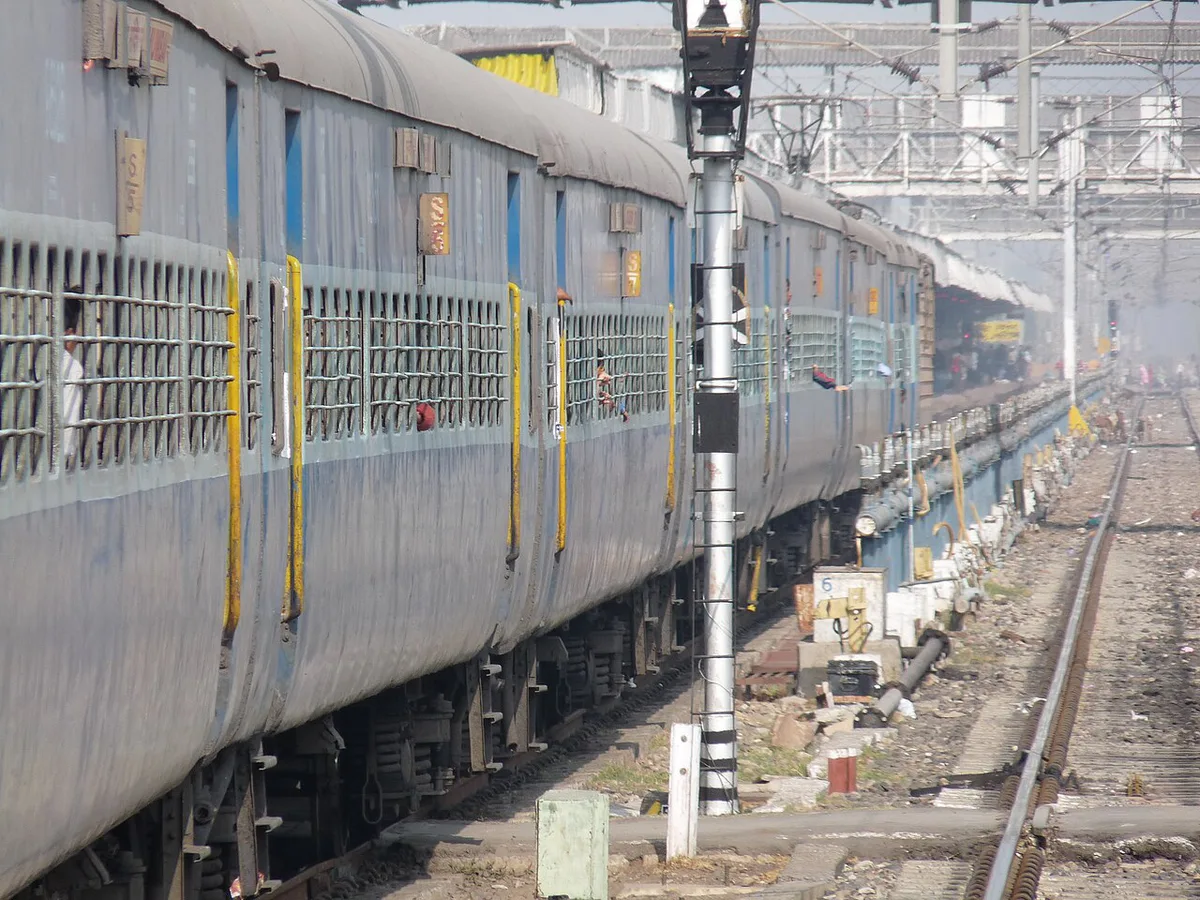
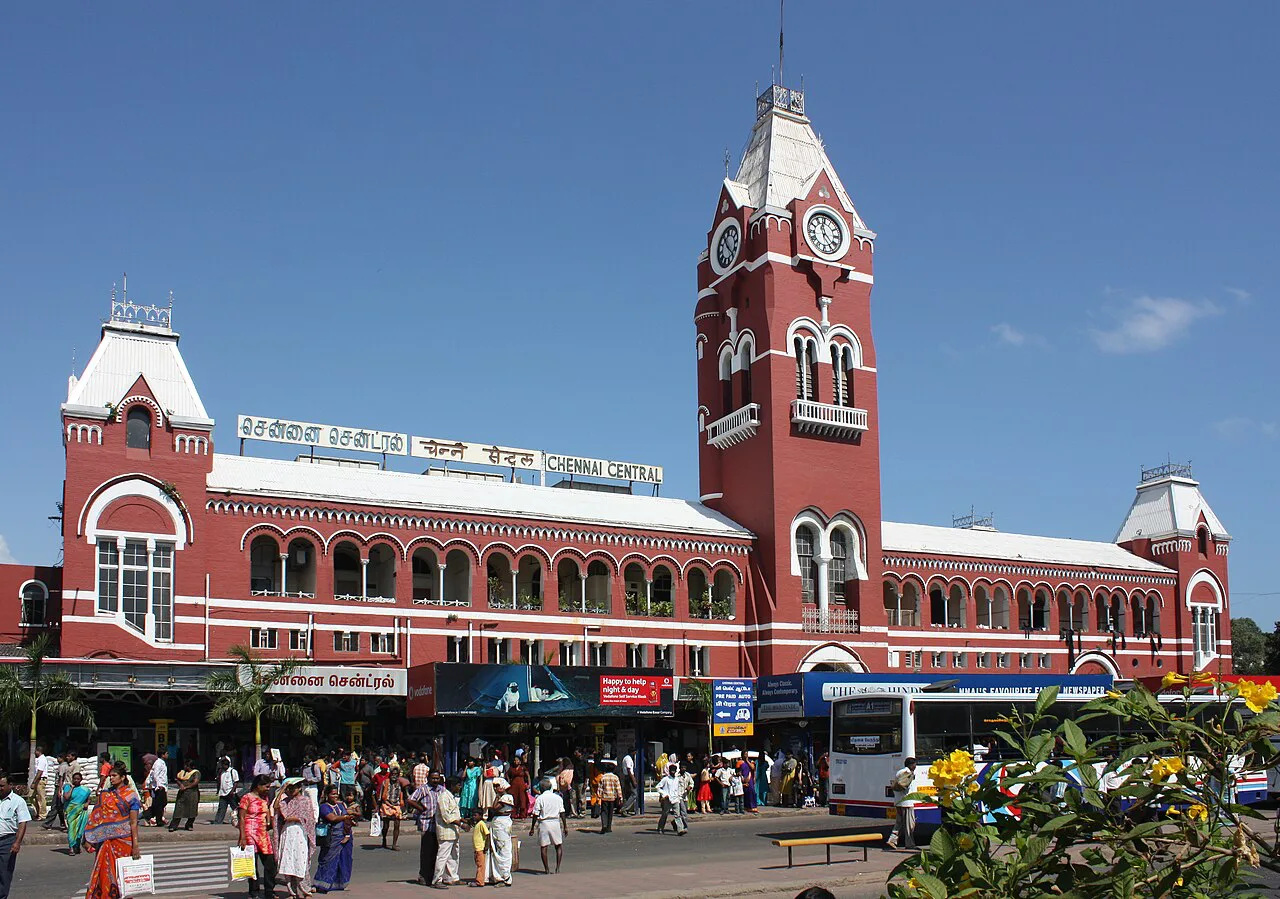
Featured image: தகவலுழவன், CC BY-SA 3.0, via Wikimedia Commons.
Quick answer: the main Indian Railways classes at a glance
Each class has a short code printed on your ticket. Codes describe the coach, not the train. A Rajdhani, a Shatabdi and an ordinary Express each carry only some of these codes. Class lists change by train, and the IRCTC booking site shows which codes yours carries. Descriptions below follow Seat61's India guide, last updated 15 October 2026.
| Code | Full name | AC? | Seating or berths | Reserved? | Best for |
|---|---|---|---|---|---|
| 1A | First AC | AC | 2- and 4-berth lockable compartments, bedding provided | Reserved | Privacy, overnight comfort |
| 2A | Two-tier AC | AC | Open bays of two-tier berths, bedding provided; curtains were removed during Covid and may still be missing | Reserved | Overnight trips with a mid-range budget |
| 3A | Three-tier AC | AC | Three-tier berths, bays of six, bedding provided | Reserved | Best all-round overnight value |
| 3E | Three-tier AC economy | AC | Three-tier berths, on select trains | Reserved | Budget AC travel where offered |
| CC | AC chair car | AC | AC seats in a 2+3 layout | Reserved | Daytime intercity trips |
| EC | Executive chair car | AC | AC seats in a 2+2 layout, pre-packaged food in the fare; on Shatabdi, Vande Bharat and Tejas trains | Reserved | Premium day travel |
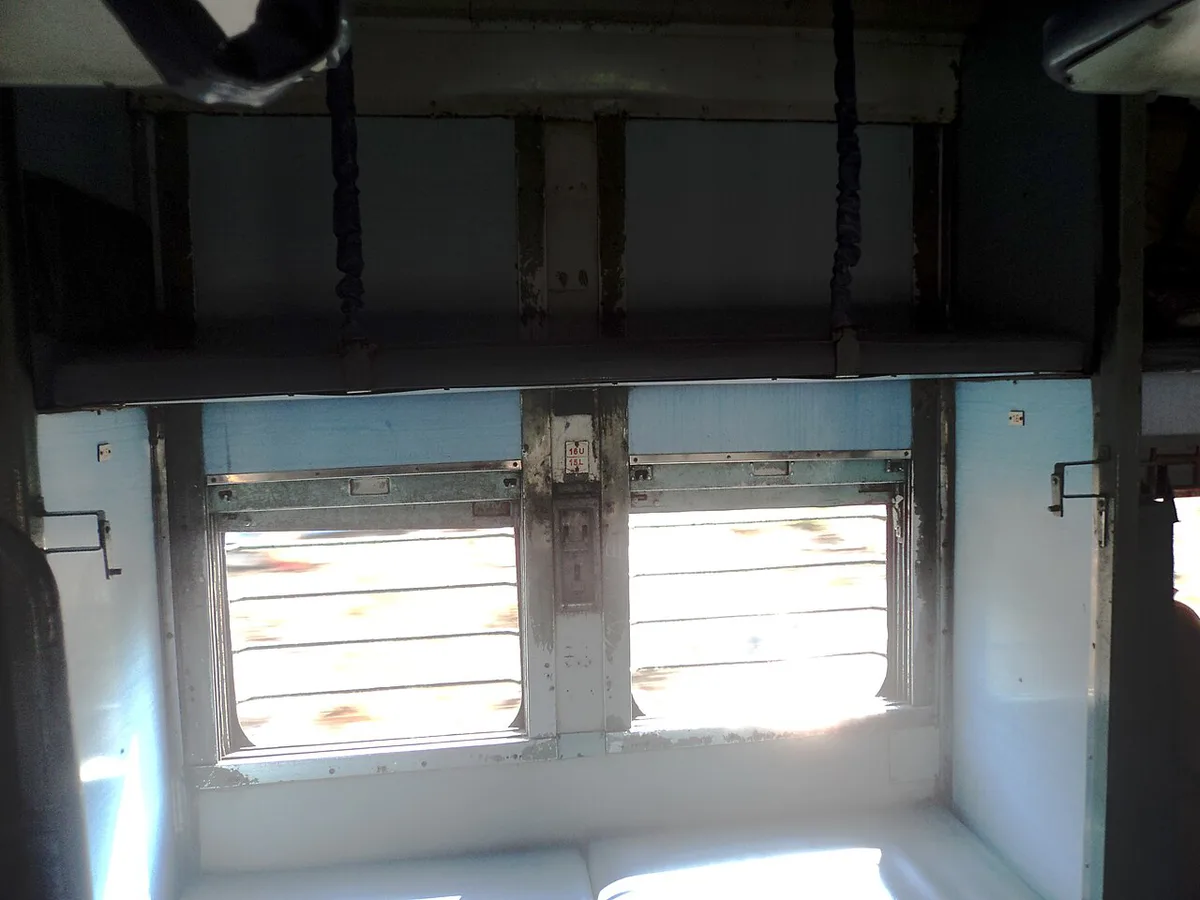
| SL | Sleeper | Non-AC | Three-tier berths, open windows, no bedding | Reserved | Tight budgets, longer trips |
| 2S | Second sitting | Non-AC | Reserved non-AC seats, padded on better trains | Reserved | Short daytime hops |
| UR/GEN | General unreserved | Non-AC | Unreserved seating that Seat61 calls a scrum | Unreserved | Short trips only |
Which class should you book?
Start with the hours on board. Work outward from there to budget, privacy and how much you want to carry. Use the list below as a quick filter.
- Overnight, 8 hours or more: choose a berth class (3A, 2A or 1A) over a chair car.
- Daytime and short: CC is usually enough.
- Tight budget and relaxed about crowds: SL beats UR/GEN for anything long.
- Heat, dust, monsoon or winter fog: AC coaches keep windows shut and the air steadier.
- Solo women and families: 2A, 3A and 1A give more enclosed space, though no class guarantees anything.
- Heavy bags: AC and Sleeper coaches store luggage differently, so read the luggage rules first.
Sleeper vs AC classes: the trade-offs
SL is the cheapest reserved berth. Windows open, the air is warm and dust blows in. Crowding builds fast when waitlisted or unreserved passengers fill the aisle. Our guide to sleeper class in India covers the experience in detail. AC classes close the windows and cut the noise. Curtains in 2A and 1A add privacy. For a direct comparison of the two most popular berths, see 3AC versus 2AC. Travellers who want a closed door should read about first class AC.
Day trains vs night trains
Day trains lean on chair cars. Shatabdi services and Vande Bharat trains sell CC, and some also sell EC. Night trains sell berths. Rajdhani and Duronto services focus on AC berth classes, while ordinary Express and Mail trains add SL and often 2S or UR/GEN. This is why a class code is not a train product. Fares differ by train type. Seat61's sample one-way fares from Delhi: to Agra, Shatabdi EC Rs 950 and CC Rs 455, or on a regular train 2A Rs 760, 3A Rs 555 and SL Rs 175; to Mumbai on a regular train 1A Rs 3,955, 2A Rs 2,335, 3A Rs 1,630 and SL Rs 620.
Night trains sell berths, so a journey of 8 hours or more is where a sleeper or AC berth earns its fare over a chair car.
Booking the class you want
Open an account first. Our guide to an IRCTC Account for Foreigners: Register, Verify & Book (2026) walks through registration. Bookings open 60 days ahead for most long-distance trains. About 200 trains hold a foreign tourist quota in classes such as 1A, 2A or CC, at slightly higher fares. For the full process, read how to book train tickets. Ticket status shows as CNF (confirmed), RAC (reserved against cancellation) or WL (waitlist). RAC lets you board and be given a berth. A waitlisted ticket is no use unless promoted before charting, so read how waitlists work before trusting one. Last-minute seats open through Tatkal Booking in India: How It Works for Visitors at 10:00 one day before departure, with a fee of 10% of the fare in 2S and 30% in other classes; online Tatkal has needed an Aadhaar-authenticated account since 1 July 2025, so foreign visitors buy at a counter or through an agent. The Indian Railways official site publishes the rules.
Practical logistics by class
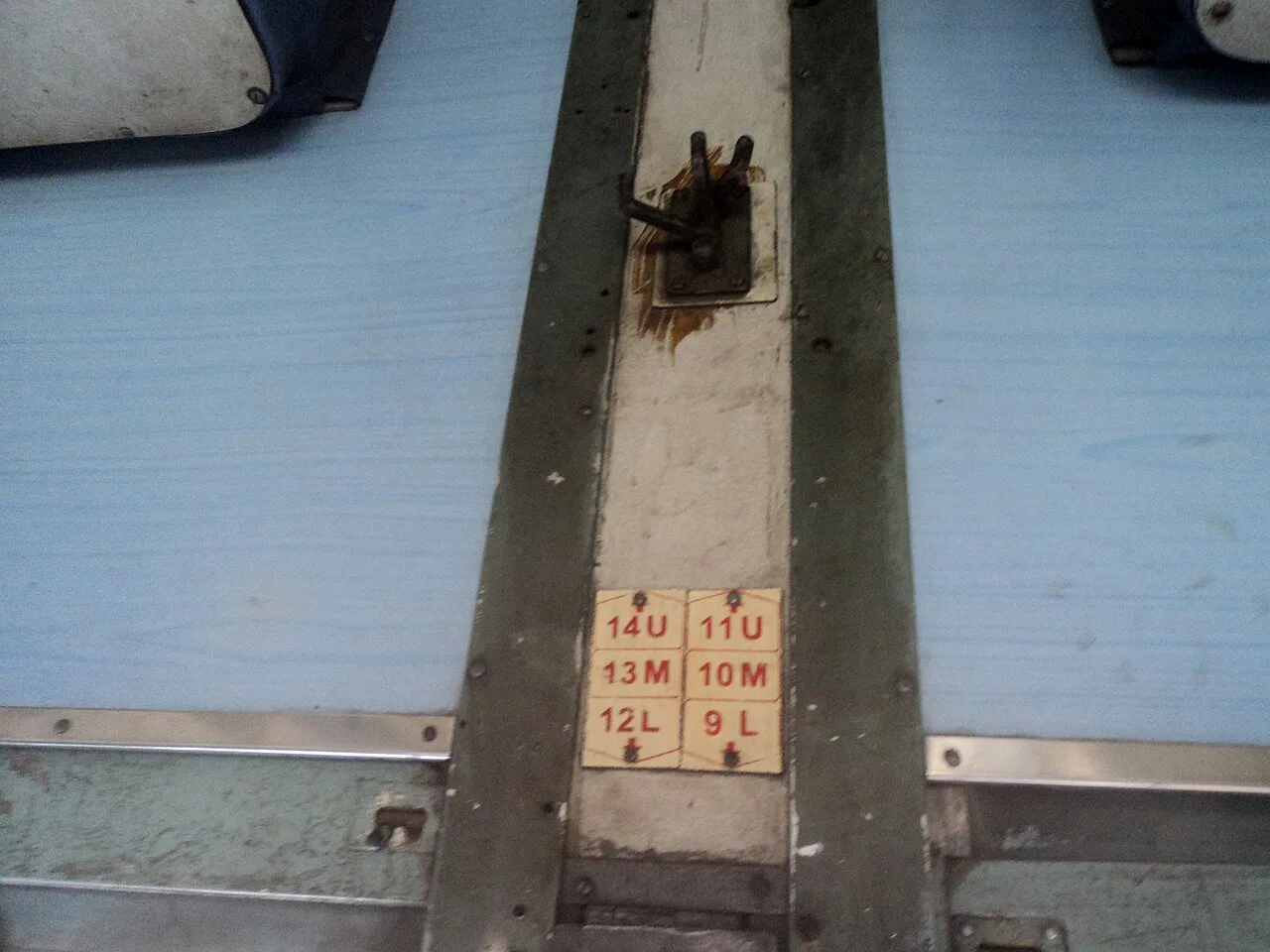
Bedding comes with 1A, 2A and 3A but not with SL. Most AC sleeper cars have shaver sockets and many trains have outlets for phones and laptops. Berth etiquette is simple. Lower berths often act as shared seats by day. Middle-berth sleepers fold the backrest down at night, and upper-berth passengers usually climb up when others agree. Keep valuables on your body overnight. Free luggage allowances are 70 kg in 1A, 50 kg in 2A, 40 kg in 3A, CC and SL, and 35 kg in 2S; see the luggage allowance rules. For meals, see Food on Indian Trains: What to Eat, Order & Pack. Meals are included on Rajdhani and Shatabdi trains. You can also order through IRCTC e-catering.
Cost and value trade-offs
From cheapest to priciest, expect UR/GEN, 2S, SL, 3E, 3A, CC, 2A, EC and 1A, though chair-car fares can overlap with berth fares on some trains. Seat61 puts 1A at about twice 2A, and Shatabdi EC at about twice CC. IRCTC shows the exact fare for your date. Children aged 5 to 11 pay the adult fare if they have their own berth. Visitors planning many long journeys pay per ticket in every class: the Indrail Pass was discontinued in 2017.
Common mistakes to avoid
A few errors cause most of the trouble.
- Booking unreserved on a long overnight route.
- Assuming every train sells every class.
- Ignoring waitlist odds on a tight connection.
- Confusing 3A with 3E, which is a separate economy AC product on select trains.
- Picking a chair car for a sleep-through-the-night journey.
- Buying a class the train does not carry.
Frequently Asked Questions
How many classes are there in Indian trains?
Most journeys use nine codes. Reserved AC options are 1A, 2A, 3A, 3E, CC and EC. Non-AC options are SL, 2S and unreserved UR/GEN. Which of these a train sells depends on the train.
Which is better, EC or CC?
EC is the premium chair car and CC is the standard AC chair car. EC is only on select trains. On Seat61's Delhi to Agra Shatabdi sample, EC costs Rs 950 against Rs 455 for CC, and the EC fare includes pre-packaged food.
Notes on Asia's railways
Optional updates when we revise our train and route guides.
You might also like
Continue reading
More guides you'll find useful