Vande Bharat Sleeper: Routes, Fares, Status and How It Compares
Vande Bharat sleeper explained: current status, routes, berth classes, fares and how it compares with Rajdhani and other overnight trains.
On this page
Last updated November 2026: the Vande Bharat sleeper is the overnight, berth-equipped version of India's flagship semi-high-speed train. its first commercial service, Howrah to Kamakhya, began in January 2026, and three routes now run. Railways Minister Ashwini Vaishnaw described it in the Lok Sabha on 1 August 2024 as a train for journeys beyond 700-1000 km. For the first route the Railway Board allowed only confirmed tickets, with no RAC.
Featured image: Rsrikanth05, CC BY-SA 4.0, via Wikimedia Commons.
Vande Bharat Sleeper At A Glance
A Vande Bharat sleeper swaps the daytime chair car of the standard Vande Bharat Express: Routes, Booking And How It Compares for lie-flat berths. Its target is the long overnight run where a seat would be tiring. Minister Vaishnaw put the intended range at 700-1000 km and beyond, and the three routes in service run 759 to 1,113 km. For wider context on fast Indian trains, start with our high-speed trains in India hub.
- What it is: a sleeper-berth train in the Vande Bharat family, built for overnight travel.
- Intended distance: beyond 700-1000 km, per the Minister's 2024 statement.
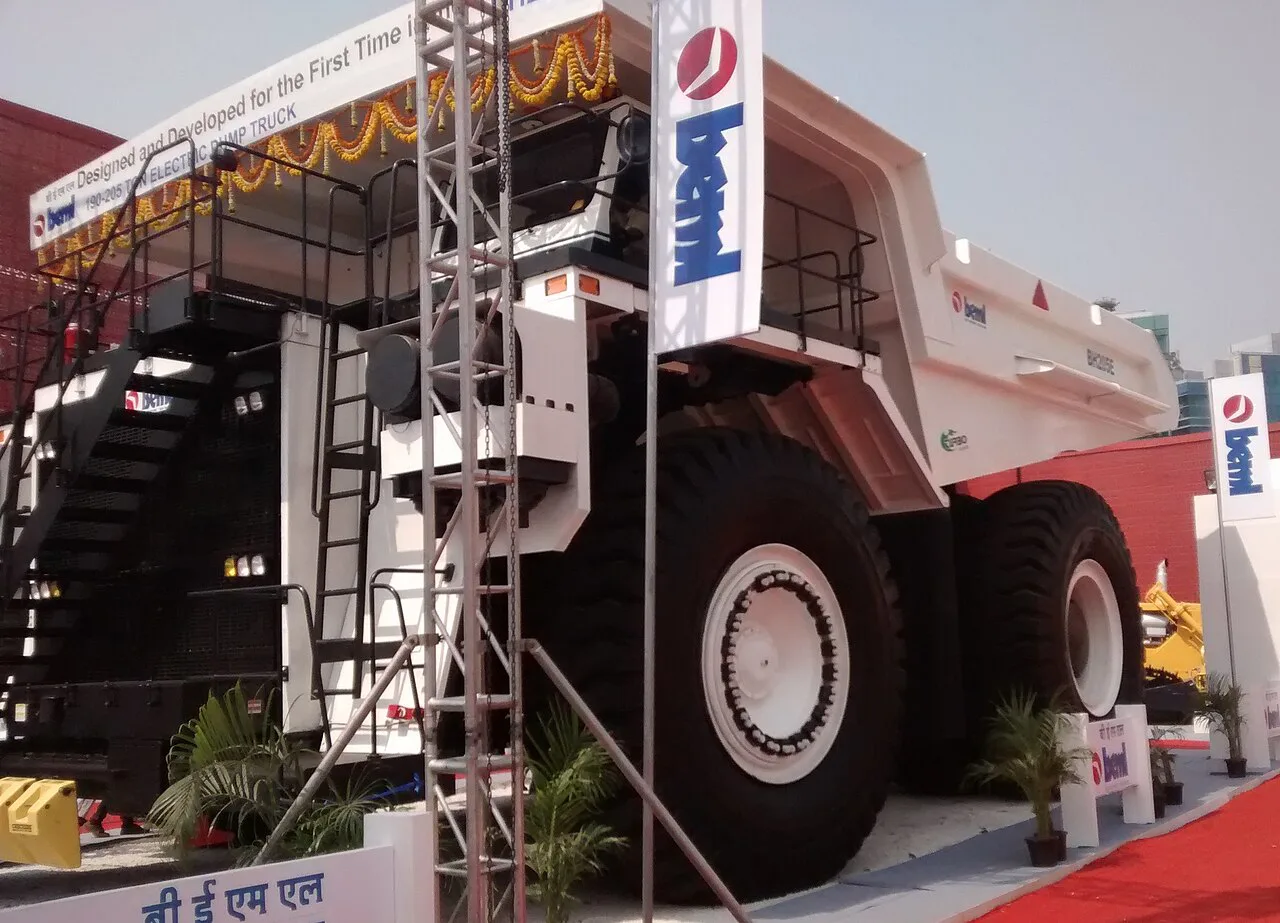
- Builder: BEML rolled out the first prototype in September 2024, and the sets are built with Integral Coach Factory designs.
- Booking: through IRCTC; confirmed tickets only on the first route.
Current Status And What Is Confirmed
The first commercial service, Howrah to Kamakhya (27575/76), started on 17 January 2026 and carries about 14 hours of travel over 968 km, six days a week. Two more routes followed in autumn 2026: Varanasi to New Delhi (27421/22), flagged off on 31 October with regular service from 2 November, and SMVT Bengaluru to Mumbai CSMT (27651/52), flagged off on 1 November. Dates and train details come from Wikipedia and news reports of the flag-offs. Indian Railways has said it plans 12 sleeper trains by March 2030, and a Delhi to Amritsar route was announced in February 2026 but is not running. The Press Information Bureau carries the official announcements.
- Howrah–Kamakhya: 968 km, about 14 hours, departs Howrah 18:20, six days a week.
- Varanasi–New Delhi: 759 km, 9 h 20 min, departs Varanasi 20:50, six days a week.
- Bengaluru–Mumbai: 1,113 km, about 16 hours, departs SMVT 19:45, six days a week, not Mondays.
- Planned, not running: Delhi to Amritsar.
Classes, Berths And Onboard Features
Each 16-coach set has 823 berths: one 1AC coach (24 berths), four 2AC coaches (188) and eleven 3AC coaches (611), per Wikipedia. There is no sleeper (SL) class and no chair car; our guide to Indian Railways classes explains each grade. Onboard features include charging outlets, reading lights, CCTV, automatic doors, bio-vacuum toilets and Kavach train protection, and catering with vegetarian and non-vegetarian options is served on board.
The coaches come from the Indian Railways manufacturing network, and the Integral Coach Factory publishes information on coach types it builds. Upper and lower berths are both available, and lower berths go first to men aged 60 and over and women aged 45 and over, subject to availability.
- Classes sold: 1AC, 2AC and 3AC only.
- Maximum operating speed: 110 km/h on Howrah–Kamakhya and 130 km/h on the other two routes.
- Existing quotas for women, disabled passengers and senior citizens continue.
Fares And How To Book
The base fare is charged per kilometer: ₹2.40 in 3AC, ₹3.10 in 2AC and ₹3.80 in 1AC, with GST on top and a 400 km minimum, according to The Quint on 12 January 2026. That puts Howrah to Kamakhya near ₹2,400, ₹3,100 and ₹3,800 before GST. Reports on the Bengaluru to Mumbai launch listed ₹2,810 in 3AC, ₹3,630 in 2AC and ₹4,450 in 1AC (OneIndia). Fares are higher than the same class on a Rajdhani Express: Routes, Classes, Meals & Value, and the train is not on dynamic pricing.
Book through IRCTC, the official ticketing site and app. All berths open on the first day of the advance reservation period, which is 60 days for most long-distance trains, and tickets are bought digitally. On the first route the Railway Board said "only confirmed tickets shall be issued", so there is no RAC and no Tatkal. On the Bengaluru to Mumbai launch, IRCTC showed waitlist entries for early November dates and 1AC sold out within days of booking opening, so book as early as the window opens and do not plan to board on a waitlisted ticket. Foreign visitors book like any other IRCTC user (see the account guide). Cancellation charges are stricter than on ordinary trains, and one report says a confirmed ticket cancelled within eight hours of departure loses the full fare.
Vande Bharat Sleeper vs Rajdhani, Duronto And Daytime Vande Bharat
Use this table to place the sleeper among trains you may already know. Fares are per-kilometer on the sleeper and vary by pair on the others.
| Train | Best fit | Day or night | Class type | Fare level |
|---|---|---|---|---|
| Vande Bharat sleeper | Beyond 700-1000 km | Overnight | 1AC, 2AC and 3AC berths | Above Rajdhani in the same class |
| Rajdhani Express: Routes, Classes, Meals & Value | Capital to major city overnight | Mostly overnight | AC berths, catering included | Benchmark premium fare |
| Duronto Express Explained: Routes, Fares and Who It Suits | Few-stop long distance | Often overnight | Mix of AC and non-AC berths | Varies by class |
| Daytime Vande Bharat | Day trips of a few hours | Day | Chair cars only | Lower than the sleeper |
Who Should Book It, And Who Shouldn't
Book the sleeper if your route sits in the 700-1000 km-plus range and you want to sleep through the journey. It suits travellers who would otherwise choose a Rajdhani berth and want a newer train. Skip it if the route is under about 500 km, where a daytime chair-car train is simpler. Skip it too when a Rajdhani or Duronto already runs at a better time for you, or when you want a Tatkal fallback, since the sleeper has none.
Routes under about 500 km suit a daytime chair car, but the sleeper targets journeys beyond 700-1000 km.
Common mistakes are easy to avoid:
- Assuming design speed equals running speed. Track limits decide your real journey time.
- Booking on a route that is only announced, such as Delhi to Amritsar, which is not running.
- Ignoring the arrival hour. An early-morning arrival can leave you waiting for hotel check-in.
- Comparing fares across different classes.
Practical Tips: Boarding, Arrival Times, Cancellations
The Varanasi to New Delhi train arrives at 06:10 and the Bengaluru service reaches Mumbai CSMT at 11:55, so book your first-morning transfer in advance. Pack one carry-on you can lift to an upper berth.
There is no RAC or Tatkal on this train, and a waitlisted ticket is a long shot (see the waitlist guide). Cancellation charges depend on class and how close to departure you cancel, so read the refund terms on IRCTC before paying for a fare you may need to change.
Related Indian Trains
For a daytime intercity alternative, look at the Shatabdi Express: Routes, Classes and Booking Guide. Premium options include the Gatimaan Express: Timetable, Classes and Same-Day Taj Mahal Guide and the Tejas Express: Routes, Fares & How It Compares (2026). For short regional trips, Namo Bharat Train Guide: Route, Fares, Timings and Stations serves a different purpose. The Mumbai-Ahmedabad bullet train is a separate high-speed project, and neither is an overnight option. For project details, see the NHSRCL official site.
Frequently Asked Questions
Where does the Vande Bharat sleeper train run?
Three routes run as of November 2026: Howrah to Kamakhya since January 2026, Varanasi to New Delhi since 31 October 2026 and Bengaluru to Mumbai since 1 November 2026. Delhi to Amritsar is announced but not running.
Is Vande Bharat faster than Rajdhani?
Not by much. The sleeper averages 81 km/h on Varanasi to New Delhi and 70 km/h on Bengaluru to Mumbai, while Rajdhani averages run 58 to 88 km/h on a 130 km/h maximum. Compare scheduled times for your own route on IRCTC.
Notes on Asia's railways
Optional updates when we revise our train and route guides.
You might also like
Continue reading
More guides you'll find useful