
Getting Around Nepal: Buses, Flights, Cars & Routes Compared
How to get around Nepal by bus, flight, car or jeep. Compare time, cost and weather risk on the main tourist routes, with a route table.
On this page
Last updated November 2026: getting around Nepal is a choice between road and air, and neither wins on every route. Tourist buses and private cars cover most tourist corridors, while flights save a day on mountain legs. Weather is the price of flying, so we build buffer days into every plan.
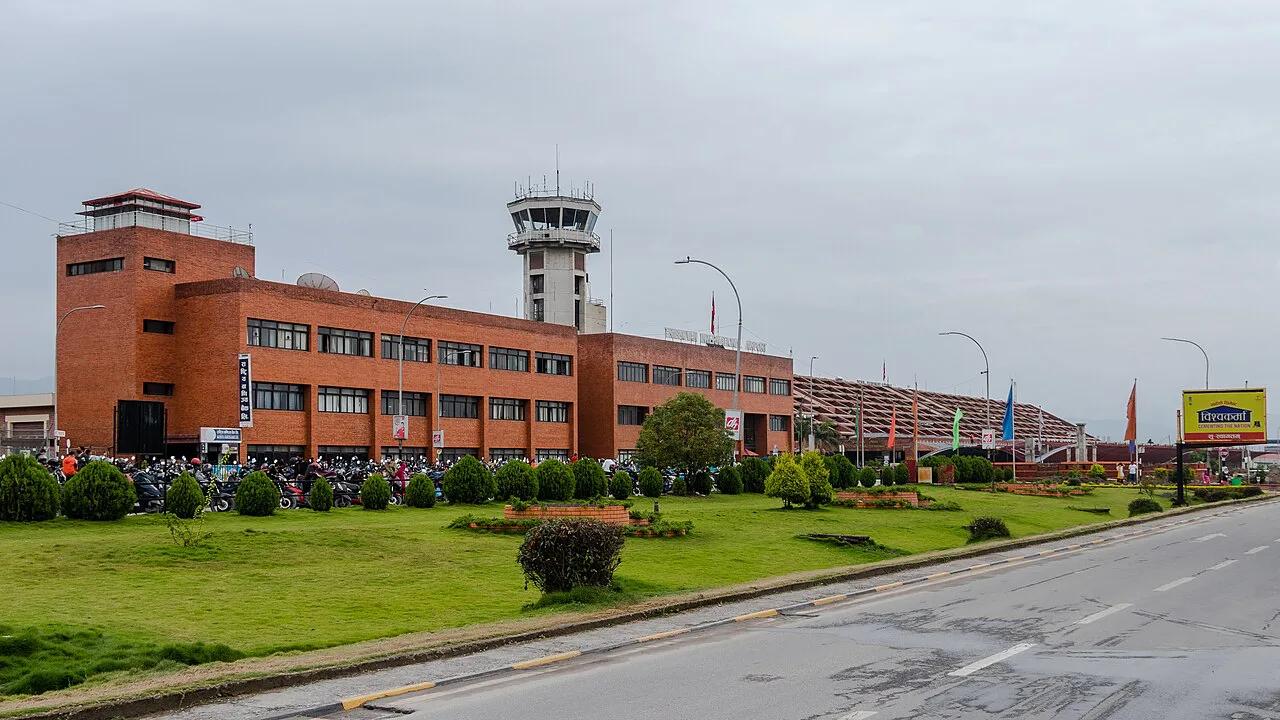
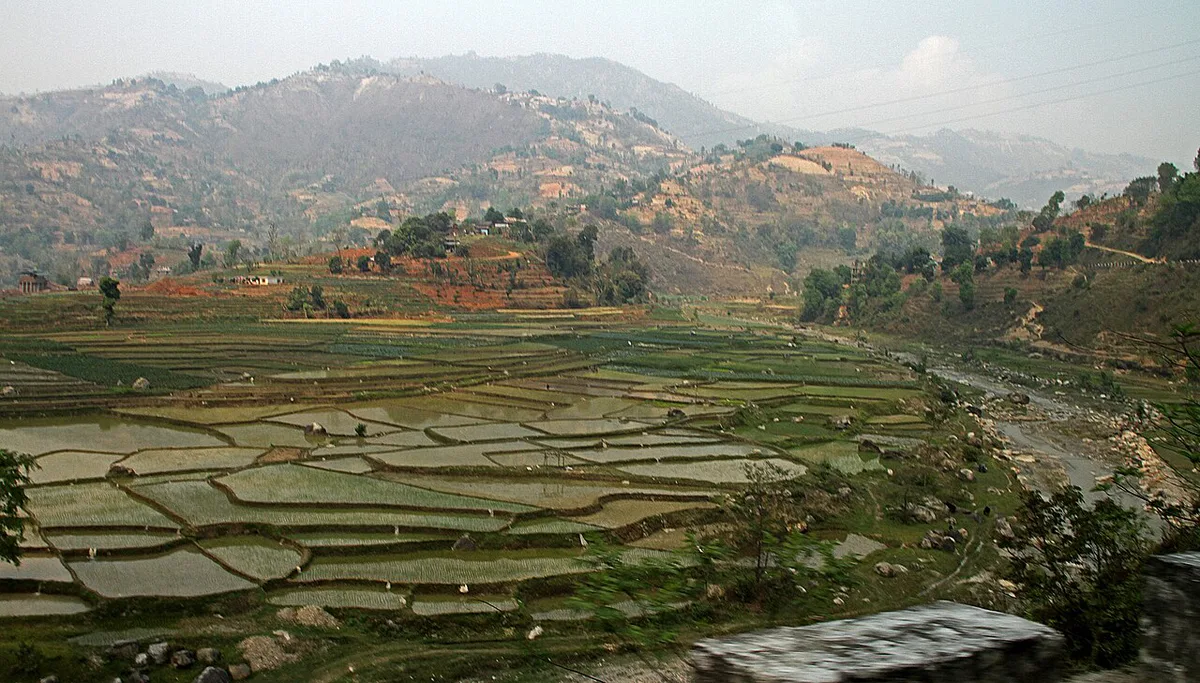
Featured image: Bijay Chaurasia, CC BY-SA 4.0, via Wikimedia Commons.
Quick Answer: How to Get Around Nepal
Nepal has no single best way to travel. Tourist buses suit the Kathmandu, Pokhara, Chitwan and Lumbini circuit, with journeys of roughly 6–8 hours. Private cars and jeeps cost more but let you set the departure time. Domestic flights save the most time, yet weather delays and cancellations are common. Local buses are the cheapest and slowest option. Taxis and ride-hailing apps handle city hops. Our rule is simple: go by road on lowland routes, and fly only when a mountain leg would eat a full day. Keep 1–2 buffer days around any flight.
Nepal Transport Options Compared
Use this table as a first filter before reading the mode-by-mode notes. Cost levels are relative, not quotes, because fares shift by season and operator.
| Mode | Typical use | Cost level | Best for | Main risk |
|---|---|---|---|---|
| Domestic flight | Kathmandu–Pokhara, Kathmandu–Lukla, Pokhara–Jomsom | High | Short on time, mountain routes | Weather delays and cancellations |
| Tourist bus | Kathmandu, Pokhara, Chitwan, Lumbini | Low to mid | Solo travelers, first-timers | Long day, road conditions |
| Private car or jeep | Any road route | Mid to high | Families, groups, photo stops | Cost, night driving if rushed |
| Local bus or micro van | City-to-city and remote roads | Low | Tight budgets, flexible schedules | Crowding, fixed seats rare, fast driving |
| Taxi or ride-hailing | Kathmandu and Pokhara | Low to mid | Short city trips | Unmetered fares, negotiation |
| Motorbike or scooter | Valley and lakeside rides | Low to mid | Experienced riders only | Traffic and road accidents |
| Helicopter | Remote treks, rescue | Very high | Tight schedules, emergencies | Weather, cost |
How to Choose: Budget, Time, Comfort, Season
Start with the constraint you cannot move. For most visitors that is the number of days, not money. A tourist bus costs little but uses a whole day, while a flight costs more and returns that day. Season matters too, because March–May and September–November are the high seasons. Flights, buses and private vehicles fill up then, so book ahead.
- Budget: local buses and tourist buses are lowest; flights and helicopters sit at the top.
- Time: fly mountain legs, drive lowland legs.
- Comfort: pick deluxe or VIP buses, or hire a private car.
- Season: expect fuller vehicles in spring and autumn, and slides on roads in monsoon months.
- Group size: three or four people often make a private car competitive with separate bus seats.
- Risk tolerance: skip motorbikes and night travel if you want the lowest road risk.
Domestic Flights: Fast, But Weather-Dependent
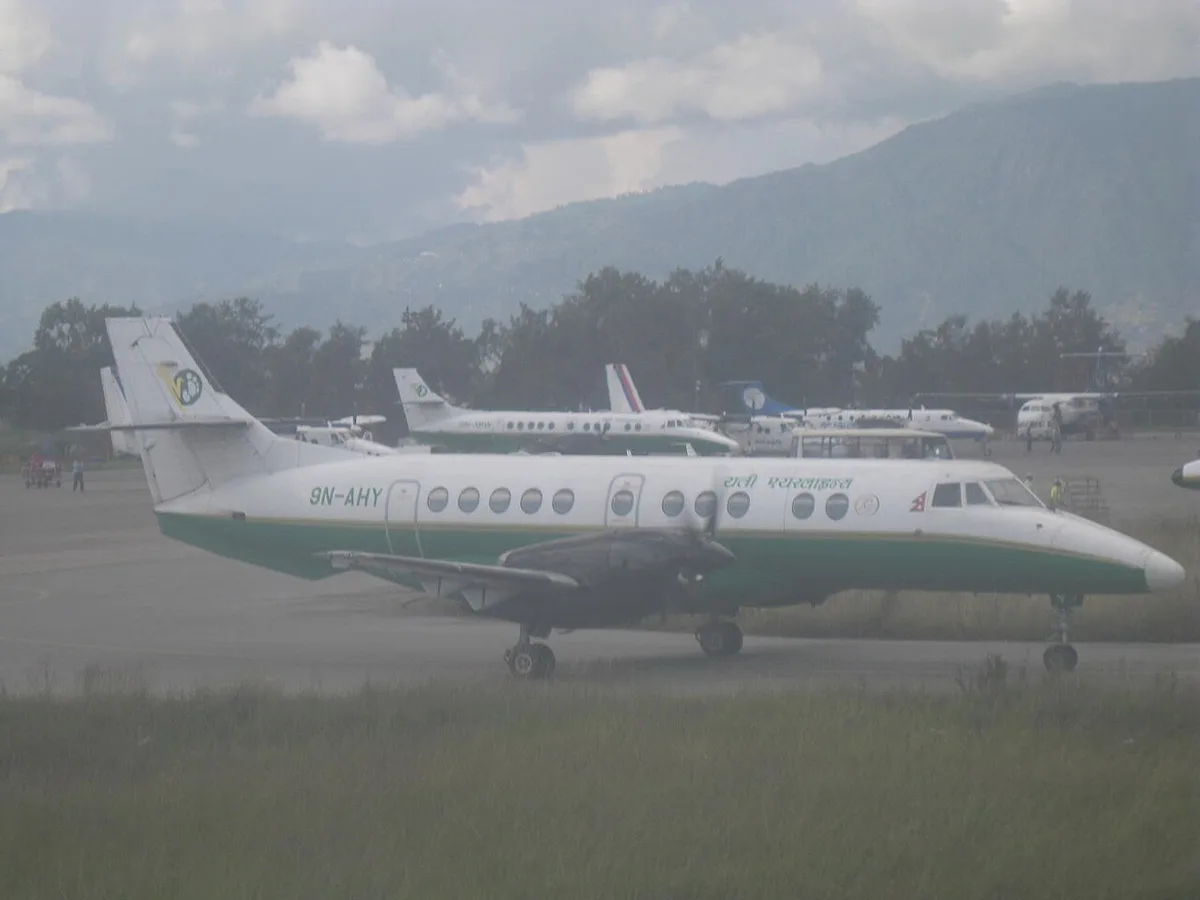
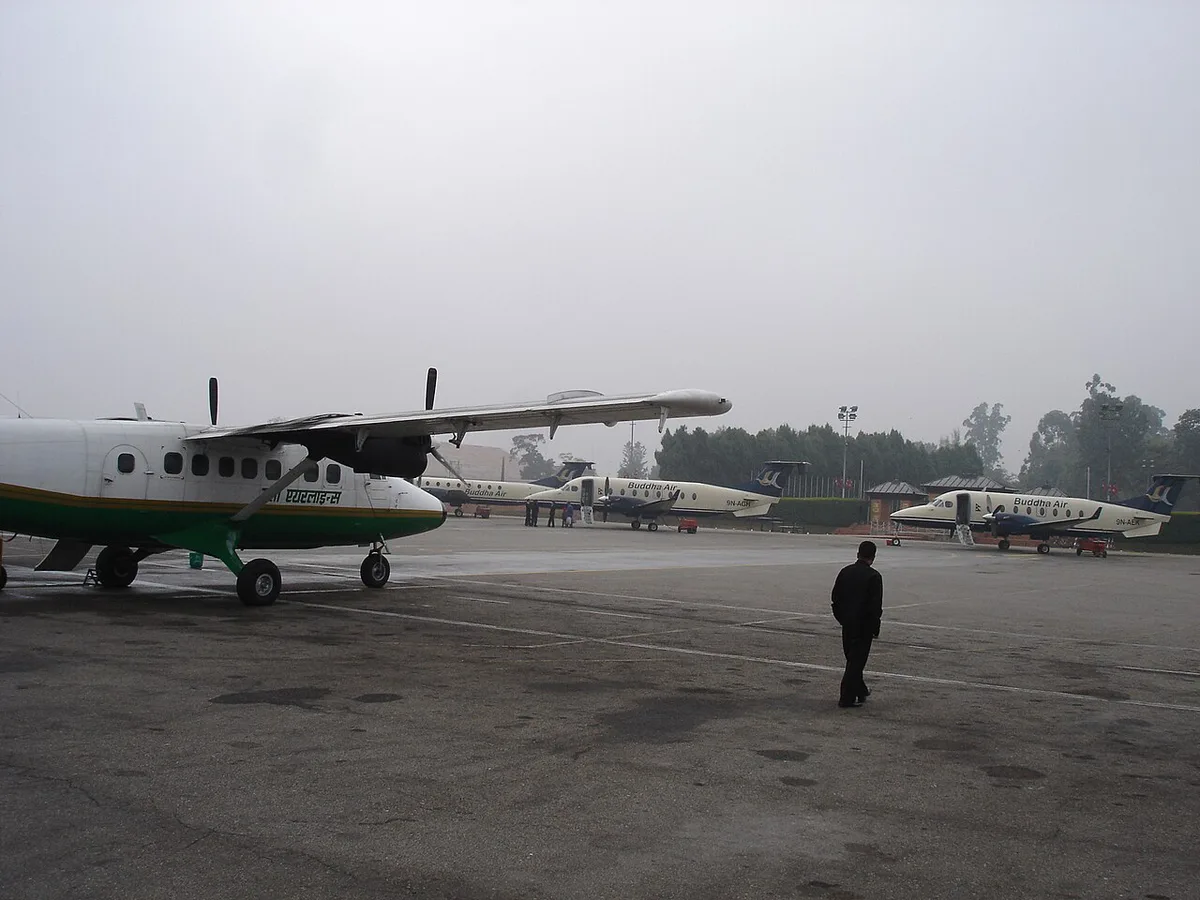
Common domestic routes are Kathmandu–Pokhara, Kathmandu–Lukla, Pokhara–Jomsom and Kathmandu–Nepalgunj. Tribhuvan International Airport in Kathmandu is the main hub, and Gautam Buddha airport serves the Lumbini side. Flights are often delayed or cancelled by weather, especially to mountain airstrips. In the spring and autumn peaks most Lukla departures leave from Manthali (Ramechhap), a long early-morning drive east of Kathmandu, and Ekantipur reported Manthali flights rising from the start of the 2026 autumn season. Airport notices come from the Civil Aviation Authority of Nepal. We would never schedule a Lukla flight on the last day before an international departure. Leave 1–2 spare days instead.
- Step 1: Ask the airline for the next available seat the same day.
- Step 2: If nothing is free, ask for a rebooking or refund in writing.
- Step 3: Compare the road alternative for that route.
- Step 4: Tell your guesthouse and any trek guide about the new date.
- Step 5: Read your travel insurance for delay and evacuation cover.
Tourist Buses and Shared Vehicles
Tourist buses link Kathmandu, Pokhara, Chitwan and Lumbini in roughly 6–8 hours. Departures are usually in the morning, at about 6–7 AM. Most have air-conditioning, with deluxe and VIP tiers above the basic coach. Comfort varies a lot, so we'd pay for the upper tier on any journey that fills most of a day. See our tourist bus schedules and tiers for seat choice and booking. Shared jeeps run on routes where buses are sparse, and they leave when seats fill.
Buses leave around 6–7 AM, which fits the rule to avoid starting a long bus ride after midday.
Private Cars, Jeeps and Local Buses
Private cars and jeeps suit families and groups. You control the start time and can stop at viewpoints, and a driver handles the hard mountain roads. Local buses and micro vans serve nearly every corner of Nepal. They are cheap and reach places tourist buses skip. Timetables are loose, and vehicles often leave when full. Drivers can be aggressive on mountain roads. We recommend them only for flexible, experienced travelers with a tight budget.
Taxis, Ride-Hailing and Getting from the Airport
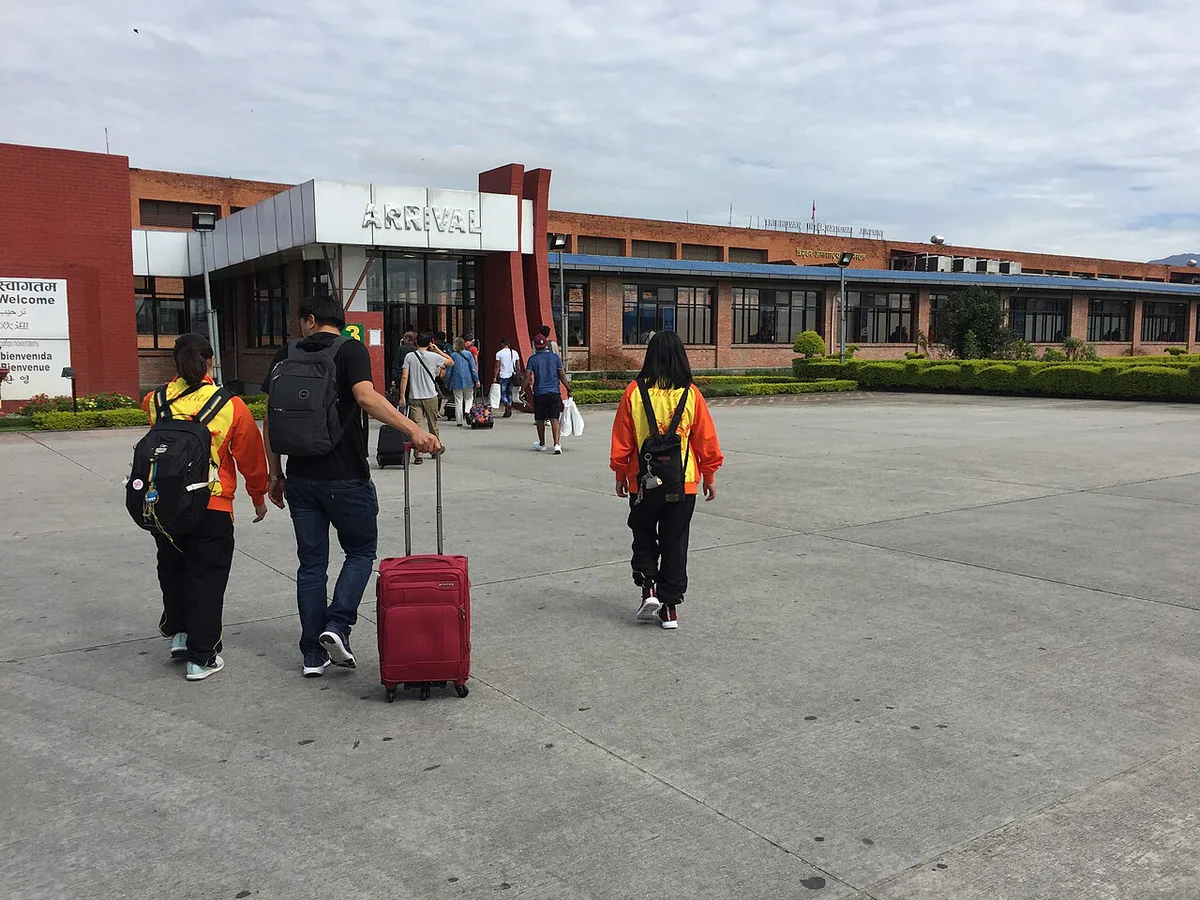
Taxis in Kathmandu and Pokhara are mostly unmetered, so agree the fare before you get in. Fares are not metered and vary with bargaining, so they are not quoted here. Pathao and inDrive are the ride-hailing apps people name, and they tend to show fares up front. You need mobile data to use them, so buy a local SIM at the airport kiosk. Cash is still the norm, and ATMs charge a fee per withdrawal, so withdraw larger amounts less often. Visa rules are set by the Department of Immigration.
Motorbike and Scooter Rentals
Rentals are available in Kathmandu and Pokhara. Scooters cost less per day than Royal Enfield and dirt bikes. Traffic is dense, road rules are loosely followed, and accidents are common. Carry a valid licence, take out insurance, wear a helmet and avoid night rides. We'd rent only if you already ride confidently in mixed traffic.
For one or two short hops a day, a taxi usually costs less than renting a scooter for the day.
Trekking, Helicopters and Remote Access
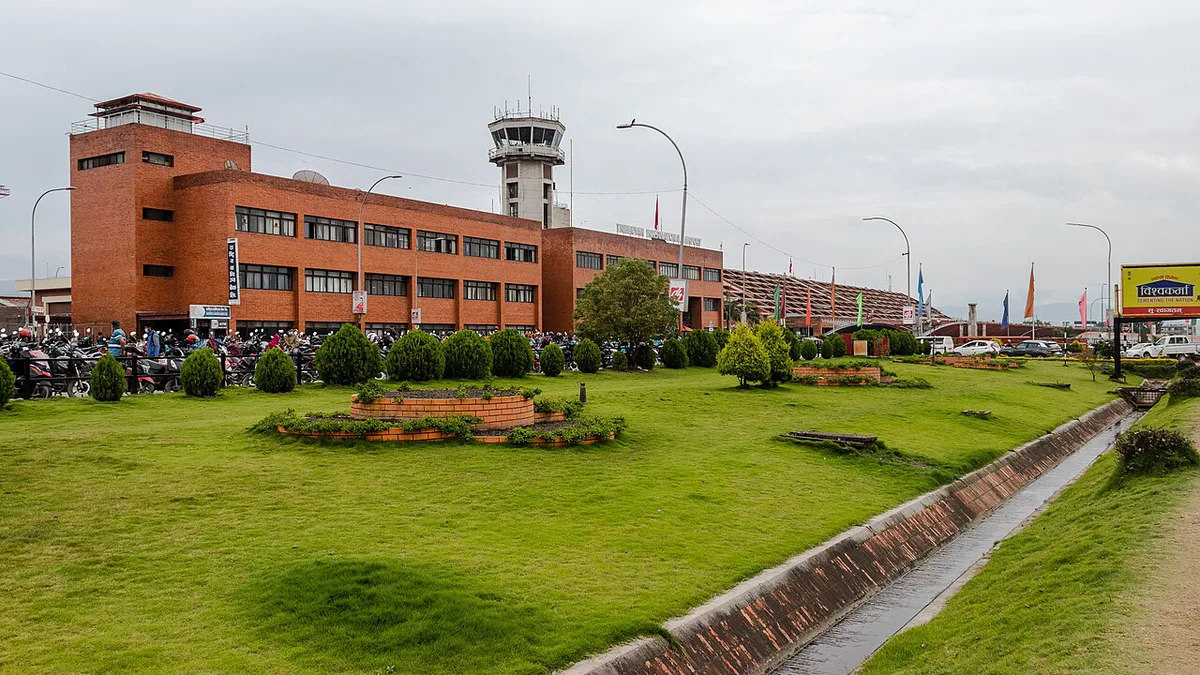
In regions such as Langtang, Manaslu and Everest, roads end and walking takes over. Many villages are reachable only on foot. Helicopters serve remote logistics, scenic flights and emergency evacuation. They sit at the top of the cost range, so make sure your insurance covers evacuation before you trek. For permit rules and official trekking information, start with the Nepal Tourism Board.
Rail: What Exists Today
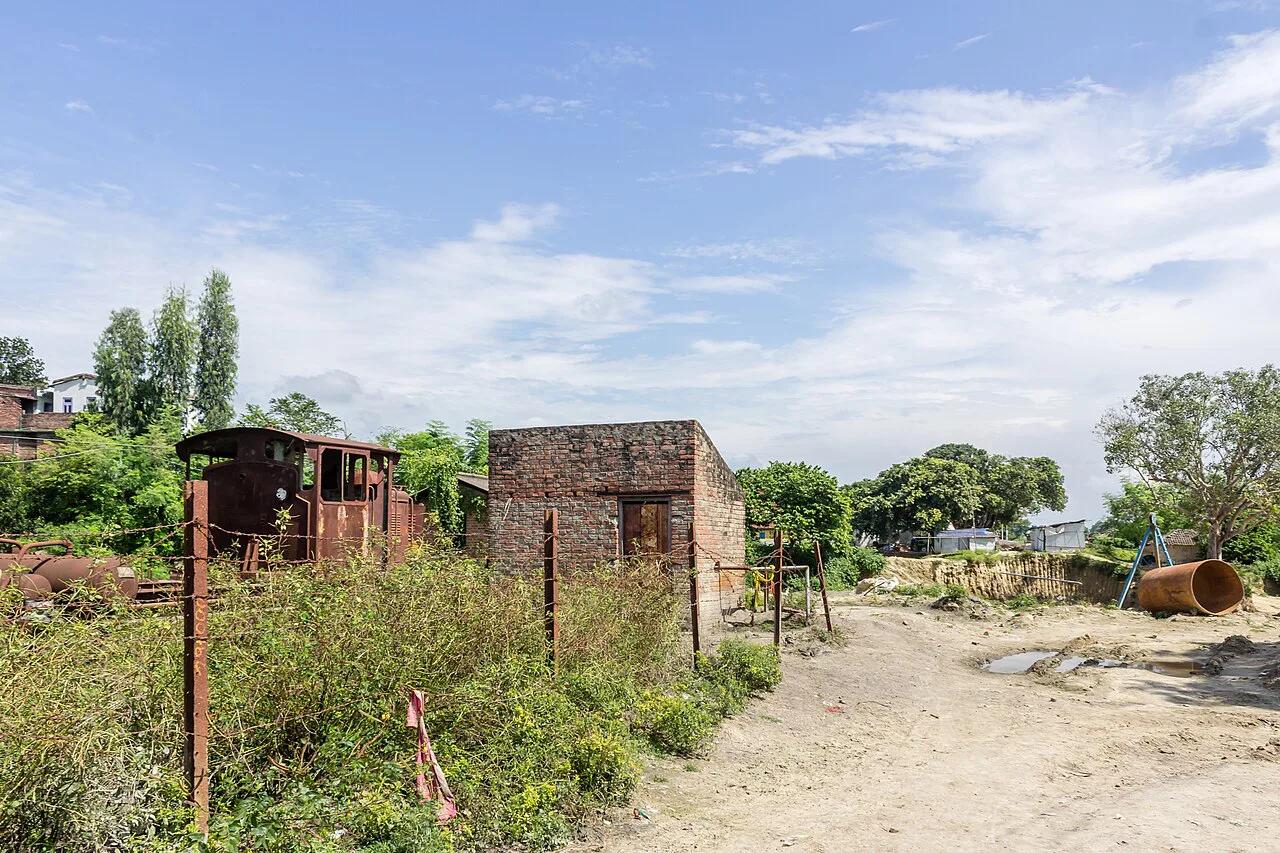
Rail is not yet a main tourist corridor. Nepal's only passenger line runs 52 km between Jaynagar (India), Janakpur and Bhangaha (formerly Bijalpura) in the southeast, on diesel trains operated by Nepal Railway Company. Neither Kathmandu nor Pokhara has a railway. A weekly Janakpur to Ayodhya train run by Indian Railways is expected to be inaugurated on 23 November 2026, according to the Kathmandu Post. Read Nepal's rail status for context.
Route Guide: The Main Tourist Routes
This matrix covers the eight routes most visitors ask about. Times and cost levels are relative. Each row links to the full guide for that route.
| Route | Modes | Typical time | Cost level | Our pick |
|---|---|---|---|---|
| Kathmandu–Pokhara options | Flight, tourist bus, private car | Short flight or a full day by road | Low to high | Tourist bus, flight if short on time |
| Kathmandu–Chitwan options | Tourist bus, private car | Most of a day by road | Low to mid | Tourist bus |
| Pokhara–Chitwan options | Tourist bus, private car | Part of a day | Low to mid | Tourist bus |
| Kathmandu–Lumbini options | Tourist bus, private car, flight to Gautam Buddha airport | Long day by road | Low to high | Flight if time is tight, otherwise bus |
| Pokhara–Lumbini options | Tourist bus, private car | Long day by road | Low to mid | Tourist bus |
| Kathmandu–Nagarkot options | Taxi, private car, local bus | Short ride | Low to mid | Taxi or private car |
| Kathmandu–Bhaktapur options | Taxi, local bus, ride-hailing | Short ride | Low | Taxi or ride-hailing |
| Kathmandu–Lukla options | Flight, helicopter | Short flight, weather-dependent | High | Flight with buffer days |
Crossing Between Nepal and India or Tibet
Overland entry from India is possible, and your entry point depends on where you start in India and where you head in Nepal. Birgunj is one of the entry points. Tibet is different: independent or budget entry is not an option. Our guides cover the main onward routes: Kathmandu to Darjeeling by road. Then read about the Varanasi overland route. For flights and buses to the capital of India, see getting from Kathmandu to Delhi.
Seasons, Monsoon and Buffer Days
Weather drives most transport failures here. In monsoon months, landslides can block roads and fog can ground flights. Plan 1–2 buffer days around any flight and before any fixed departure. High seasons run March–May and September–November. Pre-book flights, tourist buses, private vehicles and helicopters then. Outside those windows, you will usually find more choice, and fewer crowds on the road.
Safety and Mistakes to Avoid
Avoid night road travel. Most highways are unlit, and fatigue and fast traffic raise the risk. For current safety guidance, rely on official sources such as the Nepal Tourism Board and the aviation regulator rather than older anecdotes. These are the errors we see most often.
- Booking a flight with no spare day before an international departure.
- Starting a long bus ride after midday.
- Accepting an unmetered taxi fare without agreeing it first.
- Withdrawing small sums repeatedly and paying a fee each time.
- Renting a motorbike without a licence, insurance or helmet.
- Assuming a road is open during monsoon months.
Frequently Asked Questions
How can I travel to Nepal by road from India?
Overland entry is possible at several border points, and the best one depends on your starting city and destination in Nepal. Birgunj is one example. Read the Darjeeling, Varanasi and Delhi guides above, and use the Department of Immigration for current entry rules.
Can you use Uber in Kathmandu?
Pathao and inDrive are the apps people name for ride-hailing in Kathmandu. They tend to show fares up front, which helps because street taxis are mostly unmetered. We would plan around those two and keep mobile data active.
Is Nepal safe for tourists right now?
Most visitor risk comes from roads and weather rather than crime. Avoid night travel, add 1–2 buffer days and carry insurance. For current advisories, use the Nepal Tourism Board and the aviation regulator.
Explore More Guides
Keep planning your trip with these guides.
Guides
- Kathmandu to Pokhara: Bus, Flight or Car? Times and Costs
- Nepal Tourist Bus Guide
- Kathmandu to Chitwan: Flight, Bus or Car?
- Pokhara to Chitwan: Bus, Private Transfer & Flight Options
- Kathmandu to Lumbini: Bus, Flight or Car Compared
- Pokhara to Lumbini: Bus, Car & Flight Options Compared
- Kathmandu to Nagarkot: Bus, Taxi, Time & Day Trip
- Kathmandu to Bhaktapur: Bus, Taxi & Day Trip Guide
- Kathmandu to Lukla: Flight, Heli or Trek Compared
- Nepal Railway: Can You Take a Train in Nepal?
- Kathmandu to Darjeeling: Routes, Border & Travel Time
- Kathmandu to Varanasi: Flight, Bus & Train Compared
- Kathmandu to Delhi: Flights, Overland, Time & Cost
Notes on Asia's railways
Optional updates when we revise our train and route guides.
You might also like

Continue reading
More guides you'll find useful