
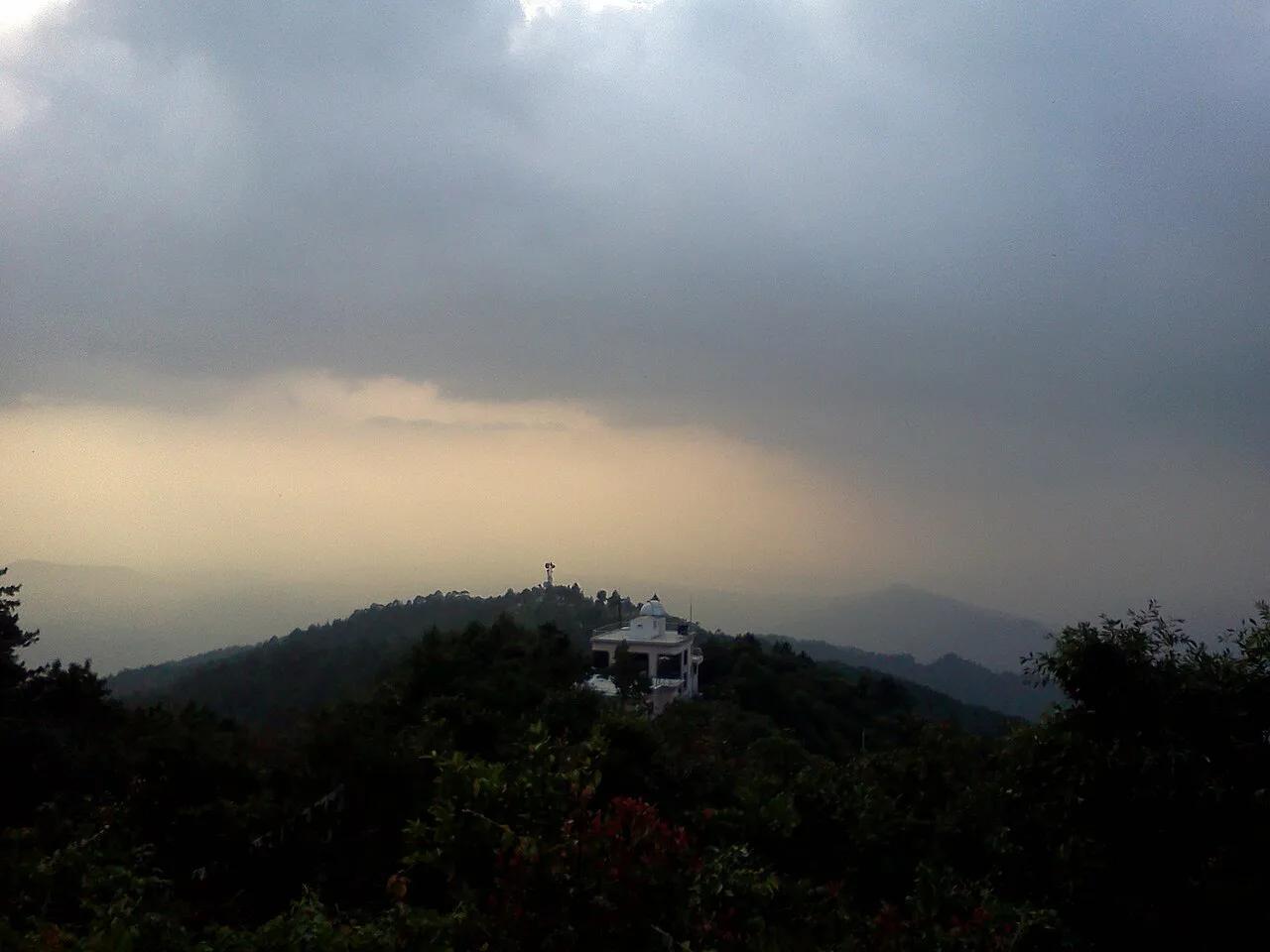
Kathmandu to Nagarkot: Bus, Taxi, Time & Day Trip
How to get from Kathmandu to Nagarkot by taxi, bus or on foot. Compare time, cost and flexibility, plus sunrise and day-trip advice.
On this page
Last updated November 2026: the simplest way to cover Kathmandu to Nagarkot is a taxi or hired car with a driver, typically 1.5 to 2 hours depending on traffic. Local buses and microbuses are cheaper but slower, and trekkers can walk in from Changu Narayan or Sankhu. We'd stay one night if you want the Himalayan sunrise, and go as a day trip only if you can leave very early.
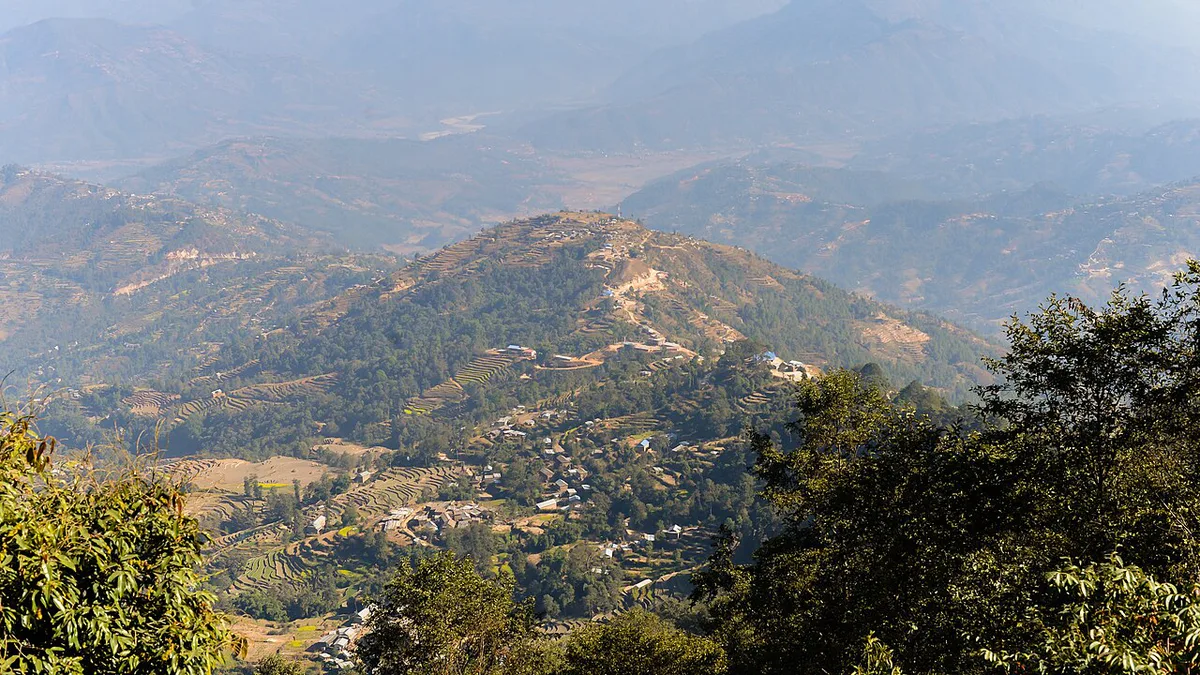
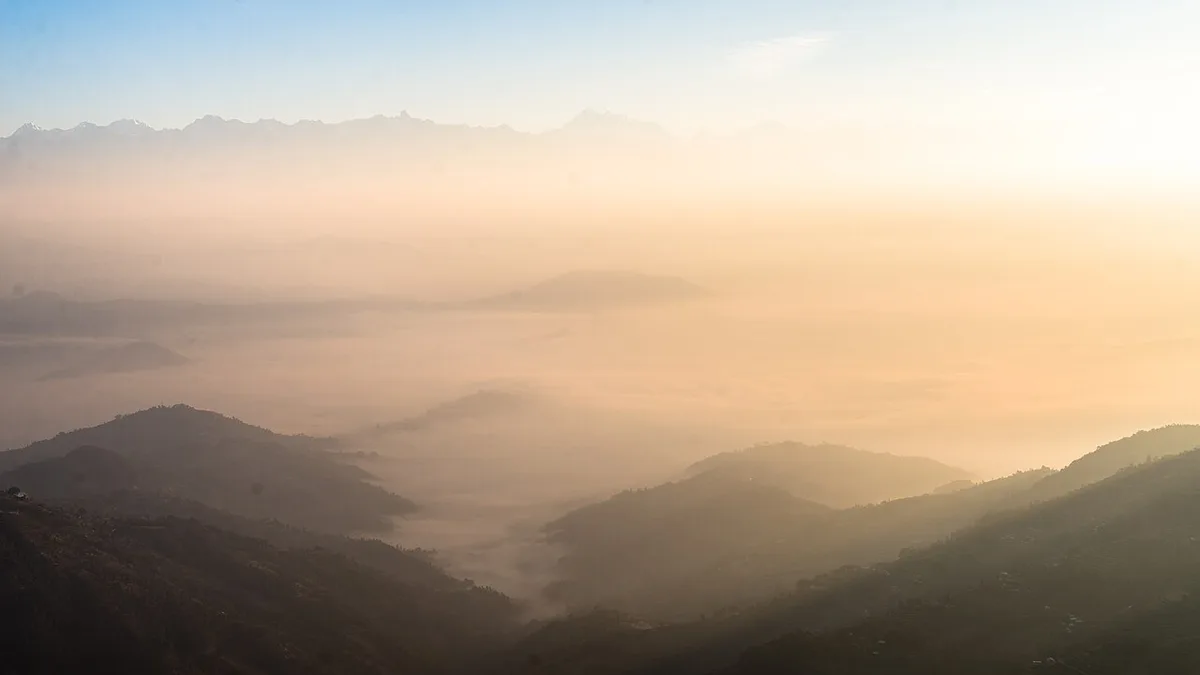
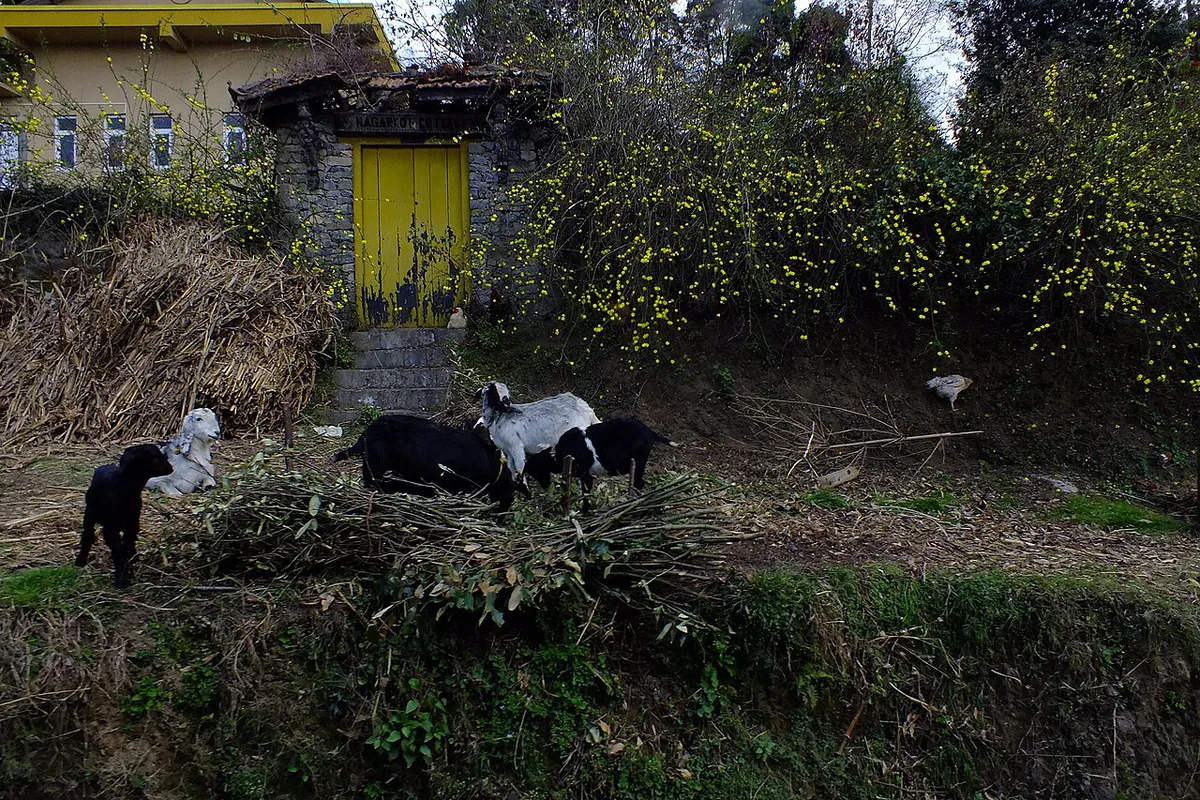
Featured image: Nagarkot Panoramic Hiking Trail, CC BY-SA 3.0, via Wikimedia Commons.
Kathmandu to Nagarkot at a glance
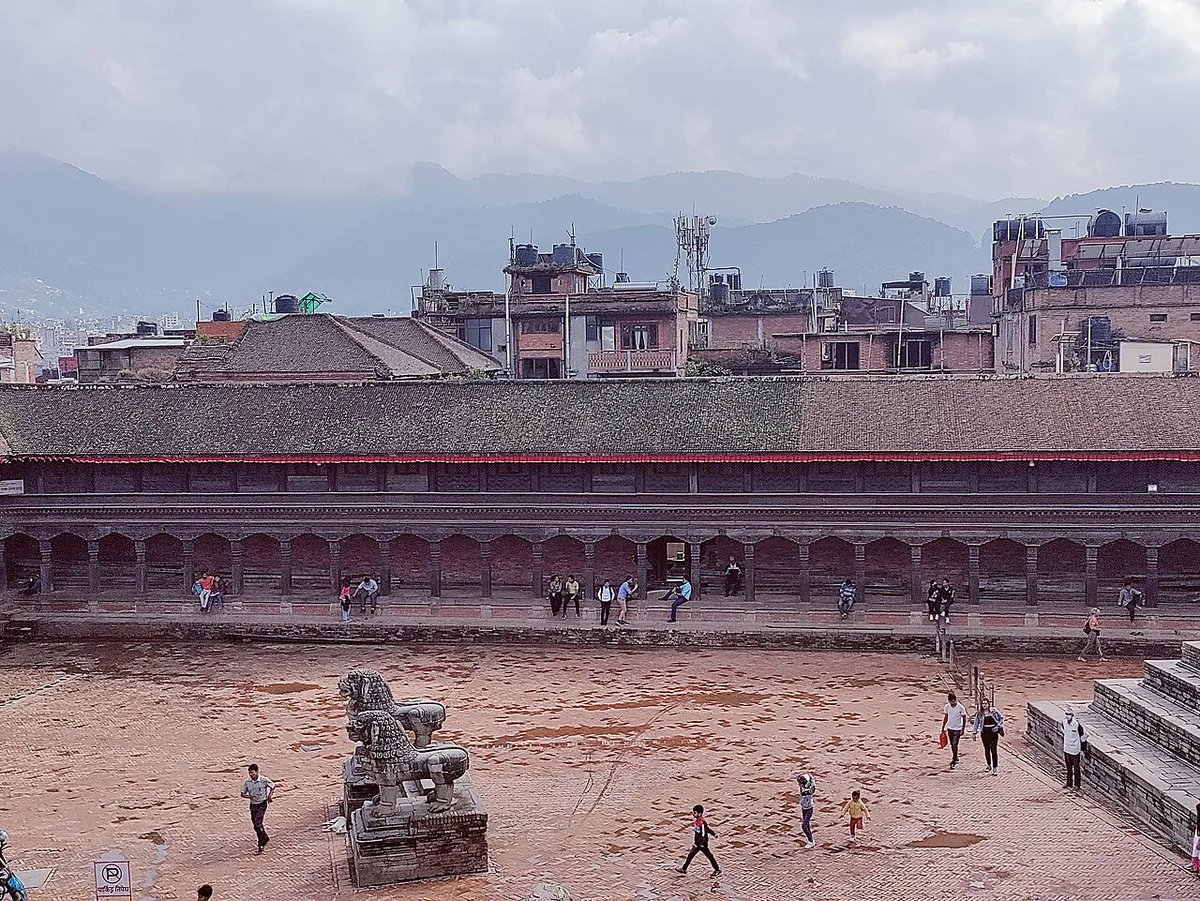
Nagarkot sits on a ridge east of the capital, and the road runs through the Bhaktapur area. A taxi or driver-hired car typically takes 1.5 to 2 hours. Traffic and road works can stretch that, so build in slack. Our pick for most visitors is a driver for the outbound leg and an overnight stay. Budget travelers can take a local bus and accept a slower ride.
- Fastest and easiest: private taxi or hired car with driver.
- Cheapest: local bus or microbus from Ratna Park in Kathmandu or from Bhaktapur.
- Most flexible: rental car or motorcycle.
- Most scenic: trek from Changu Narayan or Sankhu.
- Best season for views: October to April.
Ways to get from Kathmandu to Nagarkot
The table compares the main options. Costs are relative, because fares for this route are negotiated or set locally and change often. Ask for the price before you commit.
| Mode | Typical time | Relative cost | Flexibility | Best for | Skip if |
|---|---|---|---|---|---|
| Private taxi or hired car with driver | About 1.5 to 2 hours | Mid to high | High: stops and waiting can be agreed | Families, photographers, short itineraries | You are on a tight budget |
| Local bus or microbus | Longer than a taxi, with multiple stops | Low | Low: fixed route, thin late returns | Budget travelers with spare time | You must return late in the day |
| Self-drive car or motorcycle | Similar to a taxi, set by your pace | Mid | Highest: stop at viewpoints | Confident drivers | You are unfamiliar with local roads |
| Hotel-arranged transfer | About 1.5 to 2 hours | Mid to high | Medium: set pickup time | Overnight guests | You want to roam freely |
| Trek from Changu Narayan or Sankhu | Longer, depends on pace | Low | Medium | Hikers with a full day | You have luggage or limited time |
Where to board and how to get a ride
Local buses and microbuses leave from Ratna Park in Kathmandu or from Bhaktapur. A common approach is to take a public bus to Bhaktapur first and transfer onward. Our Kathmandu to Bhaktapur guide covers that first leg. Taxis can be found in central Kathmandu, and your hotel can call one for you. Agree three things before you get in: the price, the waiting time if you want stops, and the return plan. Say whether the price is a fare or a negotiated rate. If you want broader context on buses across the country, see Getting Around Nepal: Buses, Flights, Cars & Routes Compared. Note that tourist buses do not serve this route, so skip Nepal Tourist Bus Guide: Routes, Booking & Choosing options here.
Hotel-arranged transfers and taxis both take 1.5 to 2 hours, so settle the return plan before the ride starts.
Day trip or overnight?
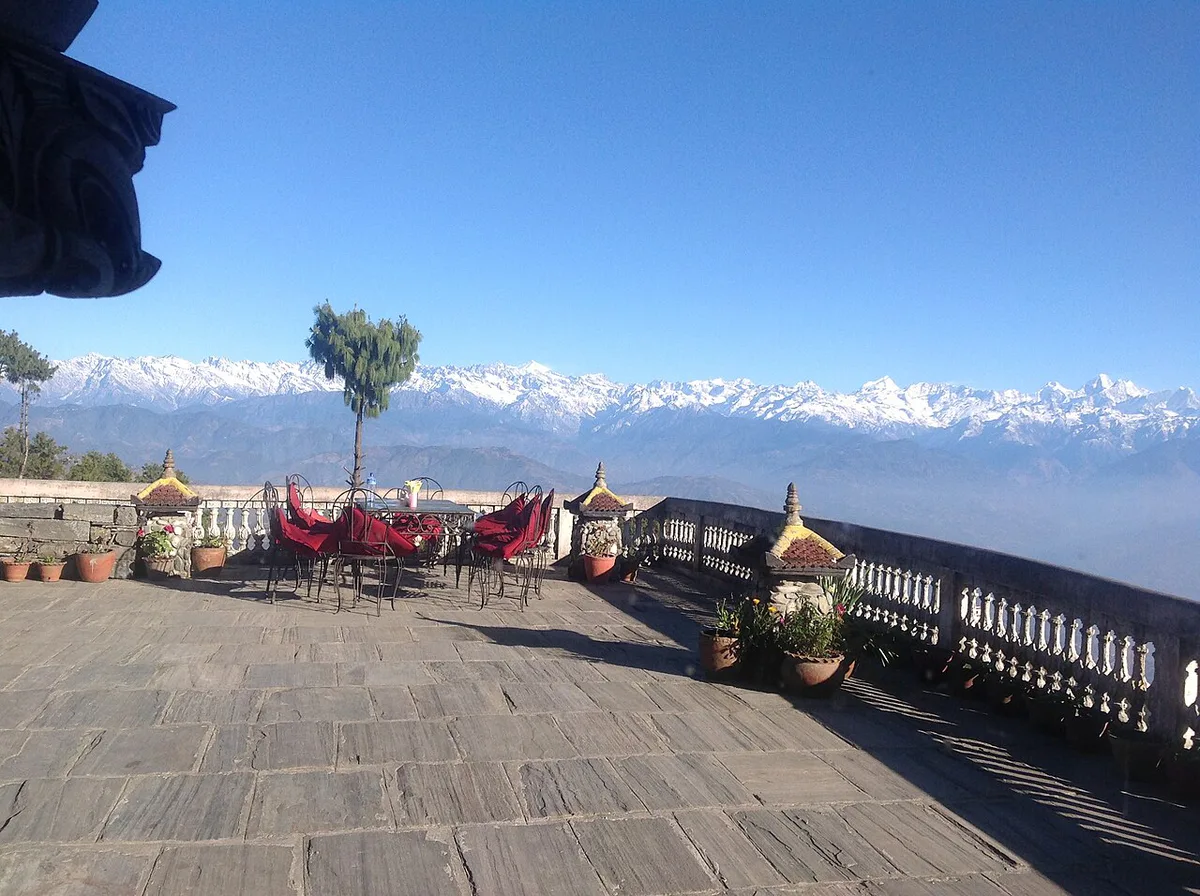
Most people come for the dawn view of the Himalayas. That creates a trade-off. A day trip means leaving Kathmandu very early or missing sunrise altogether. An overnight stay gets you the sunrise but needs a bed, and rooms fill in peak season. Our verdict depends on who you are.
- Short itinerary: day trip, with an early start by taxi.
- Photographers: overnight, so you can scout light before dawn.
- Families: overnight, to avoid a pre-dawn drive with children.
- Budget travelers: day trip by bus, but confirm the return time locally.
- Sample plan: early start, sunrise at the viewpoint, breakfast, a short walk, then head back before the afternoon fades.
Best time to go and what you'll see
October to April is the usual window, when skies are clearer and mountain views are more likely. Haze and cloud still decide everything, so no one can promise an Everest sighting. Check the forecast the evening before. If the morning is clouded out, we'd shift the day toward walking the ridge, then drive back through Bhaktapur for its old streets. The Bhaktapur Municipality site is the place to start for the city side of the plan. Pack warm layers for dawn, since ridge mornings run cold.
What to do once you arrive
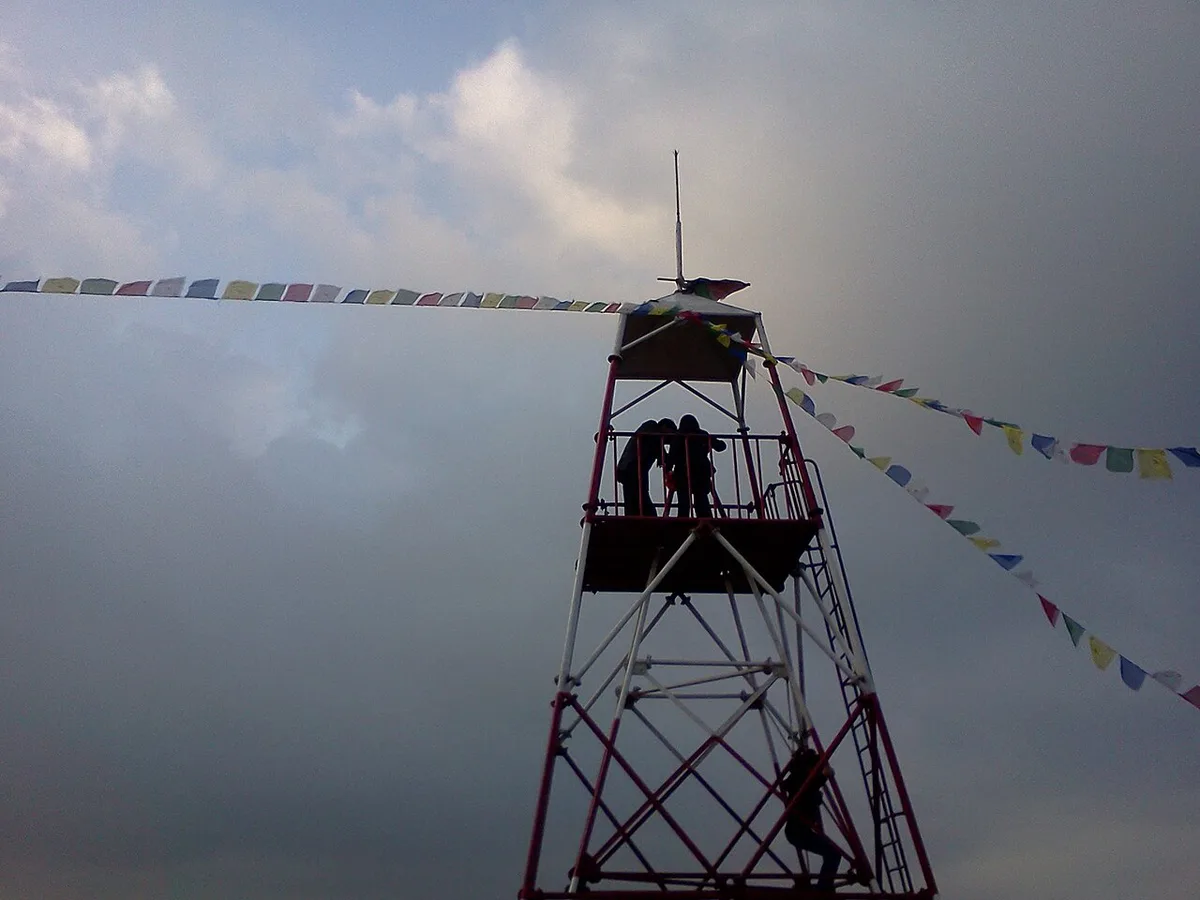
Keep this short, because the trip is mostly about the view. Nagarkot Sunrise Point and the View Point Tower are the main lookouts. Short hikes and mountain biking are offered around the ridge. The Kailashnath Mahadev Statue is the religious stop listed for the area, so ask locally for directions. Carry local cash. ATM access in Nagarkot is limited, so withdraw in Kathmandu or Bhaktapur first.
Mistakes to avoid
These are the errors that sour the trip most often.
- Arriving after the sunrise window and seeing only a bright sky.
- Assuming a bus back late in the evening; return services can be thin.
- Not agreeing the taxi price and waiting time up front.
- Expecting guaranteed Everest views regardless of weather.
- Skipping cash, then finding no working ATM.
Combining Nagarkot with other stops
Bhaktapur is the natural pairing, either on the way out or the way back. Changu Narayan Temple is another good stop, and it doubles as a trekking start. Nagarkot works well as a one-night break from the capital. It can replace a long trip such as Kathmandu to Pokhara: Bus, Flight or Car? Times and Costs when time is short. It can also precede a longer run, such as Kathmandu to Chitwan: Flight, Bus or Car?. For overall planning, the Nepal Tourism Board is a useful starting point.
Frequently Asked Questions
What is Nagarkot, Nepal famous for?
Nagarkot is known for Himalayan views, especially at sunrise, including distant sightings of Mount Everest on clear days. Visitors also come for hill walks, mountain biking and viewpoints such as Nagarkot Sunrise Point.
Notes on Asia's railways
Optional updates when we revise our train and route guides.
You might also like

Continue reading
More guides you'll find useful