
Nepal Tourist Bus Guide: Routes, Booking & Choosing
Nepal tourist bus explained: how it differs from local buses, how to book, route trade-offs for Pokhara, Chitwan and Lumbini, and who should skip it.
On this page
Last updated November 2026. A Nepal tourist bus is a coach service aimed at visitors on the main routes from Kathmandu and Pokhara to Sauraha (Chitwan) and Lumbini. It costs more than a local bus and usually boards in a tourist area rather than at a crowded bus park. Use this guide with our Nepal transport overview to decide between the coach, a local bus, a flight or another option.
Featured image: Bijay Chaurasia, CC BY-SA 4.0, via Wikimedia Commons.
What Is a Nepal Tourist Bus?
Tourist buses are coaches sold mainly to visitors on a short list of routes. Services are based around Thamel and Sorhakhutte in Kathmandu and run to Pokhara, Sauraha for Chitwan, and Lumbini. Local buses are the public services that leave from the big bus parks at Kalanki and Gongabu. Those parks serve commuters and cargo-heavy traffic, so they are busier and less predictable for a first-time visitor.
Amenities differ by operator. Some sell luxury seats in a 2+1 layout, others sell a mid-range deluxe tier, and a few advertise air-conditioning or seat belts. Treat every extra as varying by operator until your ticket states it. Shared vans and jeeps are a third category, and they sit between the two on cost and flexibility.
The operator body is the Tourist Bus Association of Nepal (TBAN). Its app lists Kathmandu, Pokhara, Sauraha/Chitwan, Bhairahawa/Lumbini and Janakpur as destinations. The Google Play listing was last updated in July 2023, so treat the app as possibly out of date. For general visitor information, start with Nepal Tourism Board.
Main Tourist Bus Routes From Kathmandu and Pokhara
Kathmandu to Pokhara is the busiest tourist route, and it takes about 7–8 hours, and up to 10 with traffic or road works. Tourist buses leave around 7 am from Sorhakhutte. Our Kathmandu to Pokhara guide compares every mode on that corridor. Chitwan services leave in the morning, for example at 07:00 from Sorhakhutte with an arrival at the Sauraha tourist bus park around 13:30 on one operator's schedule (Swift Holidays on chitwantourism.com). See Kathmandu to Chitwan options for details. Between lakeside Pokhara and the jungle, Pokhara to Chitwan transport follows a similar pattern.
Read the 7–8 hours on Kathmandu to Pokhara as a range, not a promise, because monsoon closures can add several hours.
Lumbini is the long one. Overnight services run from Kathmandu, and Kathmandu to Lumbini: Bus, Flight or Car Compared covers the alternatives. From the lake city, Pokhara to Lumbini: Bus, Car & Flight Options Compared is the other common starting point. Pilgrims can read about the site through the Lumbini Development Trust.

Short hops rarely need a coach. Kathmandu to Nagarkot: Bus, Taxi, Time & Day Trip and Kathmandu to Bhaktapur: Bus, Taxi & Day Trip Guide are usually done by other transport.
| Route | Typical time | Trade-off |
|---|---|---|
| Kathmandu–Pokhara | About 7–8 hours | Most frequent route; traffic and landslides change the day's time |
| Kathmandu–Sauraha (Chitwan) | About 6 hours; 07:00 departure, early-afternoon arrival | Easy for park visits; arrival is afternoon |
| Pokhara–Sauraha (Chitwan) | About 5–6.5 hours; 07:00 departure, early-afternoon arrival | Links lake and jungle without returning to Kathmandu |
| Kathmandu–Lumbini | A long road day or an overnight run | Means a night or a full day on the road |
| Pokhara–Lumbini | A long road day; the ticket states the arrival time | Avoids the Kathmandu detour |
Tourist Bus vs Local Bus vs Other Options
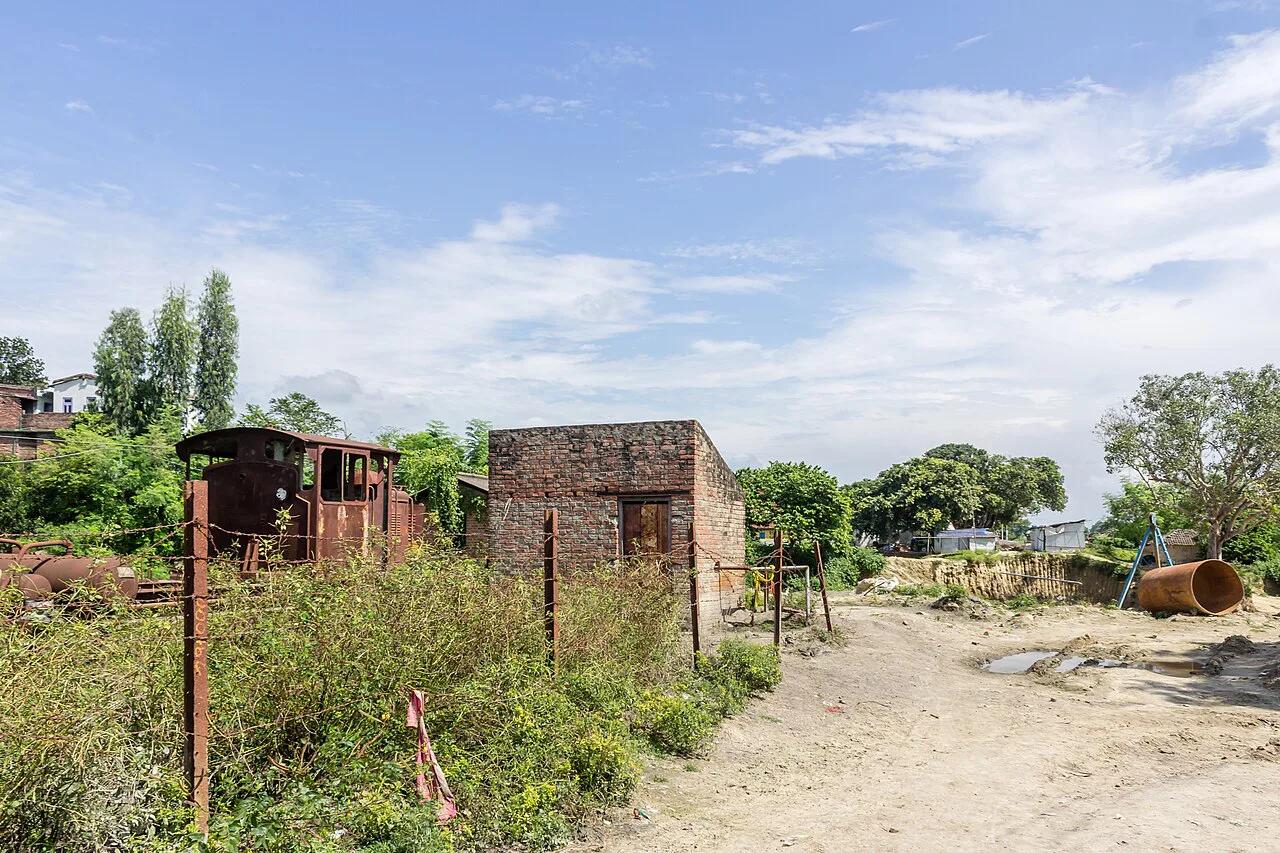
Choose the tourist bus if you want a ticket booked in advance, a defined boarding point and a seat reserved. Choose a local bus if you want the lowest fare and can handle crowding, frequent stops and luggage on the roof. Pick a flight when time matters more than money, and a private car when you need flexibility. Rail is not an option between tourist cities, and Nepal's railway covers the one short line that exists.
| Mode | Cost | Comfort | Luggage | Flexibility |
|---|---|---|---|---|
| Tourist bus | Mid | Mid to premium, varies by operator | Stored by the crew | Fixed departure |
| Local bus | Budget | Basic, often crowded | Carried by you or loaded on top | Many departures, no reservation |
| Shared van or jeep | Mid | Tight on long trips | Limited space | Leaves when full |
| Private car | Premium | Highest | Generous | Highest |
| Flight (Kathmandu–Pokhara) | Premium | Quick | Airline allowance | Weather-dependent |
Costs and What Affects the Price
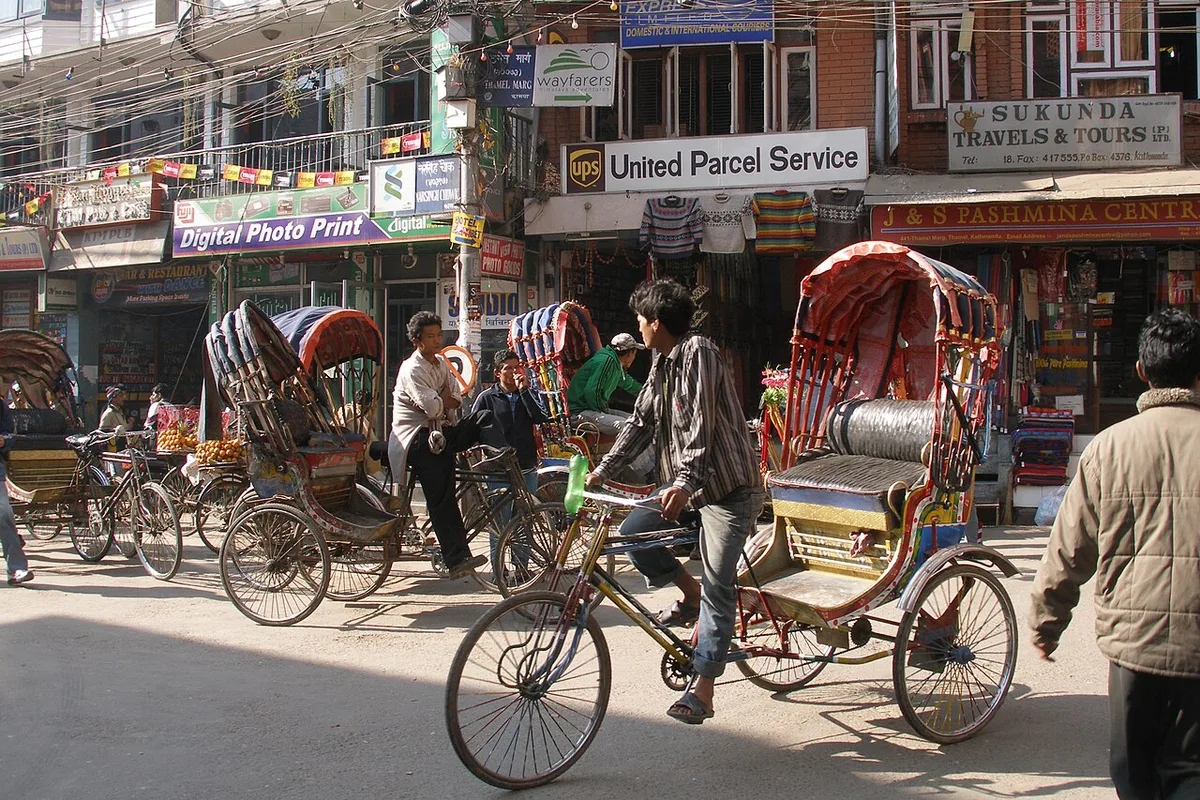
Fares are not set by one public tariff, so a single quoted figure goes stale quickly. Seat class is the biggest factor, with luxury 2+1 seats costing more than a deluxe seat. Season and booking channel matter next. An app, a hotel desk and a counter near Thamel may quote different prices for the same seat.
Anchor your budget this way. A local bus is the cheapest option on the same road, and a tourist bus sits in the middle. A private car or a flight costs the most. As a reference point, one Chitwan operator lists Kathmandu to Sauraha at NPR 1,300 and Pokhara to Sauraha at NPR 800 to 900, and Kathmandu to Pokhara costs about $10-25 for foreigners. Get a quote from at least two channels and ask whether luggage is included.
How to Book and What to Confirm
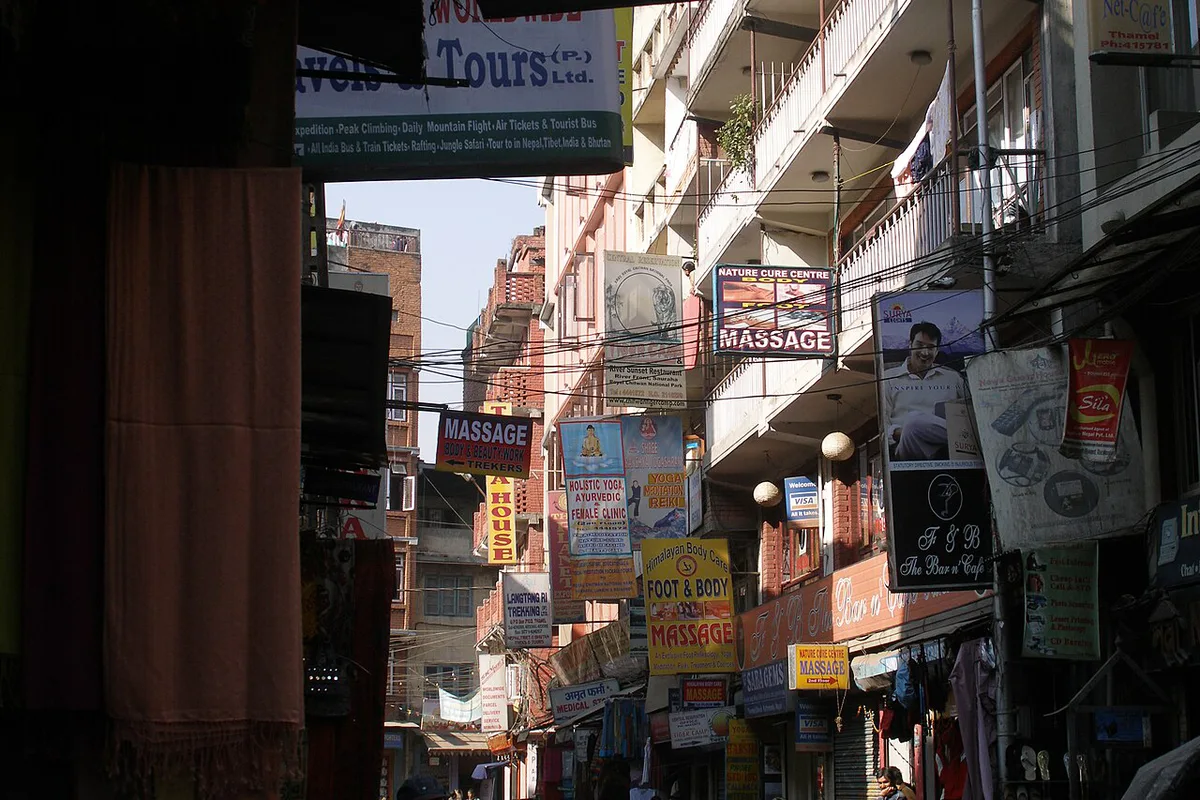
You can book through the TBAN app, an operator's own site, a hotel or agency desk, or a counter. Counters near Thamel are convenient, but touts there sometimes sell seats on a different bus than the one shown. Insist on the operator's name on the ticket. Some operators advertise free rescheduling up to 24 hours before departure, so ask for that policy in writing.
Monsoon landslides can close hill roads, so a rescheduling window ending 24 hours before departure leaves little room for a late change.
- Pick-up point: hotel pick-up, a tourist-bus area or a bus park, with the exact spot named.
- Departure time and the check-in time before it.
- Seat number and class (luxury, deluxe or standard).
- Luggage rules and whether bags are tagged.
- Ticket format: e-ticket on your phone or a paper ticket.
- Refund and reschedule terms.
Safety, Road Conditions and Timing
Monsoon rain brings landslides and road closures on the hill highways, so published times are ranges and not promises. Daylight departures give you more margin than overnight services. Ask your hotel about the day's road status before you leave. If you have an international flight, schedule a buffer day after any long road leg. Plan a fallback too, since a closed road may mean a delay of several hours. Anyone prone to motion sickness should expect winding sections on the Pokhara road.
For passport and entry questions, the Department of Immigration Nepal is the official source.
Who Should Skip the Tourist Bus
Skip it if your schedule is tight. A flight between Kathmandu and Pokhara avoids the long road day. Everest-region travellers also need to skip the coach, since Kathmandu to Lukla: Flight, Heli or Trek Compared is a flight route. Overland trips to India are separate, longer and border-dependent. See Kathmandu to Varanasi: Flight, Bus & Train Compared, Kathmandu to Darjeeling: Routes, Border & Travel Time and Kathmandu to Delhi: Flights, Overland, Time & Cost for planning those on their own terms. Border rules come from the Department of Immigration Nepal.
Frequently Asked Questions
How long is the bus ride from Kathmandu to Chitwan?
Tourist buses leave Sorhakhutte around 07:00 and reach the Sauraha tourist bus park in about 6 hours on one operator's schedule. Journey time varies with traffic and road conditions.
Can we go to Nepal by bus?
Overland routes from India exist, and they are longer than domestic coach trips. The main crossings are Sunauli, near Bhairahawa, and Kakarbhitta. Entry rules are published by the Department of Immigration Nepal.
Notes on Asia's railways
Optional updates when we revise our train and route guides.
You might also like

Continue reading
More guides you'll find useful