
Sri Lanka Train Classes: Which to Book for Your Route
Sri Lanka train classes explained: first, second and third class, reserved versus unreserved seats, and which to choose for hill-country, coastal and northern routes.
On this page
Last updated November 2026: Sri Lanka train classes come down to three main tiers, first, second and third, with extra saloons on a few scenic services. Book a reserved first or second class seat for long hill-country rides, and keep third class for short hops where you can handle a crowd. Availability changes by train and route, so find out which classes your service carries before you build a plan around one. For the wider network, start with our overview of trains in Sri Lanka.
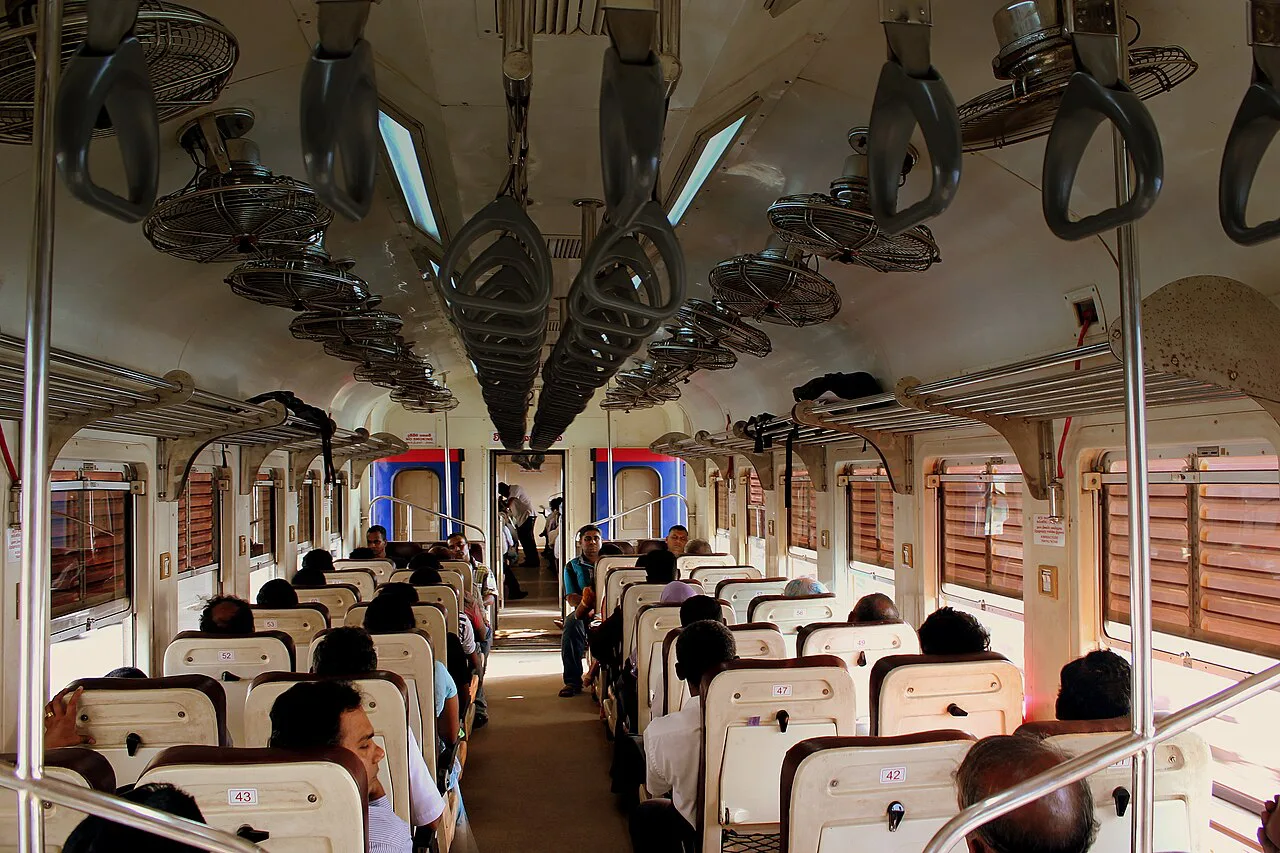
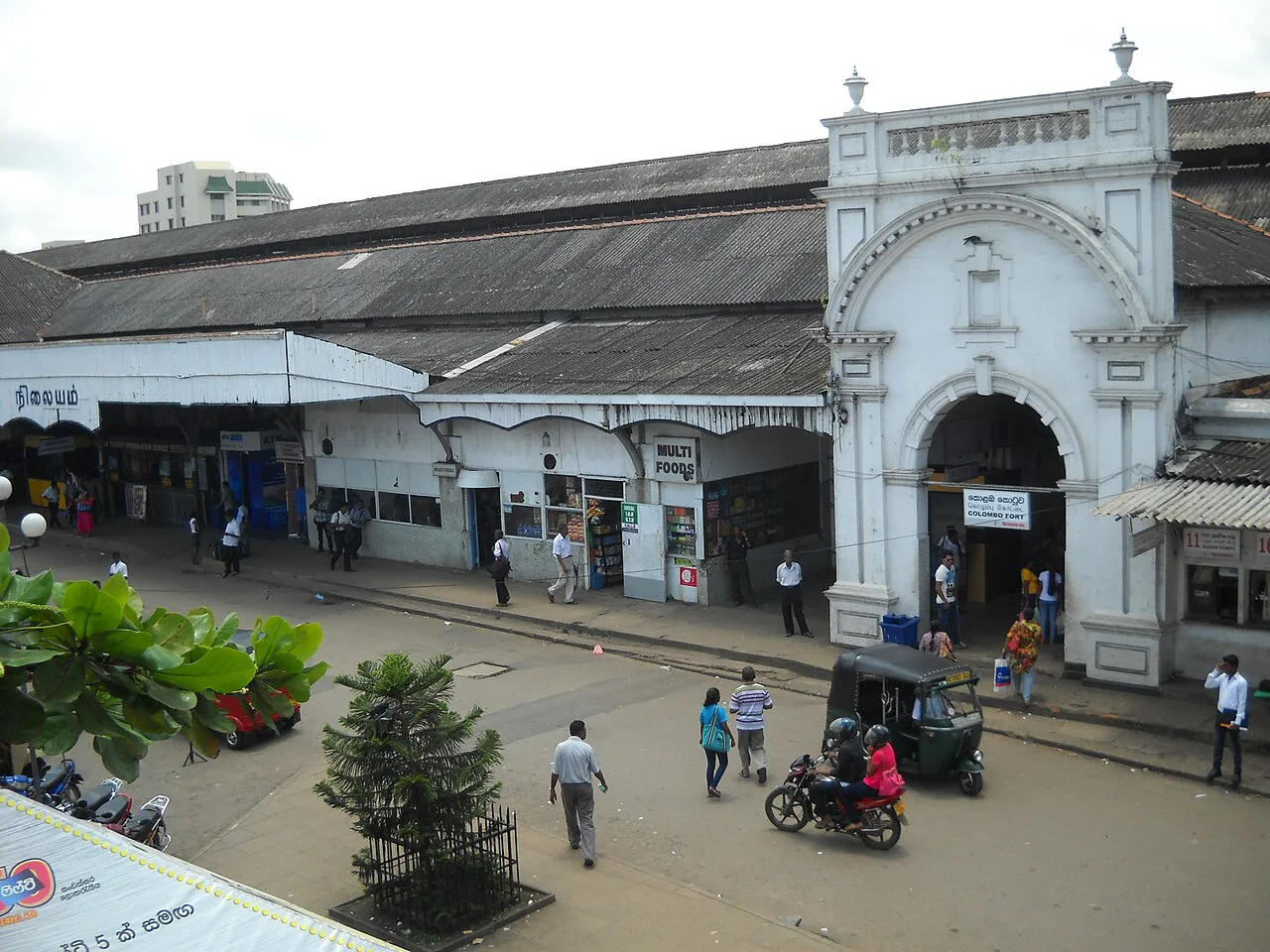
Featured image: calflier001, CC BY-SA 2.0, via Wikimedia Commons.
Sri Lanka Train Classes at a Glance
Use this table to compare the tiers quickly. Treat it as a pattern, not a guarantee, because each train is set up differently. Comfort and crowding depend on the service, the day and the carriage you end up in.
| Class | Reservable | Seat comfort | Air-con or windows | Crowding risk | Luggage space | Best use |
|---|---|---|---|---|---|---|
| First class | Usually yes | Padded, most room | Air-conditioned or observation saloon on some trains; varies | Low | Best of the three | Long scenic days, families, heavy bags |
| Second class | Often yes on key trains | Cushioned, tighter | Opening windows; air-con varies | Medium | Moderate | Good value on long routes |
| Third class | Reserved cars exist on the blue trains; most third class is unreserved | Basic, often bench-style | Open windows and doors | Highest | Limited | Short hops, tight budgets, flexible plans |
What Each Class Is Like
First class is the most comfortable tier. Some trains run an air-conditioned first class carriage, and a few scenic services add an observation saloon with wide windows at the rear. Not every train carries either, so read the carriage type on the portal when you reserve (see how to book).
Second class sits in the middle for price and comfort. Seats are usually cushioned and the carriages are ordinary, with opening windows. Many travellers find it the best balance on long routes, as long as a reserved seat is available.
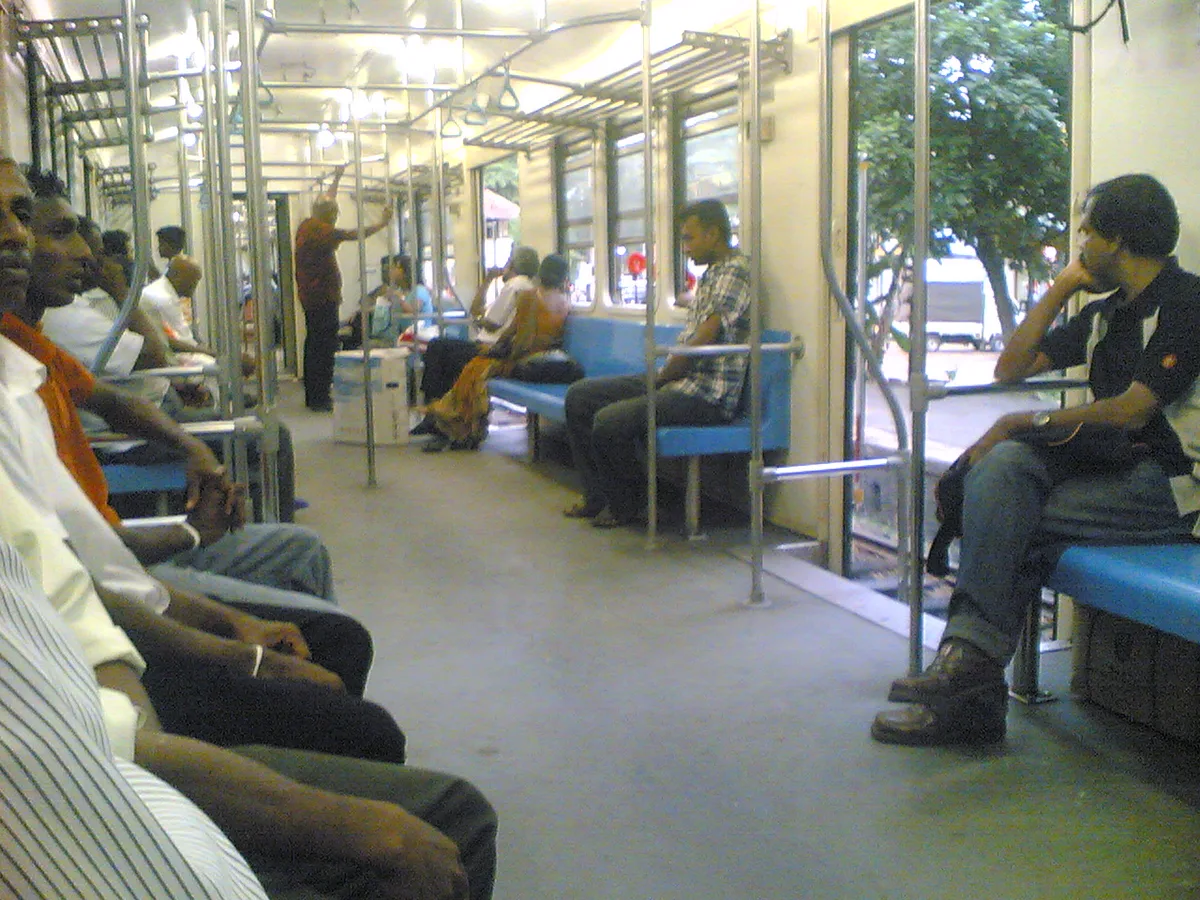
Third class is the cheapest and the one locals use most. Seating is basic, and carriages fill fast on commuter and weekend runs. Doors often stay open, which gives great views but needs care. Tourists ride it daily, and it works well for short, daylight journeys.
Seat61 lists these one-way adult fares in Sri Lankan rupees for the best blue trains: Colombo to Kandy 900 in reserved third, 1,200 in reserved second, 1,500 in first-class observation and 2,000 in air-conditioned first; Colombo to Nanu Oya, Ella or Badulla 1,500, 2,000, 3,000 and 3,000. Slower trains can cost less, and children under 3 travel free. Plenty of services run only some tiers, so a class you read about may not exist on your departure.
Which Class to Book by Route
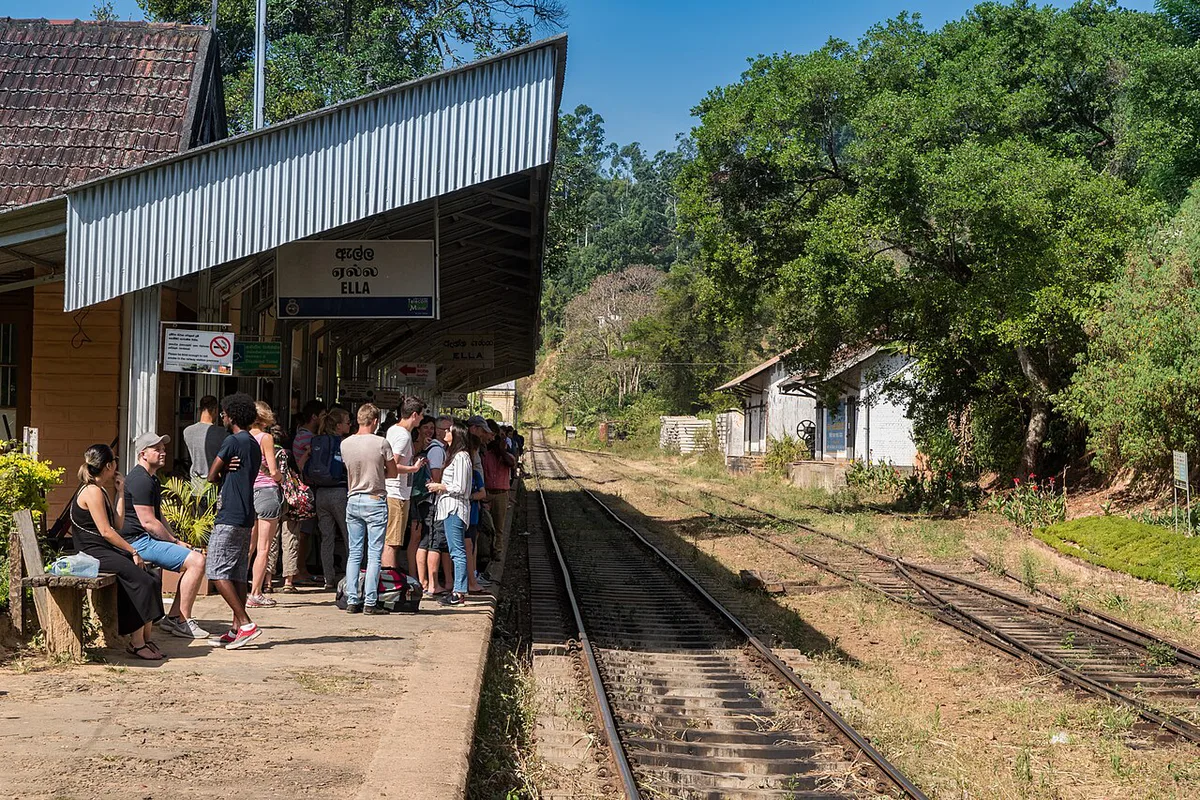
Your route should drive the decision more than the class names do. Journey length matters most. A short ride tolerates a crowded carriage, while a full day does not.
- Scenic hill country: reserve first or second class on the Kandy to Ella Train: Times, Tickets, Classes & Best Seats and the Colombo to Ella Train: Times, Classes, Booking & Tips. These sell out first and run for many hours.
- Nanu Oya to Ella: this is a shorter, popular stretch. Read the Nanu Oya to Ella guide before choosing, since third class can be tolerable here if you board early.
- Ella Odyssey: it is a separate tourist service, not a regular train, and its seating and booking differ. See the Ella Odyssey page for details.
- Coast: for the Colombo to Galle Train: Times, Tickets & Which Seat to Pick and the Colombo to Mirissa Train: Tickets, Times, Classes, second class is usually enough, and third class works if you travel off-peak.
- North and east: the Colombo to Jaffna Train: Classes, Booking and What to Expect is a long day, so prioritise a reserved seat. Shorter legs such as Colombo to Anuradhapura and Colombo to Trincomalee follow the same logic.
- Short hops: the Colombo to Kandy Train: Times, Classes & Booking Tips suits second class, while third class is fine if you do not mind a crowded car.
Reserved or Unreserved: How to Choose
A reserved seat gives you certainty. You have a place, a carriage and a defined spot to stand beside at boarding. An unreserved ticket costs less and gives you flexibility, but you may stand for hours.
Think of it as a trade-off between cost, certainty and comfort. If you have a fixed itinerary or a long scenic leg, pay for certainty. If your plans are loose and the ride is short, unreserved is fine.
Reserved seats on scenic routes tend to go first. A reservation also does not guarantee a window seat, so ask what you are getting when you book. For the booking mechanics, see our Sri Lanka train tickets guide.
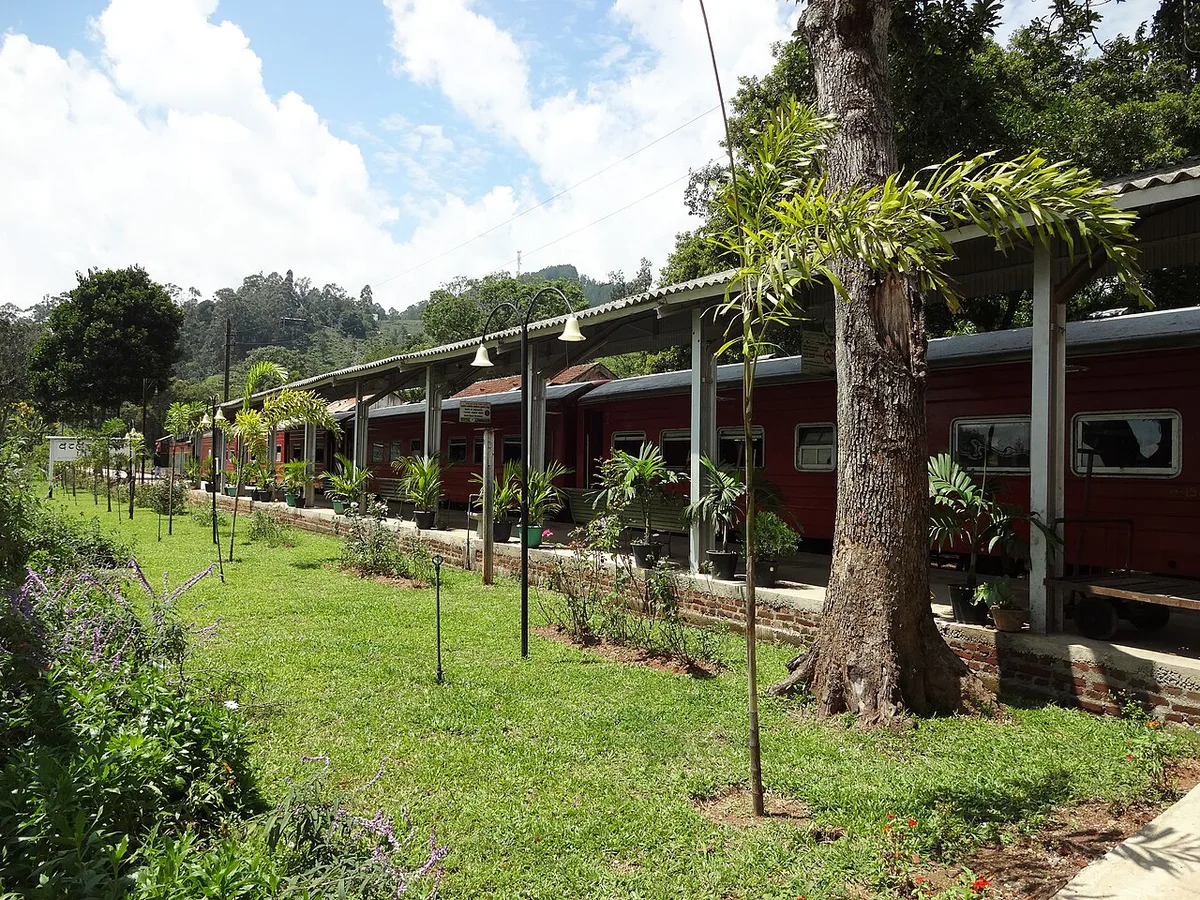
If your preferred class is full, step down a class on the same train rather than switching days. Another option is to take an earlier or later departure on the same route. Board early to claim a seat in any unreserved carriage.
Crowding, Timing and Season
Weekends and public holidays bring the heaviest third-class crowds, because locals travel then. Peak tourist season also fills reserved seats on scenic trains well ahead of departure. Midweek travel is usually calmer.
Morning departures from major stations fill quickly. Aim to arrive early at Colombo Fort station and Kandy station so you can find your carriage before the train arrives. Reports of crowding are mostly anecdotal, so treat them as a guide rather than a rule.
Comfort, Safety and Luggage Tips
Third class needs some preparation. Carry water and snacks, because food sellers are not guaranteed on every train. Keep valuables on you, and keep bags where you can see them.
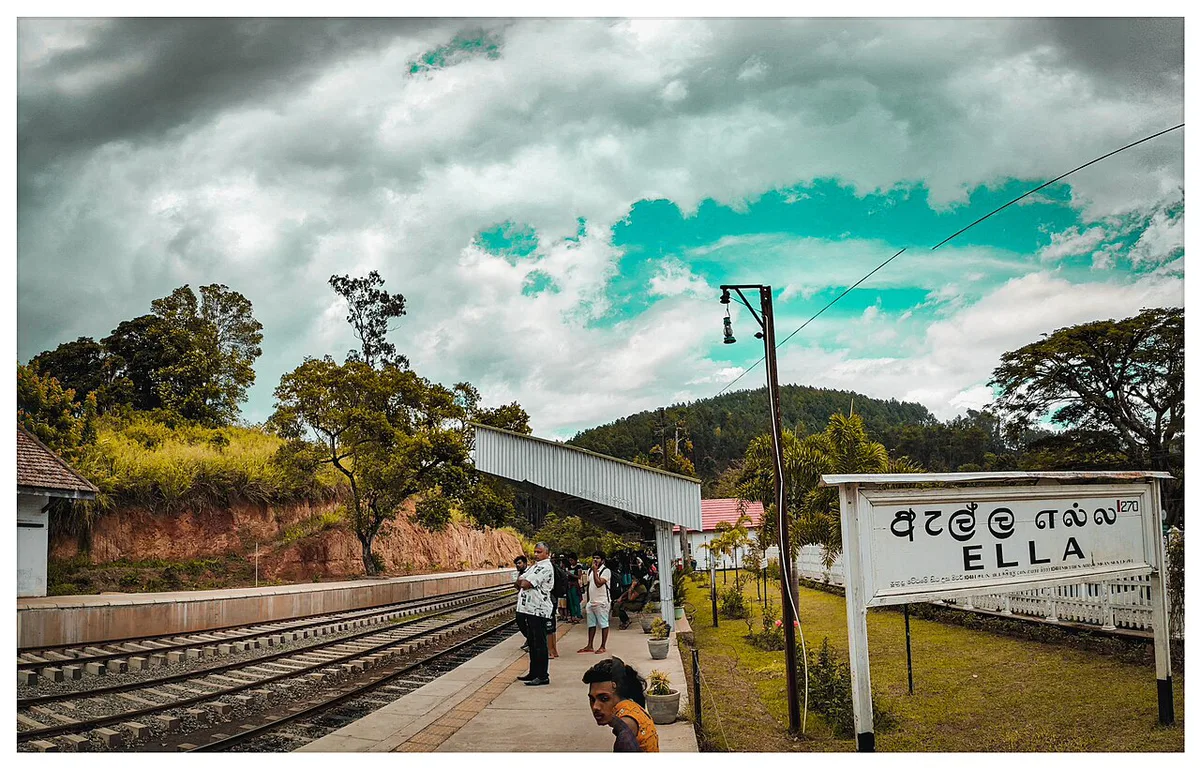
On scenic trains, stay alert at open doors. Do not lean out near tunnels, bridges or passing trains. Photo spots like the one covered in our Nine Arch Bridge train times guide draw crowds, so keep to the carriage rather than the track.
If you travel with young children, a lot of luggage or mobility needs, first class is easier. Read the carriage number on your ticket and match them to the markings on the platform. For planning more broadly, Sri Lanka Tourism is a useful starting point.
Three mistakes come up often. Assuming every train has every class is the first. Assuming a ticket means a window seat is the second. Boarding the wrong carriage is the third, and it is easy to fix by checking the number before you step on.
Quick Picks by Traveller Type
Match your choice to your priorities.
- Scenic day trips: reserved first or second class, booked ahead.
- Budget travellers: third class on short, daylight hops.
- Families and heavy luggage: first class where available.
- Flexible travellers: unreserved second class, boarding early.
- Photographers: an observation saloon if your train has one, otherwise a reserved window seat.
Frequently Asked Questions
What is the best train ride in Sri Lanka?
Many visitors point to the hill-country line through Ella. Our Kandy to Ella guide covers the route in detail, and a reserved seat makes the long day easier.
How to book train tickets?
Reserved seats are sold on the official portal at seatreservation.railway.gov.lk, from 30 days to 2 hours before departure, and at counters in 52 stations. Foreign passengers give a passport number. Our train tickets guide walks through each option.
Notes on Asia's railways
Optional updates when we revise our train and route guides.
You might also like

Continue reading
More guides you'll find useful