
Colombo to Trincomalee Train: Route, Classes and Booking
Plan the Colombo to Trincomalee train: route via Polgahawela, Maho and Gal Oya Junction, classes, booking steps, and when the bus or a car is better.
On this page
Last updated November 2026: the Colombo to Trincomalee train runs from Colombo Fort across the north-central plains to the east coast, with Polgahawela, Maho and Gal Oya Junction on the way. Services here are far thinner than on the hill-country lines covered in our Sri Lanka rail guide, so plan around the timetable rather than turning up. Departure times, journey time and fares change, so this page tells you what to look for and where to read the current figures.
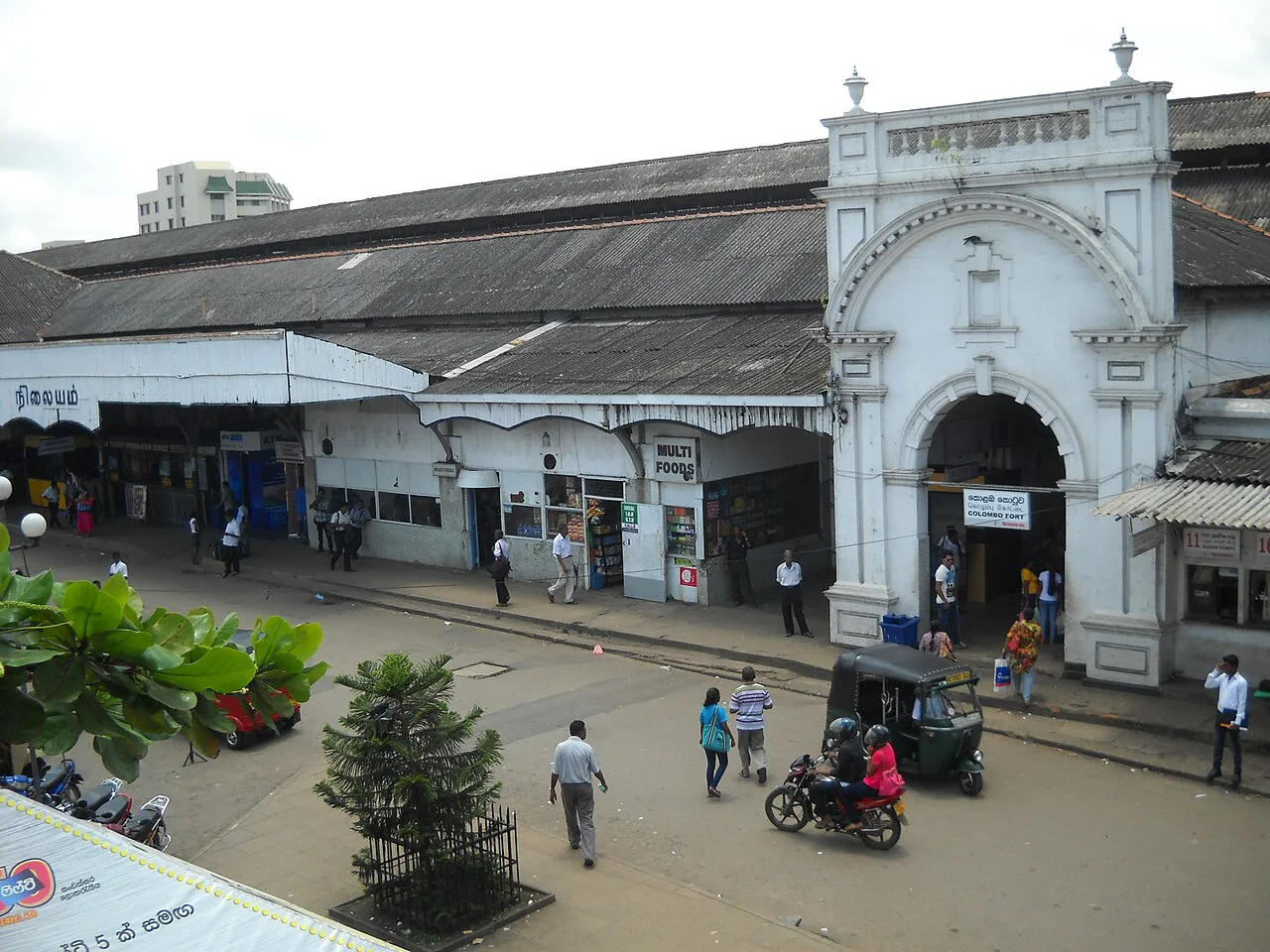
Featured image: Ceylon Hunt, CC BY-SA 4.0, via Wikimedia Commons.
Colombo to Trincomalee train: route and schedule
Trains start at Colombo Fort and follow the main line to Polgahawela. From there the route heads north-east through Maho and on to Gal Oya Junction, then finishes at Trincomalee on the east coast. Gal Oya Junction is the station to watch on your ticket and in the timetable. Read it as the point where the route leaves the busiest corridors.
Expect only a small number of departures a day, not the near-hourly pattern you may know from the Kandy line. Journey time is long, and it is measured in many hours rather than a short hop. Exact departure and arrival times are published by Sri Lanka Railways, and that is the only source to trust for them. Prices and hours should be checked November 2026 or later against the live timetable, because aggregator listings sometimes show old or marked-up services.
| Service type | Best for | Main drawback |
|---|---|---|
| Day departure | Daylight views of the plains, arriving with time to find a hotel | Early start from Colombo Fort |
| Overnight departure | Saving a night of accommodation | Arriving at dawn with no check-in, and uneven sleep |
Classes and what to expect on board
Which classes appear depends on the individual train, so read the class codes on each timetable entry. Some services offer reserved seats and some leave seating open. Our Sri Lanka train classes guide explains what each class means in practice.
Do not expect the scenic carriage experience of the hill line. This is a long plains journey, so comfort, fans or air-conditioning, and a reserved seat matter more than window views. Pack water and snacks, because station stops are short.
How to book the train
Start with the official Sri Lanka Railways channel, seatreservation.railway.gov.lk, which sells reserved seats from 30 days before travel until 2 hours before departure and requires a passport number from foreign visitors (since 15 August 2025). Compare it with any aggregator price before paying. Aggregators can add a service fee on top of the fare. Our Sri Lanka train tickets guide walks through the booking steps for visitors.
If a train has no reservation option, you may need to buy at the station and take an unreserved seat. That is a poor bet on a long journey, so reserve whenever the service allows it. Current fares per class are listed on the official site.
Train vs bus vs private car
Many travelers pick the train for comfort and cost, then switch to a bus or car when the timetable does not fit. Colombo Fort is the usual starting point for all three options. Our Colombo Fort station guide covers the departure end.
| Option | Relative cost | Comfort | Flexibility |
|---|---|---|---|
| Train | Low to mid | Good if you reserve a seat | Low: few departures |
| Bus | Cheapest | Varies, crowded at peak times | Higher: more departures |
| Private car | Premium | Best for luggage and stops | Highest: you set the time |
Arriving in Trincomalee: station to hotel
Trincomalee station is the end of the line, so everyone gets off here. Hotels in Trincomalee town are the closest to the station. Uppuveli sits along the coast beyond the town and usually needs a tuk-tuk or taxi. Nilaveli is farther still, so budget extra time for that transfer.
- Town: closest to the station, best for short stays and onward buses.
- Uppuveli: beachfront stays, reached by tuk-tuk or taxi.
- Nilaveli: the longest transfer, best if you want a quieter beach and have arranged a pickup.
Best time to travel and who should skip the train
The east coast follows a different monsoon pattern from the south and west coasts. Check the seasonal outlook on Sri Lanka Tourism before fixing dates. Heavy rain makes a long rail day and a beach stay less appealing.
Skip the train if your schedule is tight. Skip it if you carry heavy luggage, or if you cannot reserve a seat. Avoid an overnight service if you have no plan for a dawn arrival. Before you leave, ask at the station whether the line is running normally on the day.
Where this fits in a Sri Lanka rail itinerary
Treat Trincomalee as a separate east-coast leg. It does not continue naturally from the hill-country trip. For that contrast, see Colombo to Kandy by train. Then read the Kandy to Ella ride for the scenic route, or Colombo to Ella by rail if you want a single long day.
Other northern options include the Anuradhapura train and the Jaffna service. For a cultural-triangle stop, see getting from Colombo to Sigiriya.
Frequently Asked Questions
How long is the train from Colombo to Trincomalee?
It is a long day or overnight journey, measured in many hours. Read the exact time for your chosen service on the official Sri Lanka Railways timetable.
Does Sri Lanka have sleeper trains?
Some long-distance services run overnight, but berth availability depends on the train. Check the class codes on the timetable entry, and see our class guide for what each one means.
Can you get a train from Colombo to Sigiriya?
Sigiriya is not on the Trincomalee route. Our Colombo to Sigiriya guide covers the rail-plus-road options.
Notes on Asia's railways
Optional updates when we revise our train and route guides.
You might also like

Continue reading
More guides you'll find useful