Kangra Valley Railway: Route, Timings & Planning Guide
Plan a ride on the Kangra Valley Railway: how to check timings, book tickets, reach Dharamshala and decide if the scenic narrow-gauge line fits your trip.
On this page
Last updated November 2026. The Kangra Valley Railway is a narrow-gauge line in Himachal Pradesh that runs from Pathankot to Joginder Nagar below the Dhauladhar range. Kangra district's government lists it as the Kangra Valley Heritage Train, so it suits scenery seekers and rail fans more than anyone in a hurry. Below you get a route overview, a traveler-fit table, and a plan for checking schedules and bookings.
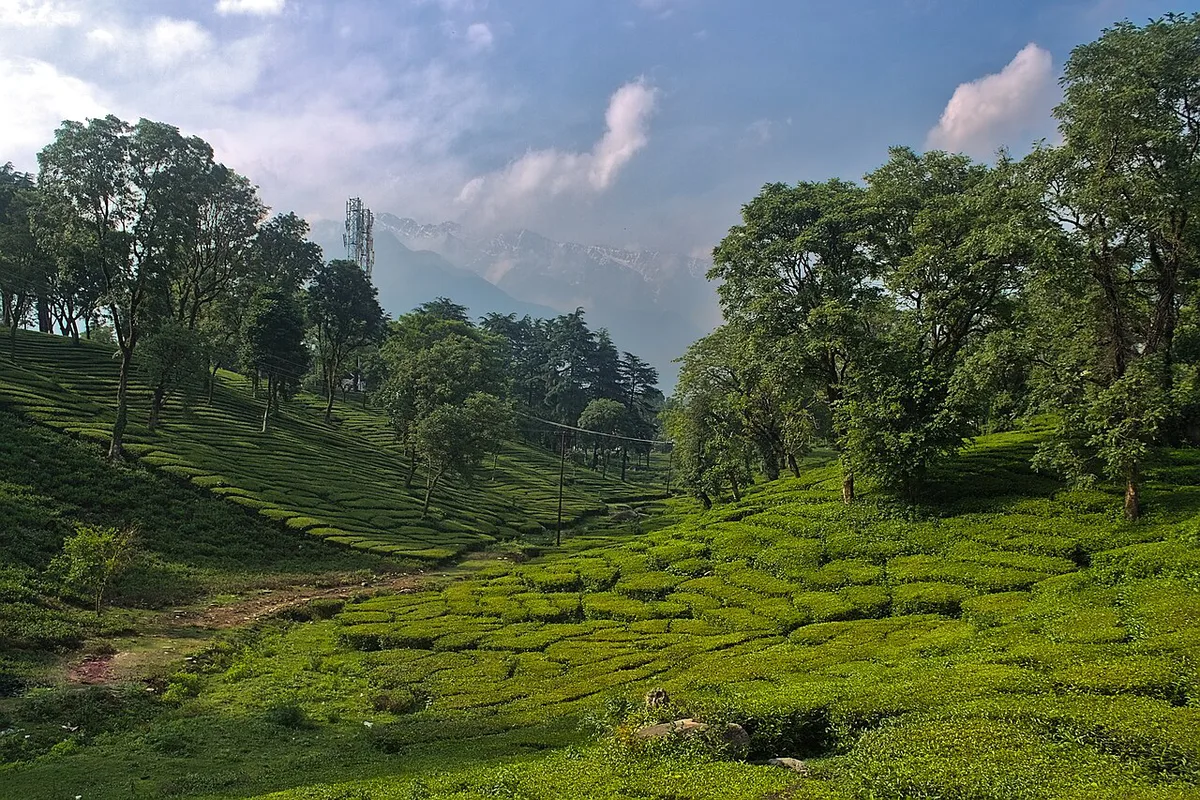
Featured image: Ranaa0096, CC BY-SA 4.0, via Wikimedia Commons.
Quick answer: what the Kangra Valley Railway is
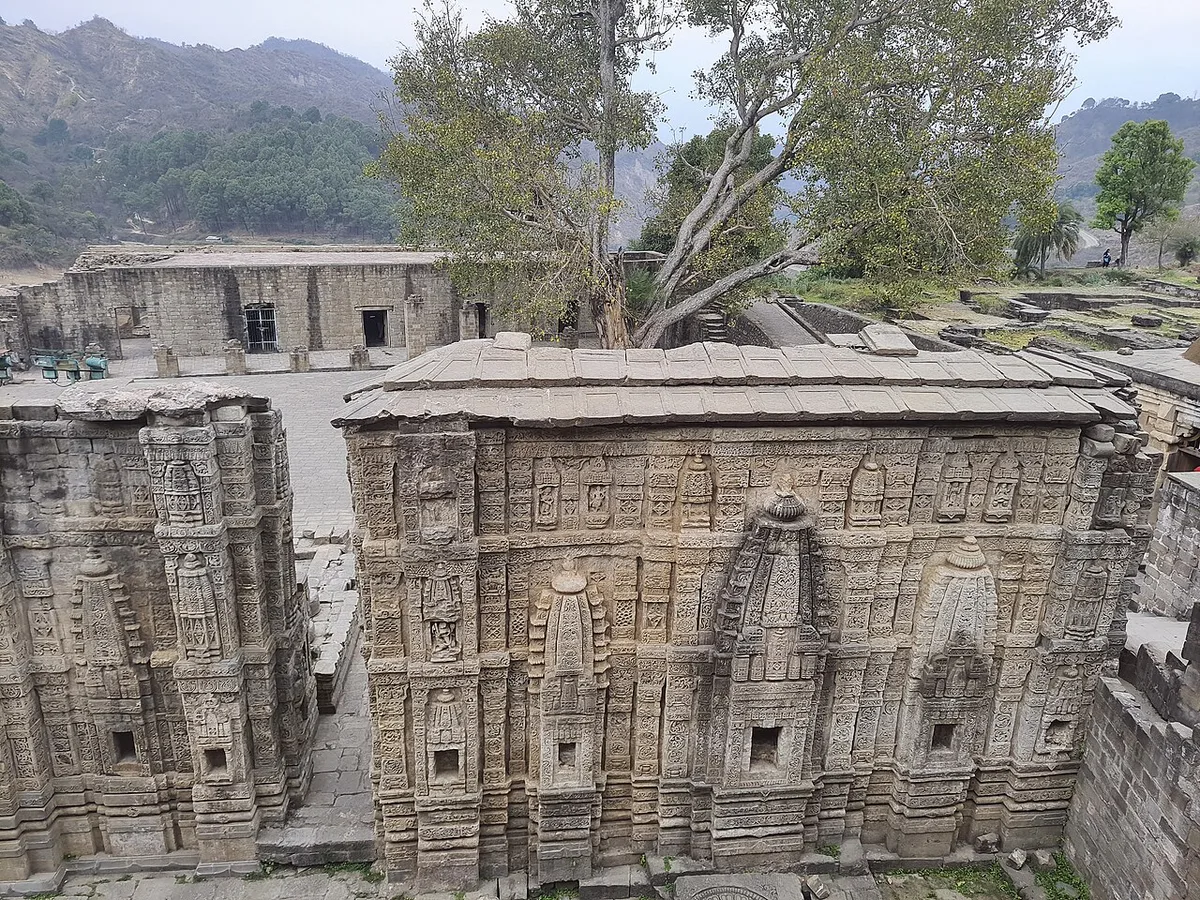
Kangra Valley Railway is a narrow-gauge line that links Pathankot with Joginder Nagar. On the way it passes Kangra, Nagrota Bagwan and Palampur, with the Dhauladhar range rising to the north. Himachal Pradesh's Kangra district lists it under services as the Kangra Valley Heritage Train, with Dharamshala as the location. Plan it as a slow scenic ride, not a fast transfer.
- Route ends: Pathankot and Joginder Nagar
- Gauge: narrow gauge
- Region: Kangra district, Himachal Pradesh
- Status: listed as a heritage train; live services appear on the national train enquiry system
Route and stations that matter to visitors
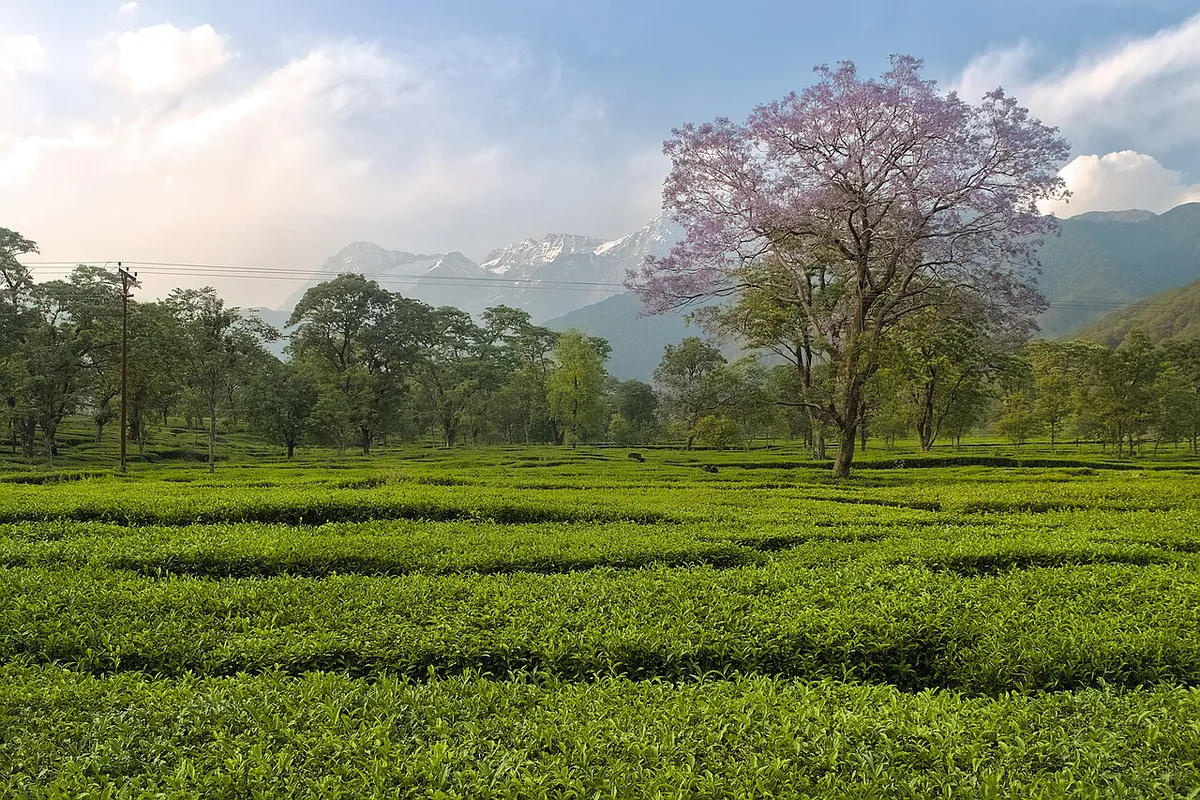
Three stops anchor most visitor plans. Kangra is the main district town on the line. Nagrota Bagwan sits further along the valley. Palampur is the third name to know, and it lies closest to the Dhauladhar foothills. Pathankot and Joginder Nagar mark the two ends. Not every train stops at every station, so check the stop list for your chosen service before you fix a plan. Dharamshala appears as the official location of the heritage listing. Read the next sections to see how that last leg works.
Is it worth riding? Who it suits (and who should skip)
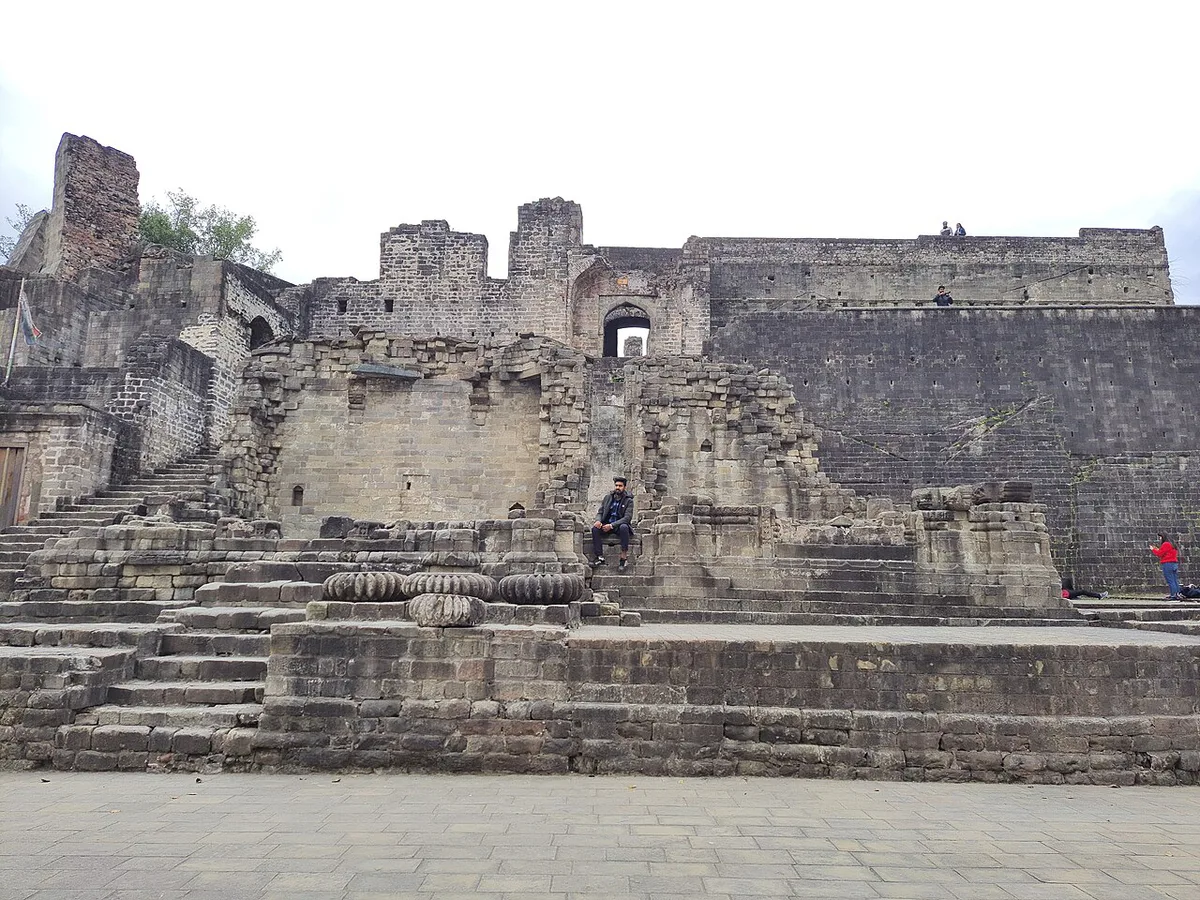
Ride it if the journey itself is the point. Skip it if you must reach a meeting or a flight on a fixed clock. A short segment between two stations gives you the valley views without a full-day commitment. Use the full line only when you have spare hours and a flexible return plan.
| Traveler type | Recommendation | Reason |
|---|---|---|
| Rail enthusiast | Ride the full line | Narrow-gauge heritage service is the draw |
| Photographer | Ride a short segment | Dhauladhar views from the valley floor reward slow travel |
| Family with children | Ride one segment, then use the road | Keeps the day short and gives easy exit points |
| Time-pressed visitor | Take the road | Road transfers give you control over departure times |
| Accessibility needs | Check station access first | Narrow-gauge stations can differ widely in facilities |
Tickets, fares and how to check timings
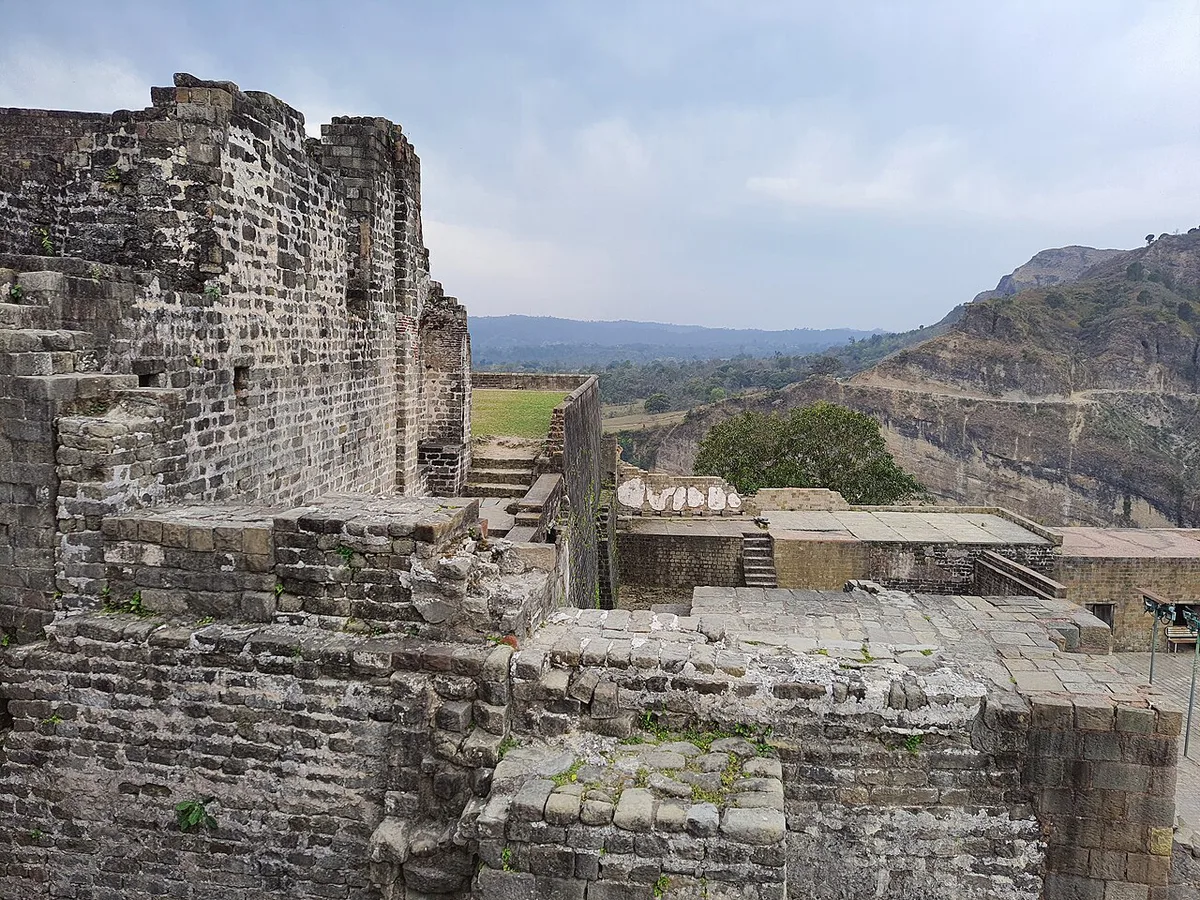
Timetables and train status for heritage services appear on the Indian Railways enquiry system. Start with the national heritage trains page, which is the same page the Kangra district listing points to. Prices and hours checked November 2026. No fare is quoted here, because fares depend on class and service. Book through the official Indian Railways channels listed on the Indian Railways site.
- Search the current timetable before you fix hotel dates
- Note the class and seat type offered on your chosen service
- Screenshot the departure time and stop list
- Re-check the day before you travel
Getting to the line from Dharamshala, Pathankot and beyond
Pathankot is the western end of the line, so out-of-state visitors can plan around it. For Dharamshala, check the national enquiry page for the station name and code, then arrange a road transfer for the final stretch. Himachal Pradesh Tourism publishes regional access information for the Kangra district. Add a generous buffer between your train arrival and any onward booking.
Best season, weather and disruption risks
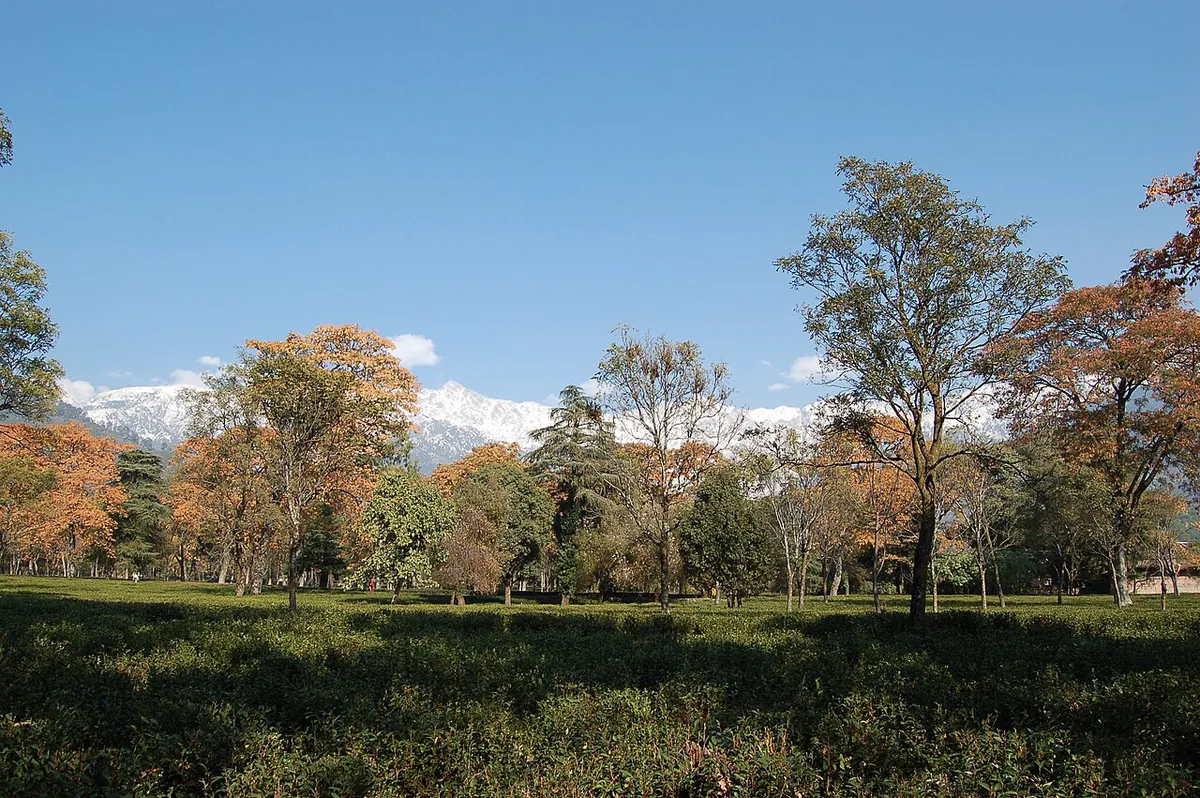
Clear weather gives the Dhauladhar views their value, so cool, dry months suit photographers best. Monsoon rain can bring landslide risk on hill lines in general. Winter fog can delay or cancel services on many Indian lines. No Kangra-specific disruption pattern is documented here, so watch railway notices close to your date.
Mistakes to avoid
Old timetables from videos or social posts are the biggest trap. Services change, and a clip from an earlier year can show a schedule that no longer runs. Another error is underestimating the transfer between station and hotel. Do not assume special heritage coaches run every day. Confirm what your booked service offers.
Kangra Valley Railway vs other Indian mountain railways
Our overview of Indian mountain railways shows where this line fits. For the wider family of narrow-gauge lines, read the guide to India's heritage lines. The closest Himachal comparison is the Kalka–Shimla Railway, which offers similar mountain scenery with different logistics. Further afield, see the Darjeeling Himalayan Railway: Toy Train Ride Guide & Planning Tips. South India has the Nilgiri Mountain Railway: Timings, Tickets & Which Ride to Pick. Near Mumbai, the Matheran line is another option. Readers who prefer big windows can look at scenic Vistadome coaches. Do not describe Kangra as a UNESCO line unless an official source says so.
Frequently Asked Questions
How can I reach Kangra from Pathankot by train?
Kangra lies on the narrow-gauge line that runs from Pathankot to Joginder Nagar. Look up current services and stop lists on the national heritage trains page before planning your day.
Is there a train in Himachal Pradesh?
Yes, Himachal Pradesh has narrow-gauge mountain lines. The Kangra Valley line runs through Kangra district, and the Kalka–Shimla line is a separate route covered in our guide.
Notes on Asia's railways
Optional updates when we revise our train and route guides.
You might also like
Continue reading
More guides you'll find useful