
Train Travel in Asia: 6 Routes, Booking & How to Choose
Plan train travel in Asia: compare countries, booking difficulty, overnight vs scenic routes and common mistakes, with six routes to start.
On this page
Last updated November 2026: train travel in Asia means separate national systems, from high-speed city links to overnight sleepers, slow scenic lines and luxury trains. Ticketing, classes and reliability change at every border, so the right choice depends on trip length, budget and whether you want transport or scenery. Start with the chooser below, then use the six routes and booking notes to build a plan.
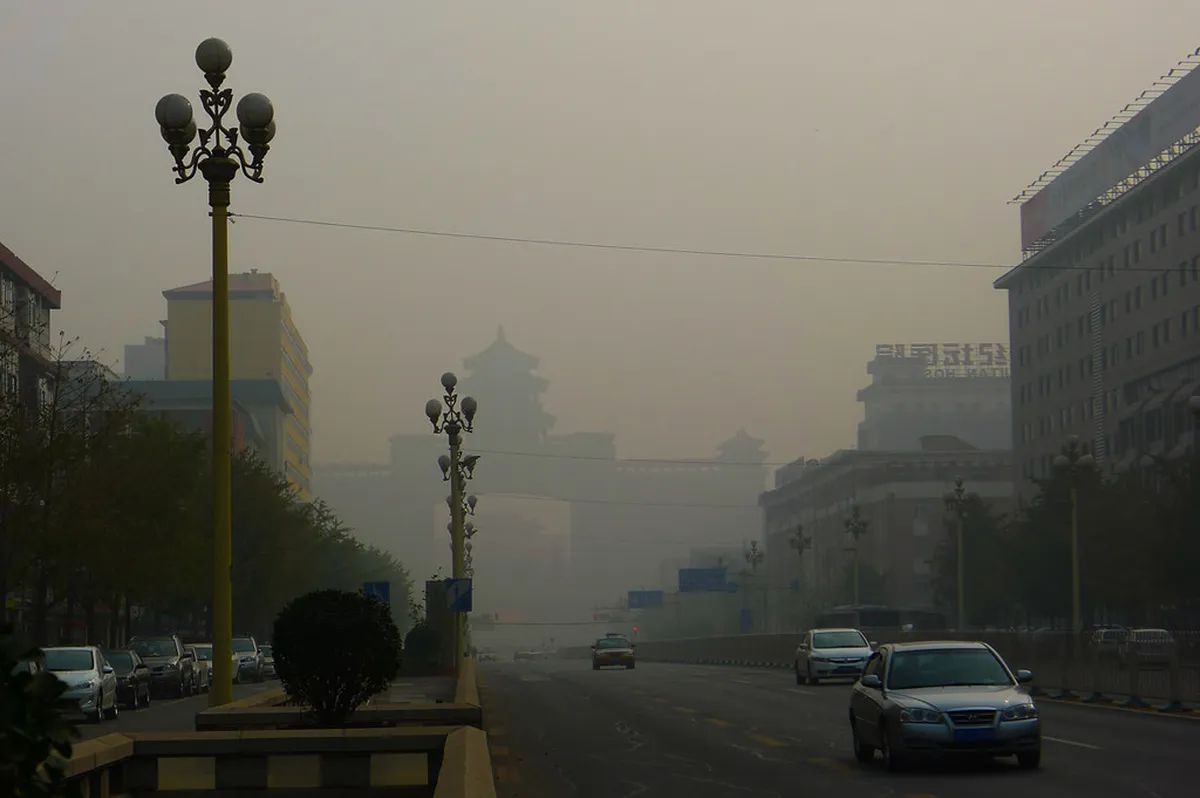
Featured image: bpoostdijk, CC BY 2.0, via Flickr.
Which kind of train trip fits you?
Pick the trip type first and the route follows. Fast city links reward time-pressed travelers, slow hill lines reward window-seat people, and night trains replace a hotel bed. Booking labels in the table are editorial judgments, so treat them as a starting point. Our longer list of scenic rail routes goes deeper once you know your type.

| Trip type | Example routes | Time | Booking difficulty | Best fit |
|---|---|---|---|---|
| Fast transport | Japan, Taiwan, South Korea, China | Daytime city links | Easy online; China needs passport-matched bookings | Time-pressed travelers |
| Scenery | Kandy–Ella, Alishan, Hue–Da Nang | 2.5 to 3.5 hours (Hue–Da Nang); Kandy–Ella on hold | Local site or station; reserved seats sell out | Photographers, first-timers |
| Overnight | Bangkok–Chiang Mai, Vietnam North–South | 12 to 14 hours; more than a day | Sells out on weekends and holidays | Budget travelers saving a hotel night |
| Luxury | Eastern & Oriental Express | Multi-stop journey | Agent or specialist | Train-as-destination buyers |
| Cross-border | Singapore–Malaysia, China–Laos, Beijing–Ulaanbaatar | Long, with border formalities | Separate tickets or specialist booking | Experienced, flexible travelers |
6 routes for train travel in Asia worth planning around
These six routes cover scenery, an overnight, a short engineering showpiece and a border crossing. Timetables and status checked November 2026. Each entry stays short because the route guides carry the depth.
1. Kandy to Ella, Sri Lanka (best for scenery)
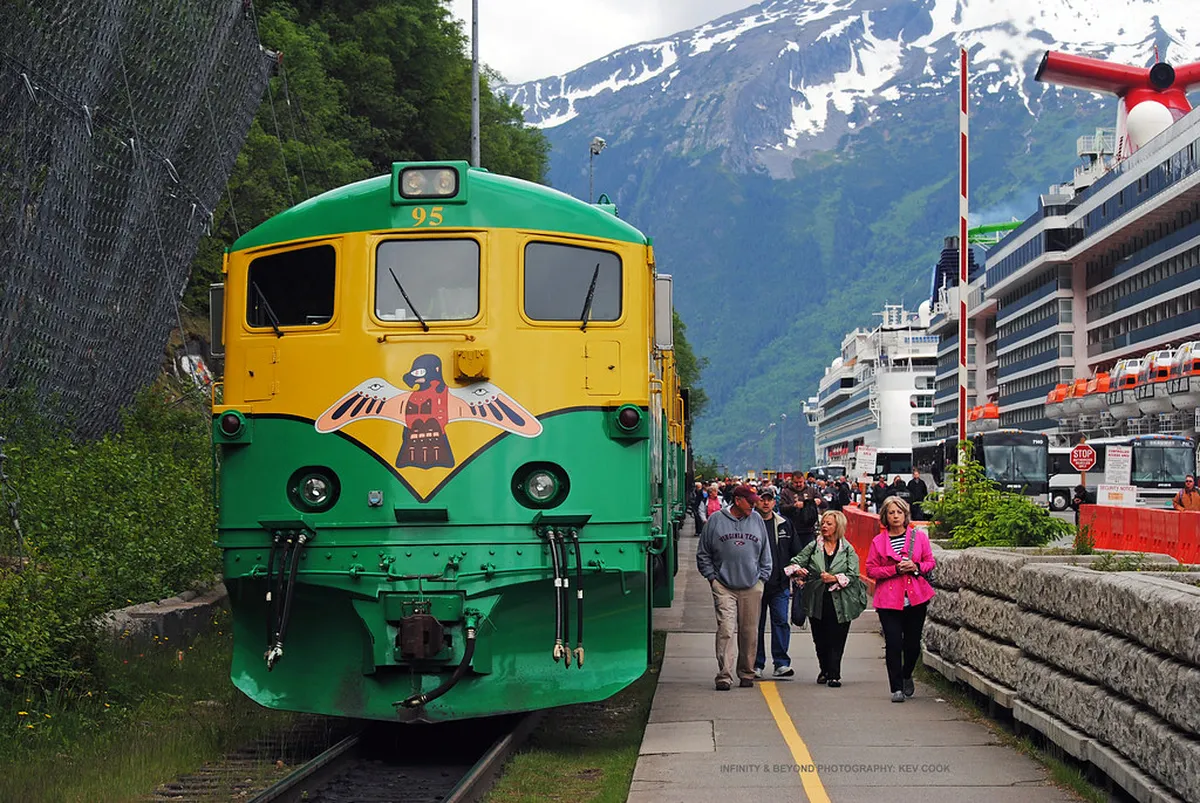
Kandy to Ella is the hill-country line most first-time visitors to Sri Lanka ask about. It passes tea plantations, forested hills, misty valleys and waterfalls, but no through train runs at present. Cyclone Ditwah cut the Main Line in November 2025, Colombo trains have reached Peradeniya and Gampola since 2 October 2026 but not Kandy, and only Nanu Oya to Badulla has run, since 20 June 2026. No restart date was found. Normally reserved first-, second- and selected third-class seats exist on certain services, while unreserved carriages are more spontaneous and often crowded.
Reserved seats sell out in popular periods, so book through Sri Lanka Railways instead of counting on the station counter. Keep your body inside the carriage, because leaning from open doors for photos is dangerous. Skip it if you need a guaranteed quiet seat or cannot spare most of a day.
2. Bangkok to Chiang Mai, Thailand (best overnight)
Thailand's overnight train is a classic Southeast Asia rail trip, and it usually takes 12 to 14 hours depending on the service. Choose between reclining seats and air-conditioned sleeper carriages, with private first-class compartments on selected trains. You save a night of accommodation and arrive close to central Chiang Mai the following morning.
Early risers can watch the landscape turn greener and more mountainous as the train enters northern Thailand. Sleeper berths sell out on weekends, public holidays and peak travel periods, so reserve ahead. Skip it if views matter most, since much of the ride happens after dark.
3. Hue to Da Nang, Vietnam (best short coastal ride)
This stretch of the North–South line, often called the Reunification Express, rounds the Hai Van Pass where forested hills drop toward the sea. Expect beaches, lagoons and fishing villages that are hard to see from the main road. The journey takes roughly 2.5 to 3.5 hours depending on the service.
Take a daytime departure, because a night or early-dark train hides the coastline. Some tourist-oriented services offer upgraded seating and local refreshments. Skip it if you want the full line, since Hanoi to Ho Chi Minh City runs more than a day.
4. Alishan Forest Railway, Taiwan (best for a mountain day)
Built to carry timber, this narrow-gauge line climbs from Chiayi toward the Alishan National Scenic Area. Through services on the main line returned in 2024, but weather, landslides and maintenance can still affect individual sections, so check the latest schedule. Shorter branch lines inside Alishan link Zhushan, Zhaoping and Shenmu.
The Zhushan Line is popular before dawn for sunrise viewing, and tickets are limited, so buy early. Cherry blossoms usually add color in spring, though bloom dates vary each year. Skip it if your itinerary has no slack for weather changes.
5. Seto-Ōhashi Line, Japan (best quick showpiece)
Okayama on Honshu connects to Takamatsu on Shikoku by crossing the Seto Ohashi Bridge, a series of bridges over the Seto Inland Sea. Road traffic uses the upper deck, and trains run along the lower level. Rapid Marine Liner services make the trip in under an hour on faster services.
Travel in daylight for views of small islands and fishing boats, and consider a reserved seat in the double-decker Green Car. Carriage layouts depend on the service. Skip it if you want a long ride, because it works best as an add-on to a western Japan trip.
6. Singapore to Kuala Lumpur or Penang (best first border crossing)
Start with the short Shuttle Tebrau hop from Woodlands Train Checkpoint to JB Sentral. Immigration formalities are part of the process, and passengers must arrive before the check-in deadline. From JB Sentral, selected ETS services run north to Kuala Lumpur, Butterworth and other west-coast stops, with schedules listed by KTM Berhad.
For Penang, get off at Butterworth and continue to George Town by ferry or road. Book the cross-border and onward tickets separately, and leave a generous buffer between them. Skip it if you want one through ticket with no transfers.
Country-by-country booking snapshot
Each country sells rail differently, so never assume one system. Japan and South Korea suit fast city links, and our high-speed rail guide covers them alongside China and Taiwan. Taiwan's THSR English site handles bookings for its fast line. China's 12306 English page is the official channel, and the passport details you enter must match your travel document exactly. For India, IRCTC ticketing is the official booking site. Deciding between a pass and single tickets is a separate question, covered in our pass-versus-ticket comparison.

| Country | Best for | Booking note | Caveat |
|---|---|---|---|
| Japan | Fast links, Seto-Ōhashi | National railway sites; pass versus ticket depends on route count | Carriage layouts vary by service |
| Taiwan | Western Trunk Line, Alishan | THSR for the fast line | Alishan sections weather-affected |
| South Korea | Seoul–Busan | Fast and slower services both run | Slower services suit food stops |
| Vietnam | Hue–Da Nang, North–South line | Vietnam Railways services | Full Hanoi–Ho Chi Minh City trip takes more than a day |
| Thailand | Bangkok–Chiang Mai sleeper | Reserve ahead for holidays | Night legs hide scenery |
| China | High-speed and sleepers | 12306 with passport-matched details | Huge stations; arrive early for security |
| Sri Lanka | Kandy–Ella | Sri Lanka Railways for reserved seats | No leaning from open doors |
| Malaysia and Singapore | Shuttle Tebrau and ETS | KTMB for onward legs | Check-in deadline at the border |
| India | Long-distance classes | IRCTC | Dudhsagar: never leave the train to reach the falls |
Overnight trains: when they beat flying or a hotel night
Night trains earn their place when they replace a hotel bed. Bangkok to Chiang Mai takes 12 to 14 hours and lands you near central Chiang Mai in the morning. Vietnam's North–South line runs more than a day end to end, so most visitors ride one section. Beijing to Ulaanbaatar covers more than 930 miles and resumed on 3 June 2025 after a suspension of several years, as the weekly K23/K24 (Saturdays since 4 June 2026, about 31 hours). The through trains to Moscow, the K3/K4 Trans-Mongolian and K19/K20 Trans-Manchurian, have been suspended since 2020. Bogies are changed at the border because China and Mongolia use different gauges. Book night legs early for weekends and public holidays in Thailand, Sri Lanka and China. Against a flight, compare airport transfer time, baggage rules and the saved hotel night, not just the headline fare.
Bangkok to Chiang Mai's 12 to 14 hours runs far longer than the 2.5 to 3.5 hour Hue to Da Nang ride, so the sleeper suits longer legs.
Luxury and bucket-list trains
Luxury trains suit travelers for whom the train is the destination, not budget transport. Current Eastern & Oriental Express journeys start at Woodlands Train Checkpoint in Singapore and stay in Malaysia; the Bangkok route is not offered. Belmond's route page lists departures. Our Singapore-to-Bangkok route breakdown explains the journey and how it has changed. For other options, see our roundup of luxury rail experiences.
Cross-border and overland routes
Rail gaps, visa limits and closed borders make a seamless Asia-wide trip unrealistic. Singapore to Japan by a mix of rail, bus and ferry is more workable than a straight run to Europe. The China–Laos Railway links Kunming with Vientiane, with stops that include Mohan, Boten, Luang Prabang and Vang Vieng. Border formalities happen during the journey, so keep your passport and arrival documents within reach. International tickets can be harder to buy than domestic ones. Singapore to Malaysia works with separate tickets and a buffer. Before routing through Myanmar or other restricted countries, check current government travel advice, because it can affect your insurance.
Beijing to Ulaanbaatar covers more than 930 miles, and its bogies change at the border because the two countries use different gauges.
Food-led rail trips
Pairing meals with stops turns a transport day into a plan. In Vietnam, Hue brings imperial flavors and Da Nang adds local specialties, so the 2.5 to 3.5 hour hop between them suits a daytime ride and a lunch stop. Taiwan's Western Trunk Line runs from the Taipei region through Hsinchu, Taichung, Tainan and Kaohsiung, and most of these cities work as a day stop with a station-area noodle or market meal. Osaka to Kinosaki Onsen suits a one-night break, with ryokan dinners featuring Tajima beef and Sea of Japan seafood. South Korea's Seoul–Busan corridor ends in a seafood market city, and slower services add regional stops.
How to book and what to pack for the journey
Book with the national operator when it has an English site, and use an aggregator when it does not. Our review of one booking platform shows how it compares with booking direct. Booking windows differ by operator, so read each site's rules before you commit to dates. Match passport names exactly, especially for China. Arrive early at large stations to clear security and find the departure gate. Pack water, snacks, a portable charger and a warm layer, since carriages can be strongly air-conditioned. Choose a seat on the side with the better view where the route allows it, and consider our notes on multi-trip passes if you plan several rides.
Mistakes to avoid
Do not assume one ticketing system works everywhere. Leave a buffer at border changes, like the one between the Shuttle Tebrau and the onward ETS. Do not book night legs when scenery is the goal. Treat route status as live, especially for Alishan and Beijing–Ulaanbaatar. Never lean out of open doors in Sri Lanka, and never leave the train near Dudhsagar Falls in India. Reserve sleepers early for holiday periods in Thailand, Sri Lanka and China.
Choosing a Seat, Sleeper or Higher Class
Choose the accommodation for the journey length, not simply the highest class available. On the 2.5 to 3.5 hour Hue–Da Nang ride, a daytime window seat matters more than a berth. Book a seat that lets you watch the Hai Van Pass coastline rather than taking a late service.
For Bangkok to Chiang Mai, the 12 to 14 hour journey makes an air-conditioned sleeper the practical upgrade. A reclining seat can work for a tight budget, but a berth gives you space to rest and helps the train replace a hotel night. Private first-class compartments are available on selected services.
On Kandy–Ella, once through trains return, reserve first, second or selected third class when having a seat is essential. Unreserved carriages can be crowded. For short Japanese journeys, a reserved Green Car seat can add comfort, but check the individual service because carriage layouts vary.
Frequently Asked Questions
What are some luxury train journeys in Asia?
The Eastern & Oriental Express, which Belmond now runs from Singapore through Malaysia, is the best-known example. India's Palace on Wheels is listed through Rajasthan tourism. These suit travelers who treat the train as the destination.
Is it worth paying first class on a train?
It depends on the line. On Kandy–Ella, once through trains return, reserved classes give you a seat on a route where unreserved carriages get crowded. On the 12 to 14 hour Bangkok–Chiang Mai run, a sleeper or private compartment adds comfort and saves a hotel night.
Explore More Guides
Keep planning your trip with these guides.
Guides
Notes on Asia's railways
Optional updates when we revise our train and route guides.