
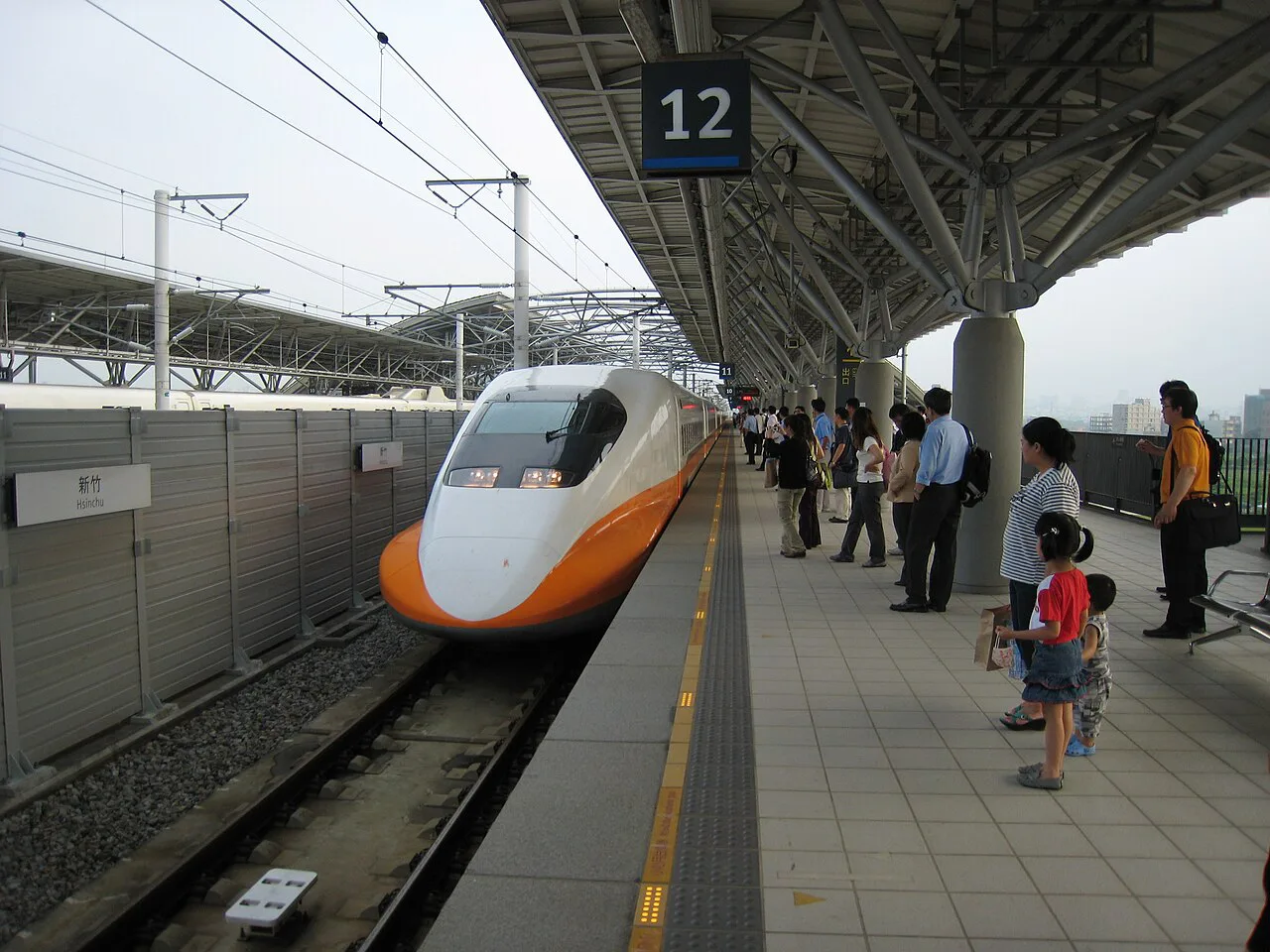
Taiwan High Speed Rail (THSR): Routes, Tickets and Is It Worth It
How Taiwan's high speed rail works: stations, ticket types, when it beats the regular train, and how to ride it as a visitor.
On this page
Last updated November 2026: Taiwan high speed rail (THSR) is the west-coast line between Nangang and Zuoying (Kaohsiung), with 12 stations and a Taipei–Kaohsiung ride of under two hours. It is worth it for long north–south hops and not worth it for short ones or for anything on the east coast. This page is the overview in our Taiwan train guide, so ticket mechanics and pass math sit on the linked pages.
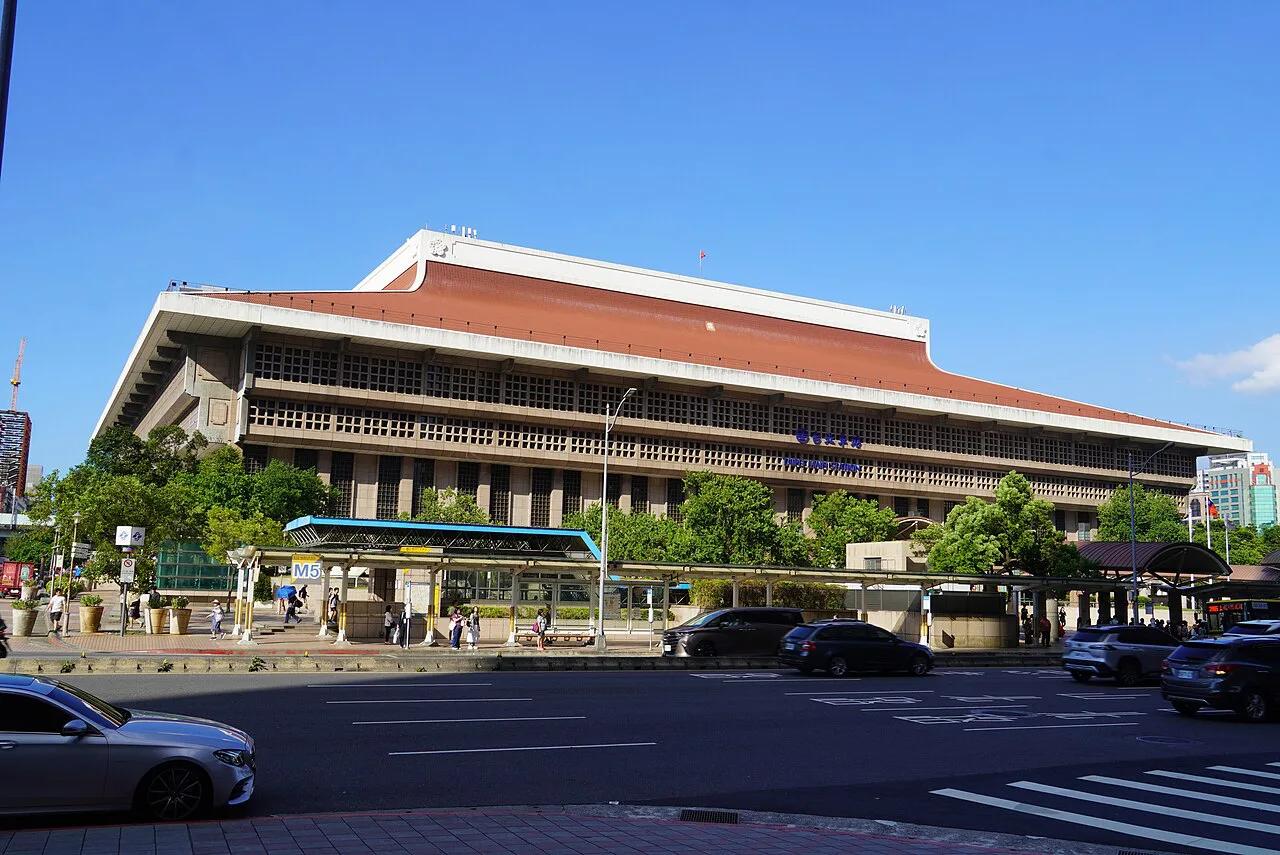
Featured image: Jiang, Public domain, via Wikimedia Commons.
THSR at a glance
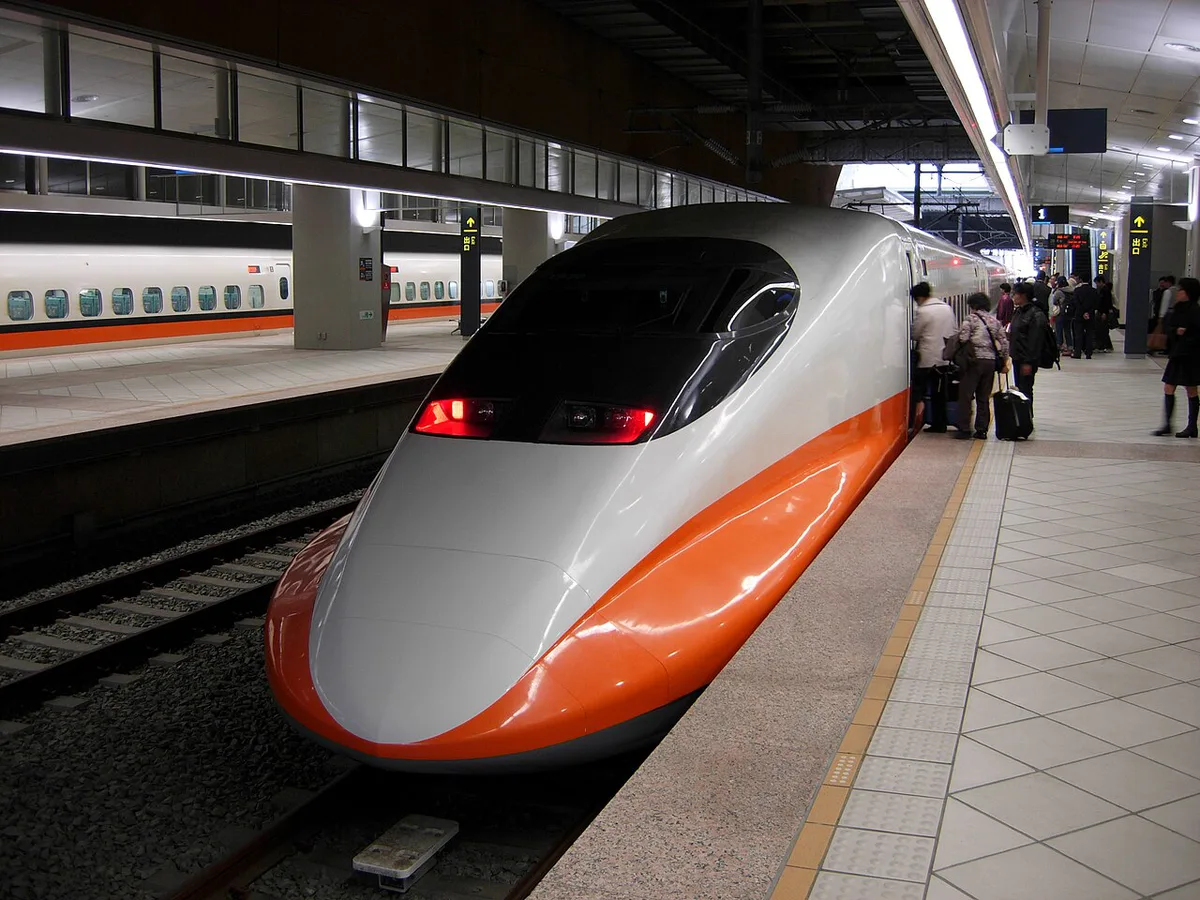
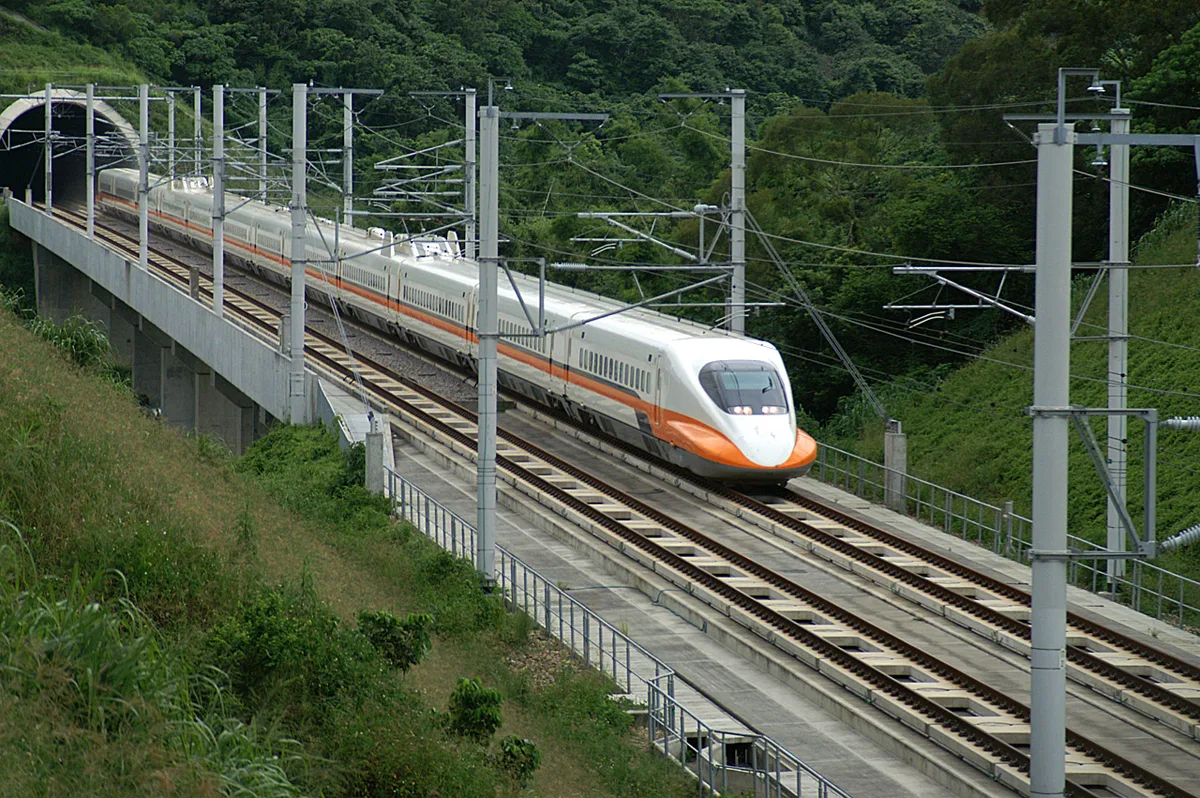
THSR opened on 5 January 2007 and runs about 350 km along the west coast. Top speed is 300 km/h, and the operator is the Taiwan High Speed Rail Corporation (THSRC). Official fares, timetables and conditions are on the THSRC English site.
Top speeds reach 300 km/h but many stations sit outside city centres, so budget the last leg too.
Verdict: it suits anyone linking Taipei with Taichung, Tainan or Kaohsiung on a tight schedule. You can skip it for short hops, for scenic slow travel, and for any trip toward Hualien, Taitung or Yilan.
- Route: Nangang to Zuoying, 12 stations
- Journey: Taipei to Kaohsiung in under two hours
- Best for: long west-coast legs, day trips, time-pressed itineraries
- Skip if: you want views, a short hop, or the east coast
THSR stations and where they really are
Stations run from Nangang and Taipei in the north to Zuoying in the south. Several sit away from the city they are named for, so plan a transfer from the platform to your hotel. Allow extra time at Hsinchu, Taichung, Chiayi and Tainan, and check the local connection on the official site. In Taipei, our Taipei Main Station guide helps you choose between the Taipei, Banqiao and Nangang stops.
| Station | Area served | Notes |
|---|---|---|
| Nangang | Eastern Taipei | Northern terminus |
| Taipei | Central Taipei | Shares a hub with Taipei Main |
| Banqiao | New Taipei | Alternative Taipei boarding point |
| Taoyuan | Taoyuan area | Check onward transfer to the airport area |
| Hsinchu | Hsinchu | Check transfer time into the city |
| Miaoli | Miaoli | Smaller stop |
| Taichung | Taichung | Check local transport into the centre |
| Changhua | Changhua | Regional stop |
| Yunlin | Yunlin | Regional stop |
| Chiayi | Chiayi | Gateway for Alishan; transfer needed |
| Tainan | Tainan | Check transfer time into the city |
| Zuoying | Kaohsiung | Southern terminus |
THSR vs Taiwan Railway: how to choose
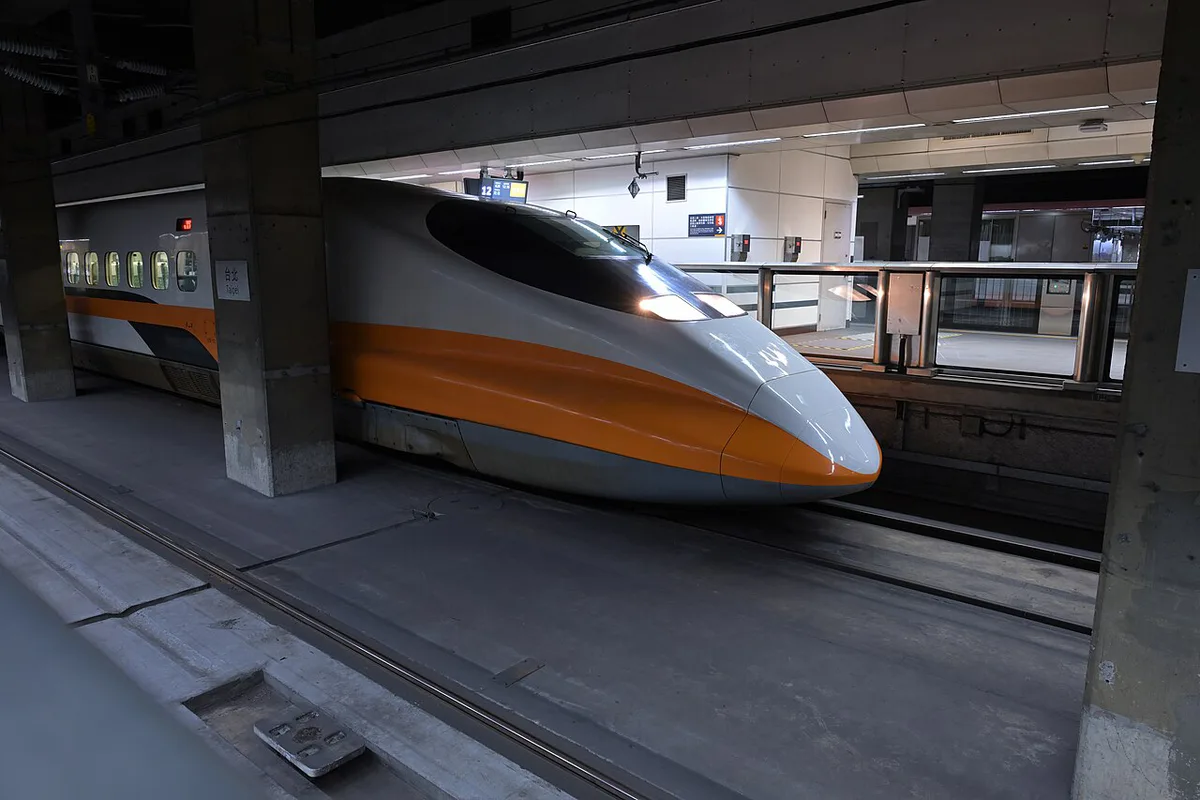
THSR wins on speed over about 100 km or more. Taiwan Railway (TR) wins on reach, frequent local stops and scenery. THSR does not serve Hualien, Taitung, Alishan or Yilan at all. For the east coast, read the guides to the Taipei to Hualien Train: Times, Fares & Sold-Out Fixes and the Taipei to Taitung by Train: Times, Fares, Booking Tips. Yilan is covered in getting from Taipei to Yilan. Regular-train fares and booking are explained under Taiwan Railway Tickets: How to Book, Pay and Collect (Foreigner Guide).
| Factor | THSR | Taiwan Railway |
|---|---|---|
| Speed | Fastest; up to 300 km/h | Slower; many stops |
| Price level | Roughly double the regular fast train | Lower |
| Frequency | Frequent on the west coast | Frequent, many local services |
| Scenery | Mostly fast corridor views | Better for coastal and mountain views |
| Reach | 12 stations, west coast only | Island-wide, including the east |
| Station location | Often outside city centres | Usually central |
Common THSR routes and what to do after
Three routes cover most visitor plans. Start with Taipei to Taichung: Train, HSR and Bus Compared for the central region. Continue south with Taipei to Tainan: Train, Bus & Flight Compared. The full run is Taipei to Kaohsiung: Train, Flight, Bus & Costs (Compared), under two hours.
Onward links matter as much as the ride. From Taichung, see the Taichung to Sun Moon Lake: Bus, HSR and Car Options Compared guide. From Taipei, use the Taipei to Sun Moon Lake: Best Routes and Trip Planning page. In the south, Kaohsiung to Kenting: Bus, Train, Taxi & Driving picks up where the rail ends. Chiayi is the transfer point for the Alishan Forest Railway Guide: Access, Tickets, Planning.
Day trips are feasible. Taipei to Taichung and back works in one day. A Taipei–Kaohsiung round trip costs about four hours of train time plus station transfers, so it suits a single-purpose day, not a relaxed one.
Tickets, fares and passes
Fares depend on class and station pair. Sample published fares have run at NT$700 standard and NT$1,250 business for Taipei–Taichung. Taipei–Zuoying has been NT$1,490 standard and NT$2,440 business. Prices and fares checked November 2026 against older published figures, so confirm today's amounts on the THSRC site before you budget.
Before buying a pass, price NT$2,980 for a Taipei–Zuoying round trip at the older fare, then compare it with the pass.
Your main decisions are reserved or non-reserved seats, standard or business class, and whether a discount fare is open on your date. Full buying steps are on our THSR tickets page.
For passes, use a simple break-even rule. Add up the point-to-point fares for every ride you plan, then compare the total with the pass price. Two rides rarely justify a pass. A Taipei–Zuoying round trip alone is NT$2,980 at the older NT$1,490 one-way figure. Pass types and prices are on the THSR pass guide. If you also plan regular-train rides, compare the Taiwan Railway pass for overlap.
Foreign cards and e-tickets can fail at booking or collection. Allow time to pick up tickets at the station, and keep your passport and booking number handy.
How to ride: gates, platforms, seats and luggage
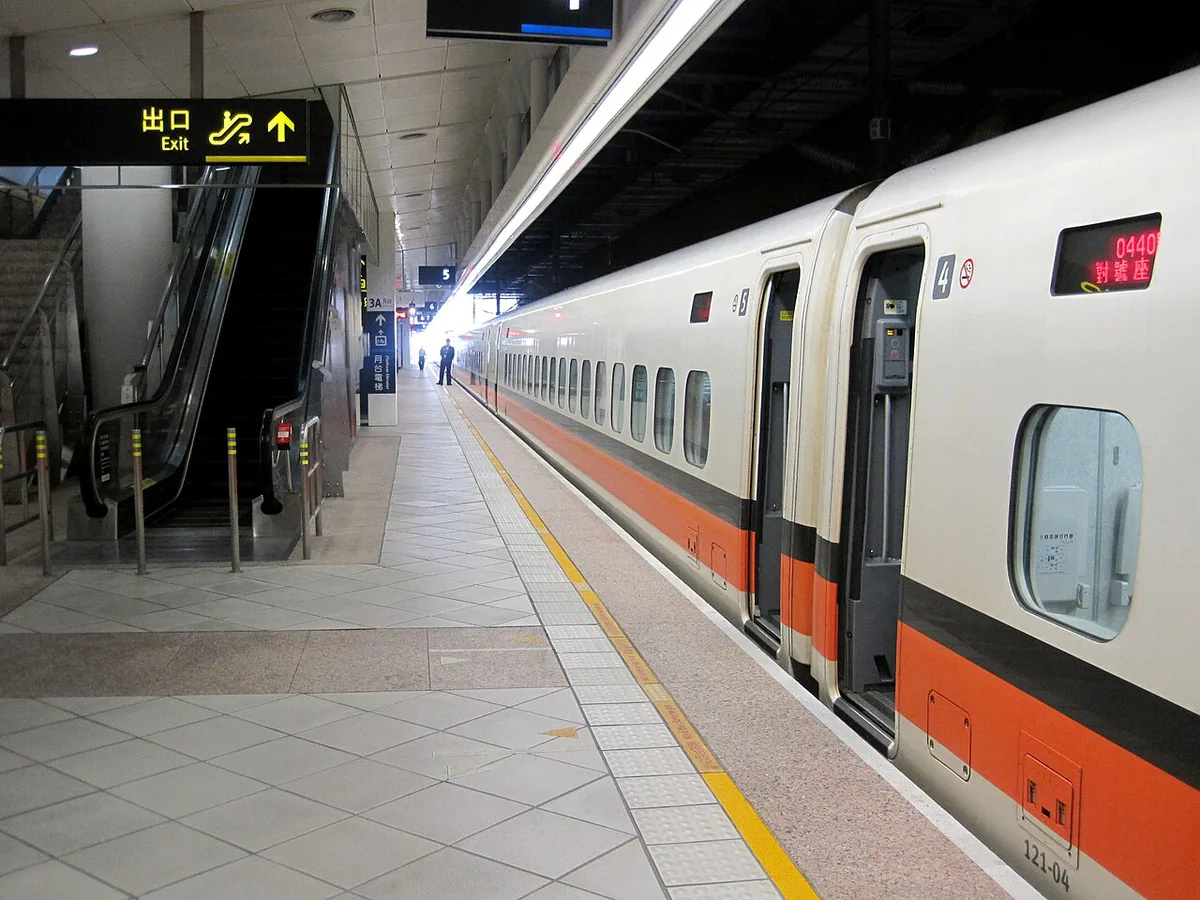
Insert your ticket into the gate on the right side, take it back, and head to the platform. Keep it for the conductor, then use the gate again on arrival. Unless you hold a multi-ride ticket, the exit gate keeps it.
Choose your car and seat when booking. Non-reserved seats are valid only on the day of travel. For large bags, check the luggage rules on the THSRC site instead of relying on remembered sizes. Peak periods and holidays fill trains, so book early for those dates.
Riders follow simple manners rules. Keep the phone on silent and your voice low. Avoid strong-smelling food. Keep feet off the seats, and use the bins at the car entrance. The Taiwan Tourism Administration publishes visitor transport guidance too.
Common THSR mistakes
Most first-timer errors are about the plan, not the train.
- Booking THSR for a short hop where the regular train is simpler.
- Missing the station transfer time, especially at Taichung, Chiayi and Tainan.
- Assuming THSR goes east to Hualien, Taitung or Yilan.
- Buying a pass for only one or two rides.
- Picking a station far from your hotel without allowing for the transfer.
- Leaving ticket collection to the last minute with a foreign card.
Frequently Asked Questions
How fast is Taiwan High Speed Rail?
Top speed is 300 km/h. Taipei to Kaohsiung takes under two hours.
How expensive are trains in Taiwan?
THSR costs roughly double the regular fast train. Older published fares were NT$700 for Taipei–Taichung in standard class. Taiwan Railway is cheaper, so compare both on the Taiwan Railway site.
Notes on Asia's railways
Optional updates when we revise our train and route guides.
You might also like

Continue reading
More guides you'll find useful