Dubai to Oman: Flight, Bus & Driving Compared
Compare ways to get from Dubai to Oman: nonstop flights to Muscat, buses, and driving. Time, cost, border and paperwork trade-offs.
On this page
Last updated November 2026: the quickest way from Dubai to Oman is a nonstop flight from DXB to Muscat, which takes about 1h 10m in the air. Buses and driving also work, and the best choice depends on where in Oman you are headed. Our guide focuses on Muscat, with short notes on northern Oman and Musandam.
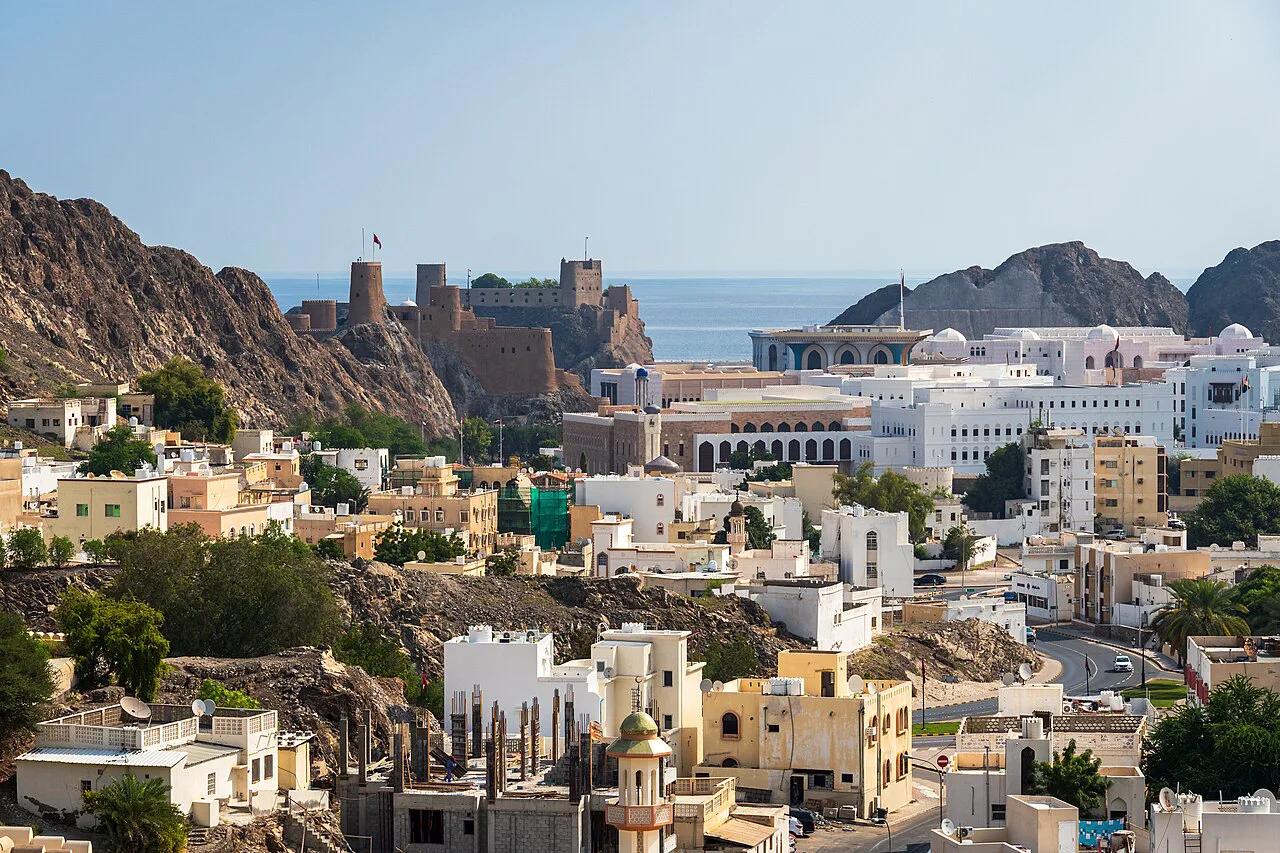
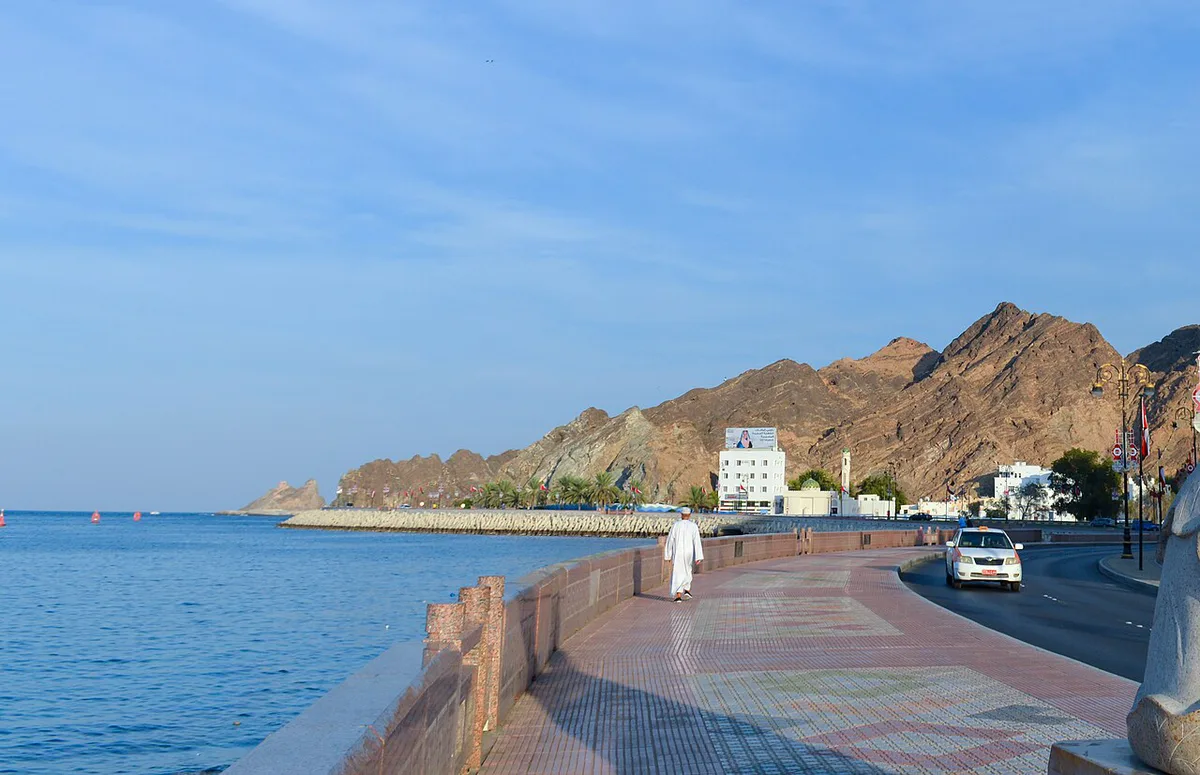
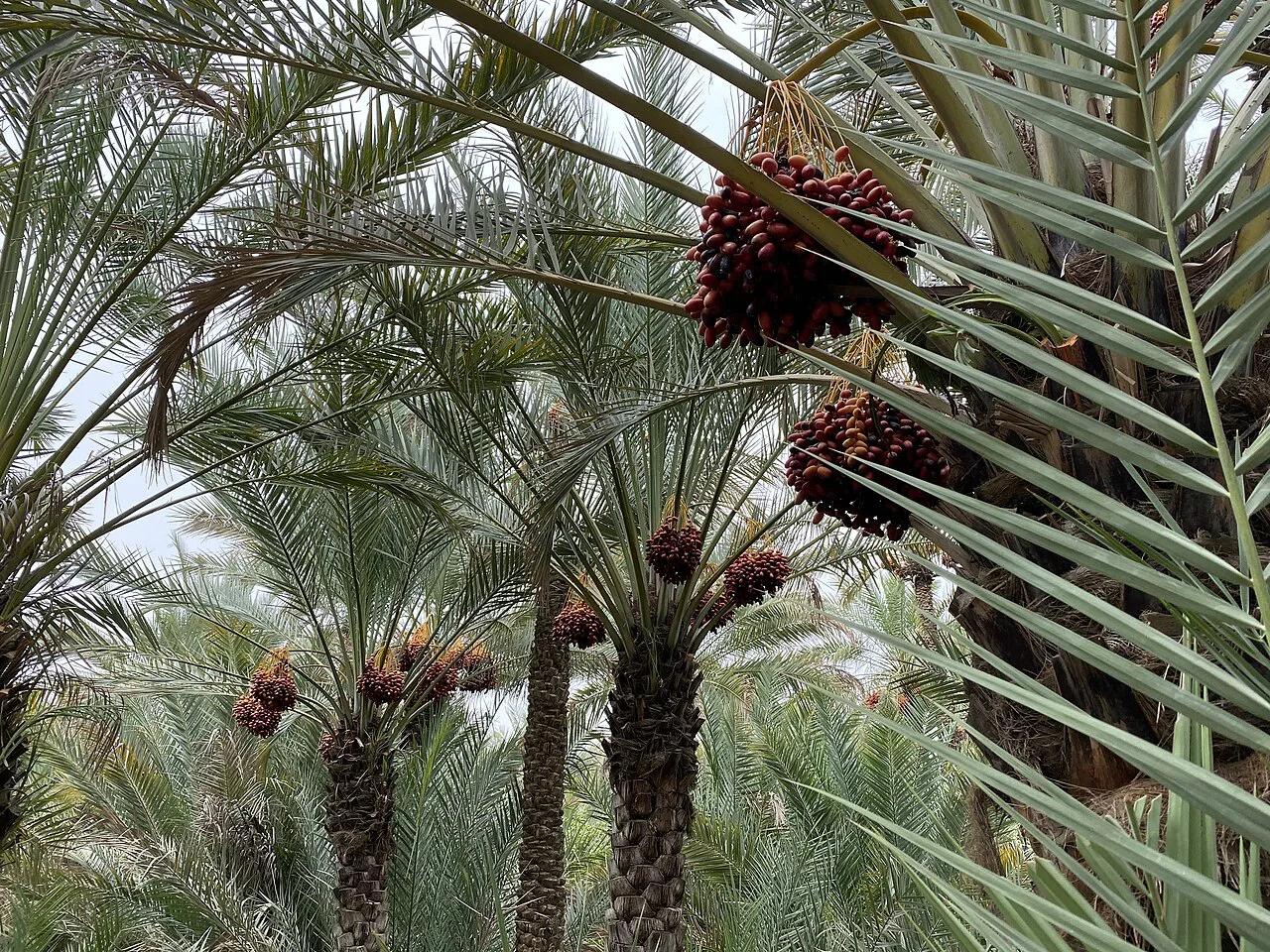
Featured image: Domenico Convertini, CC BY-SA 2.0, via Wikimedia Commons.
Quick answer: the best way from Dubai to Oman
If Muscat is your target, fly. Flights run about 1h 10m, with several nonstop departures a day. Road travel makes sense when you want northern Oman, when you are already driving, or when a low fare matters more than hours. Each option trades time against cost and paperwork, as the table shows.
| Option | Time | Cost level | Best for |
|---|---|---|---|
| Flight (DXB to MCT) | About 1h 10m in the air, plus airport transfers and check-in | Mid to high; varies a lot by date | Muscat, short stays, tight schedules |
| Bus | Long road day with border processing | Lowest | Budget travelers, flexible schedules |
| Drive or taxi | Long road day plus border queues | Varies with vehicle and permissions | Car owners, northern Oman, Musandam |
Dubai to Oman by flight (DXB to MCT)
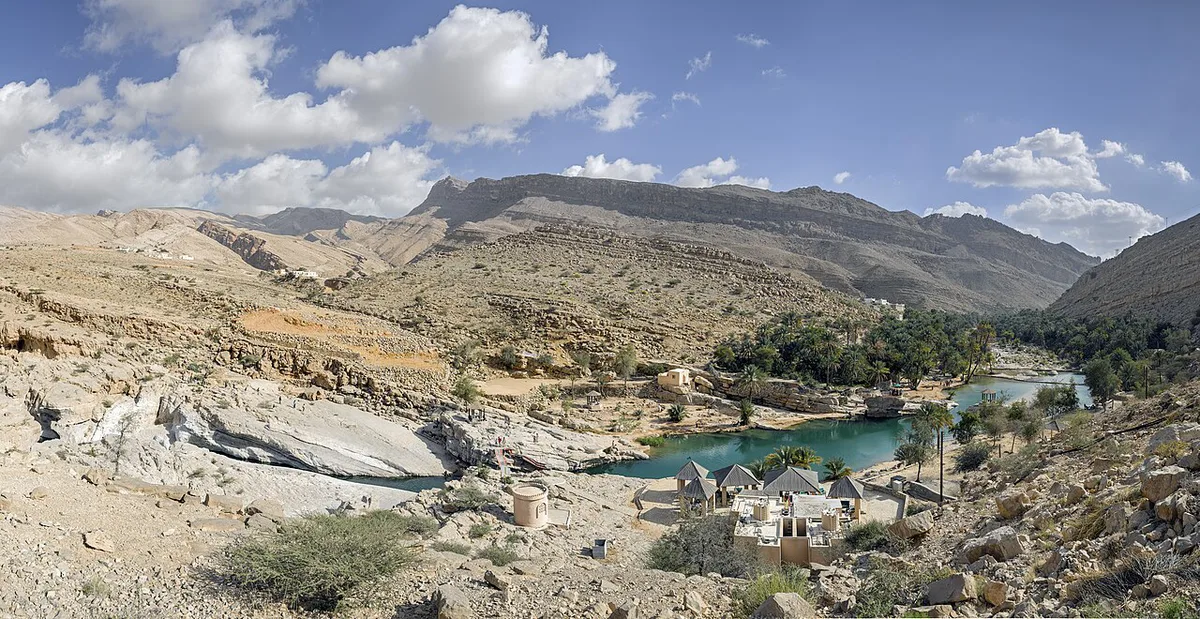
Nonstop flights leave Dubai International (DXB) for Muscat International (MCT). flydubai lists flight times of about 1h 5m to 1h 14m, so plan on about 1h 10m in the air. Dubai has two airports, DXB and Al Maktoum (DWC), and Muscat flights are mainly DXB, so read the departure airport on your ticket before you head out. Itineraries via Doha or another hub run many hours longer than the nonstop and are a fare-hunting trade-off, not a convenience.
- Flight time: about 1h 10m nonstop, about 340 km between the two airports.
- Itineraries via a third city take several hours longer.

Flight costs and when to book
We do not quote flight fares: they swing widely between near-identical dates, and fare trackers disagree on the cheapest day to fly. Compare your own dates side by side on the airline sites. Leave a buffer before any onward connection, because delays on a short hop still knock out a tight transfer.
Dubai to Muscat by bus
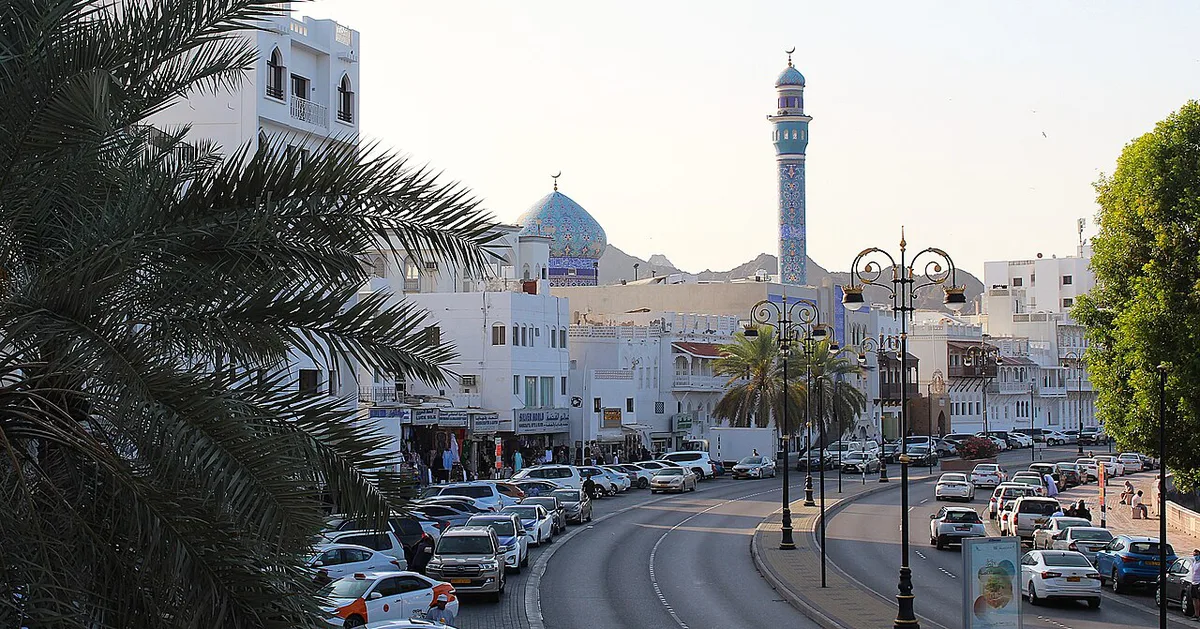
A coach from Dubai to Muscat is the cheapest way to cross without your own car. A December 2025 listing gives AED 55 one way and AED 90 return on the RTA and Mwasalat service, boarding at Abu Hail, Dubai Airport Terminal 2 or Al Rashidiya, with about 6 hours of travel including the border. Our Dubai to Muscat bus guide covers the route and the operator question in detail. Oman's wider coach network is explained in the Oman bus overview, and Mwasalat publishes its own timetables and fares. Allow a full road day, with extra time for passport control at the border.
A bus ride of about 6 hours is long beside a 1h 10m flight, but it removes airport transfers at both ends.
Driving or taxi from Dubai to Oman
Driving suits northern Oman and Musandam better than Muscat. Road time for Muscat is much longer than 1h 10m, and border queues add anywhere from 30 minutes to 2 hours. Most tourists cross at Hatta (Al Wajajah on the Omani side), and leaving the UAE costs AED 35. Decide on four points before you go: who is driving, whether your rental company allows cross-border use (it needs to issue a no-objection certificate and some do not allow it at all), whether you hold Oman-valid insurance (UAE policies usually exclude third-party liability in Oman, and the Orange Card sold at the border fills that gap), and where you will return the car. For the road out of Dubai, our guides to Dubai to Fujairah: Car, Bus, and Taxi Compared (2026), Dubai to Ras Al Khaimah: Bus, Taxi, Car & Flight Compared and Dubai to Hatta: Car, Bus & Day-Trip Guide cover the eastern and northern UAE side. A private taxi is possible, but agree the fare and the drop-off point before departure.
Border, visa and paperwork checklist
Entry rules differ by nationality and by whether you live in the UAE. Oman e-visas are issued on the Royal Oman Police e-visa portal, and its eligibility tool shows what your nationality needs. GCC citizens enter without a visa. Some nationalities can get a visa on arrival, but applying online in advance is simpler.
- Passport: valid for your whole stay.
- Visa: depends on your nationality and residency; use the e-visa portal's eligibility tool.
- Rental car: get written permission for cross-border use and proof of insurance valid in Oman.
- Driver's licence: carry it, along with the vehicle registration papers.
- Exit fee: AED 35 to leave the UAE by road, paid at the border.
Which option fits which traveler
Your final destination matters more than the headline travel time. A 70-minute flight is not 70 minutes door to door once you add airport transfers, check-in and baggage. Road options trade that for a long day on the highway and border queues.
| Traveler | Best fit | Why |
|---|---|---|
| Solo budget traveler | Bus | Lowest cost; flexible dates |
| Family | Flight to Muscat, or own car if staying in the north | Fewer hours with children on a flight; a car gives flexibility |
| Short-stay Dubai visitor | Flight | Saves a road day |
| UAE resident | Flight or bus | Entry rules depend on residency; some residents qualify for an e-visa or visa on arrival |
| Car owner | Drive | Buy Oman-valid insurance and carry the vehicle papers |
| Musandam day-tripper | Road | Short trip; read the paperwork rules for your crossing first |
After you arrive: onward travel in Oman
Most visitors who land at MCT continue inland or down the coast. Our Muscat to Nizwa guide covers the inland route. For the coast, read Muscat to Sur: Bus, Taxi & Driving Guide next. Rail does not yet cross the border. Etihad Rail's passenger trains run only inside the UAE (see the Etihad Rail official site), and the UAE-Oman Hafeet Rail link is under construction with no opening date, as our Hafeet Rail guide explains.
Leave slack before an onward trip from MCT to Nizwa or Sur, since a late arrival can cost you a bus seat.
Mistakes to avoid
Four slips cause most of the trouble on this route.
- Booking only the fare and ignoring airport transfer and check-in time.
- Assuming a rental car can cross the border freely.
- Skipping visa rules for your nationality.
- Trusting one price quote, when near-identical dates can differ by hundreds of dollars.
Driving to Muscat: distance, border and paperwork
The drive is about 450 km and takes four to five hours with stops, according to The National (November 2025). It takes about 1h 20m to reach the Hatta/Al Wajajah crossing, which lies 6 km past the Hatta Wadi Hub, and the same article gives these requirements:
- Insurance: an Orange Card is mandatory for all vehicles. Your insurer can usually issue it free if the policy covers Oman, and a temporary card sold at the border typically covers third-party damage only.
- Visa: GCC citizens are exempt, and some other nationalities get a visa on arrival. Applying online at least five days ahead is advised, and processing typically takes 24 hours. Fees start at 5 Omani rials (about AED 50), and a one-month visit visa costs 5 to 20 rials. Payment on arrival is by credit card only.
- Passport: at least six months of validity, with blank pages for stamps.
- Car papers: proof of ownership and registration may be requested, and a driver who does not own the car may need a consent letter from the owner with the owner's contact details.
Refuel right after you cross, because there are few places to stop for fuel beyond the Omani border post.
For the wider city context, see our complete tourism attractions guide.
Notes on Asia's railways
Optional updates when we revise our train and route guides.
You might also like

Continue reading
More guides you'll find useful